 Sophia Davis
 The present generation of people understands travel as a means to experience new places instead of using it to escape their normal lives which previous generations practiced. For this generation, travel isn’t just about visiting a famous landmark and taking a photo; it’s about alignment with their personal values, mental health, and social responsibility. The new explorers of today have developed contemporary ways of discovering new places by departing from traditional visitor patterns.
The Rise of “Slow Travel”
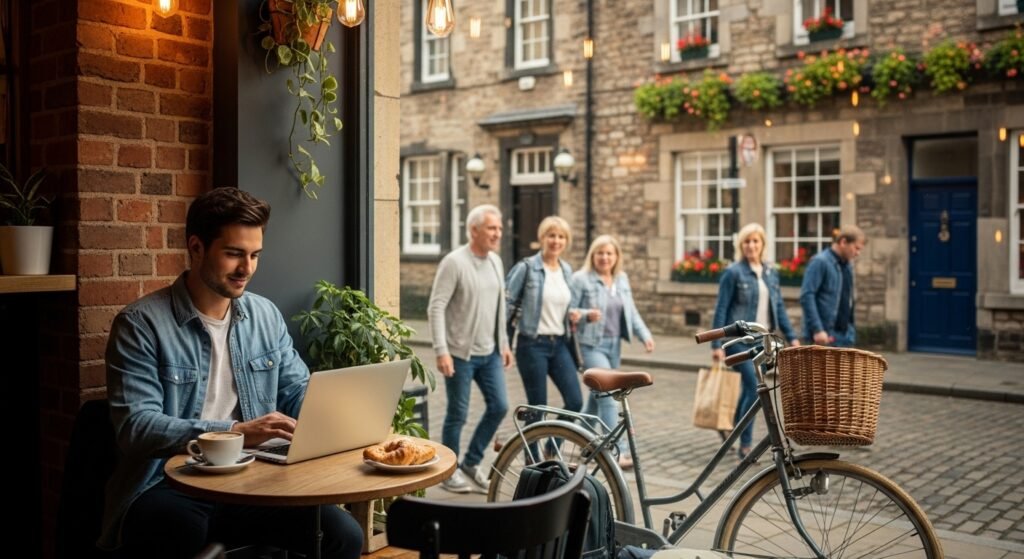
Gen Z prefers to stay in one destination for an extended time rather than trying to see five cities within a period of ten days. The local people live their real life because the approach enables them to discover secret places while they maintain their local lifestyle. The approach focuses on achieving better quality experiences through fewer traveled locations.
Prioritizing “Eco-Conscious” Choices

The sustainability of a product makes it impossible to create a deal which both parties can accept. Gen Z travelers actively search for “green” hotels while they stay away from airlines whose carbon emissions they consider to be hazardous and they choose train travel for short distances because it is better than flying. They are more likely to research a company’s environmental impact before booking a single ticket.
Destination “Dupes”
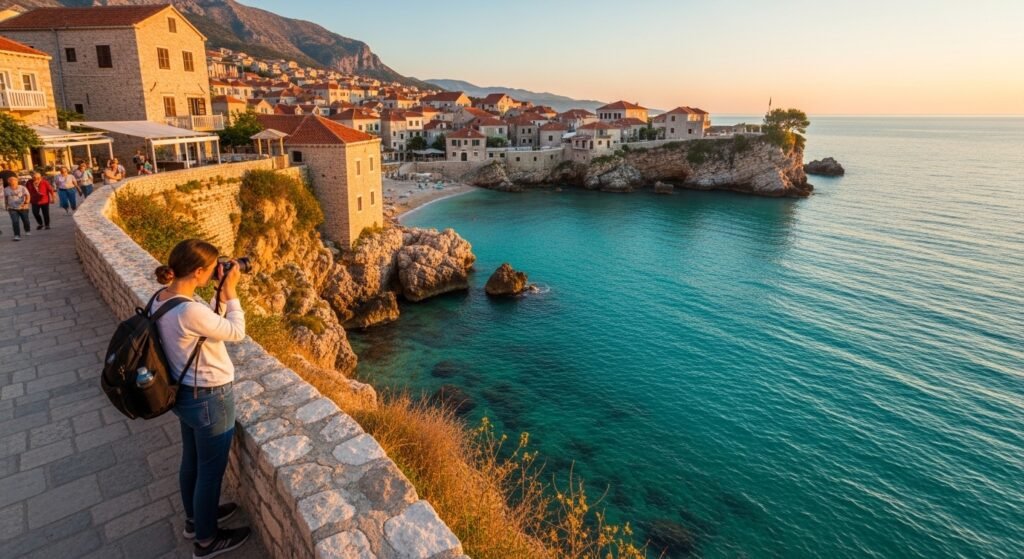
Gen Z prefers “destination dupes” because they enable travel to less popular destinations which do not require visiting expensive tourist attractions found in Paris or Santorini. These destinations allow visitors to experience the same atmosphere as popular locations but they do not receive as many visitors because they are less known. People should choose Albania instead of the Amalfi Coast
The “Digital Nomad” Integration

Remote work has made it difficult to identify when people engage in work and when they take time off from their jobs. Gen Z workers use “workations” to travel to locations like Bali and Mexico City for a month while working during the daytime and discovering the area during the nighttime.
Authenticity Over Aesthetics
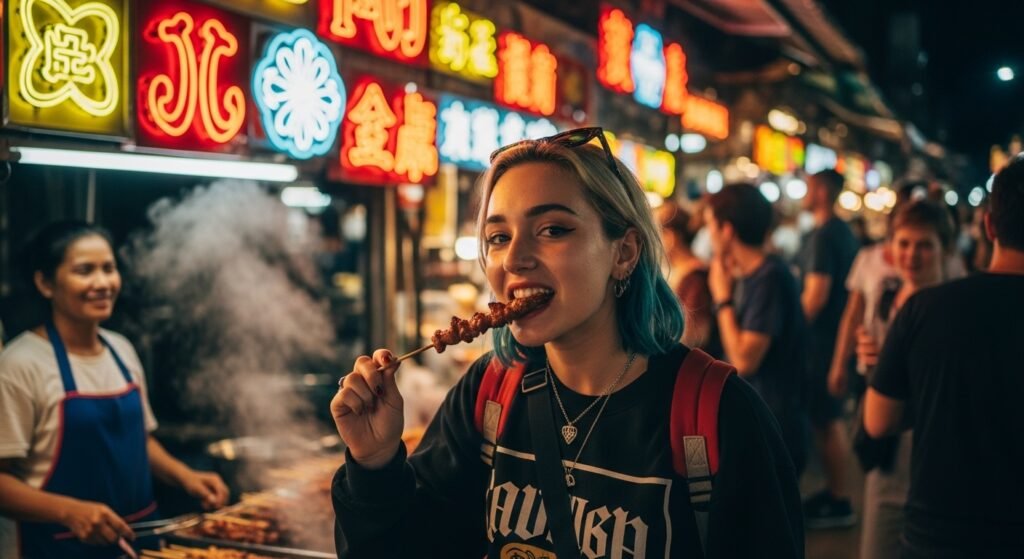
The generation uses photography today but they have started to reject artificial locations which people create for Instagram sharing. Gen Z wants to experience real life through unfiltered street food and local markets and neighborhoods which visitors have not yet disturbed. They typically stay away from locations which present themselves as complete tourist attractions because those places do not appeal to them.
Culture-First Itineraries

Travel serves as an educational method. The present generation values experiences that demonstrate social problems and local cultural heritage and traditional craft techniques. They want to return home with a fresh understanding of the world not just physical things.
The Power of “TikTok Discovery”
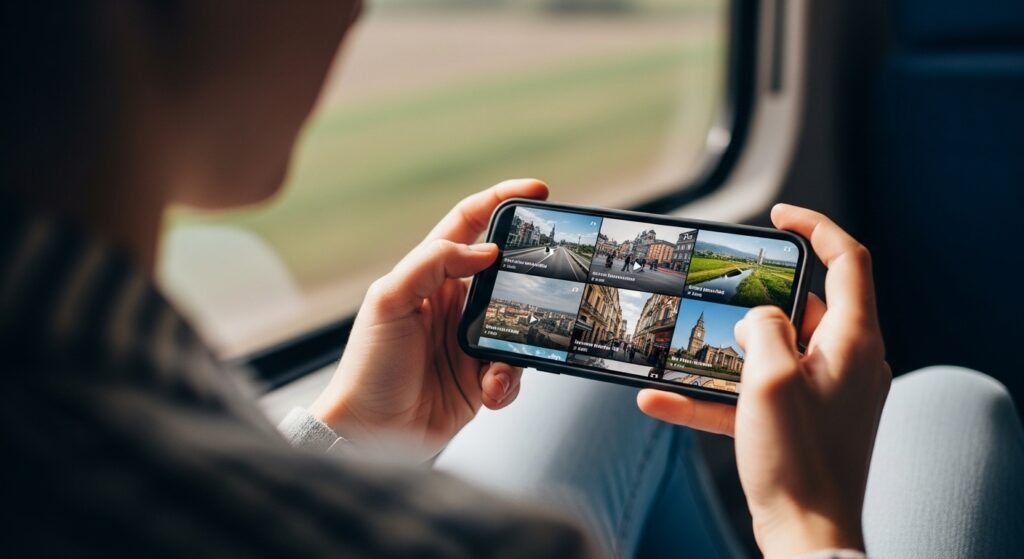
People now use short videos instead of traditional travel agents and brochures to plan their trips. Generation Z makes their travel decisions based on 15-second video segments which show them specific Italian pasta dishes and South Korean hiking paths because they trust what their friends recommend over what companies advertise.
Budget-Savvy Luxury

The generation Z group possesses exceptional ability to travel. They choose to stay at a cheap hostel for four nights because they want to save money which will enable them to book one night at a high-class hotel. The people want to spend their money on unique activities which include hot air balloon rides instead of paying for expensive hotel accommodations.
The “Set-Jetting” Trend
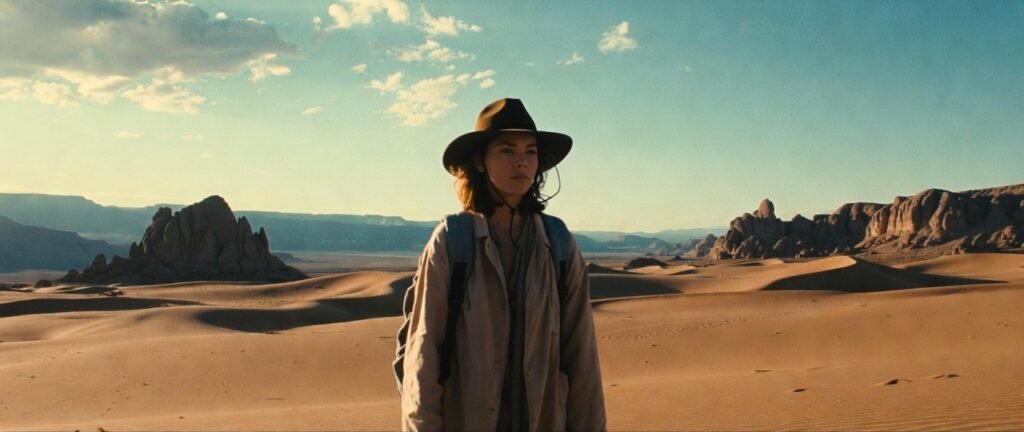
Numerous Gen Z travelers choose their vacation spots based on the filming locations of their preferred television shows and movies. The people use “set-jetting” to visit real places which show them the spectacular views of a fantasy story with its deserts and the opulent homes which appeared in a hit series.
Off-Season Exploration
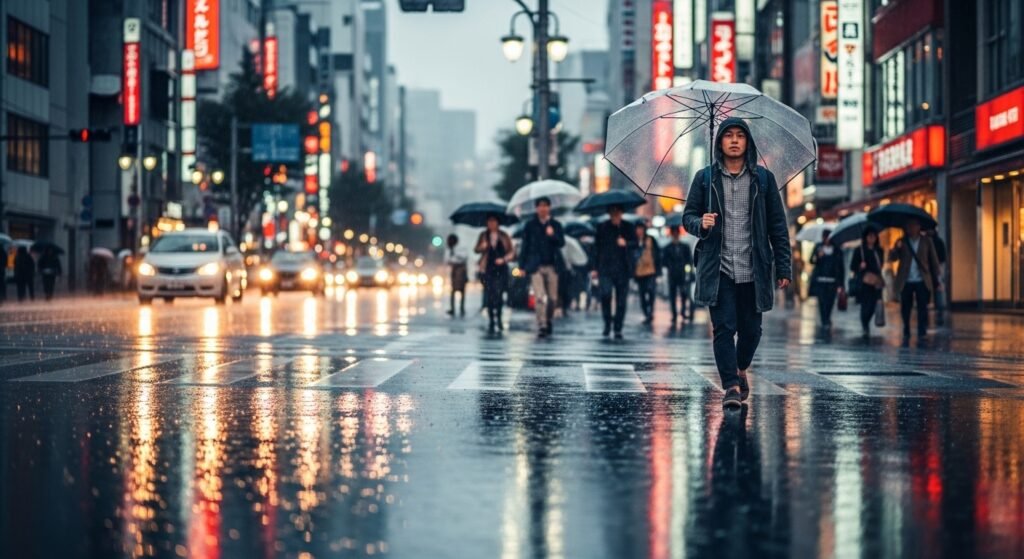
The shoulder season travel time enables Gen Z to travel while they experience fewer crowds and reduced travel costs. The people would rather experience the rainy weather in Tokyo during November than the hot and crowded conditions of Tokyo in July because they prefer to have a peaceful environment instead of ideal weather conditions.