 Isabella Miller
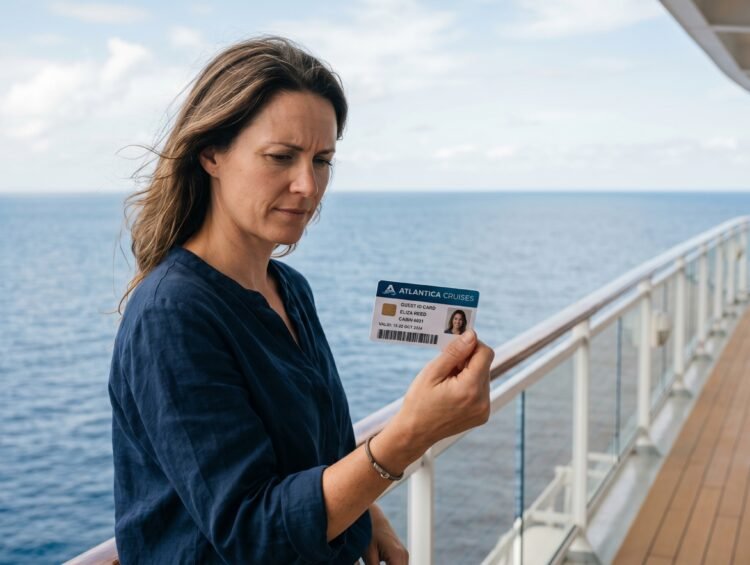
 You need to manage your cruise card properly because it determines whether you will enjoy a peaceful vacation or face unexpected charges on your last day. Your card functions as your key to the room and your payment method and your identification in modern ships through the SeaPass or Medallion system. The convenience of the system leads many travelers to treat it as “play money” until they experience common financial issues that knowledgeable cruisers can handle better.
The “Hold” on Your Bank Account

When you link a debit card to your cruise account, the cruise line places a daily “hold” on your funds to ensure you can pay your bill. Your actual cash becomes frozen through this process which prevents you from using your card until the hold period ends days later.
The Hidden Gratuity Trap

The majority of people buy drinks with their cards and give big tips because they believe that tips should only be given when they show up on the receipt. The majority of cruise lines implement an automatic 18% to 20% service charge on all transactions which customers need to pay through their credit cards. The fine print reveals information that skilled travelers use to prevent double tipping on their soda or cocktail purchases.
The “Walk-Off” Security Risk

People make a big mistake when they leave their cruise card on a pool lounger while they go swimming. Anyone who finds the card can buy items at the gift shop or bar because it does not require a PIN for transactions. You need to protect your card with the same security measures that you would apply to your main credit card.
Not Checking the App Daily

Fun activities make it difficult for people to monitor their spending. The digital portal on most ships allows passengers to access their current balance information. Daily account checking helps you avoid “bill shock” on the final day because it helps you identify and rectify double charges and errors which the staff can fix at that time.
Linking the Wrong Cards

Make sure that your cards link to your personal accounts during check-in if you are traveling with friends. The most common real-life horror stories show how one roommate ends up paying for the expensive spa treatments and specialty dinners which their roommate ordered because they mistakenly shared their accounts.
The Arcade and Teen Club Limit

Parents who give their children a cruise card will automatically give their children access to “charging privileges” which comes as standard. Children can swipe their card multiple times at the arcade without recognizing that they are using real money for their actions. Parents should visit the guest services desk on the first day to create a daily spending limit which they will enforce throughout the cruise.
Using it as a “Last Call” Tool

People forget that their card remains active until they leave the ship on the last night. The airport will experience delays when you make big “last-minute” duty-free purchases because your transaction will need time to process before it becomes available for checkout.
The Room Key Confusion

Cruisers have a habit of storing their cruise card in the same location as their smartphone. The magnets in modern phones can sometimes demagnetize the card, leaving you locked out of your cabin. A lanyard or a separate cardholder will help you avoid the need to go to the reception desk for card access.
Forgetting the “Cash” Option

You don’t have to link a credit card. You can choose to be a “cash account” guest, where you deposit a set amount of physical money at the start of the trip. The card operates as a budgeting tool which stops functioning once your prepaid balance reaches zero.
The Port ID Requirement
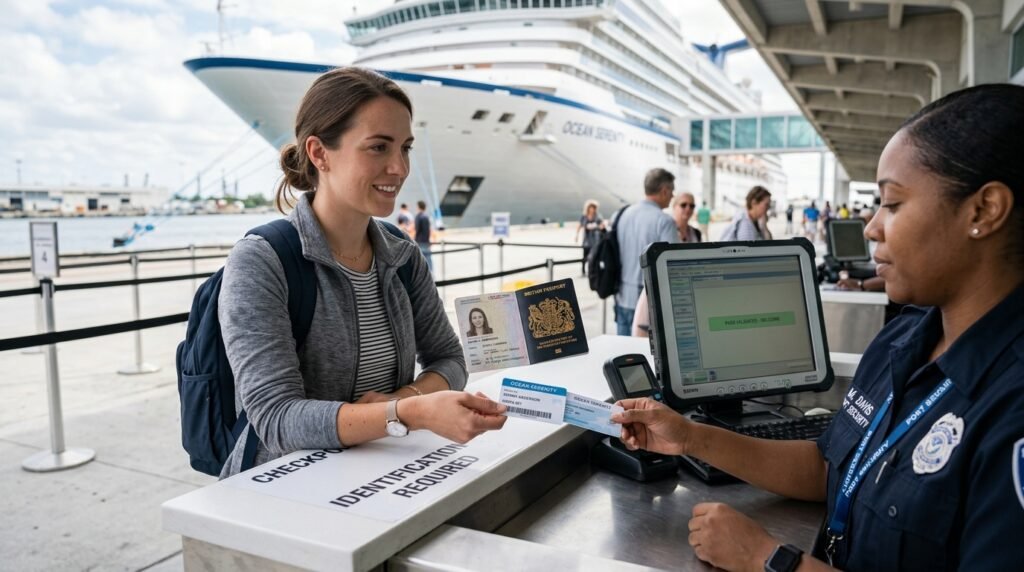
You need to present a photo ID in addition to your cruise card to enter the pier at many international ports. The daily newsletter contains essential information about whether you need to bring your passport or driver’s license with your cruise card when you leave the ship.