 Isabella Miller
 Food trends are strange. Things that made people gag in the 1950s are now appearing on tasting menus at restaurants charging $100 a plate. The shift happened gradually, and then all at once. Now, ordering some of these things feels completely normal. Here is what used to get pushed to the edge of the plate and now gets described as artisanal.
Chicken Wings
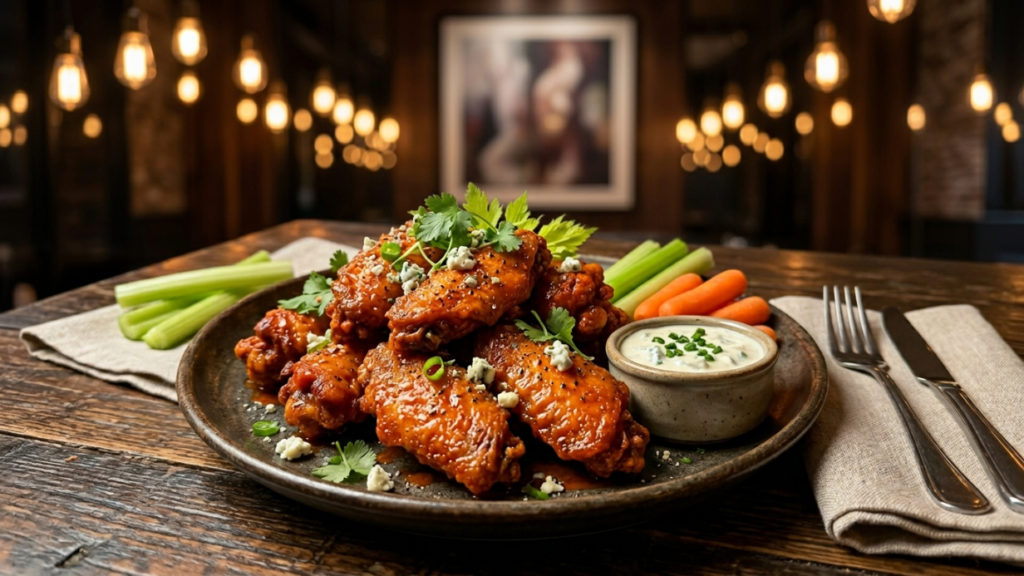
Thrown away or used for stock in the 1950s because nobody wanted them. Buffalo Wild Wings did not exist yet and the idea of paying good money for the scrappiest part of the bird would have seemed strange to anyone at the time.
Lobster
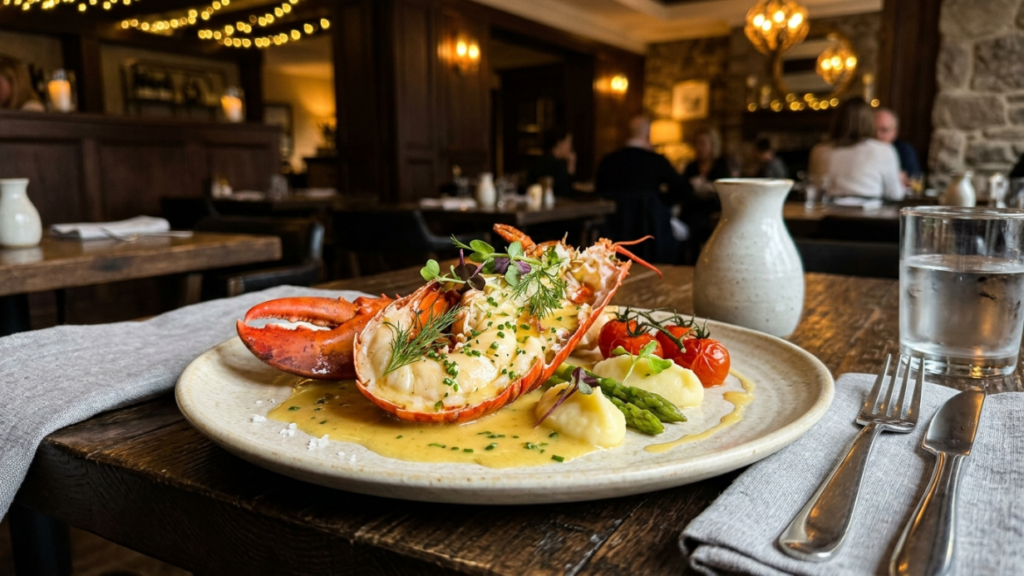
Hard to believe now, but lobster was considered poor people’s food for most of American history. Fed to prisoners, used as fertilizer, eaten only by people who had nothing better. The transformation into luxury seafood happened slowly and completely.
Oysters
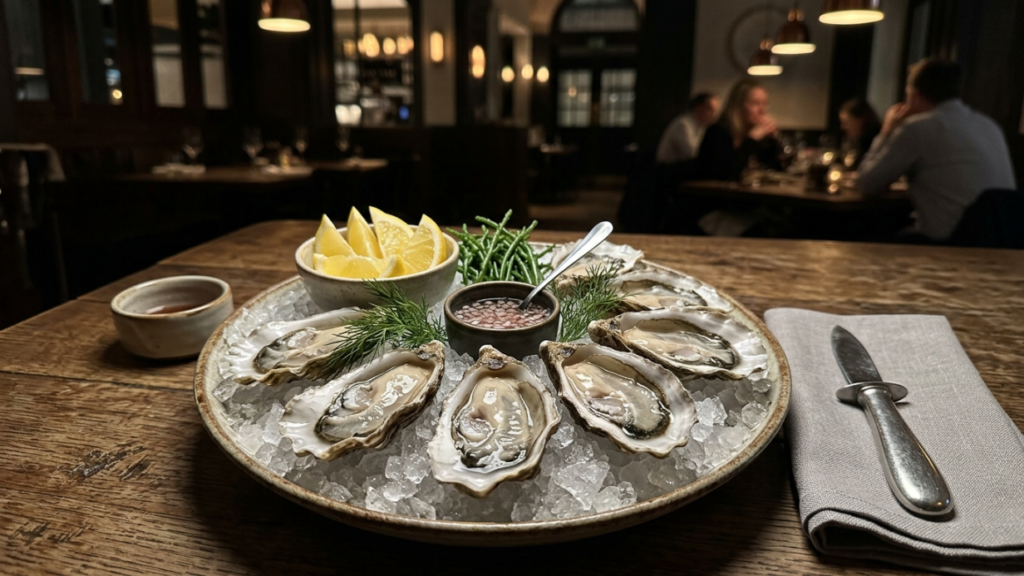
Raw shellfish eaten straight from the shell was not considered sophisticated in mid century American dining. Now an oyster happy hour at an upscale bar is a standard Friday evening activity in most major cities.
Kale
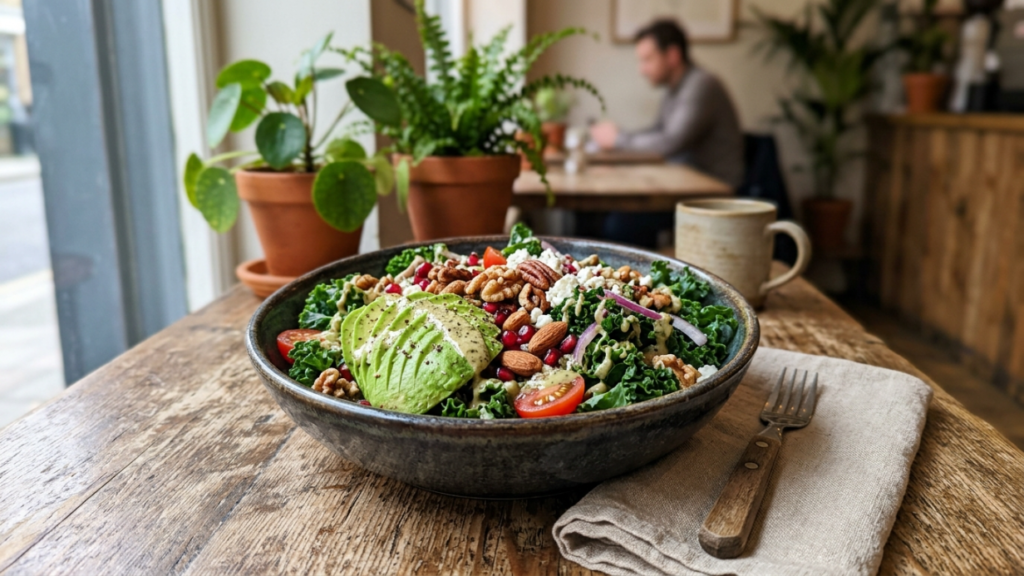
Spent decades as a garnish nobody ate, sitting decoratively around salad bars. Now sold in every grocery store, pressed into juice, massaged into salads, and described as a superfood on menus that charge accordingly for it.
Pork Belly
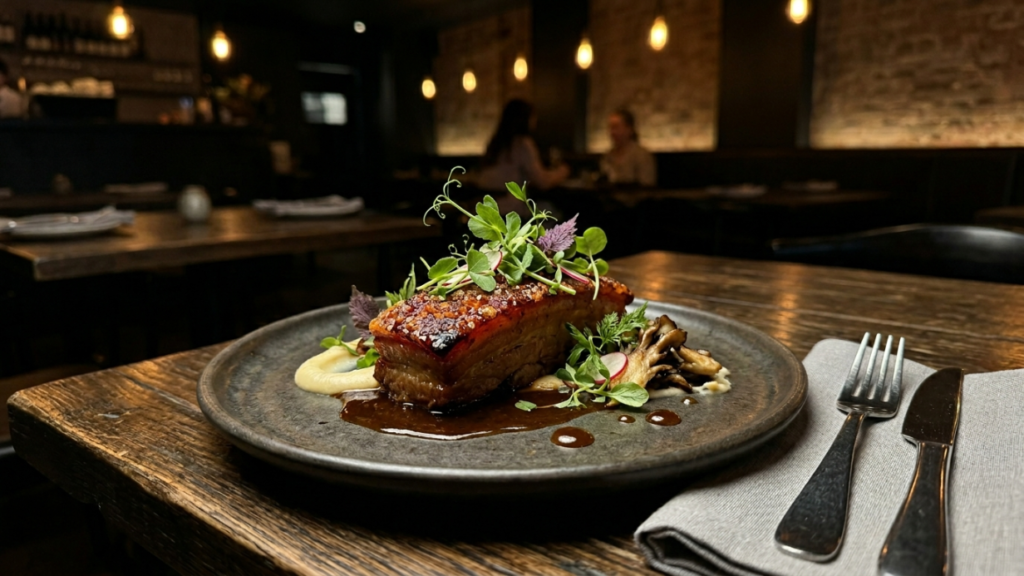
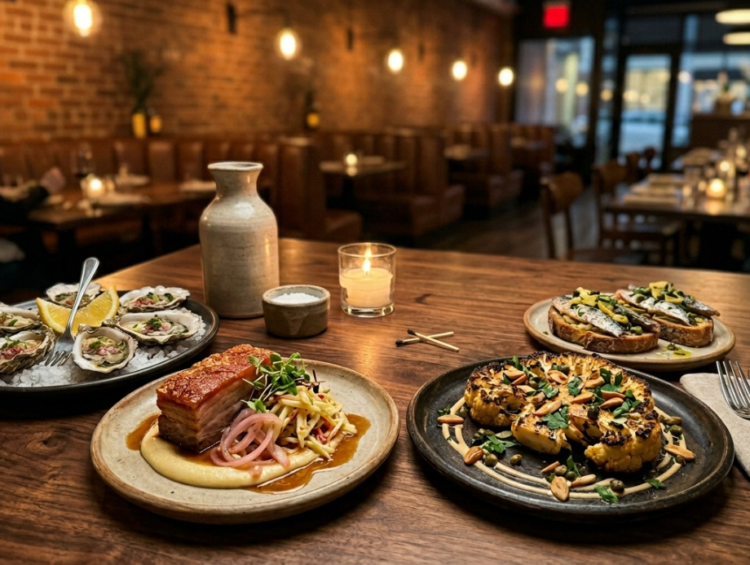
The fatty underside of the pig was cheap and unglamorous for most of the twentieth century. Now it appears braised, cured, and plated with microgreens at restaurants that have waiting lists.
Bone Broth
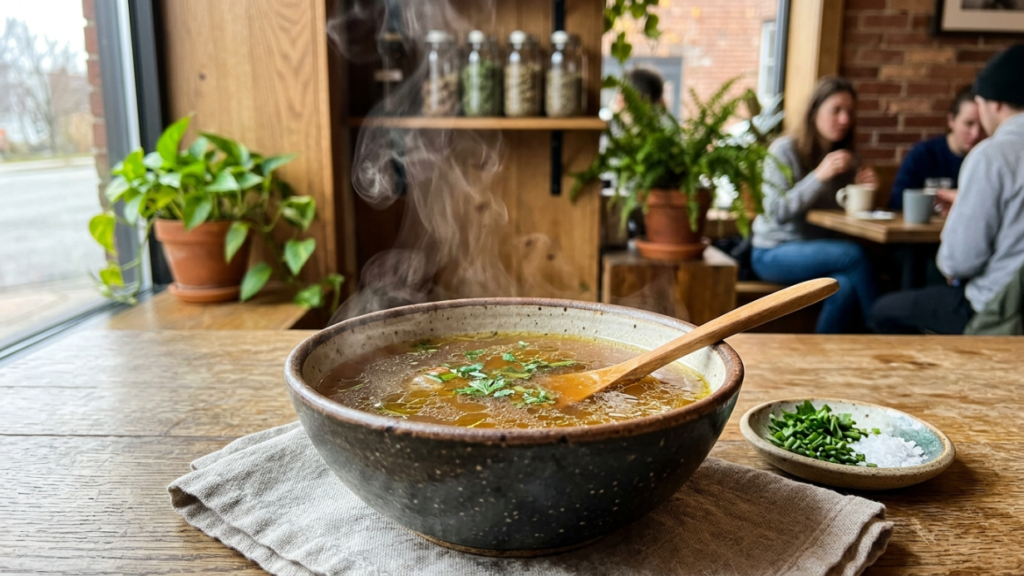
Boiling bones for soup was Depression era necessity. The same thing, rebranded as bone broth now sells for ten dollars a cup at wellness cafes and gets credited with remarkable health properties.
Offal and Organ Meats
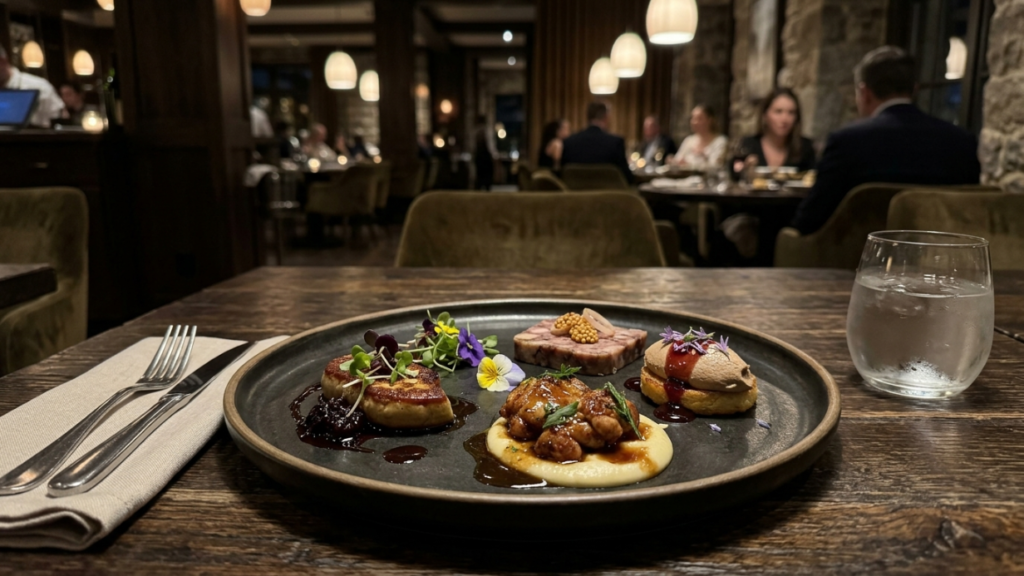
Liver, heart, kidney – eaten out of necessity by people who could not afford to waste any part of the animal. Now showing up as chef driven delicacies on tasting menus where the backstory is part of the selling point.
Avocado
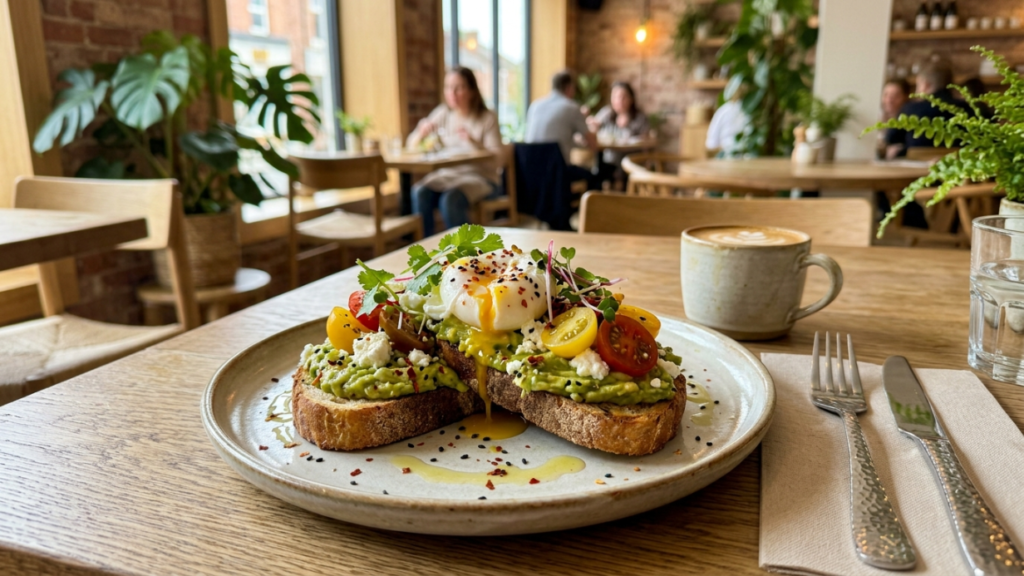
Barely present in mainstream American eating in the 1950s and considered strange and fatty when it did appear. Now the defining ingredient of an entire generation’s eating habits and a genuine economic indicator.
Kimchi and Fermented Foods
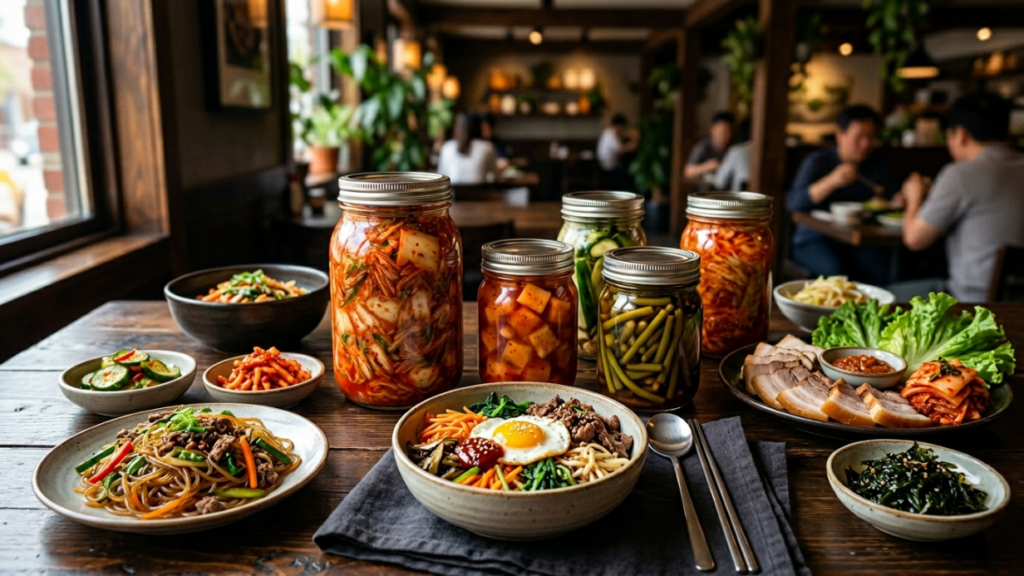
Fermented anything was considered off-putting by most mainstream American palates for decades. Now fermented foods have their own section at grocery stores and dedicated mentions on upscale restaurant menus.
Squid
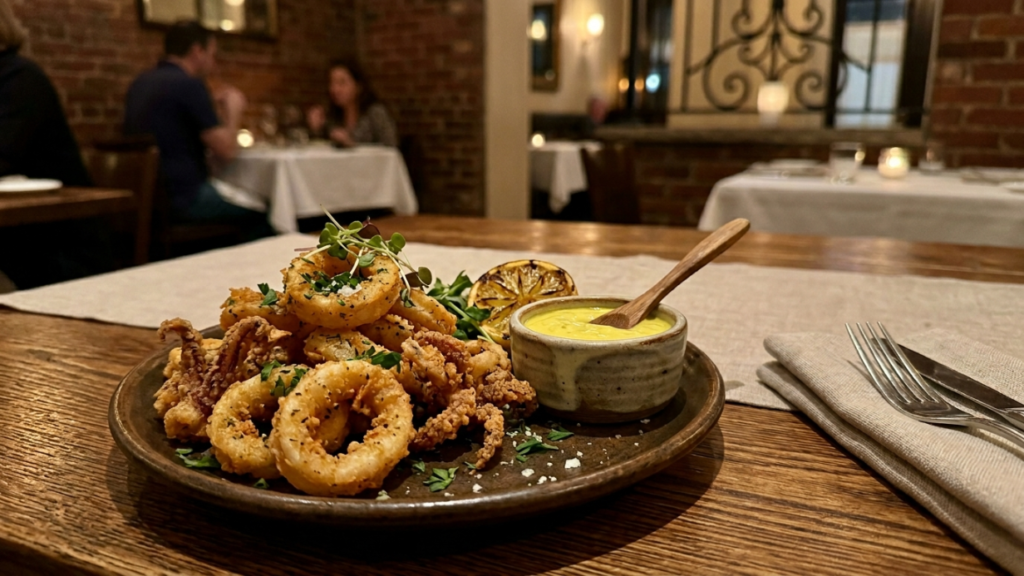
Calamari was considered bait in most of America well into the twentieth century. Now it is one of the most ordered appetizers at Italian restaurants nationwide without anyone finding that remarkable.
Cauliflower
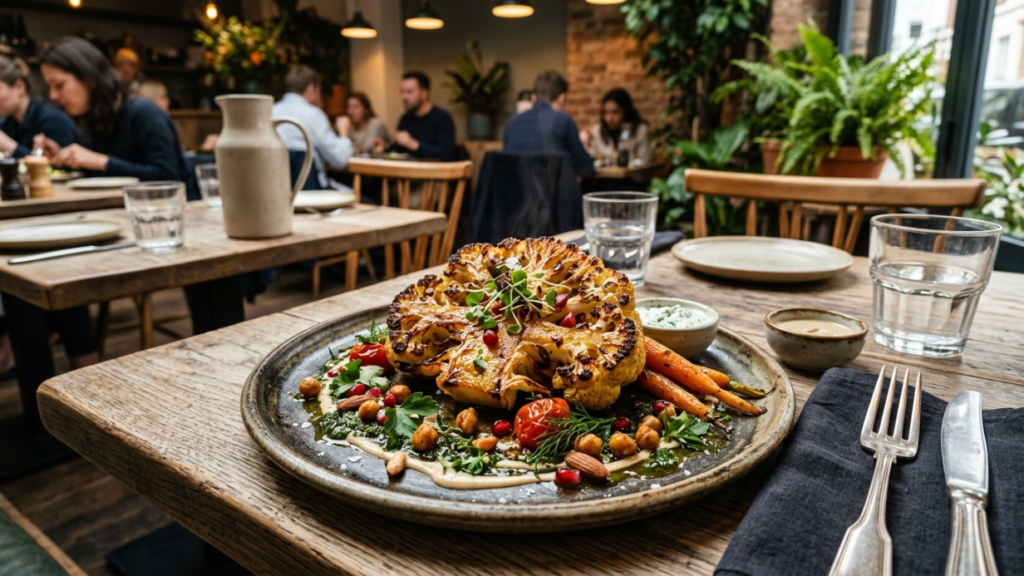
Boiled into submission and served as a sad side dish for decades. Now roasted whole, turned into rice, pressed into pizza crust, and featured as the main event on vegetarian tasting menus.
Sardines
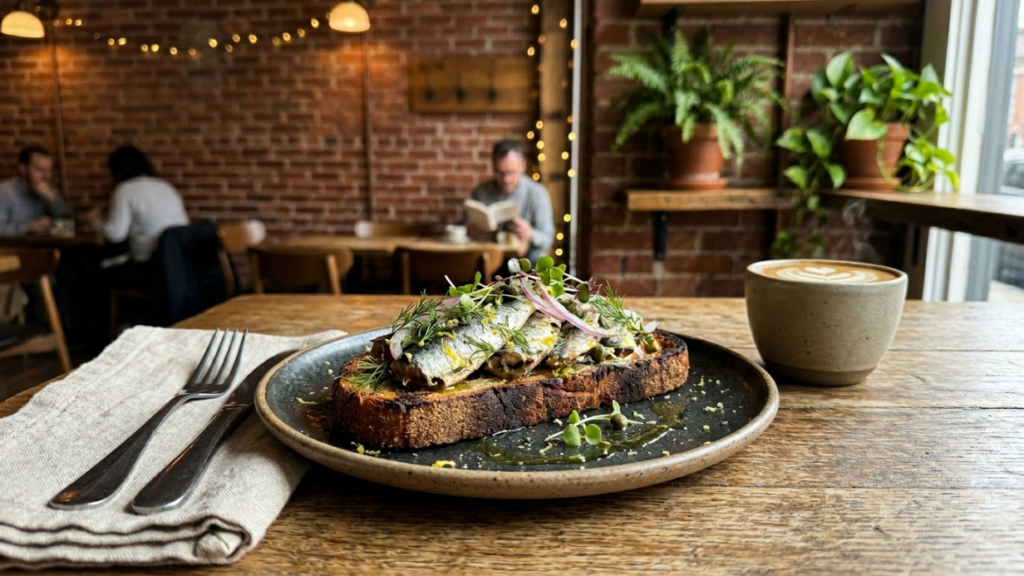
Canned sardines were survival food associated with poverty and strong smells. Now tinned fish has its own category at specialty food shops and sardines on toast appears on brunch menus at places with exposed brick walls.