 Sophia Davis
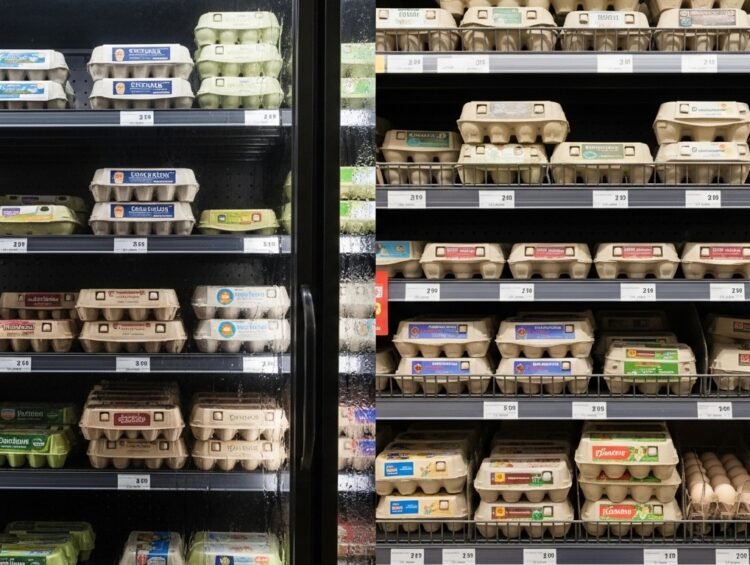
 Egg storage methods used in the United States differ from those used in Europe because both countries developed different strategies to eliminate the Salmonella bacteria problem. The two regions implemented their food safety protection systems because their agricultural practices and legal food safety standards created different kitchen cooking methods.
The Power Washing Process
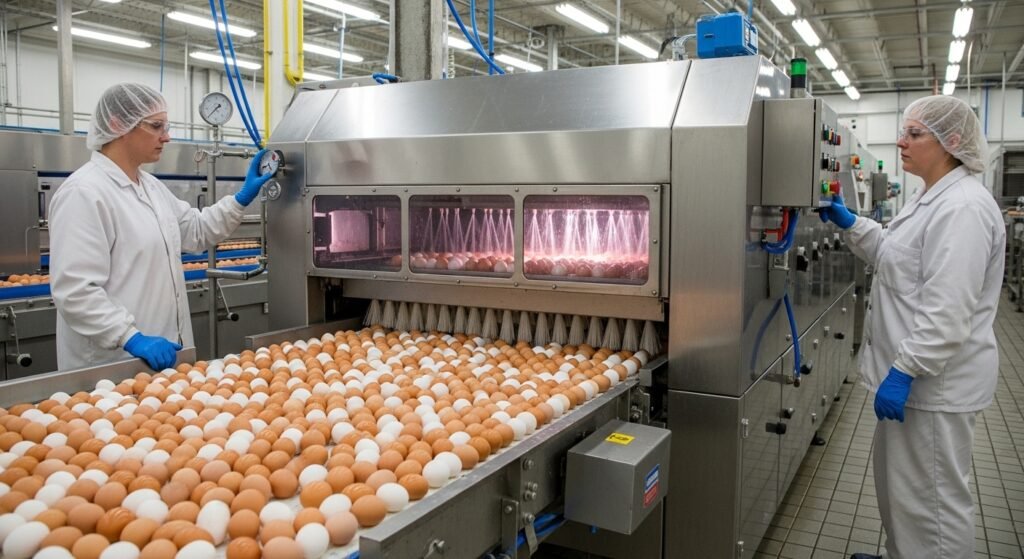
Power washing with hot water and soap is mandatory for commercial egg producers in the United States because the Department of Agriculture enforces this requirement. The process removes all exterior contaminants from the egg shell by cleaning its surface to eliminate dirt and feathers and bacteria that remain there after the egg has been laid.
The Loss of the Natural Coating
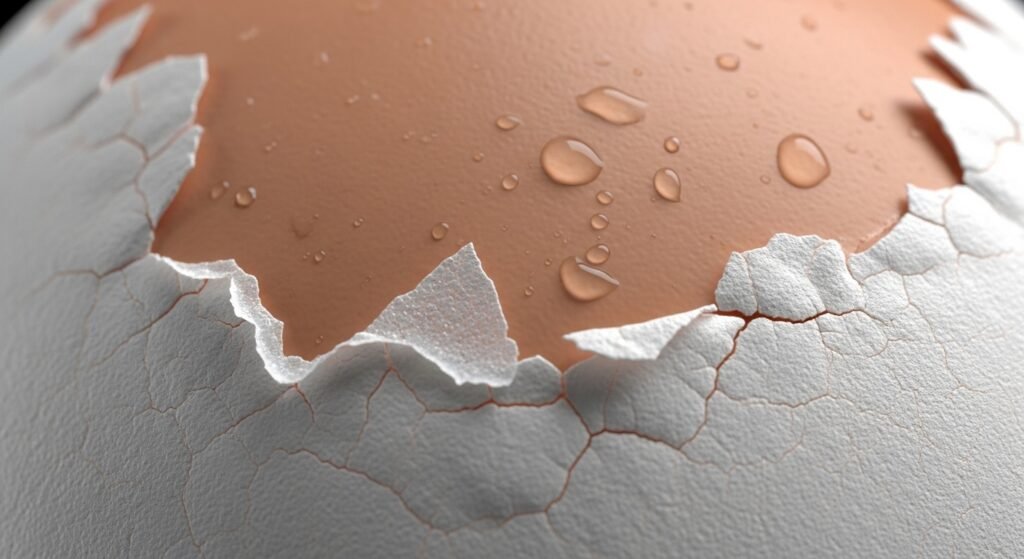
The cuticle is an extremely fine natural cover which all eggs receive at their moment of laying. This coating functions as a biological barrier which maintains internal moisture while blocking bacteria from entering the egg through its shell’s microscopic holes. The American washing procedure removes all protective elements from the shell.
Pore Vulnerability
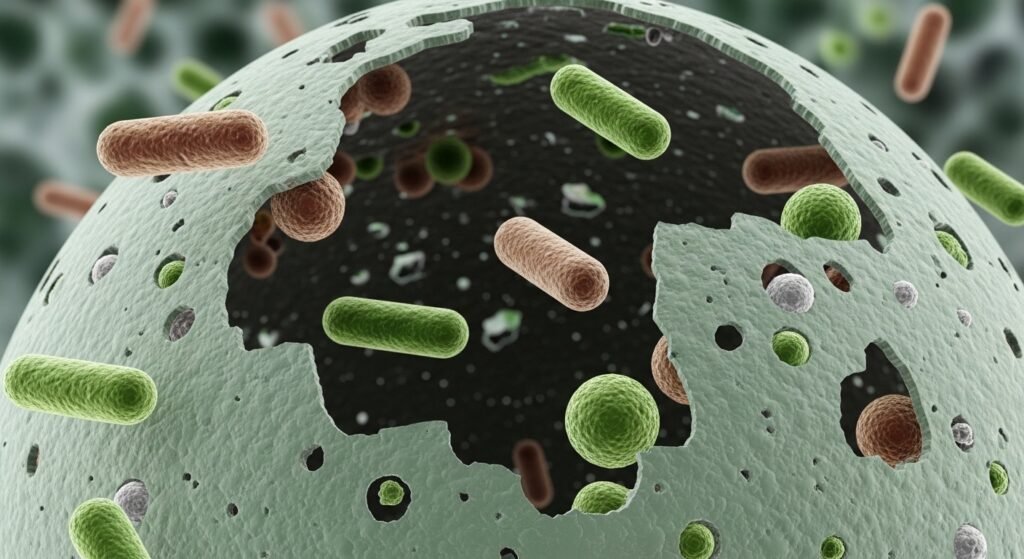
The eggshell gains increased porosity after the cuticle gets removed from its surface. American eggs lose their natural protection which allows germs from the environment to enter the egg. Egg refrigeration functions as a protective measure which prevents contaminants from entering through the shell.
Preventing Condensation
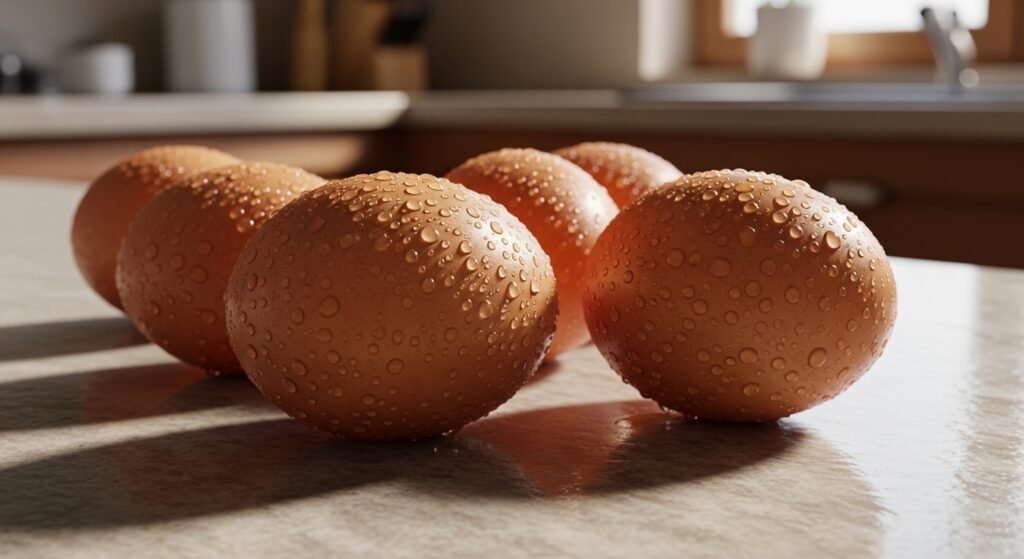
The golden rule of egg safety is that once an egg is chilled – it must stay chilled, cold eggs start to sweat when they enter warm spaces, and this moisture on the shell can pull bacteria through the pores into the egg, which is why U.S. grocery stores must maintain a cold chain from the farm to your fridge.
The Vaccination Strategy
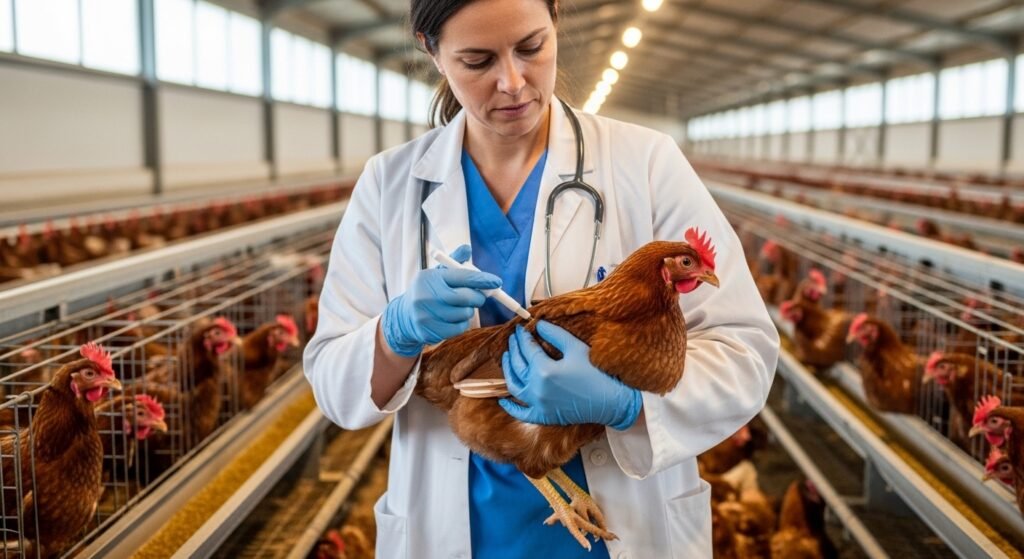
Countries in Europe operate under a source prevention policy which the United Kingdom and most European nations follow. The hens require assessment instead of proceeding with egg cleaning. The European vaccination law mandates all commercial flocks to receive Salmonella shots, which decreases the probability that the bacteria will contaminate eggs.
Keeping the Cuticle Intact

European eggs maintain their original cuticle protection because they have not undergone any washing treatment , the protective layer remains fully intact, which allows the eggs to stay fresh at room temperature by blocking bacteria from entering the eggs.
Different Farm Standards
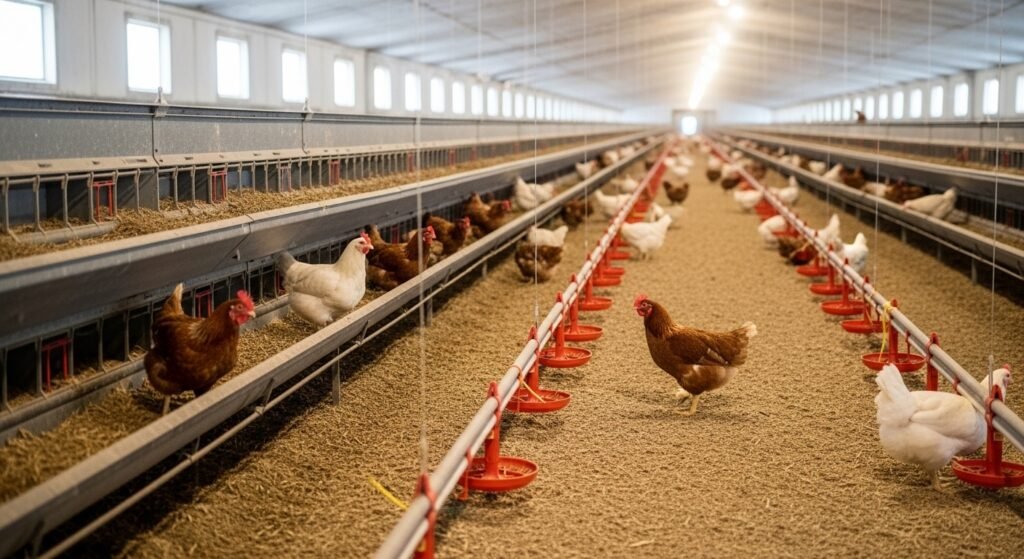
European regulations require all farms to create hygienic conditions and practice environmental protection in order to produce uncontaminated eggs. The United States system mandates multiple hygienic procedures in order to produce commercial eggs which achieve clean standards through a final advanced washing process. Both methods are effective at keeping people healthy, but they result in different storage needs for the consumer.
Grocery Store Layouts
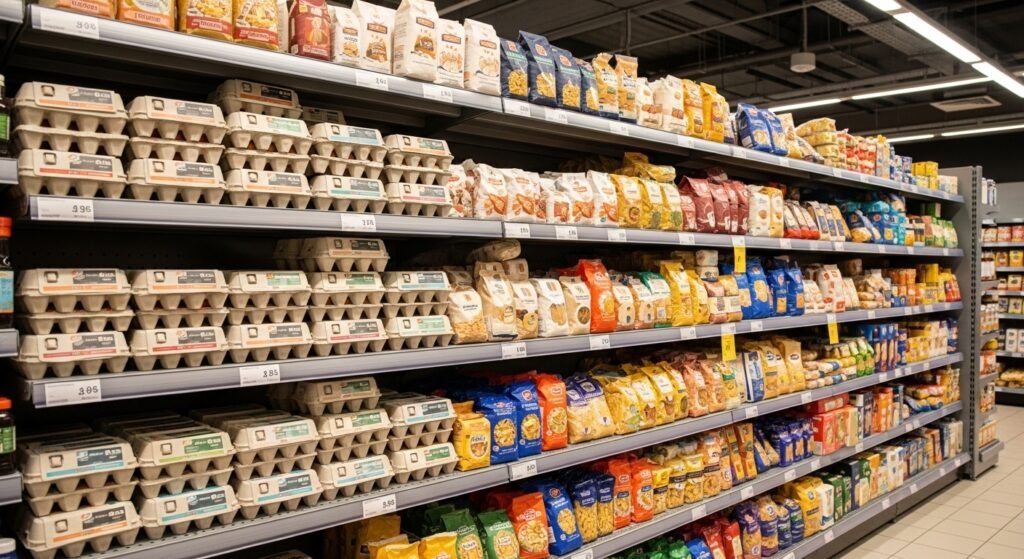
French and German supermarkets display eggs on standard shelves, where customers find them next to flour and pasta products. The eggs remain free from condensation risk because their natural protection keeps them stable without refrigeration until several weeks later.
Consumer Habits and Taste

European chefs prefer to use room-temperature eggs because this temperature produces better baking results and fluffier omelets, Americans consider eggs to belong in the dairy section, which makes them uncomfortable about leaving eggs outside their designated area.