 Sophia Davis
 The scientists discovered that Ginkgo biloba exhibits characteristics of a biological miracle which enables it to achieve infinite lifespan. The ancient species does not possess internal mechanisms for aging which are typical of all living organisms which have a genetic life span. Researchers use the unique cellular structure of the organism to study how the living fossil organism violates established scientific principles of existence.
Negligible Senescence
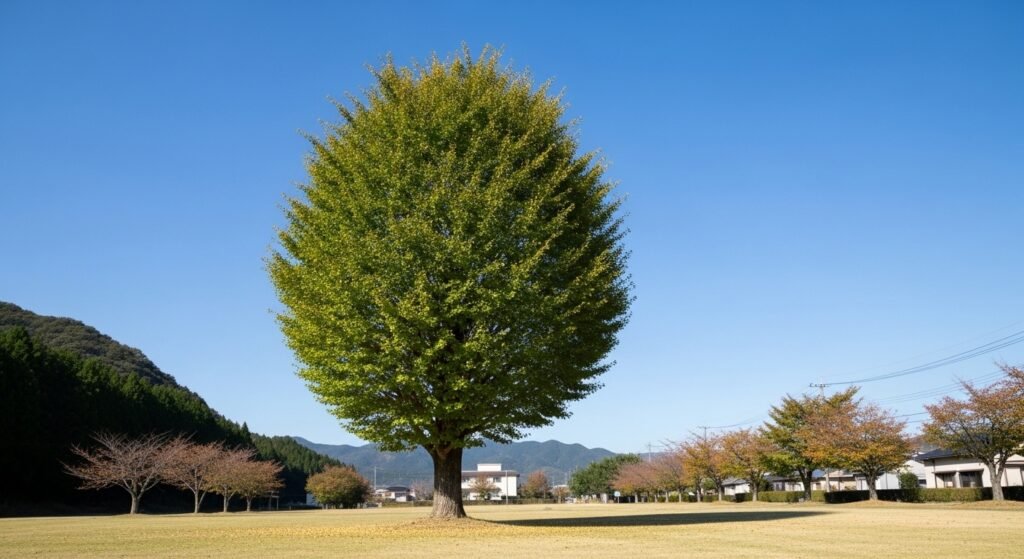
Ginkgo biloba maintains its full health throughout its entire lifespan because it lacks the human and animal health decline which comes with aging. The scientists discovered that a tree aged 1,000 years maintains the same health and productivity level as a tree which is 20 years old. The tree possesses negligible senescence which prevents it from experiencing age-related deterioration.
Infinite Growth Potential
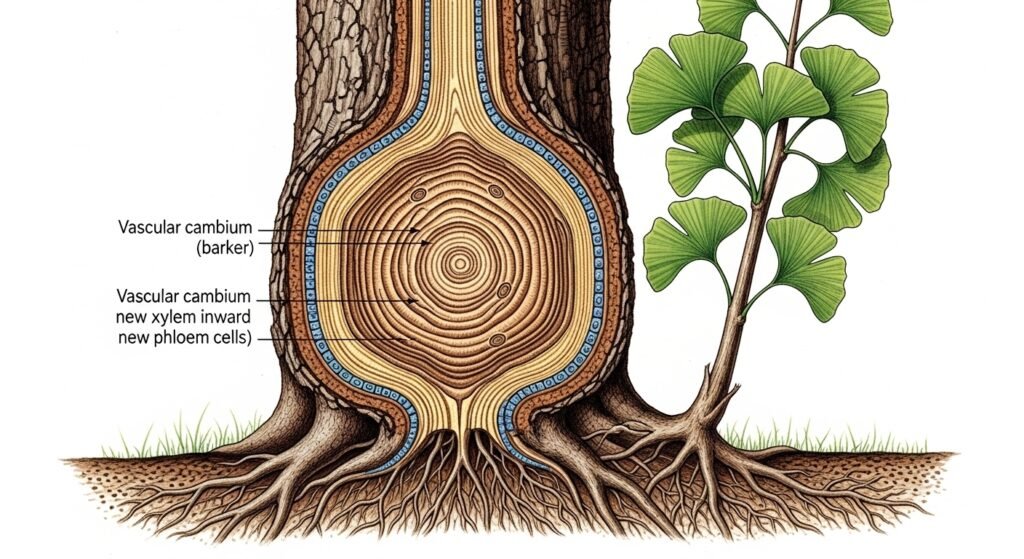
The tree maintains its growth process throughout its entire existence as it produces new cells at an unchanging rate. The vascular cambium which produces new wood and bark continues to function as a youthful layer despite passing through multiple hundred years. The structure of the tree enables it to maintain its structural integrity while it moves nutrients through its system.
A Robust Immune System
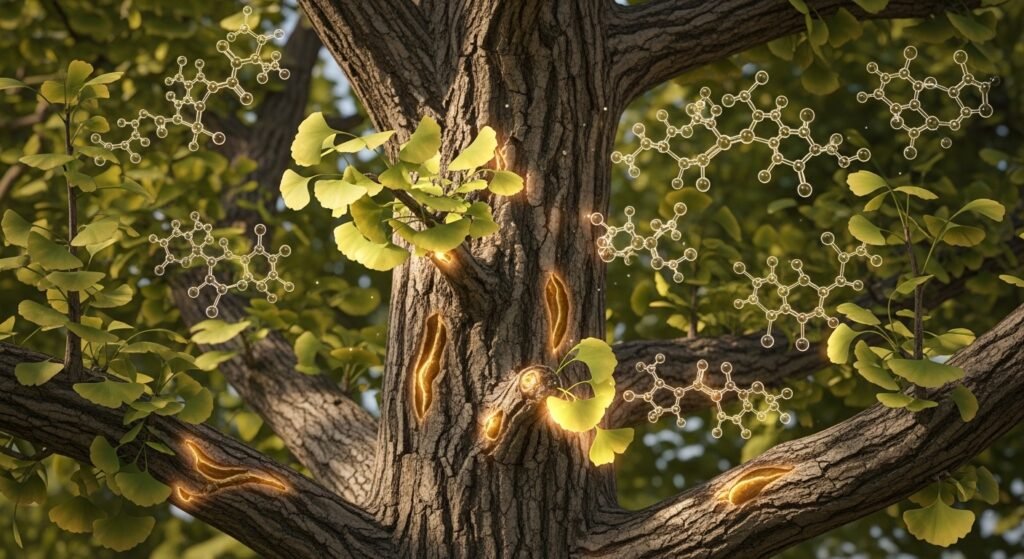
The tree contains special chemicals named flavonoids and terpenoids which create a permanent defense system against all external threats. The substances protect the tree from viruses and bacteria and fungi which usually kill plants that have reached advanced age. The tree maintains its immune battle capability because its system operates continuously without fatigue for thousands of years.
Resistance to Pests
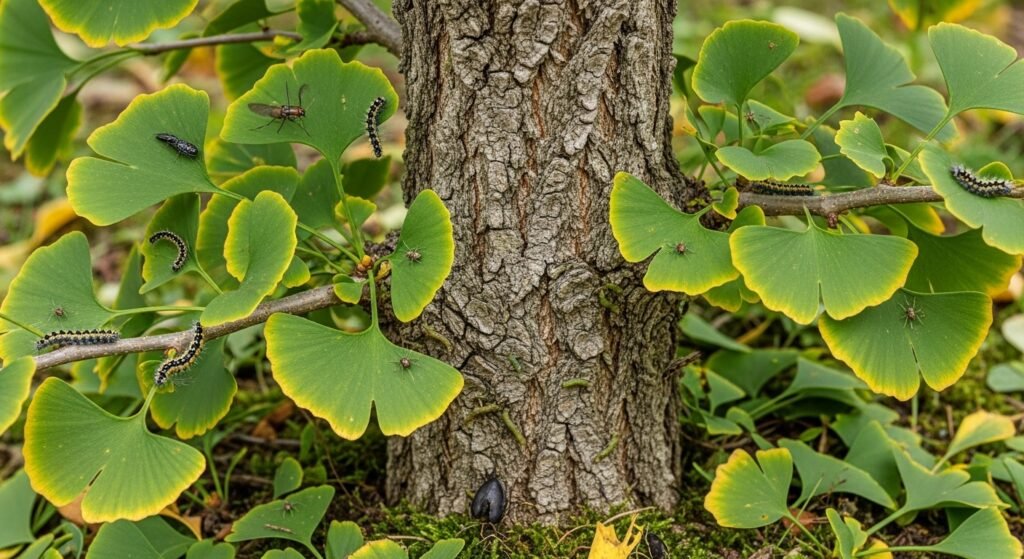
Ginkgo trees have developed natural toxins which protect them from wood-boring insects that attack most tree species. The tree develops natural pesticides which it distributes through its leaves and bark and roots to make itself unappealing to insects. The tree stops insect damage because it prevents the decay which usually results in plant death.
Stability in the Face of Stress
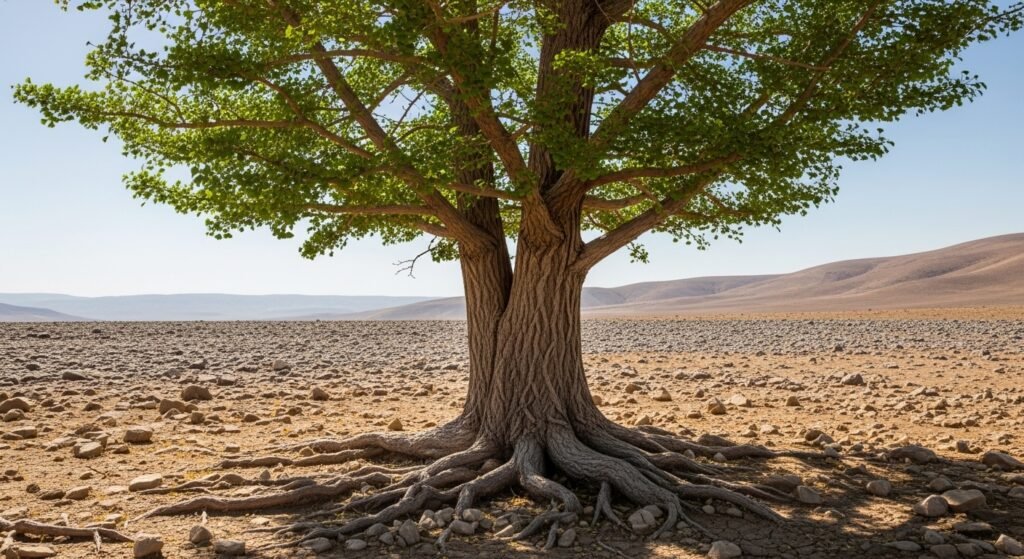
The tree’s genetic material remains intact and operational under both severe drought conditions and suboptimal soil environments. The organism developed a capacity to suspend its metabolic activities as a strategy to endure extremely challenging conditions. The species can endure climatic changes which eliminate other species from its environment.
Antioxidant Powerhouses
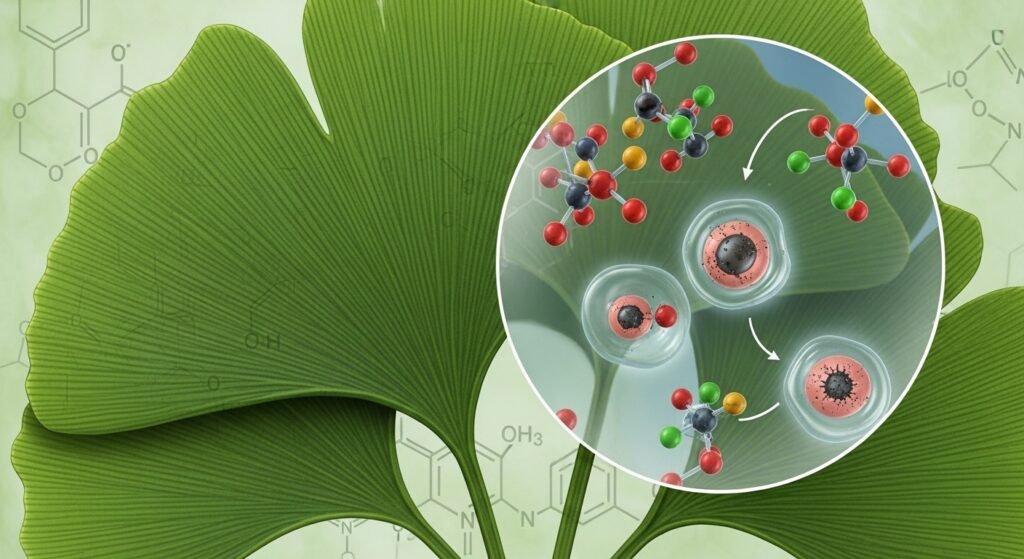
The tree leaves contain substantial amounts of antioxidants which protect cells from damage throughout their entire lifespan. The compounds act as molecular shields which defend the tree from harmful molecules that would otherwise destroy its DNA. The tree maintains its genetic structure throughout the ages because it perpetually conducts internal repair work.
Healthy Seeds at Any Age
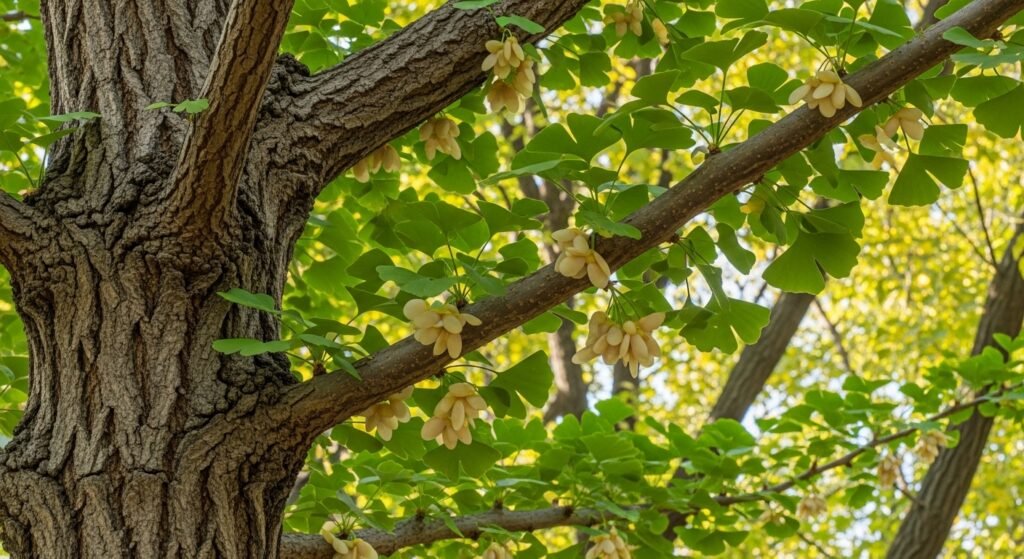
Old Ginkgo trees retain their ability to reproduce which establishes them as non-aging organisms according to traditional aging indicators. The tree maintains its ability to produce seeds which will sprout at the same rate as younger trees throughout its three hundred years of existence. The reproductive system of the organism maintains biological youthfulness throughout its existence.
Climate Change Survival
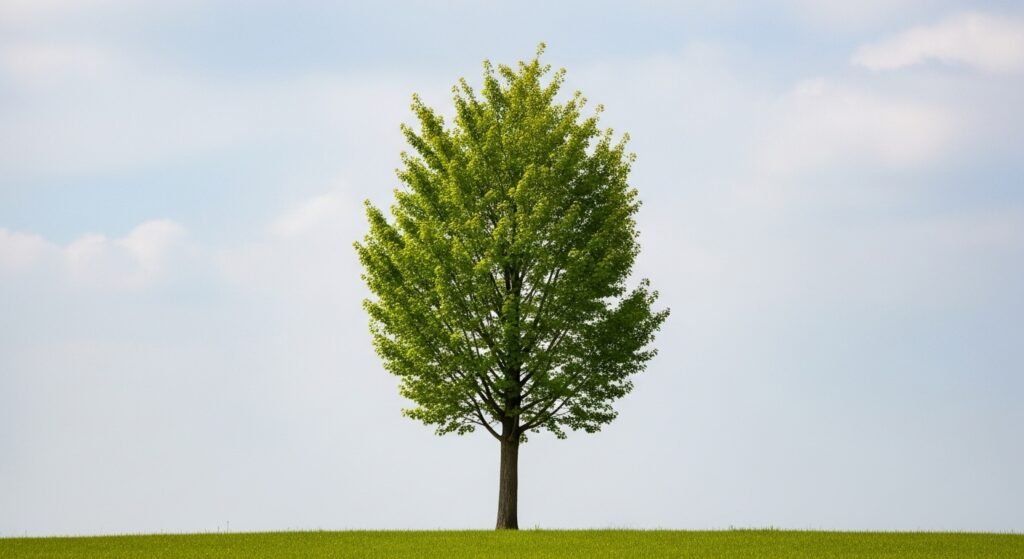
The Ginkgo has successfully lived through two massive extinction periods and three major atmospheric changes which took place during the past million years. The organism uses simple biological functions to sustain itself and it has no need for evolutionary changes to maintain its survival. The species has proven its ability to survive through multiple environmental changes which include both past and future changes.
Fire and Pollution Resistance
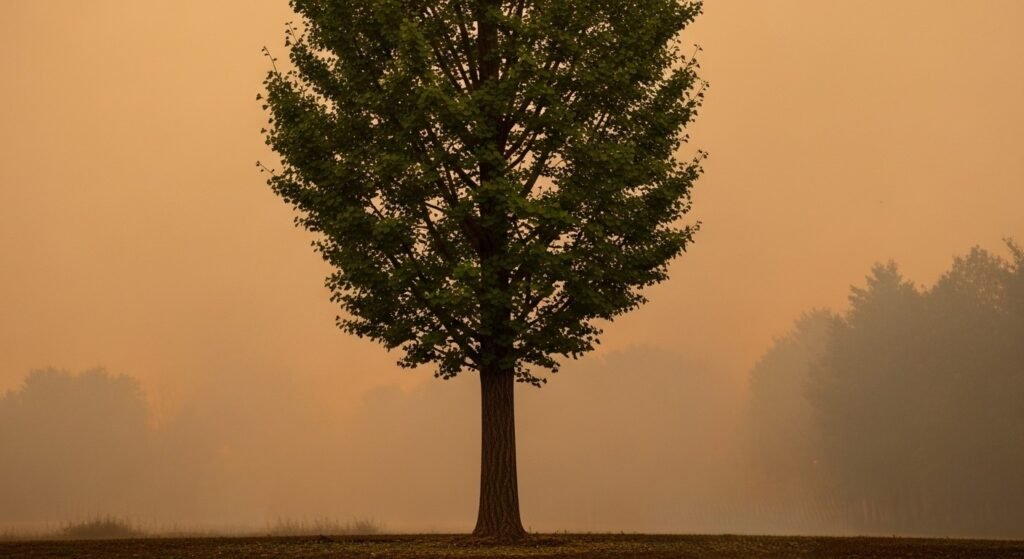
The trees in this area display extreme difficulty when people try to set them on fire while they successfully withstand all current city pollutant ]exposures. The trees use their thick bark and moisture-rich wood as a natural fire protection mechanism which lets them resist fire. The trees remain after urban disasters and forest fires because they have developed this ability to survive.
The Absence of a Death Gene
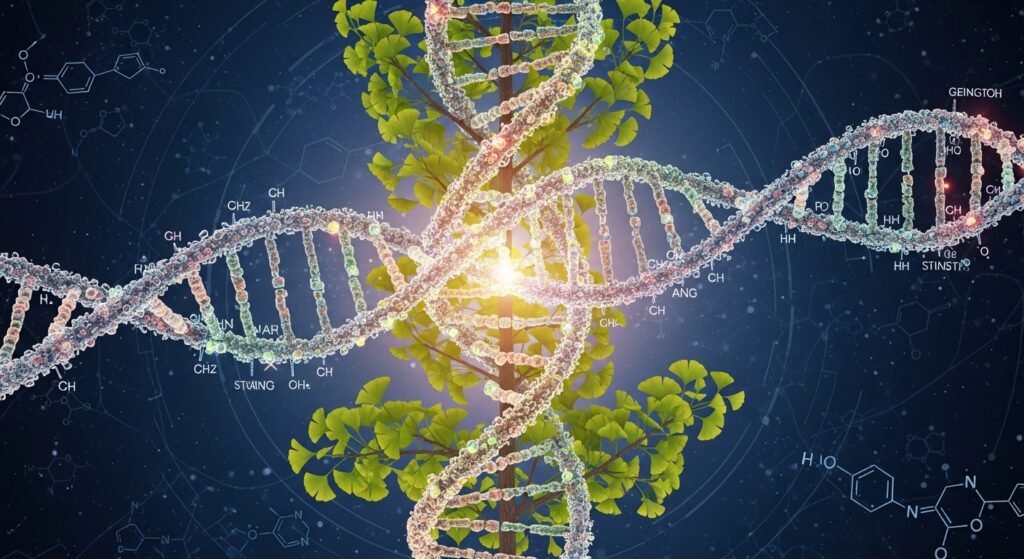
The researchers looked for genetic components which activate death functions in the Ginkgo but they found almost no specific aging genes. The tree genome uses its entire genetic code to achieve three primary processes which sustain life through survival and recovery and growth. The tree remains deathless until external events occur since it lacks a biological clock which counts down its lifespan.