 Sophia Davis
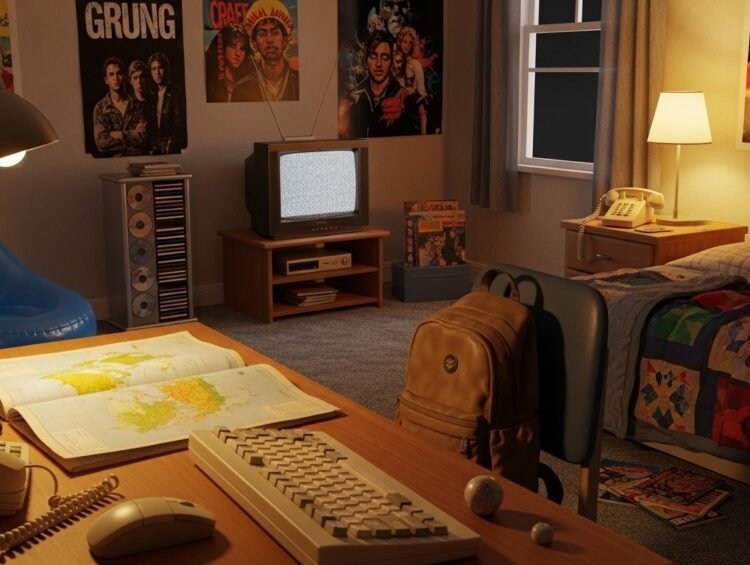
 Your childhood bedroom from your past exists in your current life because only one object exists there. People today need digital devices because they have abandoned all physical items which they used for both entertainment and organization. The past created experiences which people today will never experience because they lost the ability to use those historical items in their current existence.
The Towering CD Rack
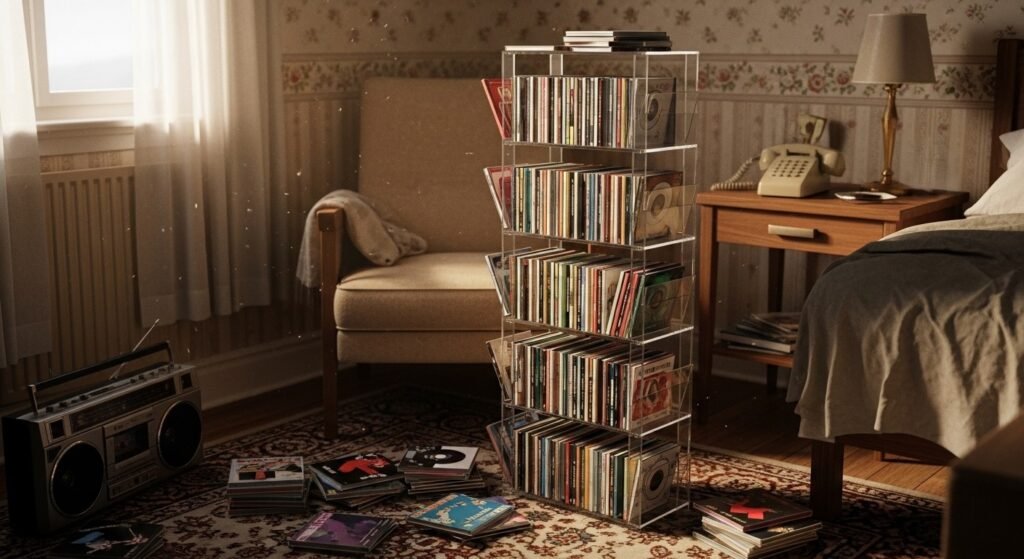
Your home contained all your music records which visitors could see because you displayed your entire music collection. The plastic towers stored jewel cases in straight lines which people used to search for their desired music album every day while people today use mobile applications to access their entire music collection because environmental regulations classify plastic cases as hazardous waste.
The Dedicated Alarm Clock
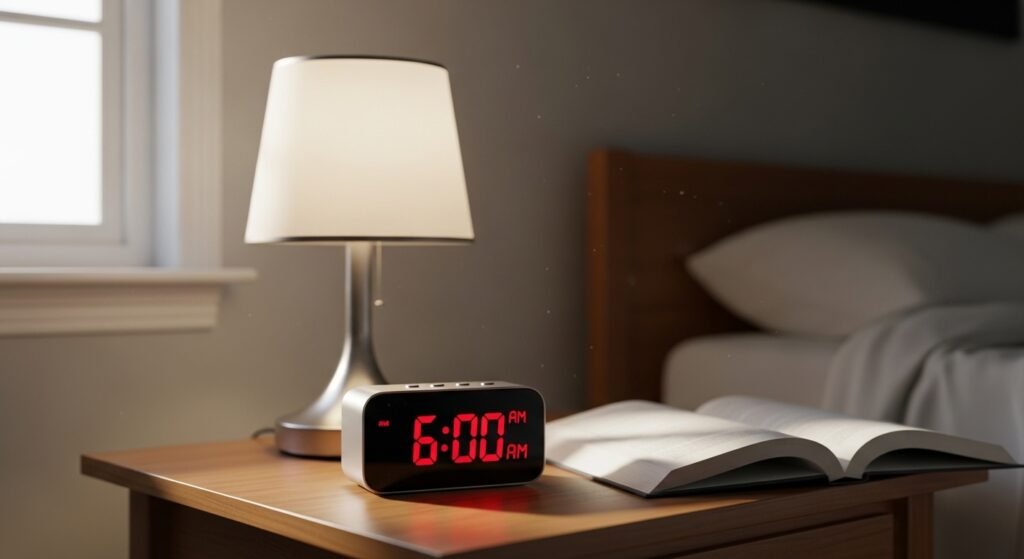
People used to use digital and analog alarm clocks for waking their body at specific times until mobile phones became available. The alarm clocks displayed red numbers which shone too brightly for users while the alarm sound functioned as a wake-up tool. People today use smartwatch and mobile phone soft vibration alerts as their main method for waking up.
The Tangled Landline Cord
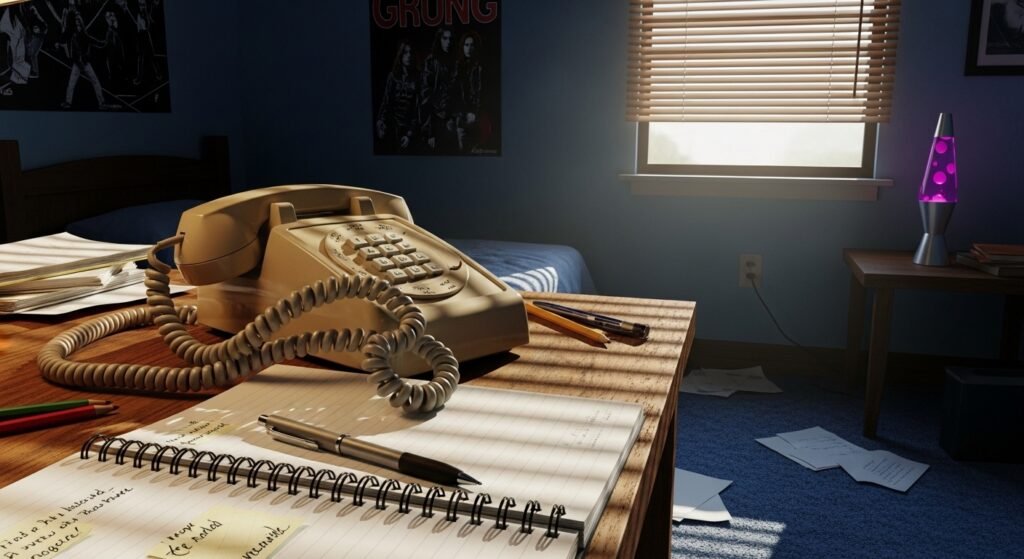
Having a phone in your own room was the ultimate sign of independence and maturity. The telephones came with long coiled cords which would transform into tight knots when users walked around their rooms during extended conversations. People today can talk in their bedrooms without wall socket connections because they can use wireless devices.
The Heavy CRT Television

A television used to take up space in bedrooms as an enormous box that weighed about the weight of a small stone. The television sets had curved glass screens which produced static that caused hair to rise when someone touched the screen. People now watch content on flat LED screens which function as both television sets and tablet devices.
The Inflatable Furniture
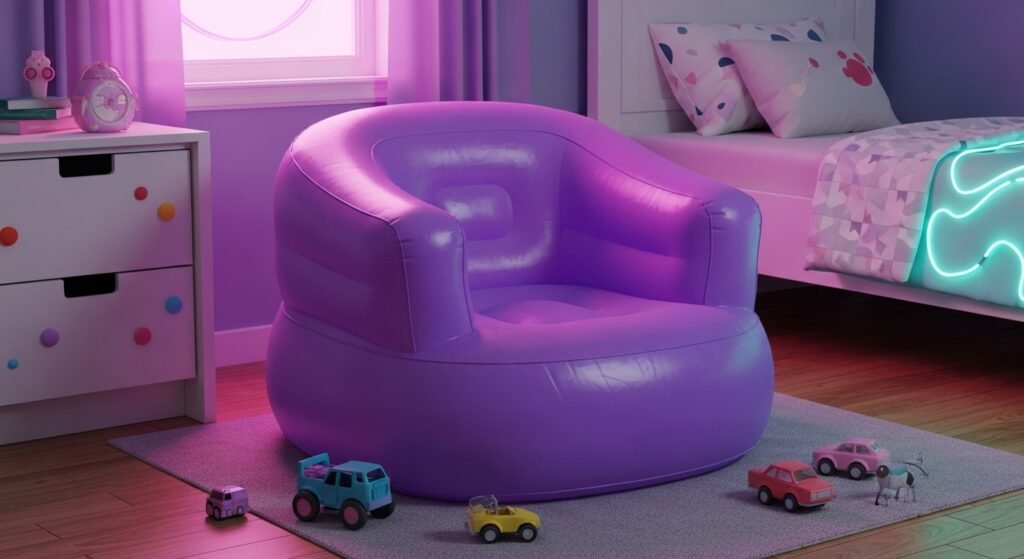
Chair construction using transparent plastic which took the form of purple or neon green colors reached its peak during a short time period. The chairs produced extremely loud noises which made it impossible for users to stand up without becoming stuck to the material. The furniture became unusable to people because it had developed leaks which forced them to switch to bean bags and ergonomic chairs.
The Stack of Paper Maps
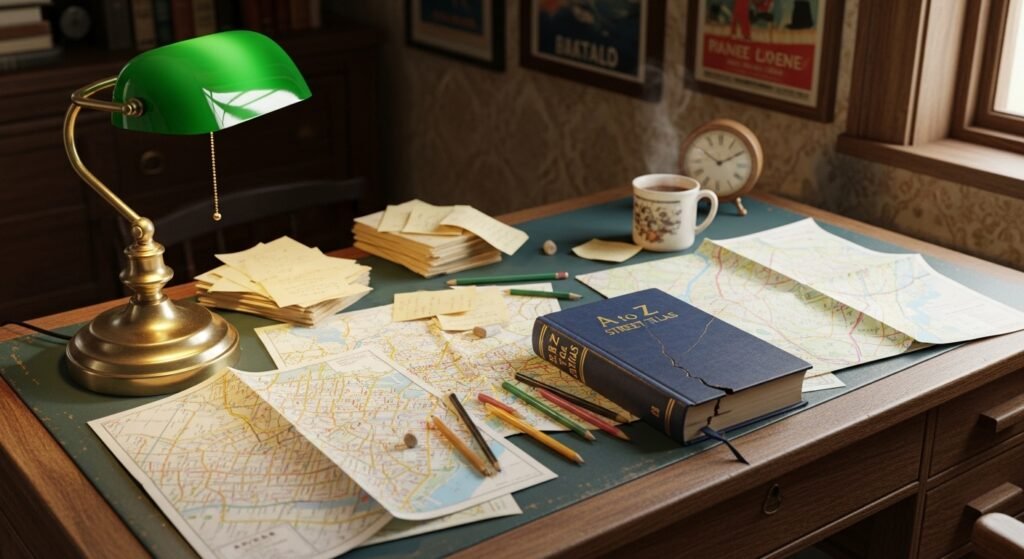
People used paper maps together with desk drawer “A to Z” books to find their way before GPS became a common tool. Digital navigation systems required people to learn how to fold back material to its original state before they could operate the system.
The Encyclopedia Set

Students used to begin school research by taking heavy leather-bound books from the shelf and reading through the book from A to Z. The multi-volume book sets served as the main decorative element in many bedrooms because they provided access to all information in the world. Users can access information through the internet without needing to own physical book collections.
The Rolodex or Address Book
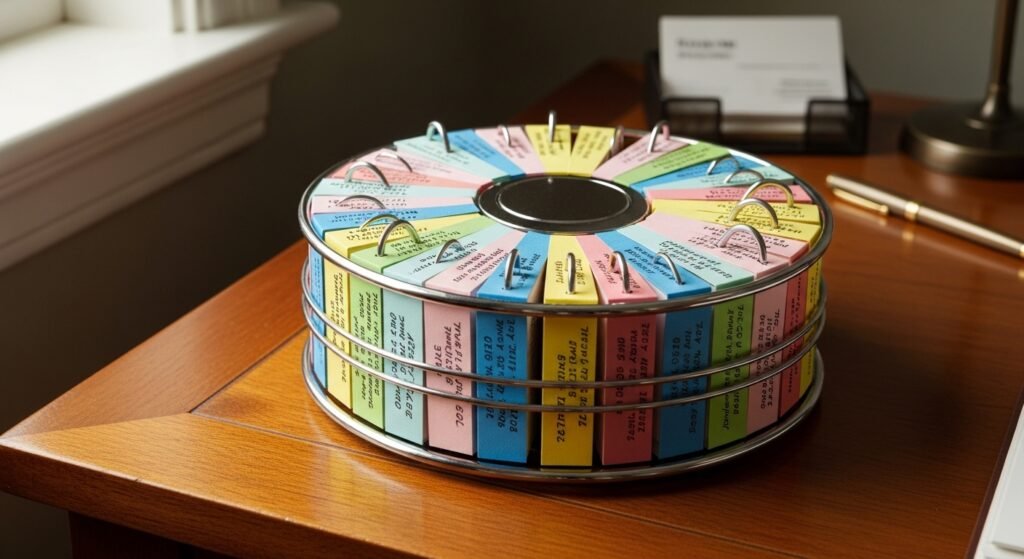
People needed to keep a physical book or spinning wheel of cards to track their friends’ contact details and birthday dates. Losing that book meant losing all your social contacts. People can keep their contact information safe because automatic contact synchronization works across all their devices.
The Poster Putty and Thumbtacks
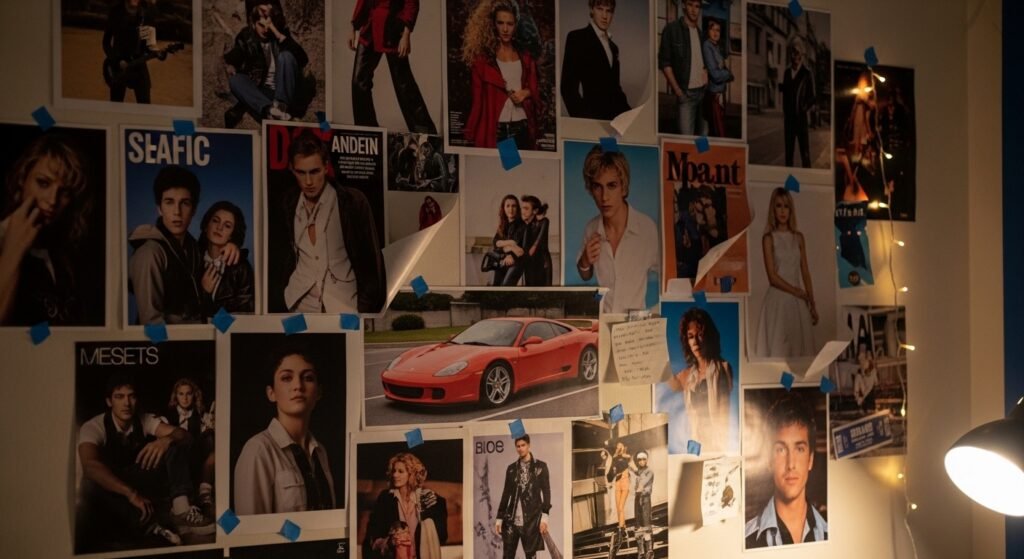
Young people used to decorate their bedrooms by covering every wall surface with magazine paper posters which they attached using blue tacky putty and sharp tacks that created minor wall damage. People still use posters today but they choose between digital frames and high-quality removable wall decals which protect paint during removal.
The Floppy Disk or Zip Drive
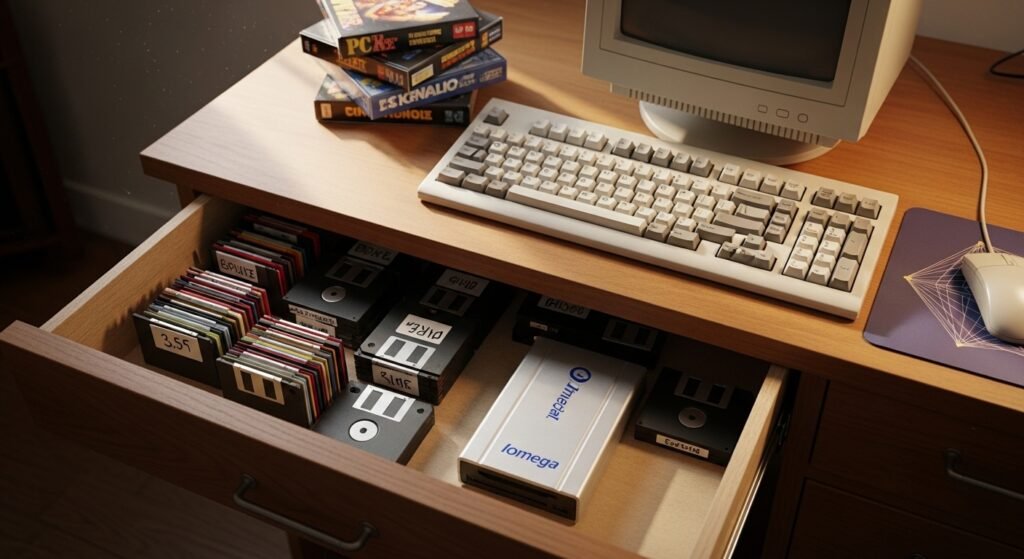
Children who understood technology used the desk drawer to store square plastic disks which could hold only a tiny fraction of a single modern photograph. The disks produced a characteristic clicking sound when users placed them into a computer. People now use physical storage devices as drinking coasters because cloud storage and high-capacity flash drives provide better storage solutions.