 Sophia Davis
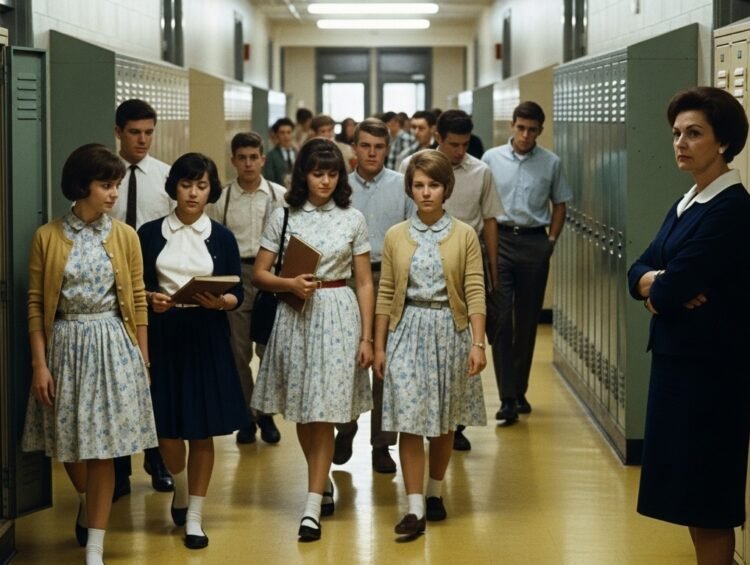
 People remember the 1960s because it marked a period when social norms and political systems experienced major changes. The social rules which governed their behavior through legal and social barriers created extreme restrictions which teenagers had to follow during that time period. Students during the time before the counter-culture movement when schools required students to follow strict behavior rules and appearance standards.
Strict Skirt Length Measurements
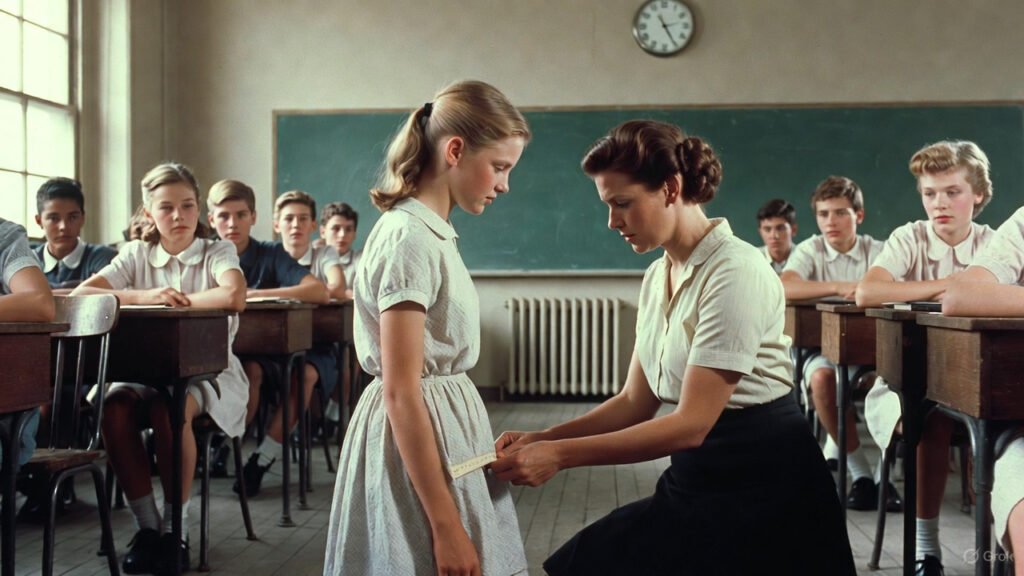
The “knee cap rule” functioned as a standard throughout several high school institutions. Female students needed to kneel on the floor in front of a teacher; their skirt length was considered acceptable if the hem touched the ground during kneeling. Any person who wore a skirt beyond the permitted length would face disciplinary action which included either sending them home to change clothes or assigning them detention punishment.
The Prohibition of Slacks for Girls
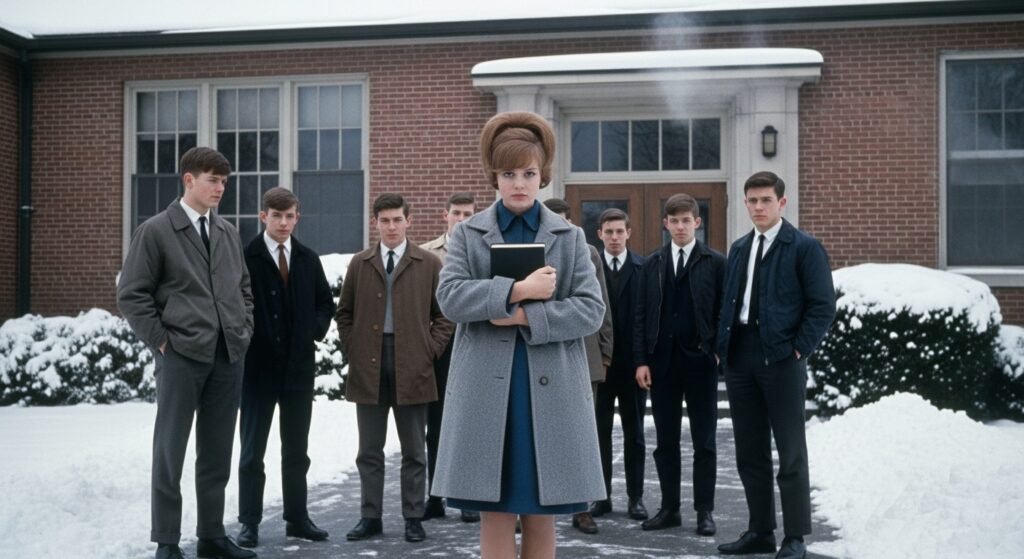
School policy prohibited girls to wear pants or slacks at any time regardless of weather conditions. The students had to wear dresses or skirts even during extremely cold winter weather. The dress code began to allow “pant suits” as an official clothing option during the late 1960s period.
Hair Length Limits for Boys
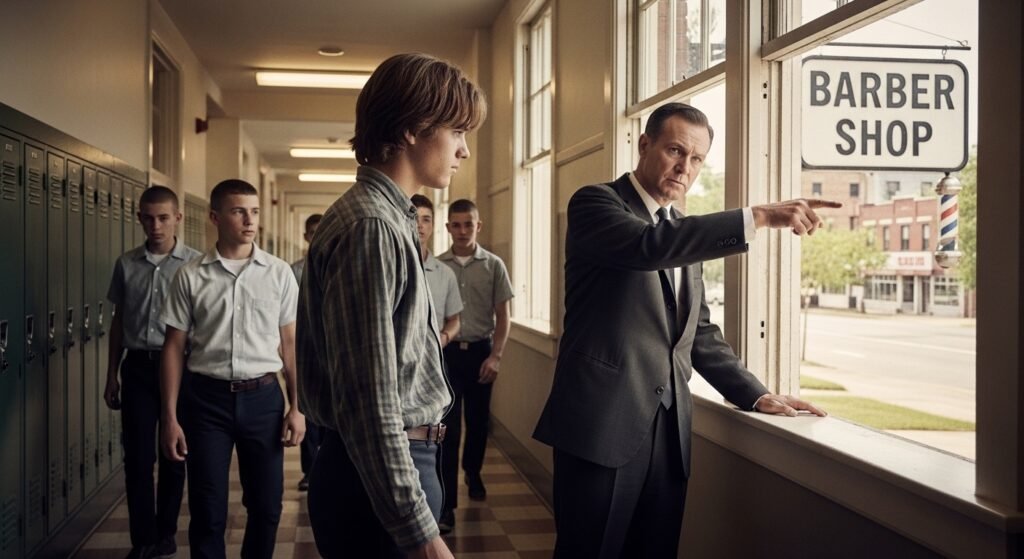
Boys who wore long hair displayed themselves as rebellious individuals who rejected all conventional norms. Most schools banned all hair styles which allowed hair to touch both ear and neck areas. A principal would summon a boy into the hallway to receive either a mandatory haircut or suspension until he obtained a haircut from a barber, when his hair length exceeded acceptable limits.
No Blue Jeans Allowed
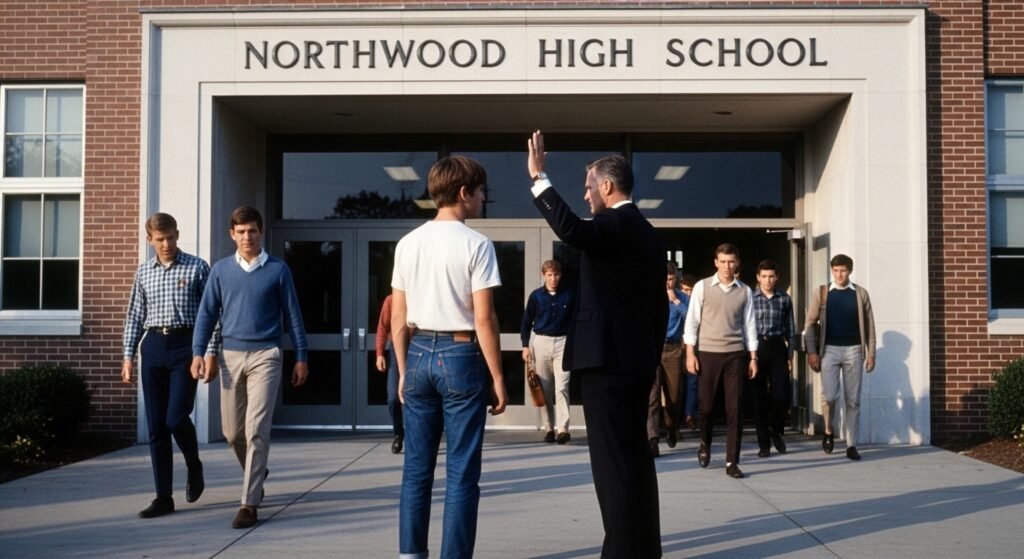
Schools during the early 1960s prohibited students to wear blue jeans although denim has become a universally accepted garment today and the clothing item became linked with “juvenile delinquents” and workers who performed physical tasks. Boys had to wear slacks or chinos, and wearing jeans was considered a direct act of defiance against the school’s professional environment.
Mandatory Chaperones for Dates
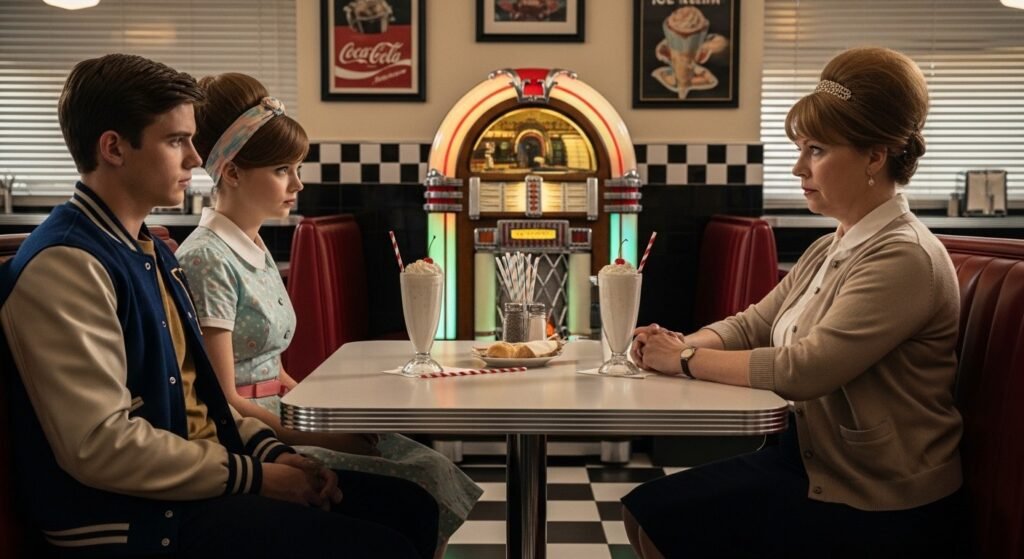
The general public thought dating should not occur between two teenagers who stayed unsupervised. The standard dating practice required group dates, which needed either a parent or an older sibling to accompany a couple at the soda shop or back seat of the car.
Strict Curfews and Blue Laws
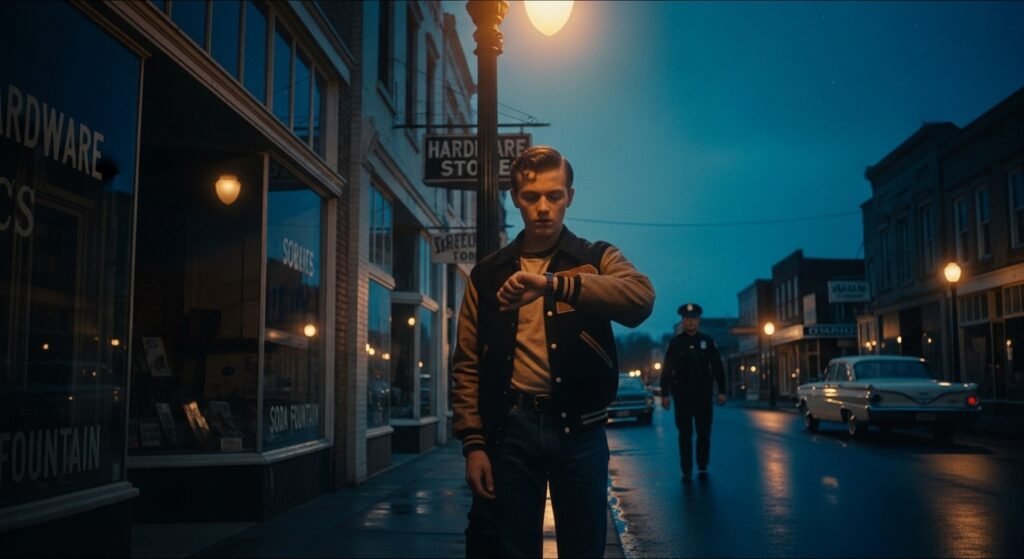
The towns imposed strict curfews which controlled the movement of minors, but Blue Laws prevented all businesses from operating on Sundays. The absence of late-night mall hours combined with limited suitable areas for teenagers to gather present difficulties for teenagers. The police would conduct a serious conversation with you if you got caught outside after 9:00 PM during a weeknight.
No Gum Chewing
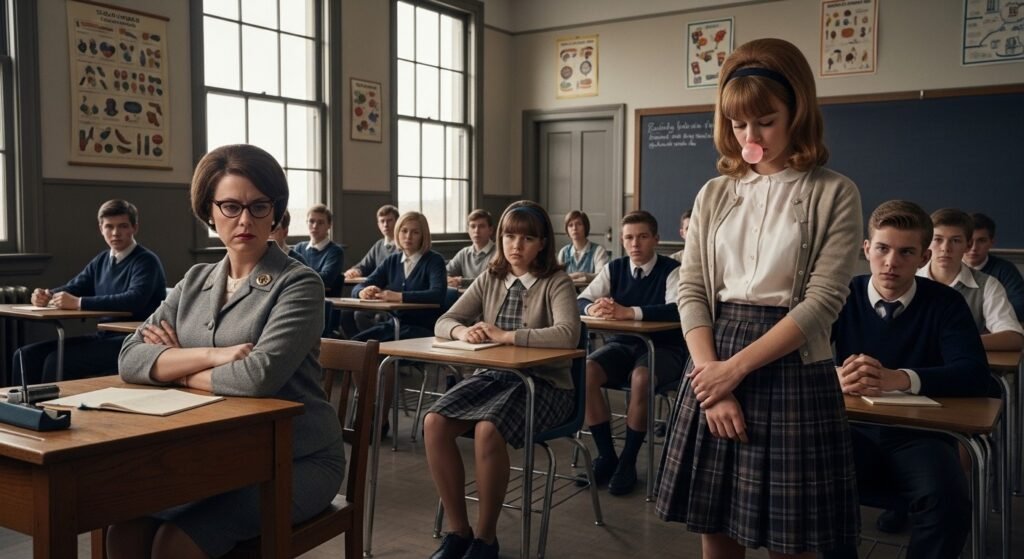
Some places still enforce this rule today, but its enforcement during the 1960s period operated with military precision. The act of chewing gum became viewed as behavior which “unladylike” women and “disrespectful” individuals performed. Students who got caught chewing gum had to stand in the corner with the gum on the tip of their nose as a form of public embarrassment.
Formal Attire for Travel
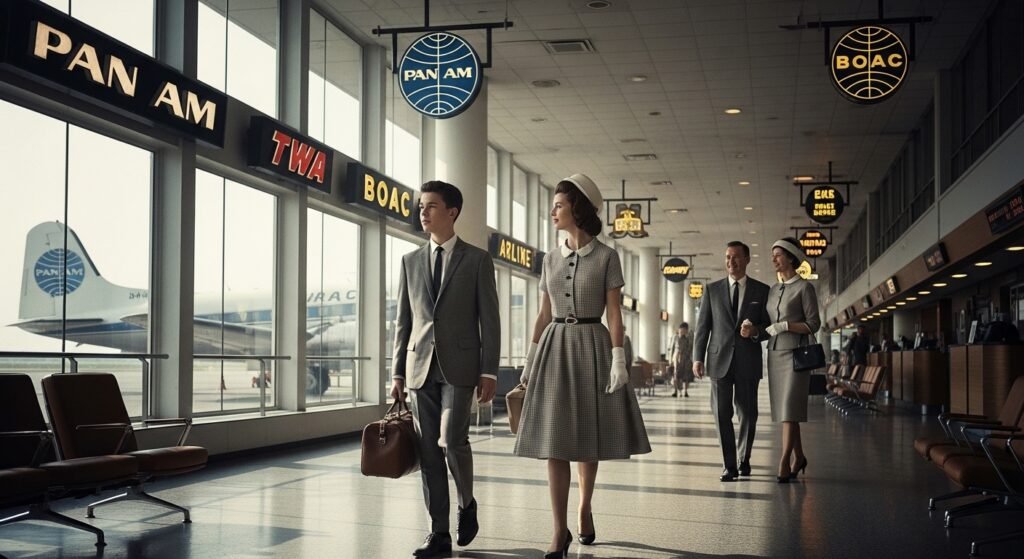
Traveling for teenagers required them to dress in formal clothing. The bus and plane travel rules required teenagers to wear formal clothes. Boys had to wear suits while girls had to wear dresses with gloves and hats as their travel outfit. The use of casual “play clothes” for travel created disrespectful conduct toward fellow passengers.
The “Dime” Rule for Girls
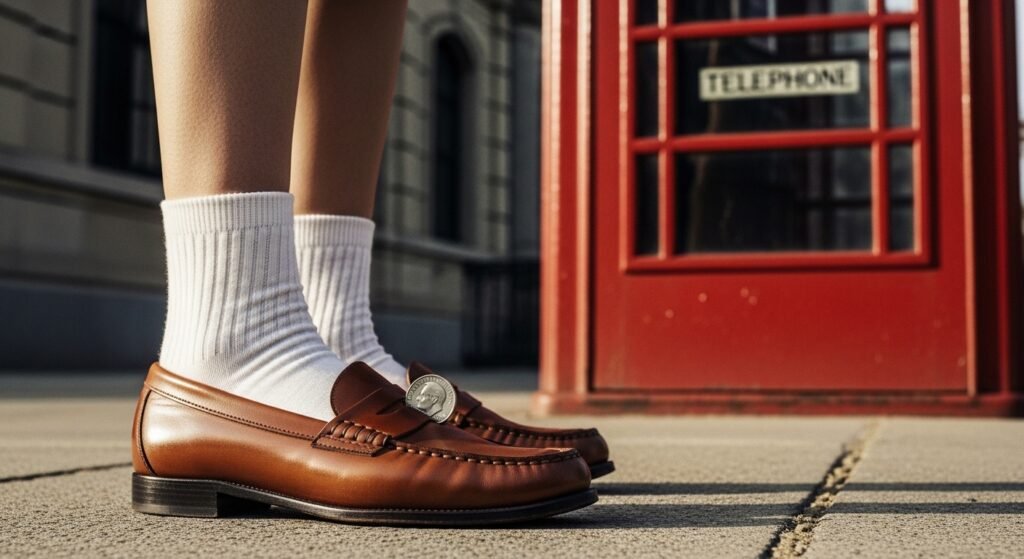
Girls needed to keep a dime in their shoes because they had to follow elevator etiquette when they wore penny loafers. A girl should carry emergency funds to pay for a payphone call, which she needs to make when her date misbehaves or when she requires immediate pickup help.