 Sophia Davis
 Fiber has transformed its previous image as an unexciting health necessity into the current status as the main ingredient which chefs and home cooks use for their cooking. The culinary world has discovered that high-fiber foods provide exceptional textures and rich flavors together with a versatility which processed ingredients cannot deliver. Foodies who eat plant-based foods are discovering that they can experience gourmet meal excitement while choosing whole food options for gut health.
The Rise of “Ancient” Grains
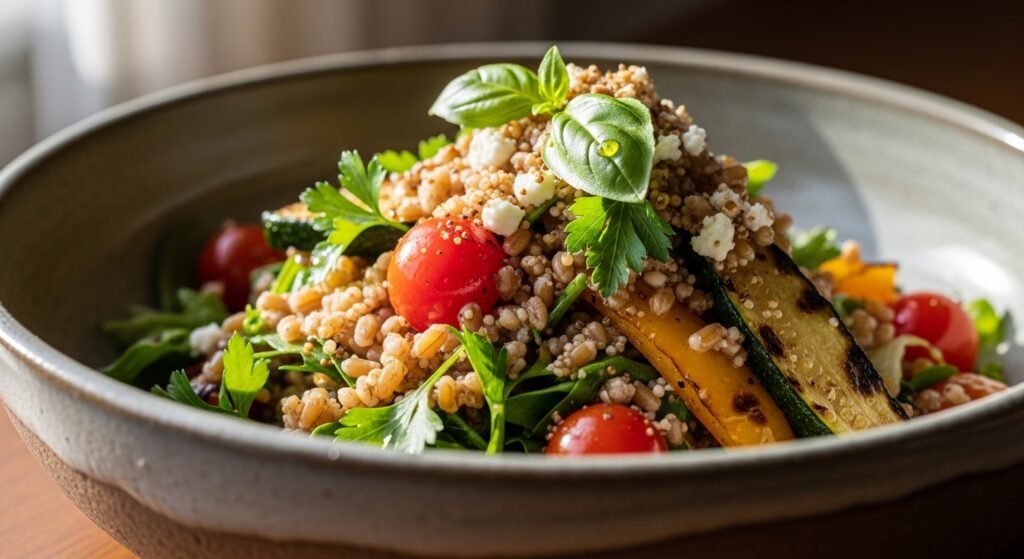
The upscale dining establishments have started to serve farro spelt and amaranth as substitutes for white rice and pasta. These grains offer exceptional fiber content together with a nutty flavor and a complex taste which provides a luxurious dining experience when used in salads and side dishes.
Legumes as the Main Event
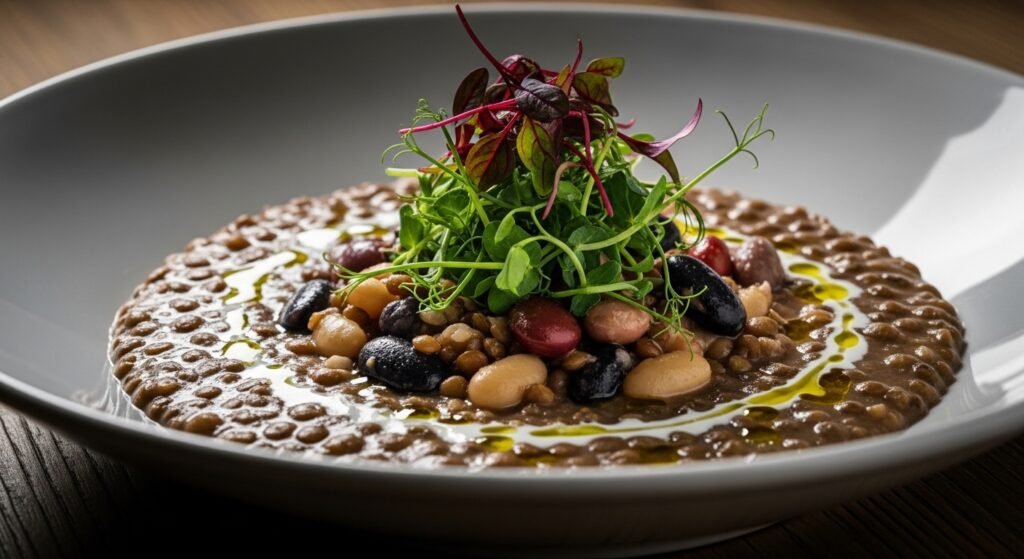
Beans, lentils and chickpeas now serve as the primary dish in modern cuisine. Chefs use heirloom bean varieties to make rich stews which contain creamy textures and create satisfying “steak” dishes. The ingredient serves as an ideal “heavy lifter” which delivers a substantial meat-free meal through its extensive fiber content.
Berries with a Crunch
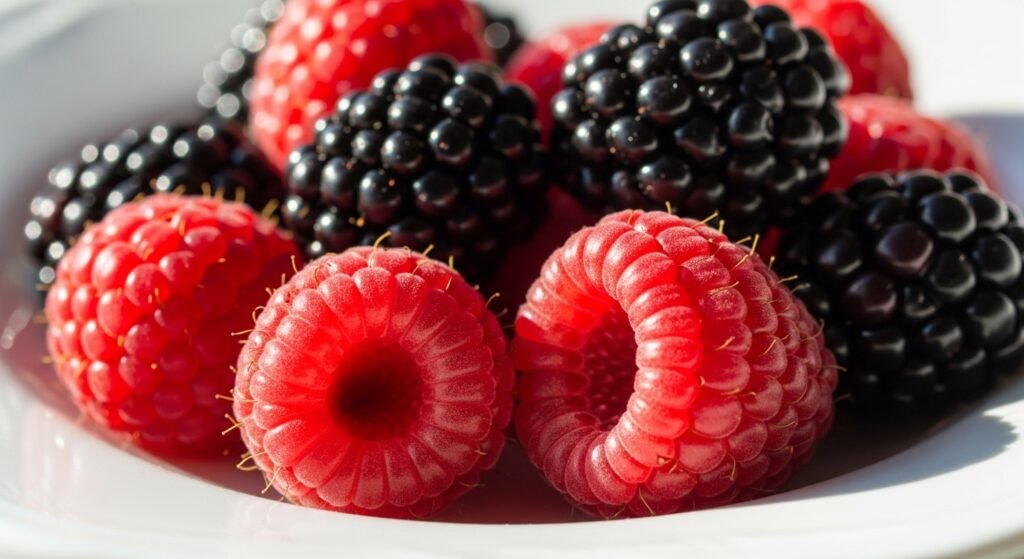
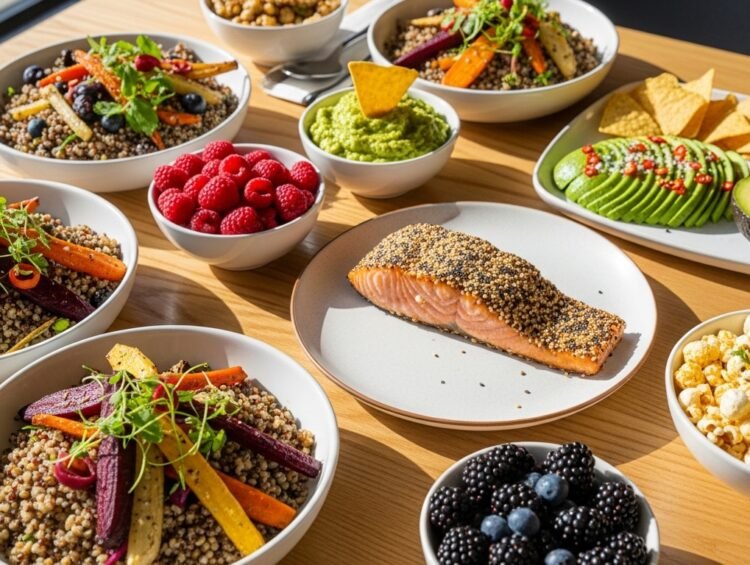
Raspberries and blackberries receive praise for their sweetness and their seeds which deliver dietary fiber content. The ingredient functions as a dual-purpose element in various dishes which include meat sauces and intricate desserts because it delivers a tangy flavor together with an enjoyable mouthfeel.
Avocados Beyond the Toast
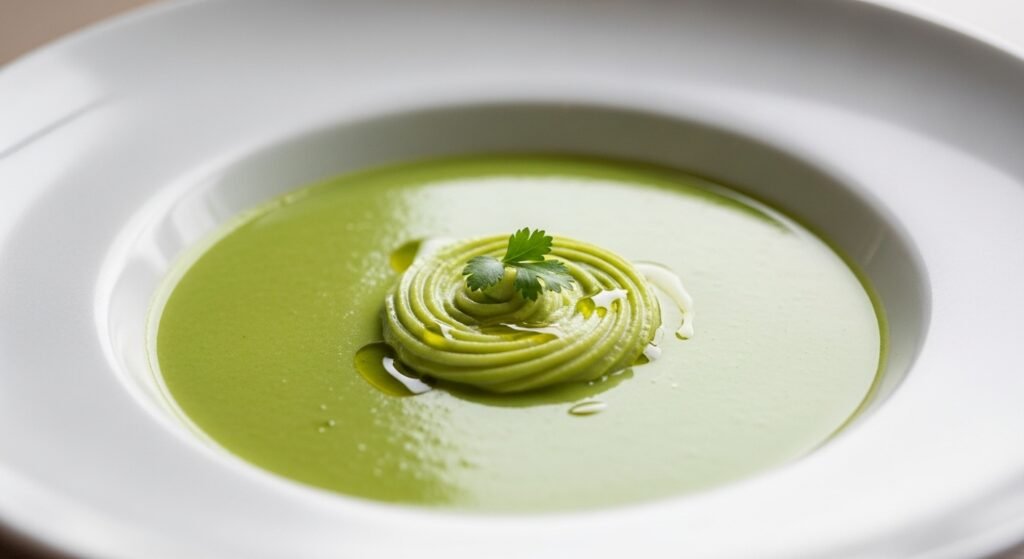
Avocados deliver high dietary fiber content to consumers. Food enthusiasts are transforming their basic toast usage into multiple culinary applications which include chilled soups and whipped mousses and grilled dishes that showcase the food’s nutritious fat content together with its hidden fiber.
Root Vegetable Innovations
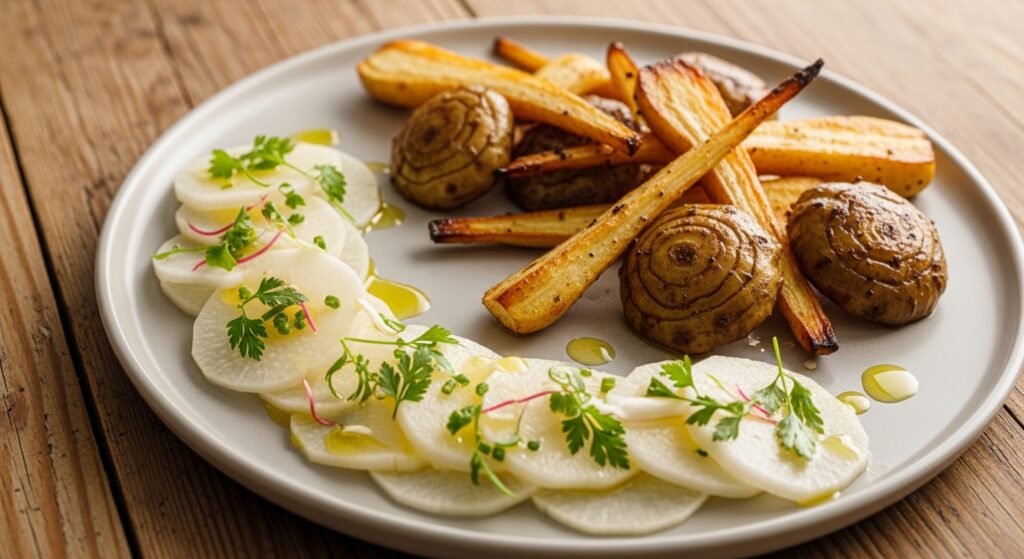
The culinary world is discovering novel applications for parsnips, sunchokes and jicama. The cooking method has evolved to include two techniques which enable chefs to transform the ingredient into two separate dishes using raw crudo recipes and roasted dishes which achieve a candy-like taste through their caramelized exterior.
The “Seed” Crust Trend
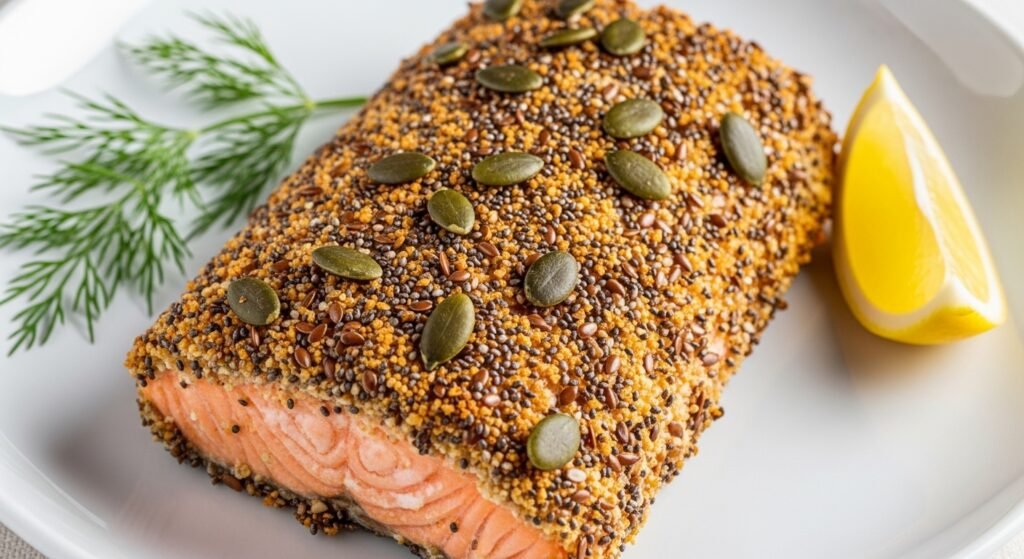
Chia flax and pumpkin seeds have become the main ingredient for making crispy crusts which chefs use to coat their fish and chicken dishes. This ingredient delivers a substantial dietary fiber increase which replaces standard breadcrumbs through its nutty flavor and toasted profile.
Brussels Sprouts and Charred Flavors
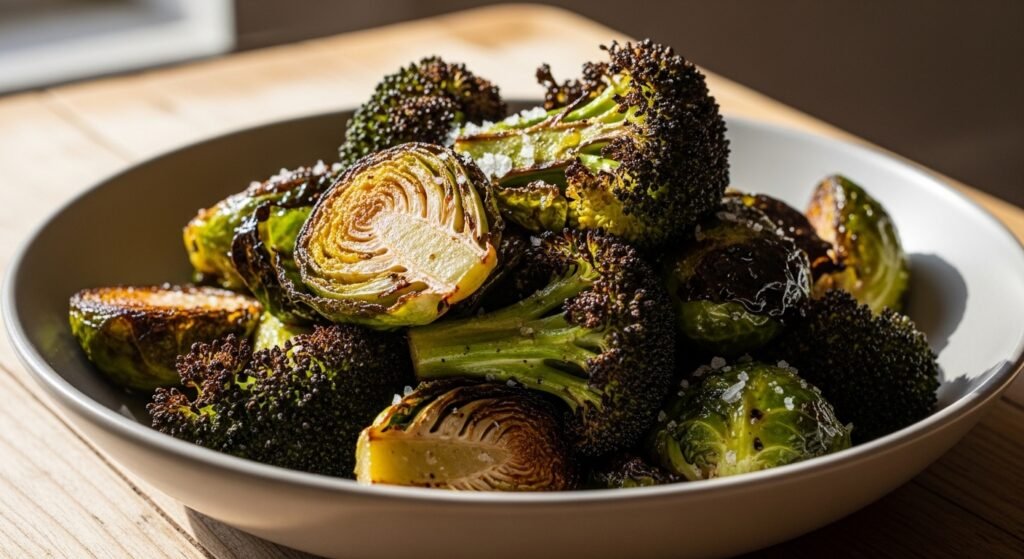
The current culinary trend of “charring” cruciferous vegetables has made fiber into a delightful treat. The Brussels sprouts and broccoli vegetables lose their bitter taste through high-temperature roasting which converts their fiber-rich leaves into a crispy sweet snack.
Nut Butters with Texture
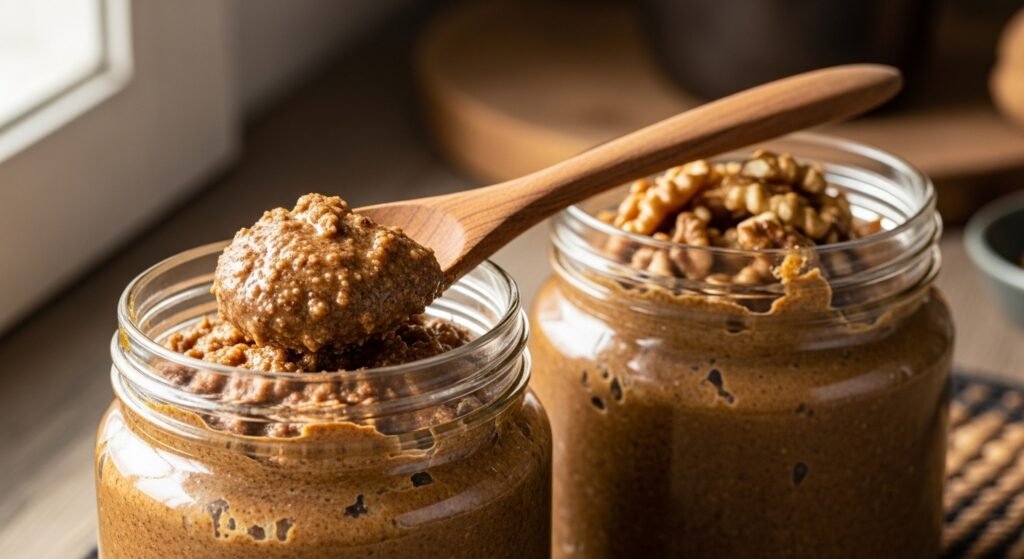
Consumers now prefer “stone-ground” nut butters because they offer a combination of creamy peanut butter and crunchy nut butter which contains actual nut skin pieces. Almond and walnut butters serve as fundamental components which people utilize to create both savory dressings and healthy breakfast bowls filled with fiber.
Popcorn as a Gourmet Canvas
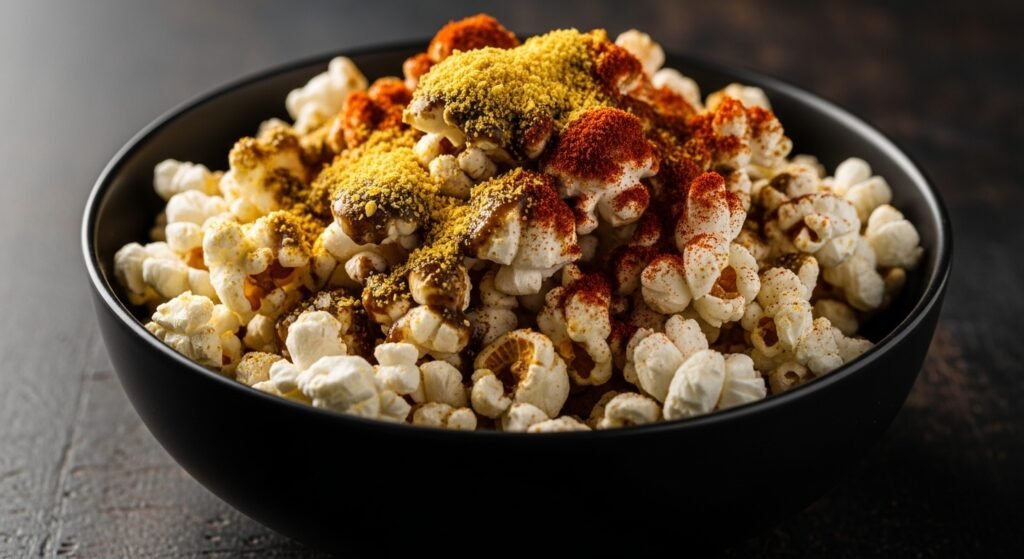
Popcorn functions as a complete whole grain product which provides a rich fiber value. The product has gained popularity among foodies because its unseasoned form allows chefs to use expensive seasonings such as truffle oil and nutritional yeast and smoked paprika to create both a “functional” snack.
Fermented Fiber Pairings
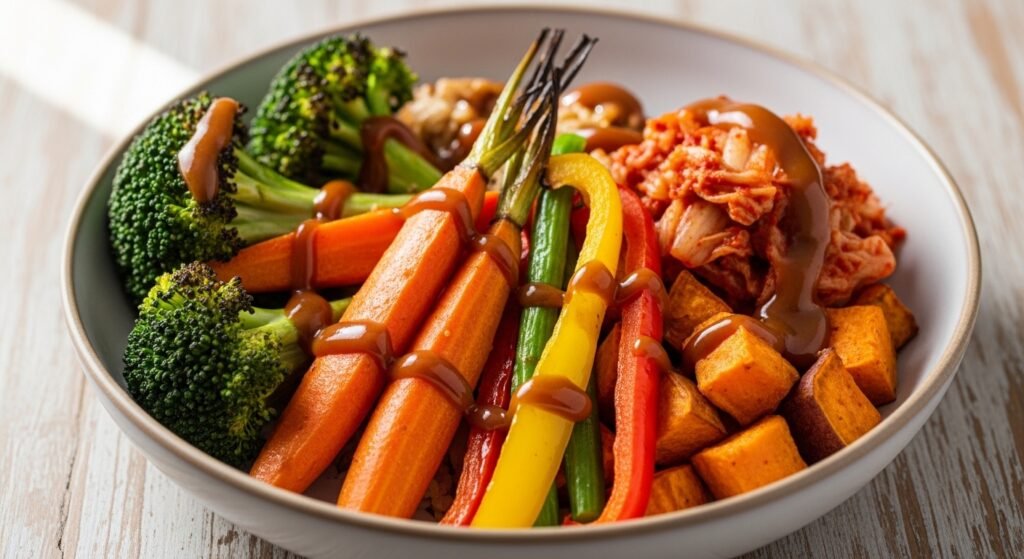
People who love food have started to combine high-fiber vegetables with fermented ingredients which include kimchi and miso. The combination of prebiotic fiber and probiotic fermented cultures delivers the most effective method to achieve gut health through flavor and wellness.