
 Isabella Miller
 Same states keep showing up at the bottom of happiness and wellbeing data year after year. Not randomly and not without reason. The measures used cover health outcomes, economic opportunity, mental health access, and overall life satisfaction. Some states struggle across every single one at the same time. Here is what the numbers keep pointing at.
West Virginia

Coal industry decline left a gap that has not been filled. Chronic illness is common, healthcare is hard to reach in many areas, and new economic opportunities have been slow coming in.
Mississippi
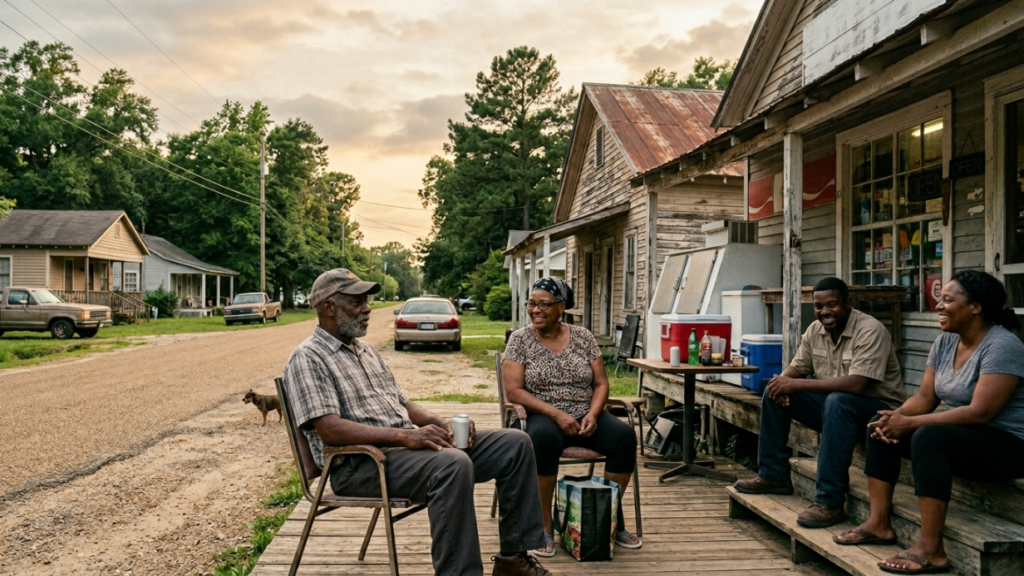
Poverty stayed high for a long time and the healthcare system never expanded enough to deal with the chronic disease load the population carries. Education and economic mobility numbers sit near the bottom too.
Louisiana

Deep health disparities run across the state well beyond what is visible in the cities. Poverty rates are among the highest nationally and the day to day reality for most residents looks different from what tourists encounter.
Arkansas
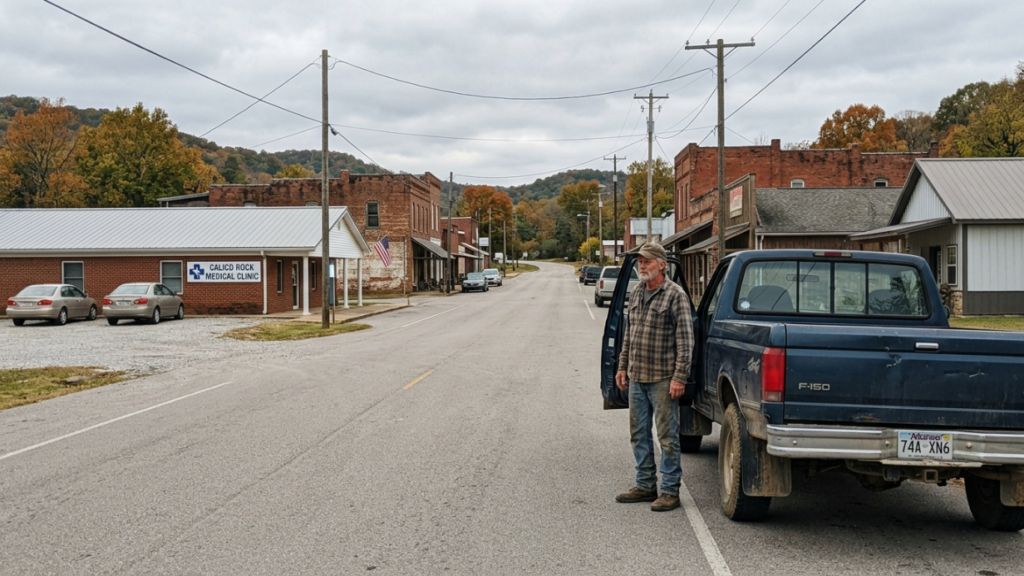
Obesity, diabetes and heart disease all above the national average. Rural areas in particular experience a lack of healthcare facilities and a backward business model outside of a few large urban facilities.
Alabama
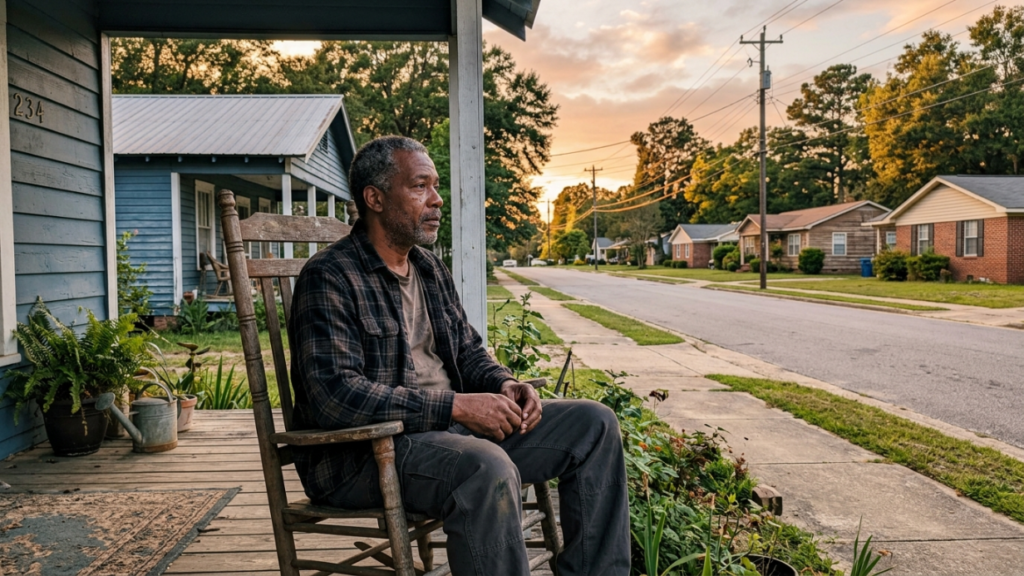
Mental health access is thin across rural sections of the state. Cities do somewhat better but the gap between them and the rest of Alabama is wide enough to keep the overall numbers consistently low.
Kentucky

Eastern communities built around industries that declined carry health and economic challenges that accumulated over decades. The combination of poverty, limited healthcare, and job scarcity shows up across every measure tracked.
New Mexico

High poverty rates nationally, real mental health challenges, and violent crime rates that affect daily life. The cultural and natural richness of the state coexists with problems that the data reflects honestly.
Oklahoma
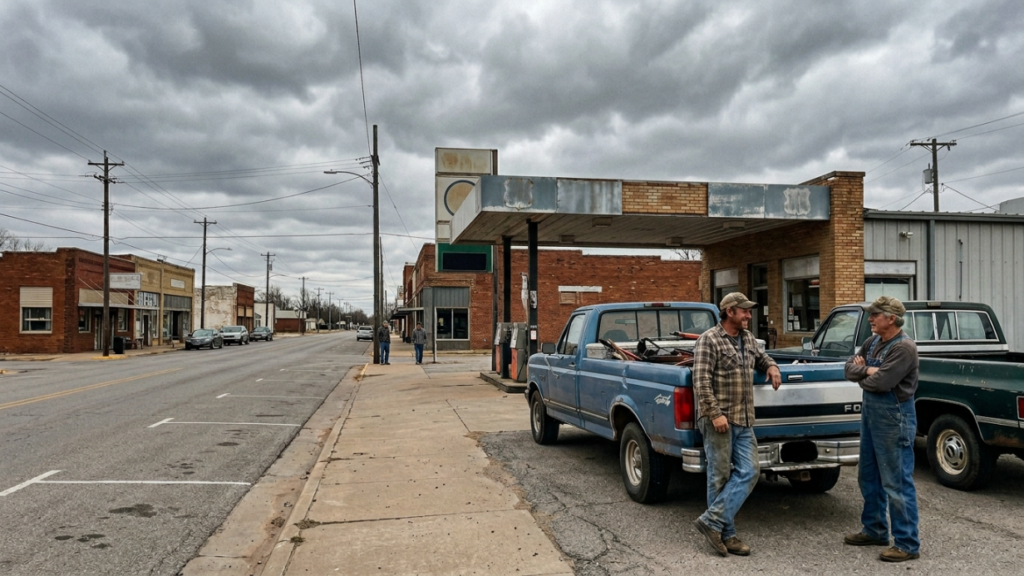
Energy sector swings create instability that spreads beyond oil and gas workers. Rural healthcare is limited and high incarceration rates affect family stability across broad sections of the population.
Tennessee
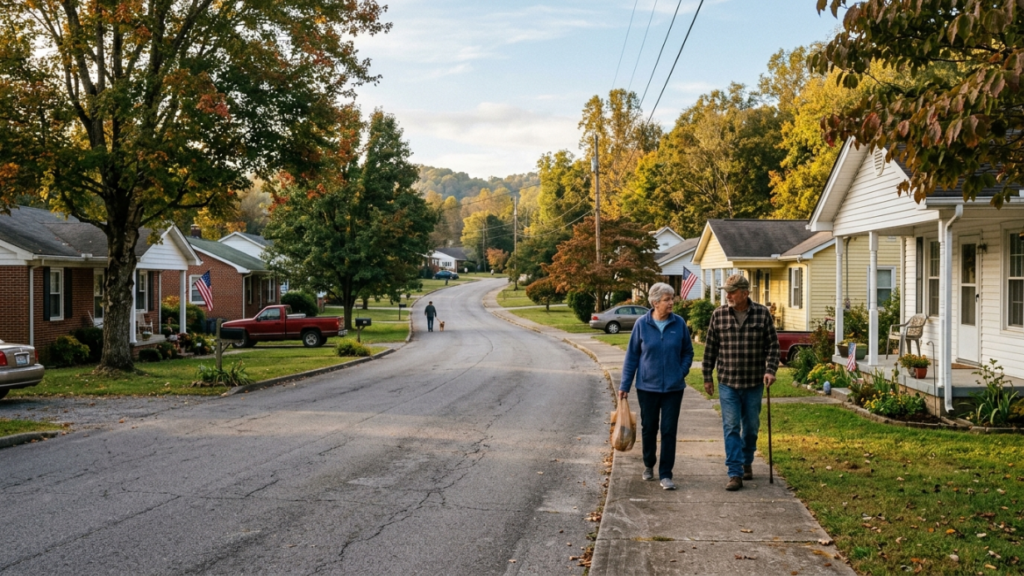
City growth in Nashville and Memphis has not traveled far. Communities outside those metros face limited healthcare, mental health resources, and economic options that keep the statewide picture from matching the urban success story.
Indiana

Obesity and cardiovascular disease rates rank below average nationally. Manufacturing dependent communities face real vulnerability when economic conditions shift and that registers directly in how people rate their own quality of life.
What the Numbers Show

These rankings reflect genuine challenges facing real communities. The gap between states at the top and bottom has been persistent and the factors driving it go well beyond anything individual choices alone can explain or fix.