 Isabella Miller
 Wildlife history in America begins with records of animal extinction events but it shows how nature has recovered during the past three decades. Conservationists have achieved their goal of restoring endangered species populations through their efforts that improved air and water quality and their stronger legal protections.
The Bald Eagle
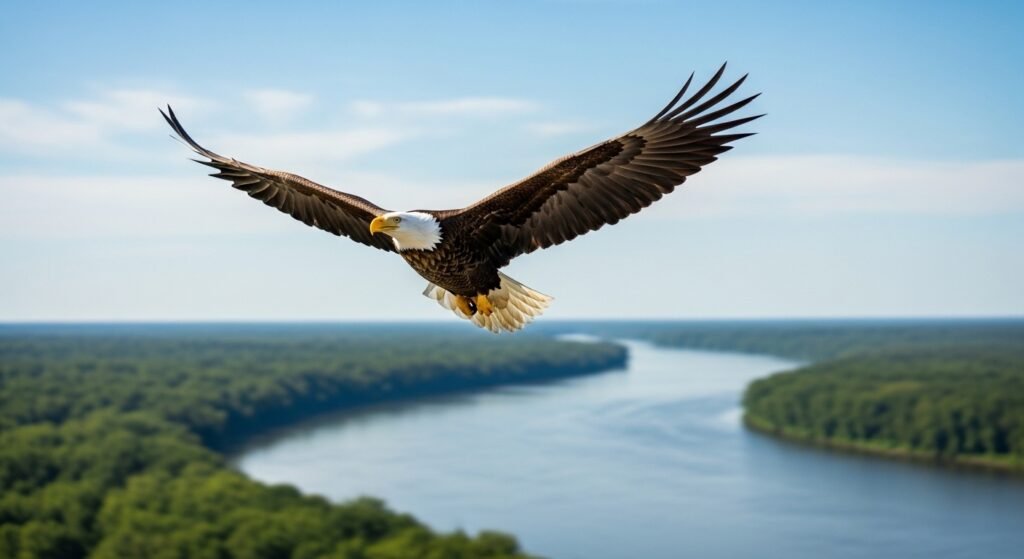
Our national bird achieved an extraordinary comeback after it faced extinction from hunting and the use of DDT pesticides and other chemical pesticides. The 1960s saw a total of less than 500 nesting pairs across the entire lower 48 states. Their current presence now extends to almost every state as they glide above rivers while establishing their nests in suburban park areas.
The American Alligator
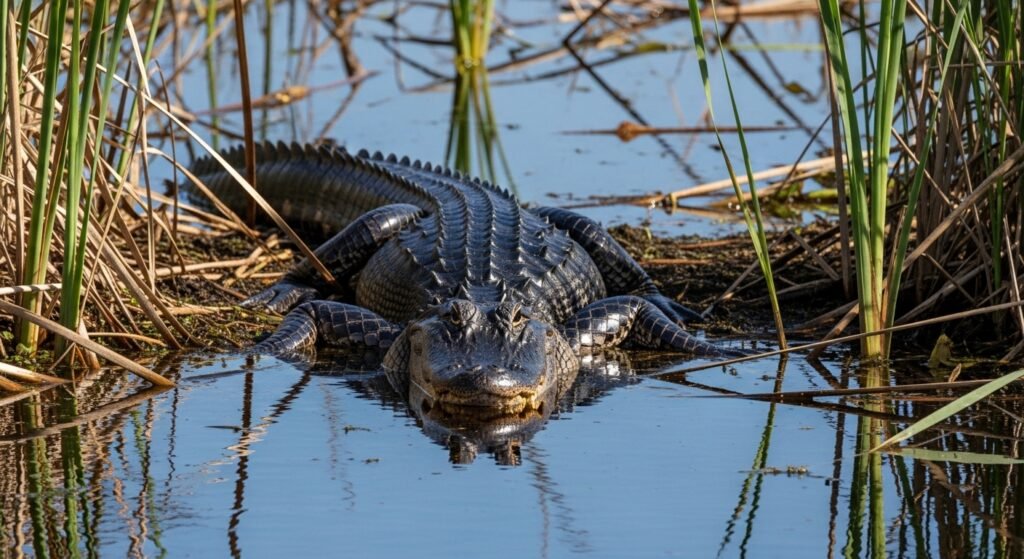
The alligator faced extreme hunting threats in the 1950s which resulted in its inclusion on the first endangered species list. Wetland protection together with strict conservation measures has driven their population growth to remarkable levels. The Southeast now contains such a high number of alligators that they ceased being considered endangered species more than 20 years ago.
The Peregrine Falcon
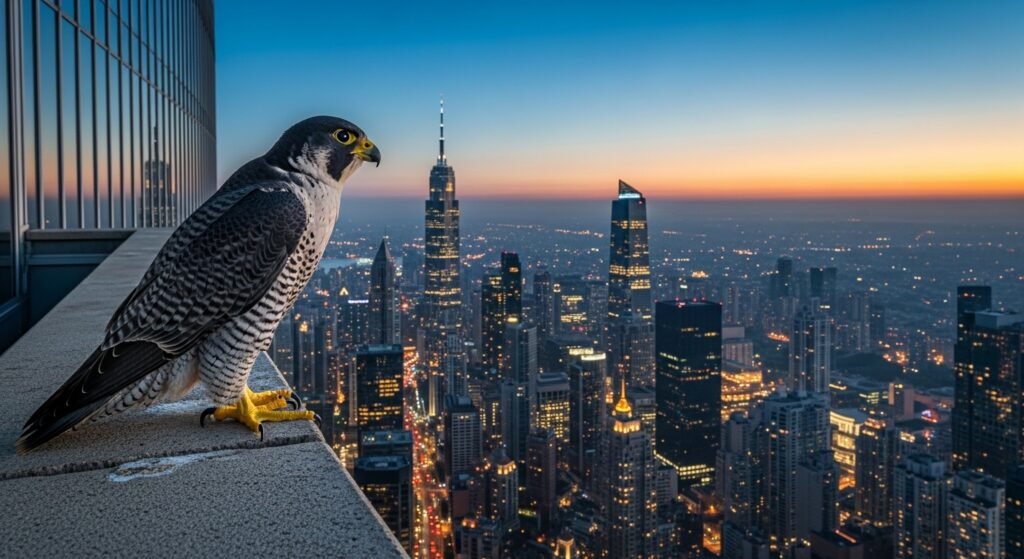
The Eastern U.S. lost all its populations of this bird which scientists refer to as the fighter jet of the bird world by the middle of the 20th century. Scientists started an ambitious program which included breeding the birds in captivity to release them into urban areas. The falcons adopted urban existence because they used skyscrapers as artificial cliffs to hunt pigeons. The species has established reproductive populations in every major urban area throughout the United States.
The Humpback Whale
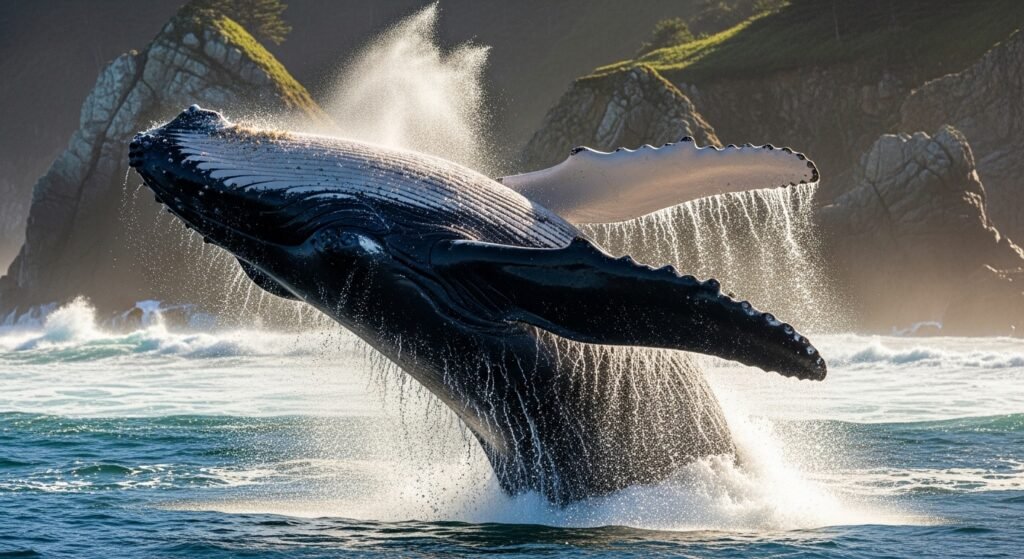
Whalers brought these enormous creatures to the point of extinction through their commercial hunting activities. Whales have seen their numbers increase because the world stopped whaling and the Marine Mammal Protection Act created protections for them. Whale sightings during migration seasons have become common in New York Harbor and California coast after they had been completely absent in earlier times.
The Gray Wolf
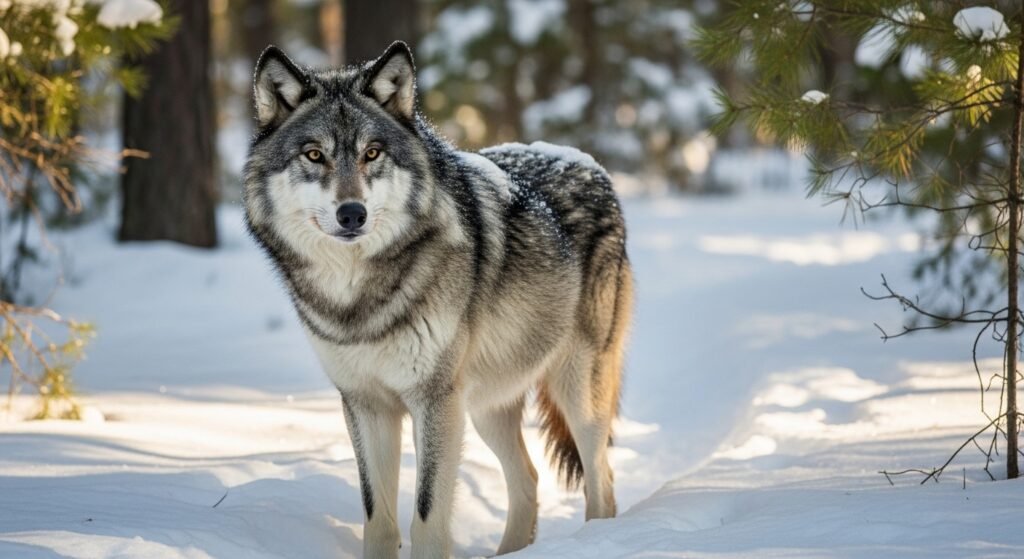
Wolves faced systematic extermination from every region across the lower 48 states. The 1990s saw wolves returned to Yellowstone National Park which proved to be a crucial moment in their conservation journey. The species has expanded its territory range from Oregon and Washington to California which demonstrates that top predators can coexist with humans in contemporary landscapes.
The California Condor
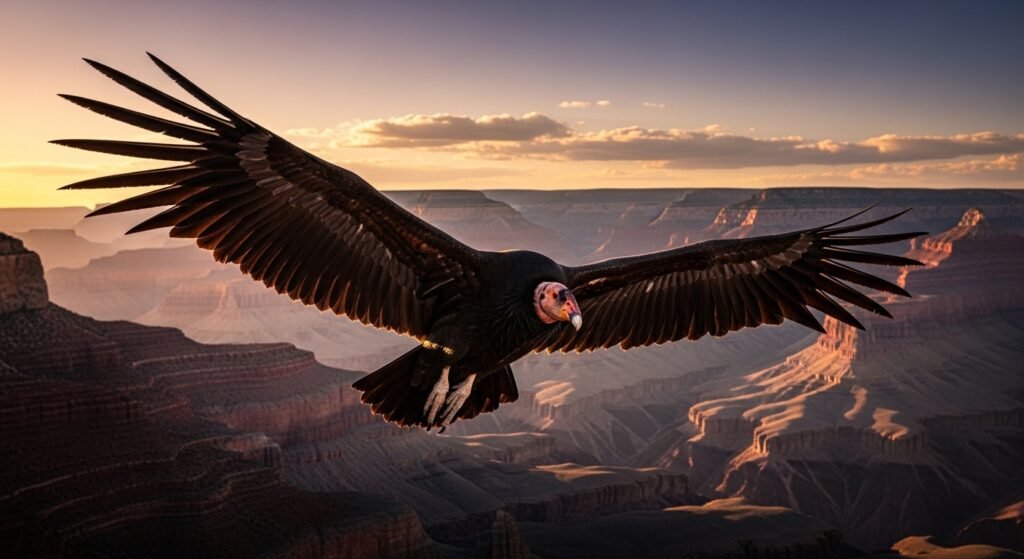
The population of California condors fell to 27 individuals worldwide in 1987. The entire population of condors faced capture for a breeding program which resulted from a desperate situation and today, these enormous birds with nearly ten-foot wingspans inhabit both the Grand Canyon and the California redwoods.
The Black-Footed Ferret
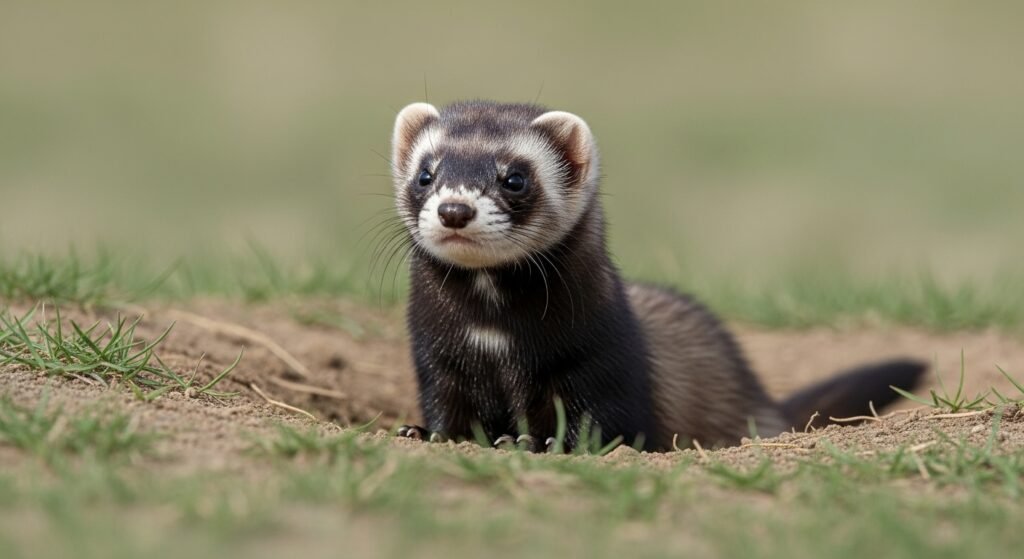
The weasel family member faced two official extinctions throughout its existence. The discovery of a hidden colony began when a ranch dog returned home with a dead ferret in 1981. Breeding programs and prairie dog town protection efforts have enabled thousands of ferrets to return to their natural habitats.
The Osprey
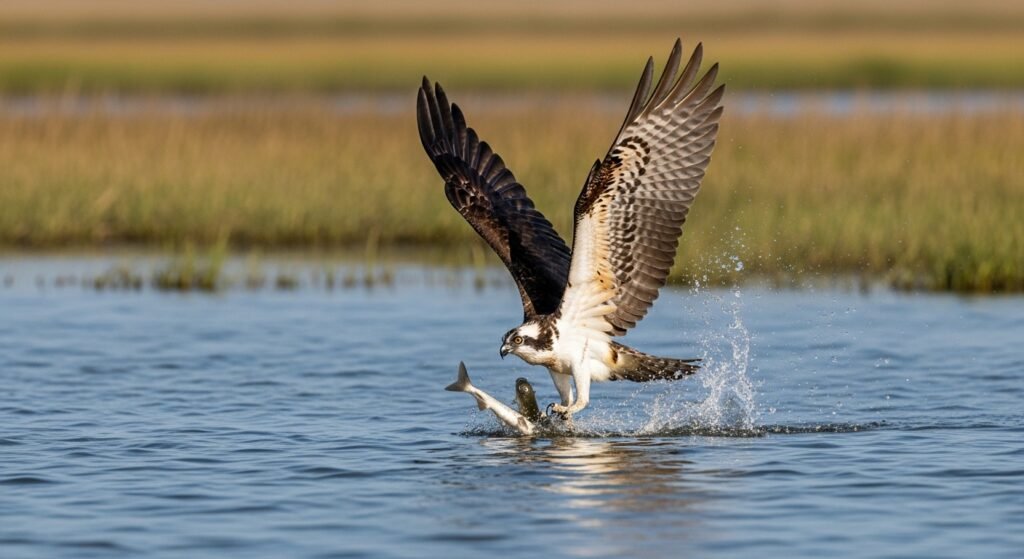
The bald eagle experienced pesticide damage which made its eggshells develop weaknesses similar to the damage that ospreys incurred from pesticide exposure. Their recovery journey began in the 1970s and has continued to this day. They construct oversized nests on power poles and navigation buoys because those locations offer better nesting options for them than trees.
The Brown Pelican
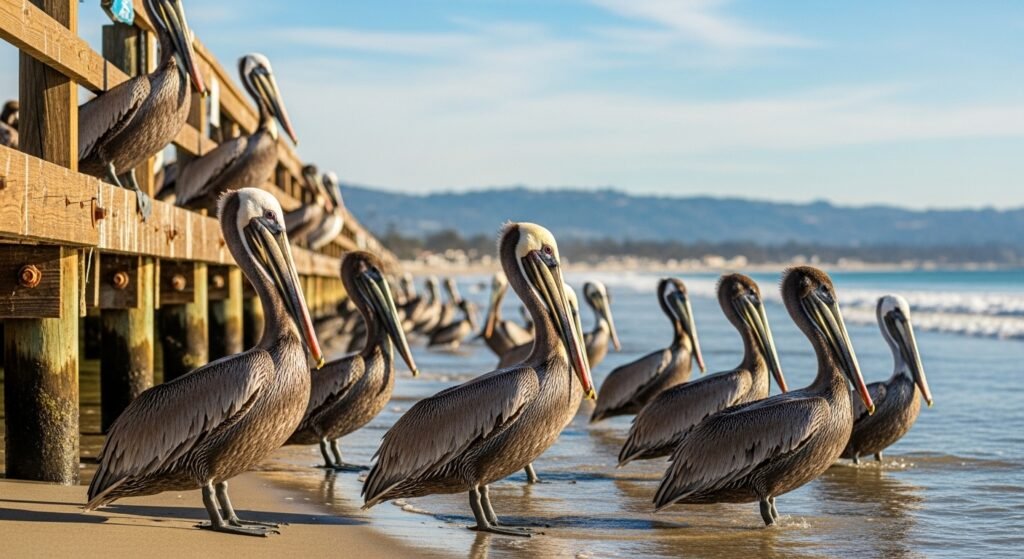
Louisiana (the Pelican State) saw brown pelicans reach such low numbers that they needed to import birds from Florida to establish a new population. The birds now returned to the Gulf and Atlantic coasts in large numbers which fill piers and beaches to show that their species will persist into the future.
The North American Beaver
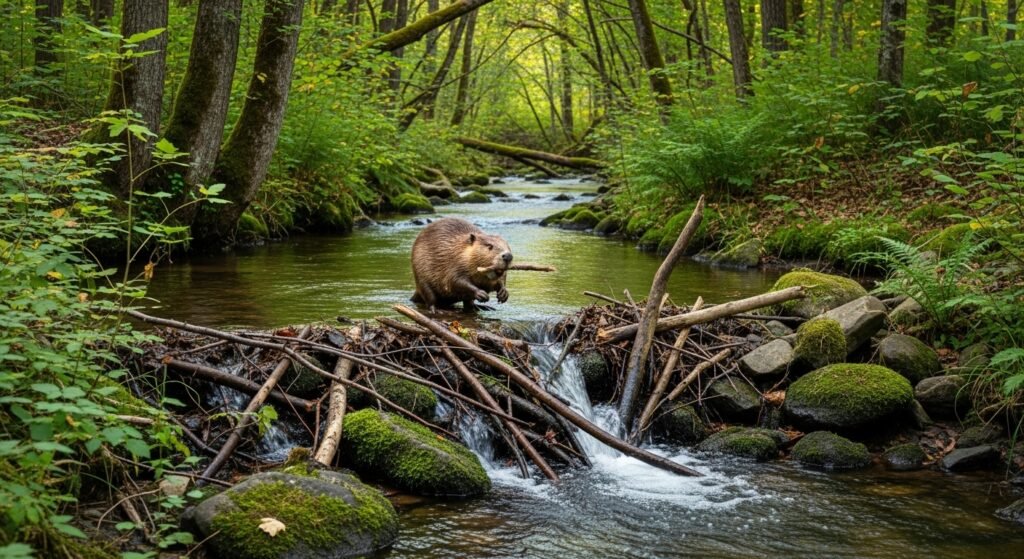
The fur trade of trappers pushed beavers toward extinction because it created the foundation for early American cities. The return of nature’s engineers occurred after trapping diminished and wetland areas received restoration efforts. They continue to create new habitats in both suburban areas and urban environments by constructing ponds that support the growth of many different animal species.