 Sophia Davis
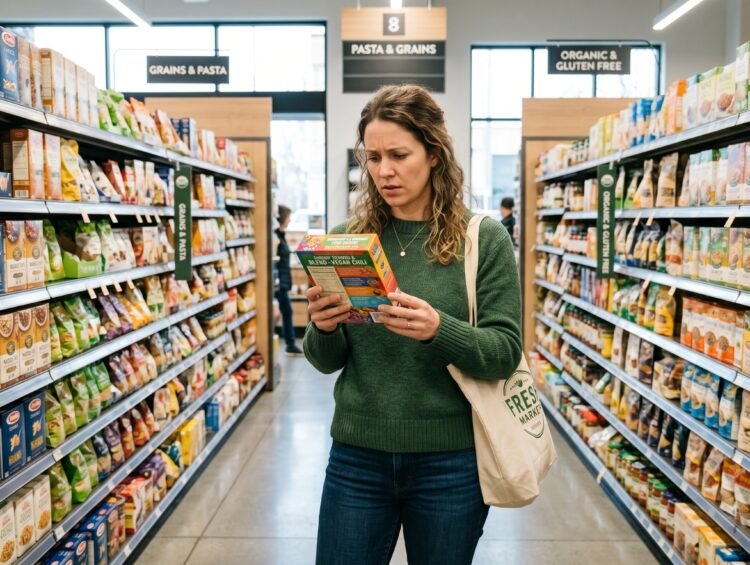
 The grocery aisle of today showcases advanced chemical and engineering technology, but scientists now doubt the safety of our food because of its convenient features. The entire safety assessment process of our packaged snacks will now evaluate all their components, starting from their plastic wrap to their hidden “natural” flavor ingredients. The contents of that colorful box might contain safety hazards which you do not recognize.
The Movement of “Forever Chemicals”
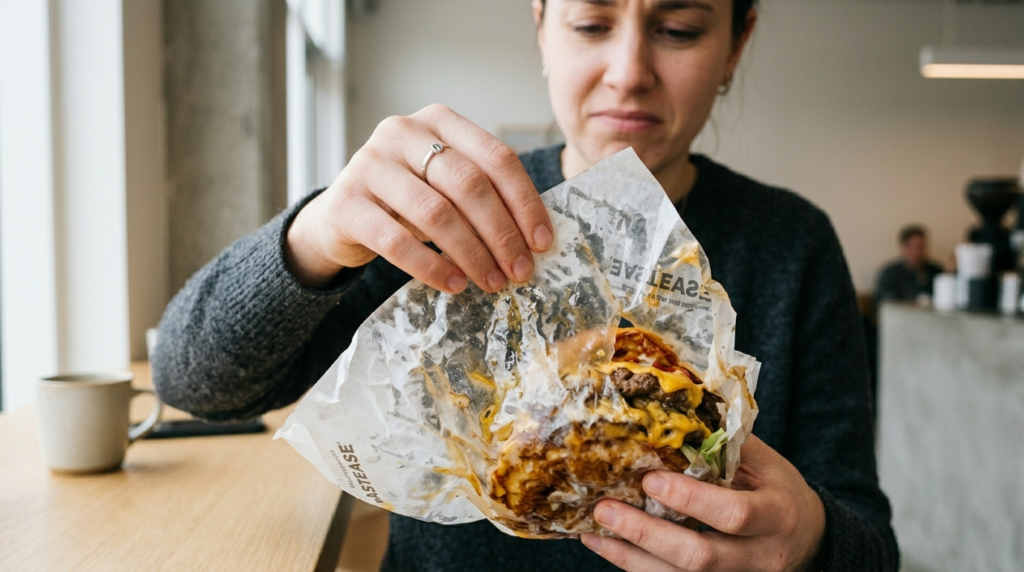
PFAS, which commonly occurs in fast food wrappers that resist grease and microwave popcorn bags, can “leak” into your meal and these chemicals are designed to last forever, meaning they stay in your body long after the food is gone.
The “Natural” Flavor Mystery

The label “natural flavors” can legally include multiple chemical additives as its content and this makes it impossible for consumers to know exactly what they are putting into their bodies.
The Rise of Ultra-Processing

When food undergoes factory processing through complete breakdown and reconstruction, it loses its original cellular formation and the food becomes too digestible for your system, which results in major body fluctuations that never occur after you consume natural “whole” foods.
Invisible Microplastics
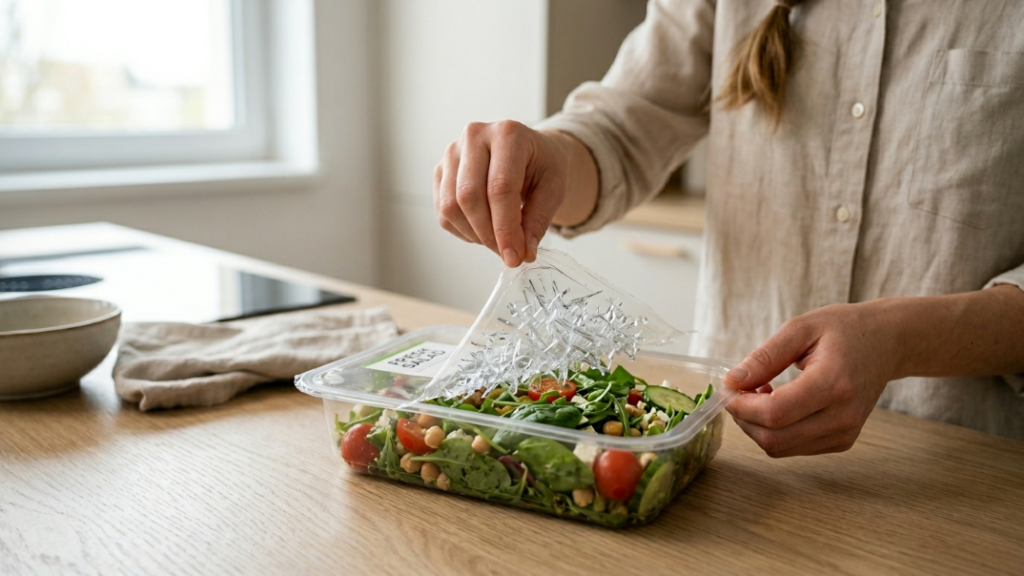
Every time you open a plastic-sealed container, tiny, microscopic shards of plastic can fall into the food and research shows we might be consuming a “credit card’s worth” of plastic every year just from packaging.
Bio-Engineered Preservatives

Synthetic emulsifiers allow companies to maintain bread softness for extended periods of several weeks. The products maintain their shelf life, but they create confusion for your gut bacteria, which leads to difficulties in your body identifying actual food sources.
The “Healthy” Sugar Trap

Packaged foods often hide sugar under 60 different names, like brown rice syrup or agave and even “savory” items like pasta sauce are often loaded with sweeteners to keep you coming back for more.
Endocrine Disruptors in Cans

Metal can linings in numerous products contain either BPA or its advanced alternatives and these chemicals can mimic hormones in the body, subtly interfering with your natural biological signals.
Artificial Dye Overload

The bright colors in sodas and candies are often derived from petroleum and many countries have started banning these dyes because they are linked to changes in focus and energy levels in children.
Sodium Beyond the Shaker

Packaged food uses massive amounts of salt not just for taste, but as a cheap preservative. People who prepare home meals normally use less sodium than the product contains since the product includes “hidden” sodium.
Air-Tight Nutrient Loss
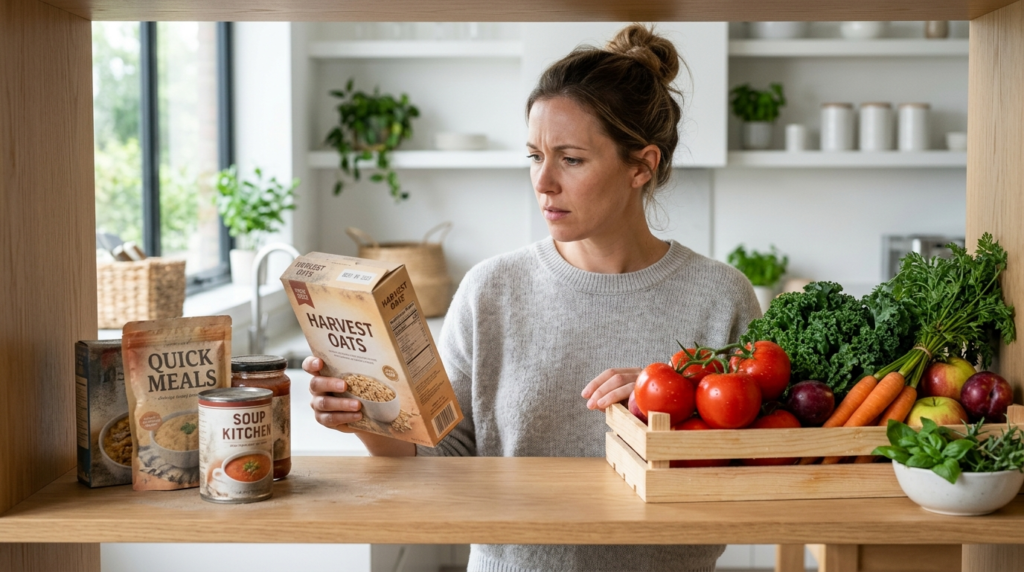
The longer a food sits in a package, the more its vitamins break down and the actual nutrition of your “vitamin-enriched” snack will have experienced major loss during its storage time before you eat it.