
 Sophia Davis
 The world of advanced self-improvement programs has created a situation where people select “micro-habits” as their main method for self-improvement. The tiny changes which need less than two minutes create significant benefits for mental and physical health. People require the habits now because they developed easier ways to practice which assist them in reaching their goals.
The Five-Second Rule for Action

People should use the five-second countdown method to stop themselves from putting off their work. You should begin to act when you want to accomplish a goal by counting down from 5 to 1 and moving your body and your mind maintains its focus through the time constraint because it prevents excessive thinking and work-related distractions.
Strategic Hydration First Thing

The simplest method to boost energy requires you to drink a full glass of water immediately after waking up. The body loses water during sleep which leads to the typical morning sleepiness known as brain fog. Your metabolism begins to work faster through this quick habit which also removes toxins from your system before you consume caffeine.
Digital Decluttering One File at a Time
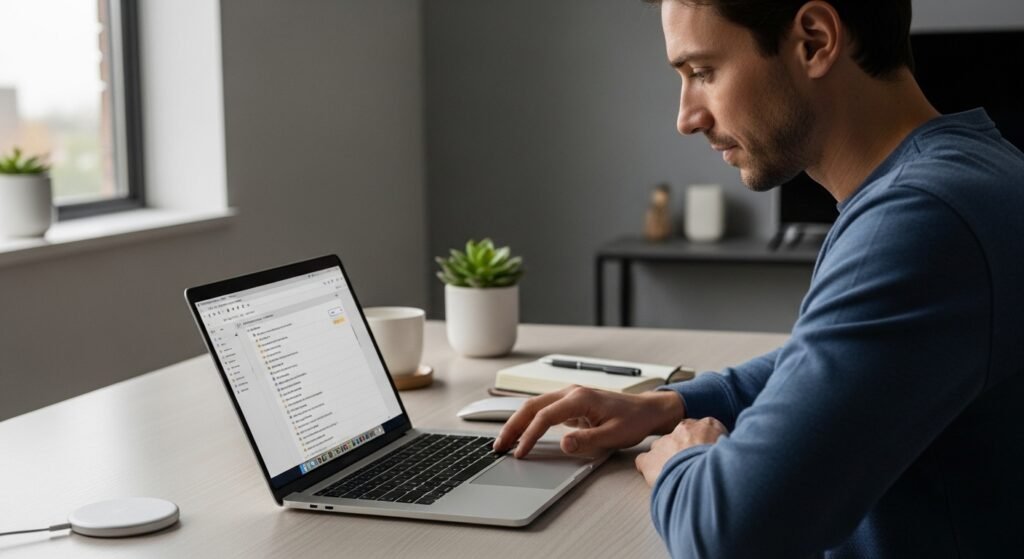
You should delete one unnecessary photo or old file from your device every time you use your phone or computer because this method takes less time than cleaning your entire device. The process of deleting unwanted files from your digital space creates an organized system which develops over time to reduce the anxiety caused by digital clutter and storage alerts.
The One-Minute Rule for Chores

You should complete your tasks immediately when they take less than one minute to finish which includes hanging up a coat or rinsing a dish or filing a document. The rule stops minor tasks from accumulating into a massive cleaning job which occurs at the end of the week.
Movement During “Dead Time”

You should treat your regular waiting times as signals to start moving. During your waiting period for the microwave or kettle to boil you should perform calf raises or stretches for one minute. The method changes worthless periods into useful intervals which help your joints maintain flexibility throughout the entire day.
Practicing “Phone-Free” Transitions

You should not use your phone when you move between different parts of your day from driving to work to waiting in line to shop. Short breaks between tasks help your brain create ideas while your brain gets rest which boosts your ability to concentrate and produce new ideas.
The Three-Win Reflection

You need to write down three small accomplishments you achieved throughout your day before sleeping. All accomplishments count which includes eating a healthy meal and having a good conversation with someone else. The basic method helps your brain learn positive things when you avoid focusing on stressful situations.
Pre-Sorting the Next Day’s Focus

You should take two minutes each night to write down your most critical task for the next day. Your main task for the next day should be chosen the night before because it prevents morning decisions which cause mental fatigue.
The “Standardized” Decision

You should stop using mental energy on tiny decisions which have no value by creating automated systems to handle these choices. Every weekday you can choose to eat the same breakfast or wear a specific outfit. You can maintain mental energy for important choices by removing all decisions which involve small details.