 Isabella Miller
 The Australian rainforest has revealed a rare “Zombie” tree species which challenges our understanding of living organisms. The ancient trees maintain their life status because they have active sap circulation through their trunk system but they cannot generate any seeds or fruit. Scientists are trying to find out how the “living ghosts” have managed to exist for such a lengthy period while they should have become extinct.
A Biological Dead End
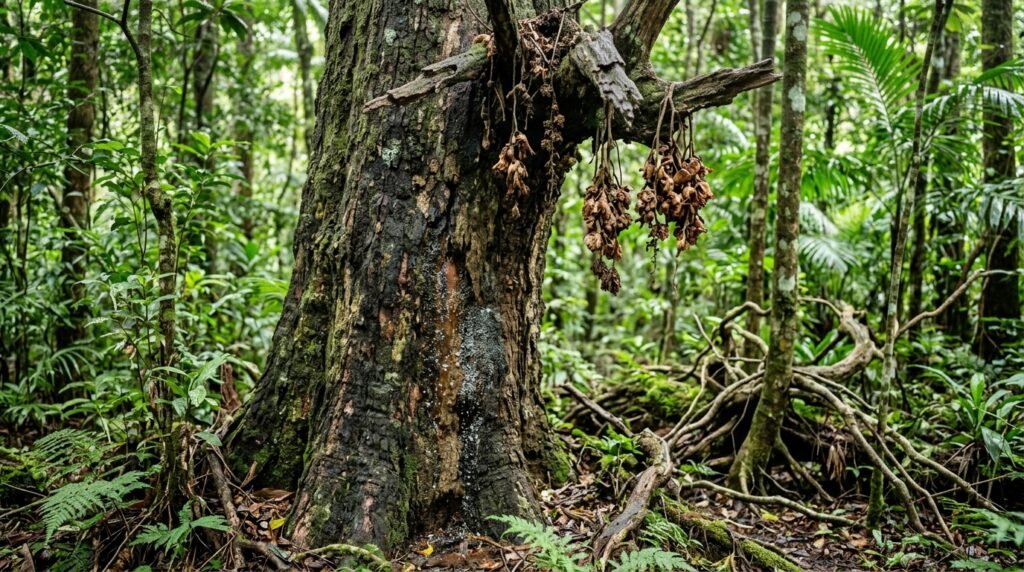
The term “Zombie” refers to the fact that these trees are functionally extinct. The individual plant continues to exist through its breathing and growth process yet it remains unable to produce any new plants. The species faces extinction because it cannot undergo evolution or natural reproduction.
The Power of “Root Grafting”
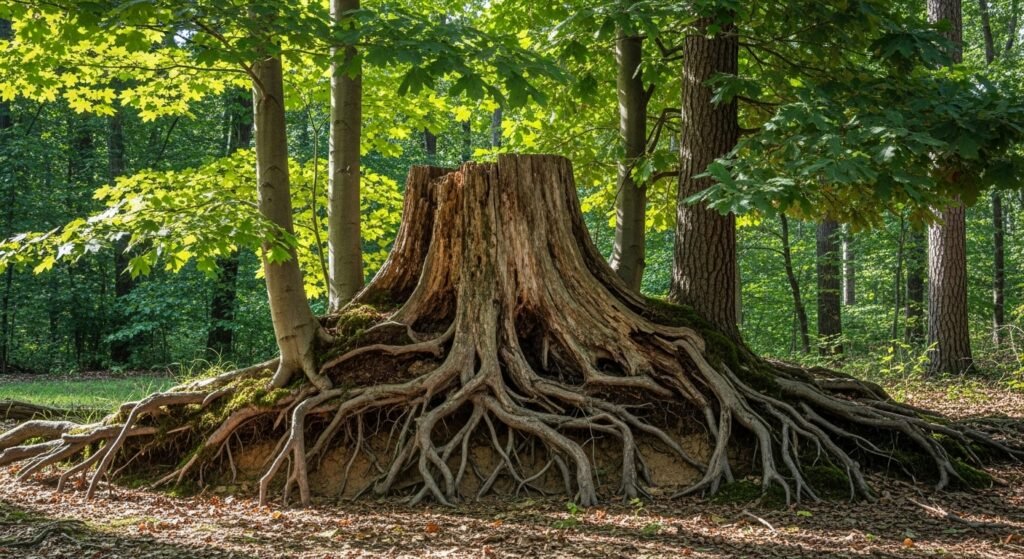
Real-life examples show these trees survive by physically fusing their roots with healthy, younger trees of different species and the underground network enables them to stay hydrated because they draw nutrients and water from the ground while their leaves have died.
Living on Borrowed Time
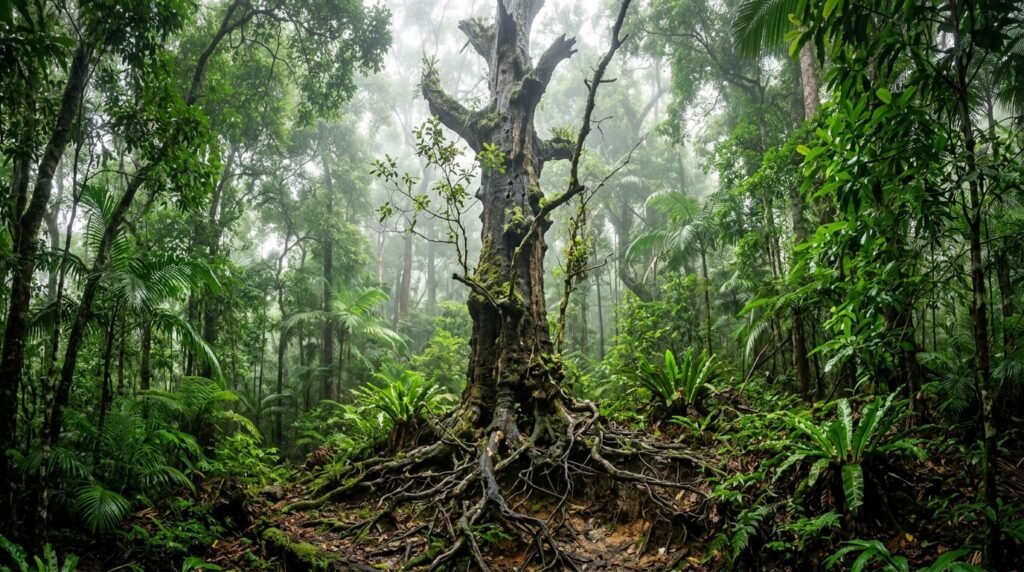
Some of these trees are estimated to be hundreds of years old and the surrounding forest functions as a life-support system which prevents them from dying by sustaining the trunk through shared resources.
The Loss of Pollinators
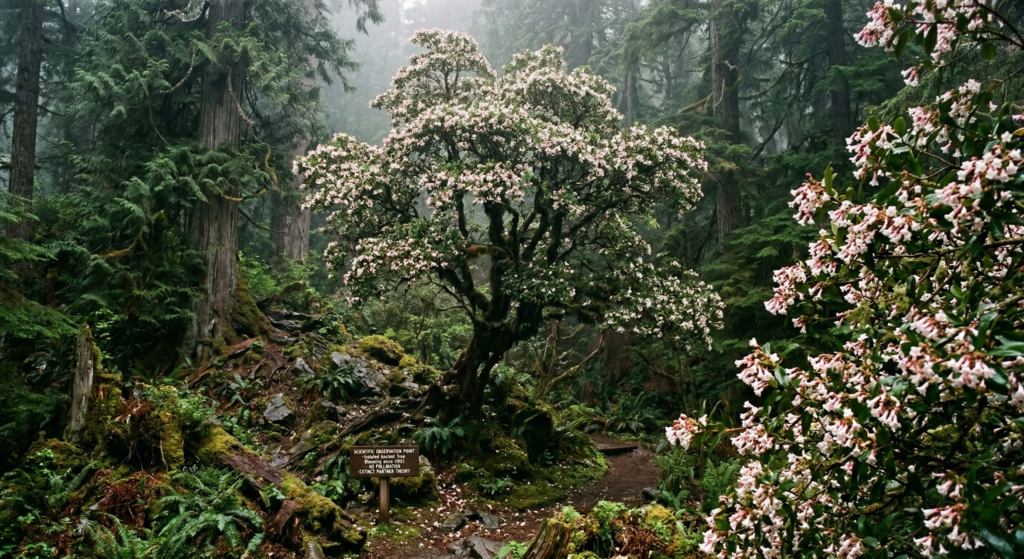
One theory suggests that the specific insect or bird needed to pollinate these trees went extinct decades ago. The tree keeps blooming without its partner but the flowers never develop into seeds which disrupts the reproductive process.
DNA Stagnation
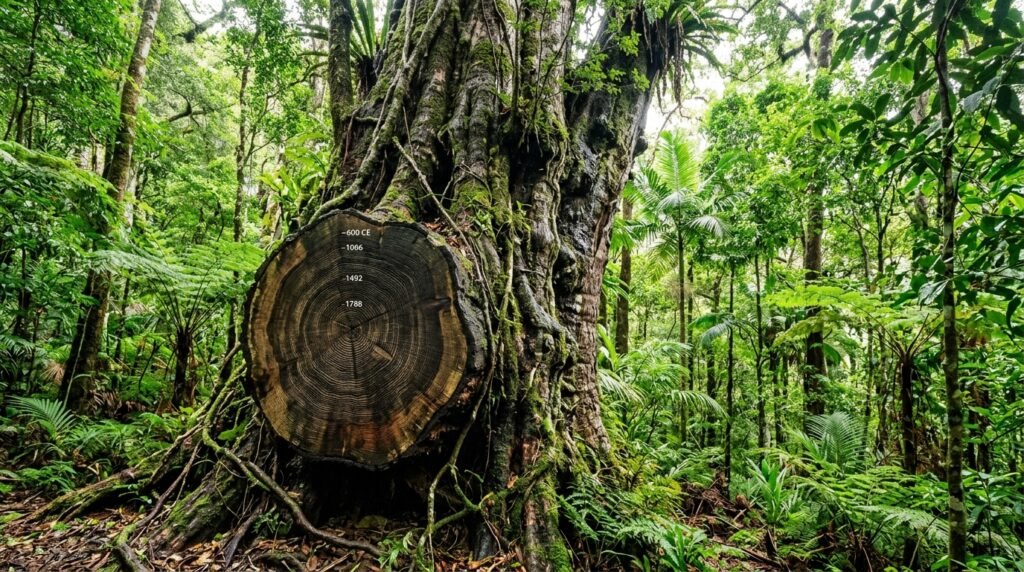
Because there is no reproduction, there is no genetic mixing. The DNA in these trees serves as a preserved sample which reflects the historical genetic composition of the species. Scientists use the specimens as time capsules which enable them to examine the climate conditions that prevailed in Australia during ancient times.
Climate Change Shock
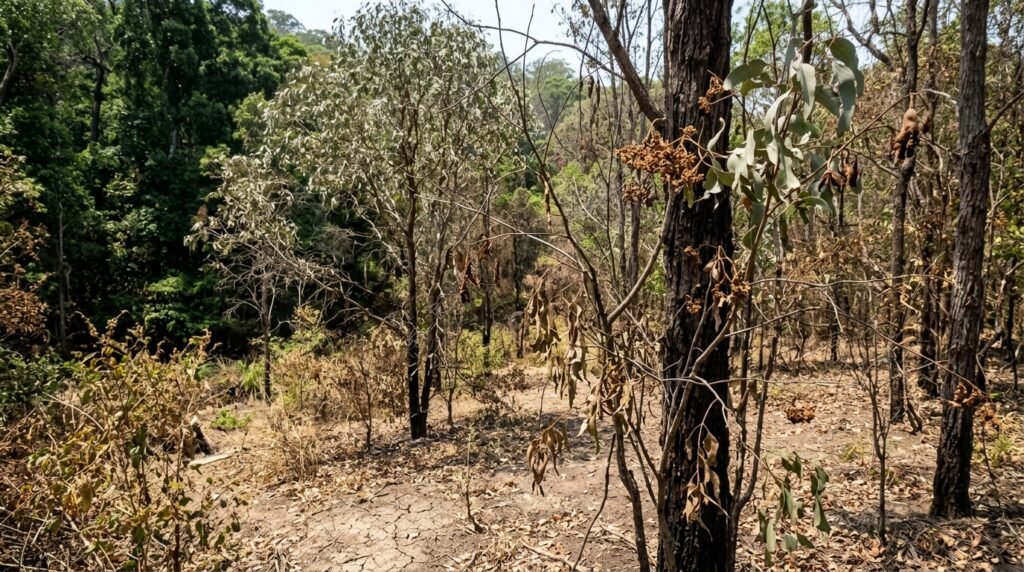
Rapid temperature changes have rendered some species incapable of reproduction through sterilization. Field research indicates that excessive heat during flowering time causes immediate pollen destruction which transforms a forest into a collection of plants that are unable to reproduce.
Self-Cloning Failures
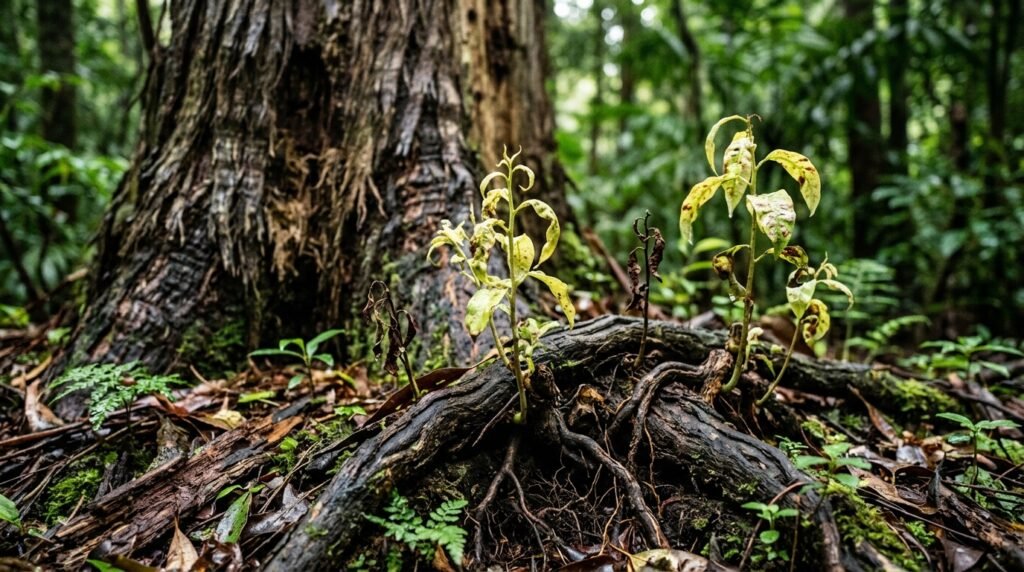
Some trees attempt to survive through the development of suckers or clones which emerge from their root systems. Zombie species struggle to create clones because their clones become weak or infected with diseases which prevent them from developing into complete trees.
The “Ghost” Canopy
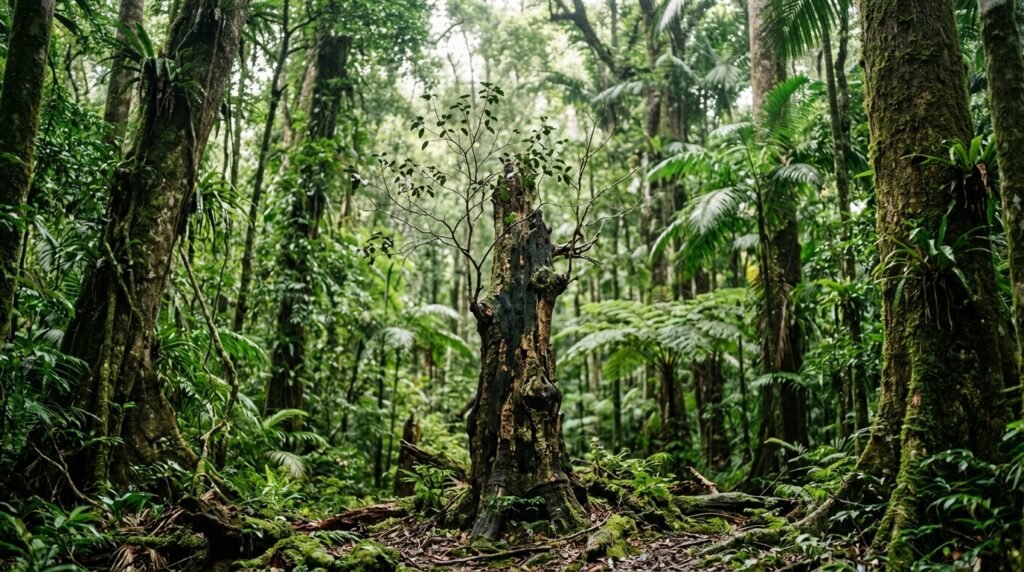
To save energy, these trees often stop growing tall. The tree maintains a minimal canopy which produces sufficient energy to sustain heartwood vitality while its growth operations stop.
Vulnerability to Fungi
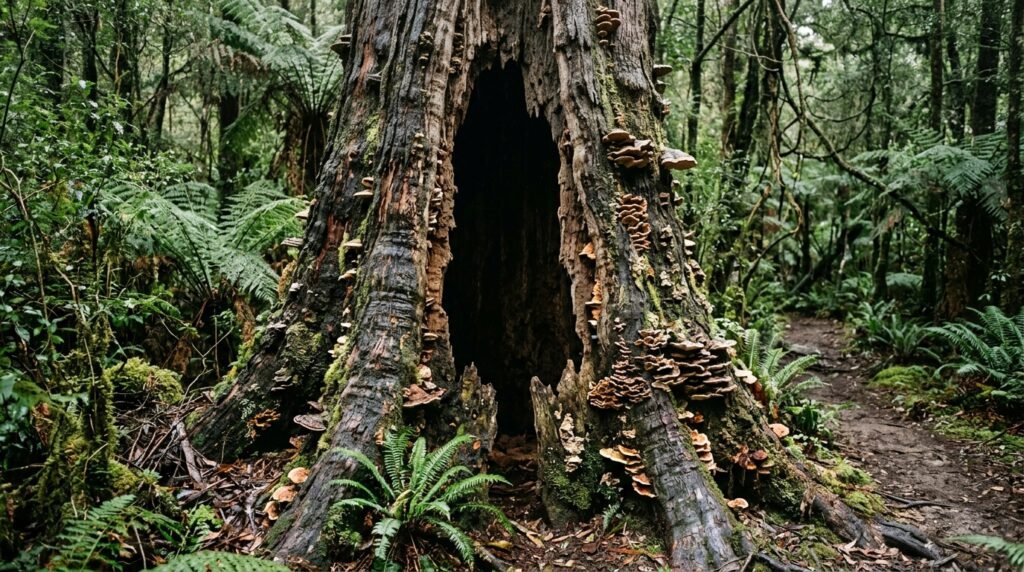
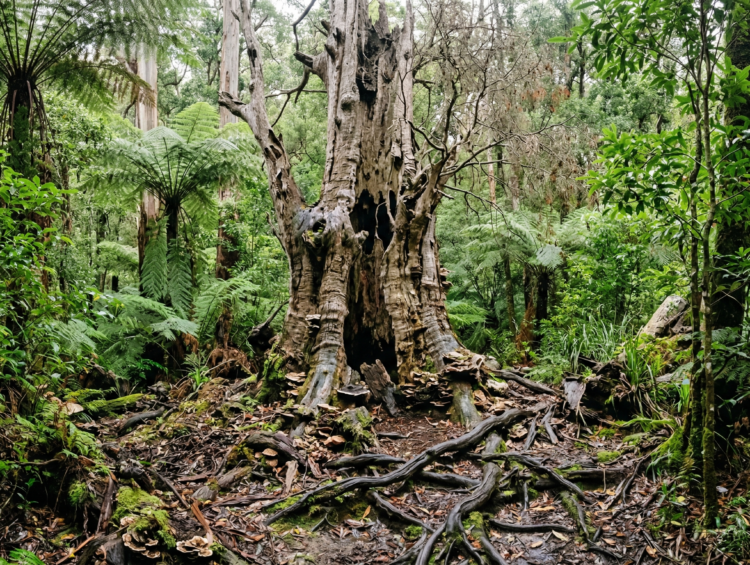
The energy deficit prevents zombies from producing protective resins which makes them vulnerable to decay. The objects usually appear as empty spaces which exist because the exterior shell and nearby root system remain the only things which hold them together.
Human Intervention Efforts
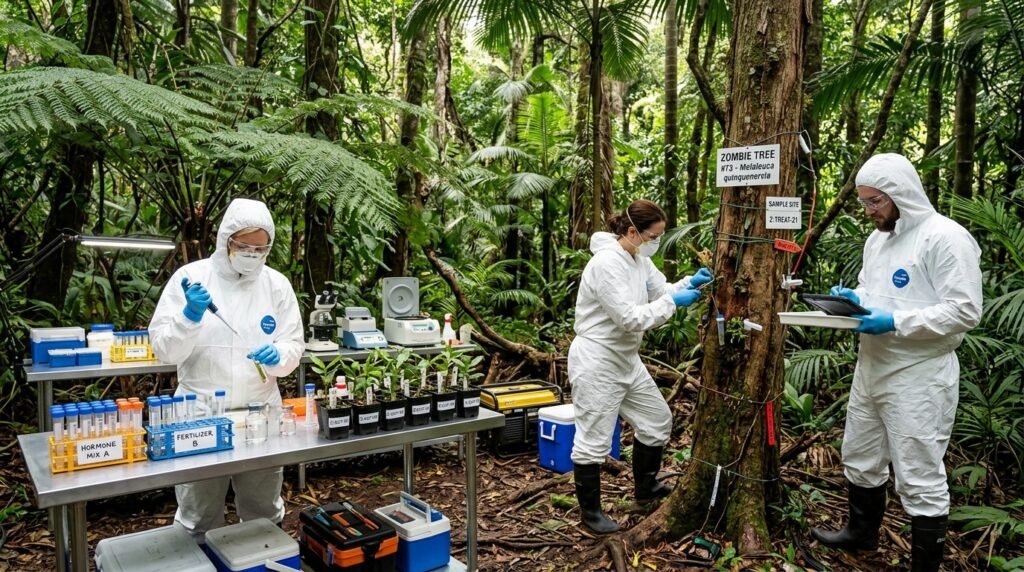
Botanists attempt to “wake up” the trees in laboratory settings by administering hormone treatments. The scientists aim to produce flowers through their methods which involve taking small plant sections and applying advanced fertilizers to achieve artificial pollination for upcoming plant development.
The Indicator Species
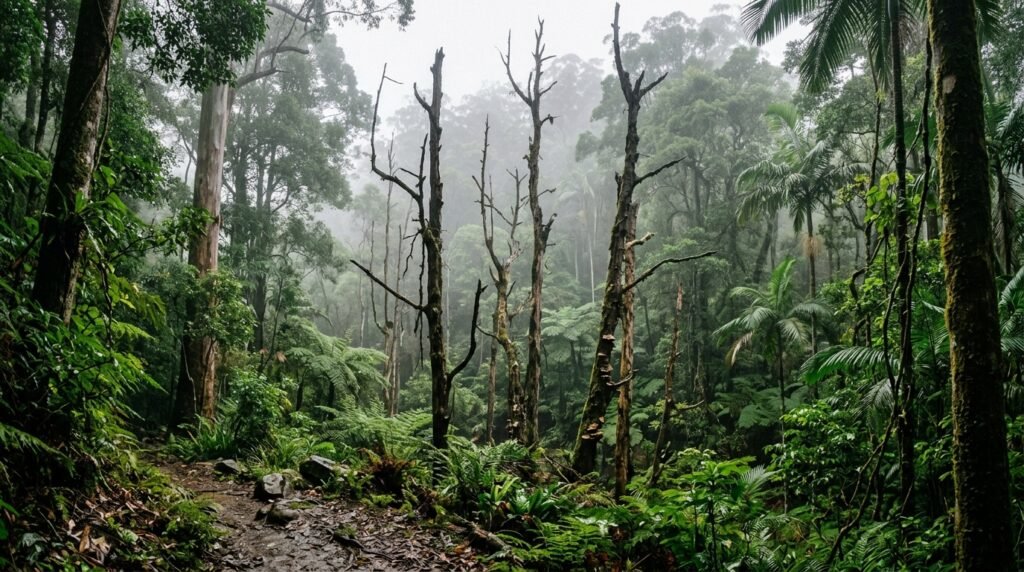
These trees function as danger signals which indicate forest health. The presence of “Zombie” trees signals ecosystem degradation which will soon affect other forest species.
A Symbol of Resilience
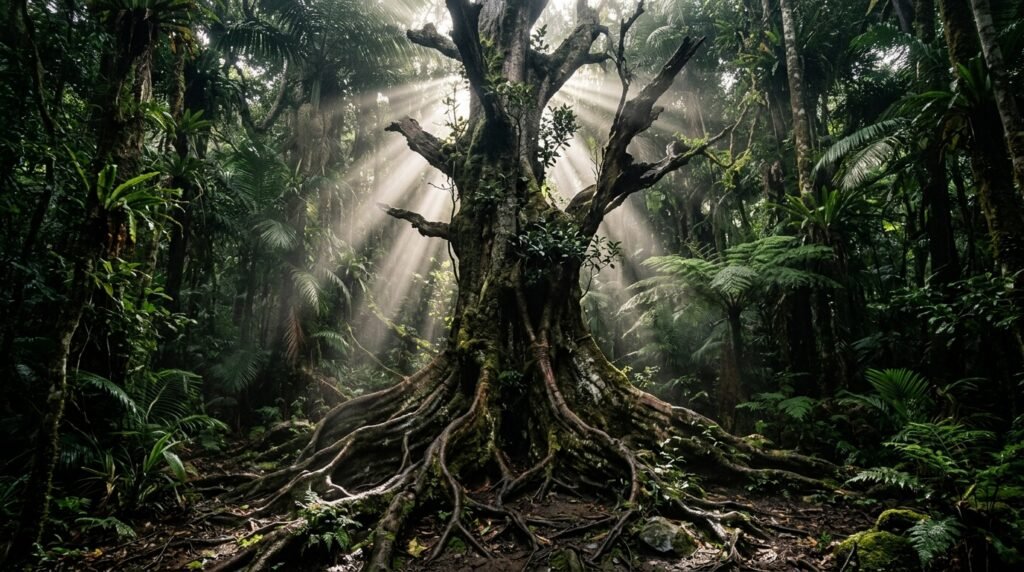
These trees will not perish because they lack the ability to create new offspring. The trees demonstrate nature’s most extreme survival method which uses every natural resource from the earth to fight against all challenges.