
 Isabella Miller
 The current market conditions that make traditional stock trading more unstable drive Gen Z to adopt Brain Wealth which describes cognitive performance as the most valuable asset. The investment pattern changes from using external applications to adopting Cognitive Portfolios which utilize technology to monitor and improve focus and memory and mental clarity. The young professionals use a startup approach to brain development because they value mental agility development more than immediate financial benefits.
The Investment In Neural Capital

Gen Z considers their cognitive abilities and creative skills as their main income source. They choose to invest their money in premium nootropics and brain-training services instead of purchasing fractional ownership of technology stocks.
The Process Of Monitoring Brain Activity In Real-Time
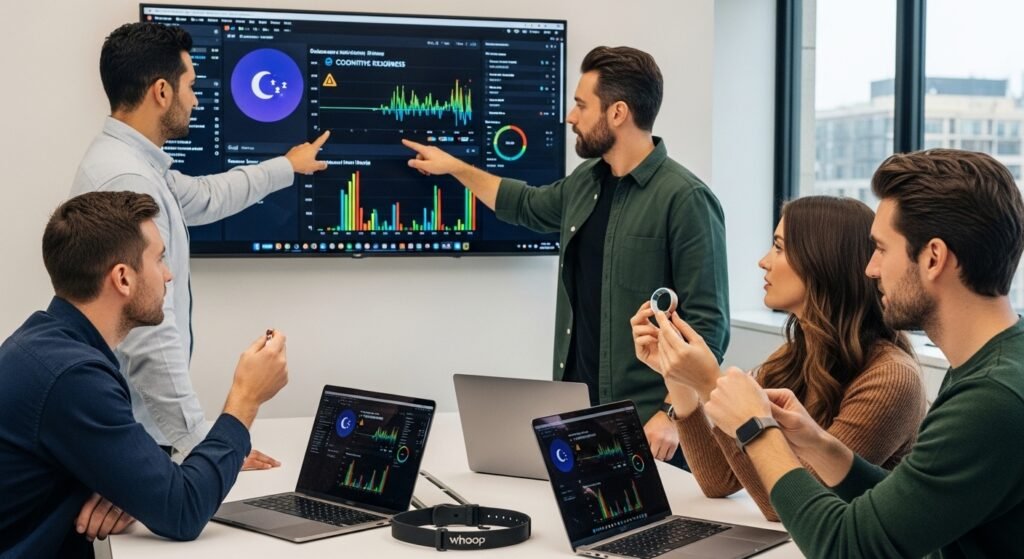
The Oura Ring and Whoop wearable devices track how sleep and stress impact Cognitive Readiness. The team changes their work schedule based on their data which indicates they are at risk of mental burnout.
The Popularity Of Deep Work Retreats

Young investors are abandoning conventional holidays in favor of monk mode retreats. The areas function as dedicated spaces which prevent digital distractions so users can improve their ability to maintain focus on difficult tasks for extended periods.
The Use Of Biohacking Techniques

Non-diabetic individuals use continuous glucose monitors which provide them with real-time data. Gen Z uses this data to see which foods cause “brain fog,” treating their diet as a fuel management system for their internal processor.
The Practice Of “Doomscrolling” Has Been Replaced

Digital feeds are being selected and organized by users who treat them as stock portfolios. They “unfollow” low-value entertainment and “buy into” high-signal educational content to ensure their mental environment is high-quality.
Neuroplasticity Serves As A Permanent Investment

Learning a difficult new skill, like coding or a rare language, is seen as a “long-term bond.” The researchers think that maintaining brain plasticity will provide the best protection against future economic changes.
Mental Health Maintenance Funds

Therapy budgeting and meditation app expenses have changed from being seen as costs to now being treated as protective maintenance. Just as an investor wouldn’t let a building crumble, Gen Z invests in emotional regulation to keep their “Cognitive Portfolio” stable.
The Work Schedule That Follows “Circadian” Patterns

Young professionals are rejecting the 9-to-5 in favor of schedules that match their biological peaks and through their working schedule which works according to their brain high-performance times, they achieve superior results for their hourly productivity.
Digital Minimalism Functions As A Valuable Business Resource

Aggressively deleting apps and turning off notifications is seen as “protecting the principal.” People today regard attention as the main digital commodity which social media companies use their power to control.
The Preference Of Gen Z For Soft Skills Development

As AI takes over technical tasks, Gen Z is investing in empathy and leadership training. Their prediction states human cognitive abilities which only humans possess will become the most valuable stocks in 2026 economic landscape.
The Application Of “Smart” Workspaces
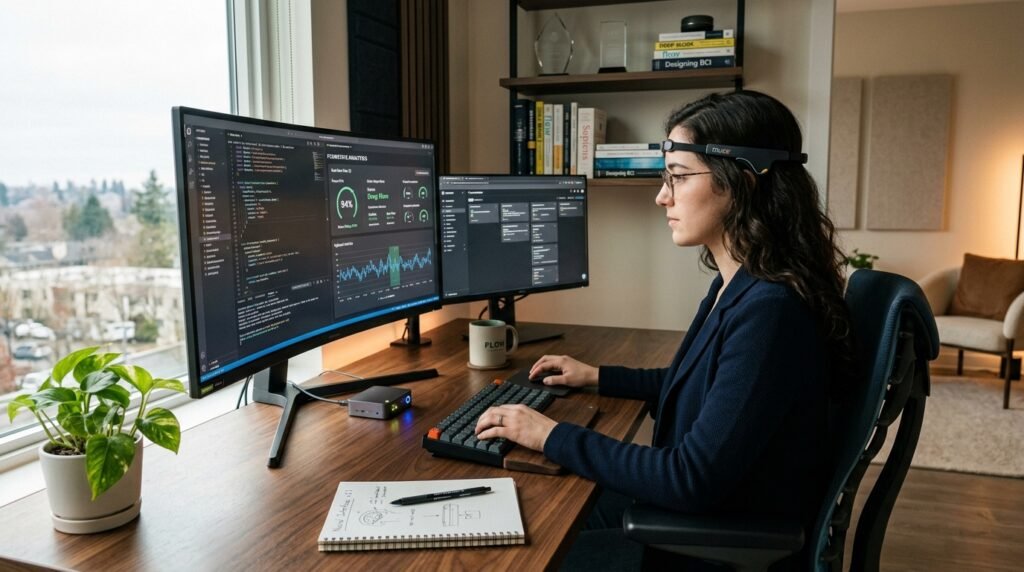
Startups now sell brain-computer interface systems which create atmospheric conditions to help users achieve Flow State. Home offices which achieve a 10% IQ gain provide better return on investment than high-yield savings accounts.
The Process Of Cognitive Legacy Development

Younger generations show better understanding about the factors which positively impact brain health longevity. The individuals now invest in Brain Wealth to block cognitive decline which will ensure their human capital lasts until their financial resources deplete.