 Isabella Miller
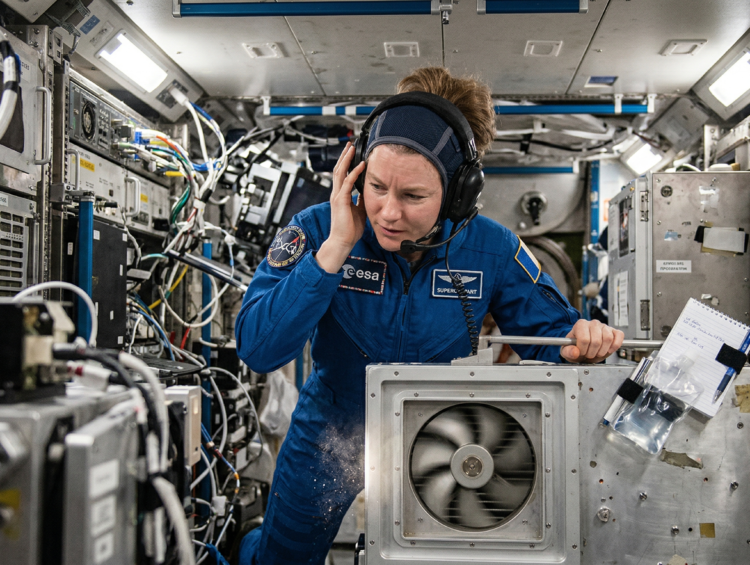
 The International Space Station (ISS) maintains continuous operation without any periods of total silence. The interior of a spacecraft generates persistent noise from its operational equipment which now results in actual hearing impairment for its onboard teams. NASA and other space agencies now consider acoustic stress to be an essential safety threat for lunar and deep space missions because missions will extend longer than current operations starting in 2026.
The 24/7 Mechanical Hum
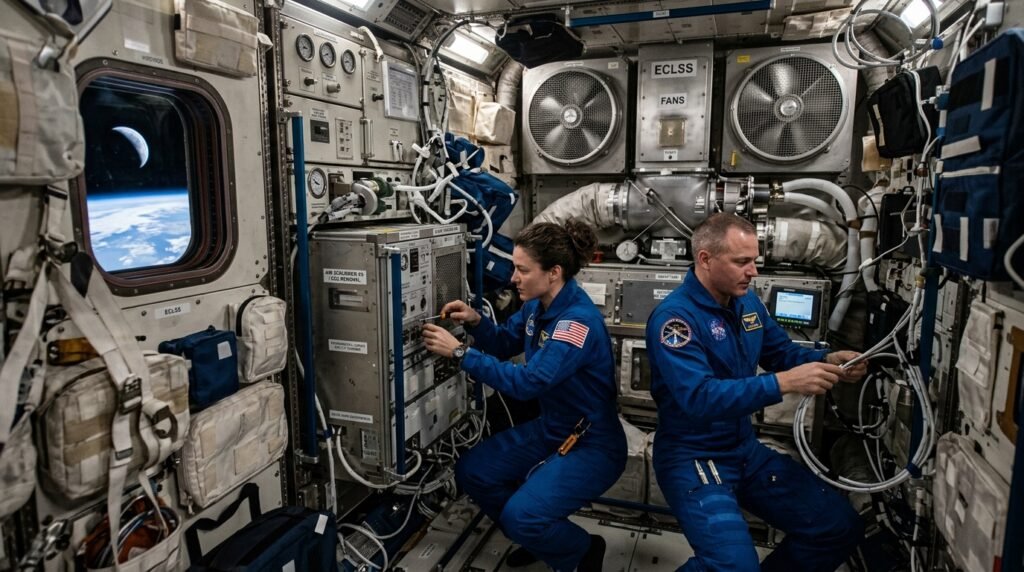
The entire operation functions as a massive machine because astronauts reside within its boundaries. The life-support systems need to function continuously without interruption so that the fans and carbon dioxide scrubbers can maintain air quality. The permanent ambient sound, which typically reaches between 70 and 80 decibels, creates permanent ear contact that prevents ears from achieving any recovery period.
Temporary Threshold Shift
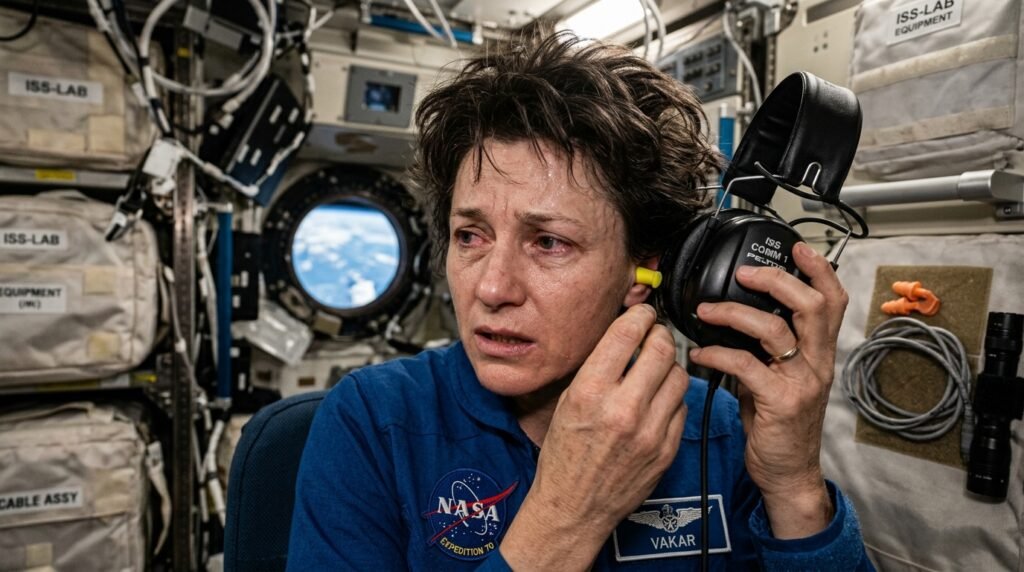
Astronauts report experiencing immediate “muffled” hearing loss after they complete tasks that expose them to excessive noise. Repeated exposure results in permanent nerve damage because the condition makes it difficult to hear high-pitched sounds as time passes.
The “Wind Tunnel” Effect
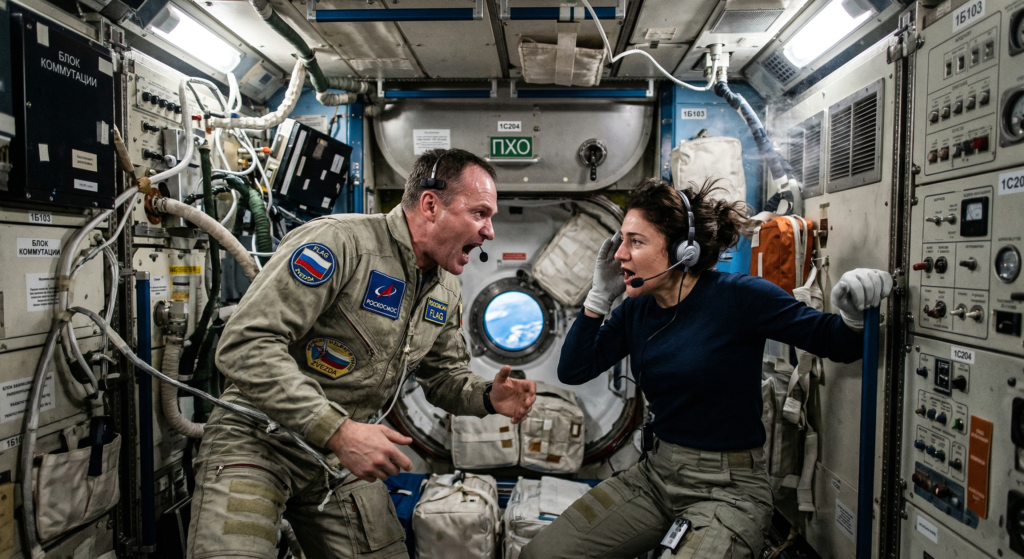
Russian Zvezda modules experience maximum noise levels at their tightest spaces which produce sound levels that match the intensity of nearby highway traffic. Astronauts need to yell their words to communicate, which causes vocal injury and results in incorrect information transmission during vital space operations.
Hardware Vibration in Microgravity
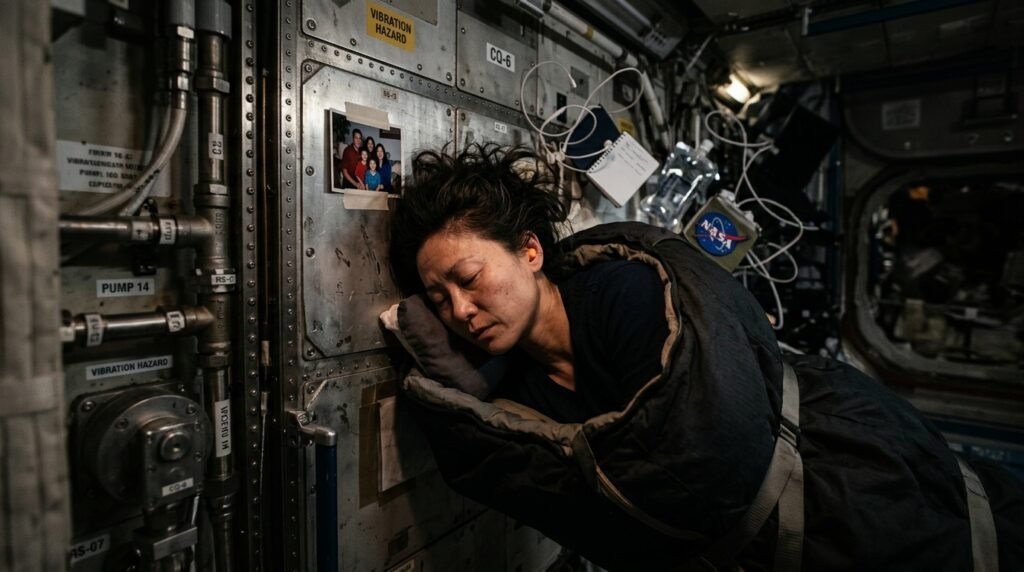
Sound waves vanish from Earth. In space, metal tubes allow pump vibrations to move through their entire structure, including walls and floors. An astronaut sleeping near a vibrating bulkhead will experience sound transmission through their skull bones.
Communication Headset Fatigue
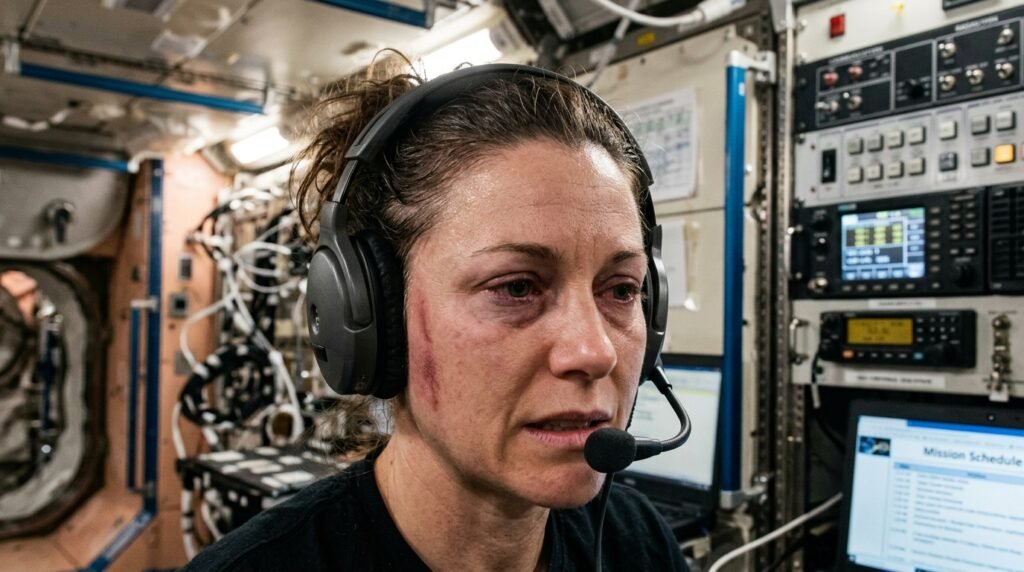
Crews need to wear headsets throughout their mission control hearing time. The total “on-ear” noise from radio communications together with the cabin hum in 2026 will result in increased tinnitus symptoms among experienced space travelers.
Localized “Hot Spots”
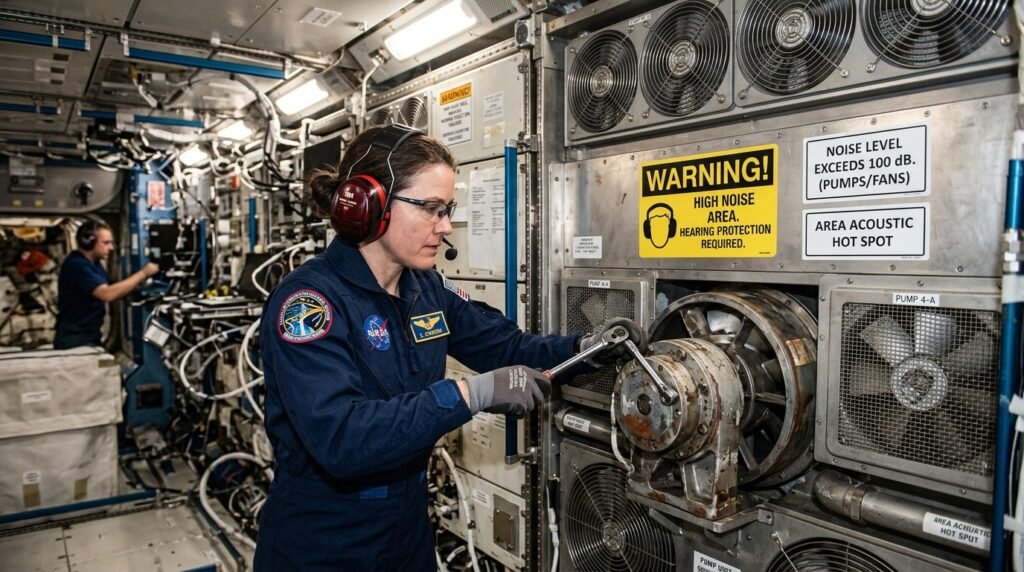
The station contains different noise levels which create specific loud areas. Astronauts who stay in these specific “acoustic zones” too much without protection will experience accelerated hearing loss because their surrounding environment produces noise levels above 100 decibels.
The Lack of Privacy
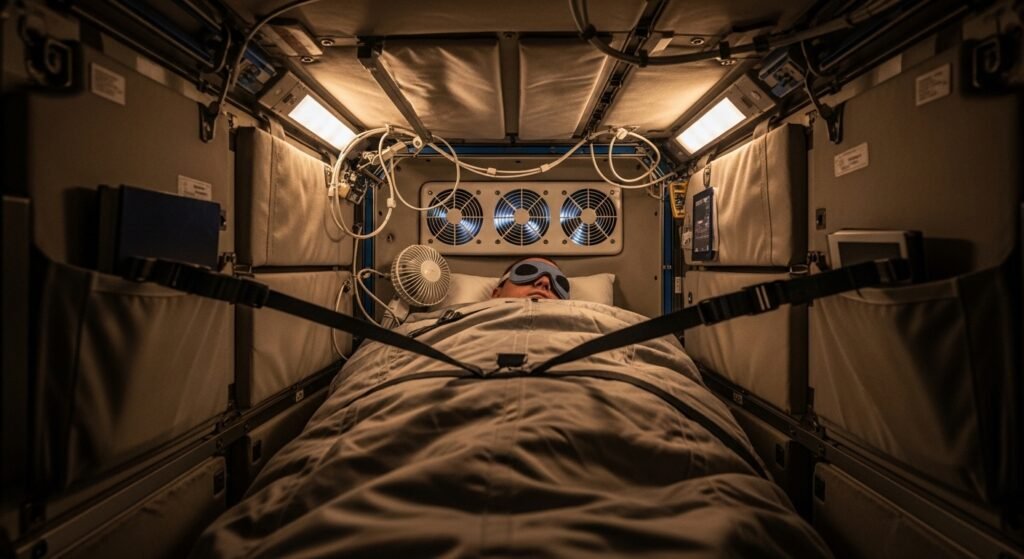
On Earth, you can go to a quiet room. In space, there is no silent corner. The sleeping areas contain cooling fans that generate continuous noise which prevents the brain from reaching “auditory rest”.
Airflow Turbulence
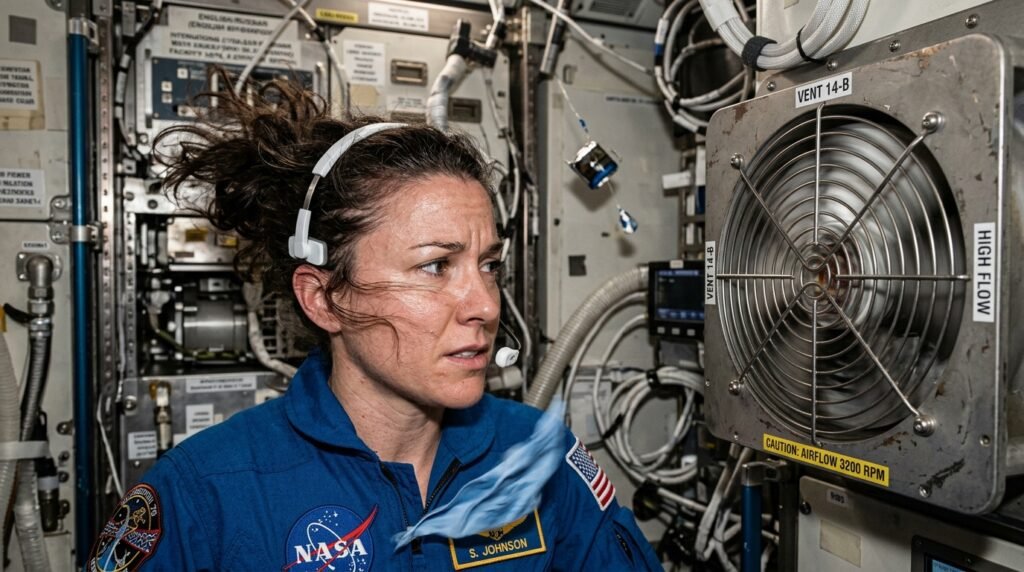
Fans need to create powerful air movement because it prevents “CO2 pockets” from forming around an astronaut’s head. The turbulent air movement produces an ongoing “whooshing” sound that stays close to the ears and results in permanent sensory overload.
The “Space Cold” Complication
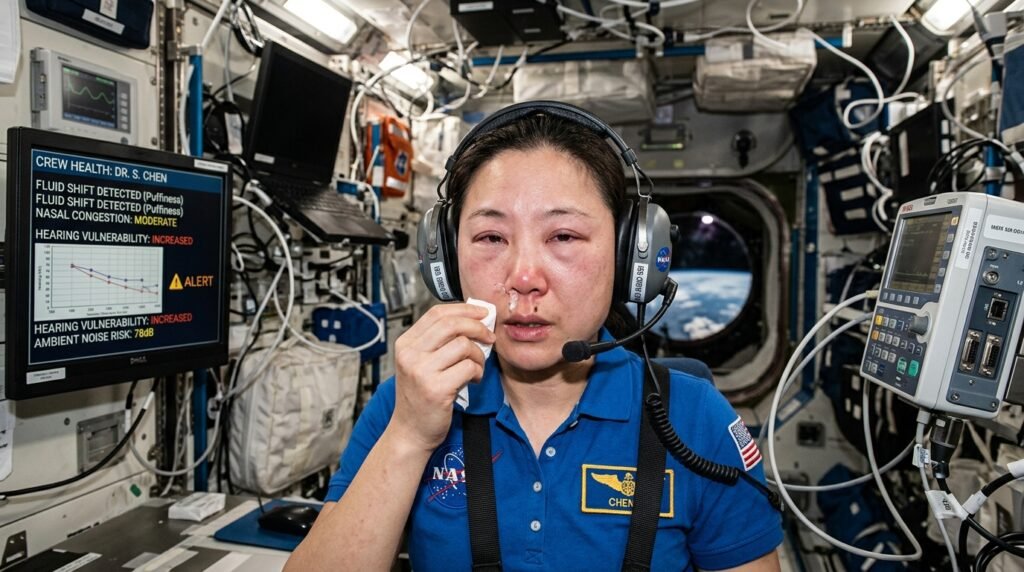
Astronauts experience nasal congestion because their bodily fluids move away from their original positions in microgravity. The “stuffy head” feeling causes inner ear pressure changes which increase their risk for hearing damage from loud noises that would not affect them as badly on Earth.