 Sophia Davis
 Social media usage has led people to treat food as fast entertainment which replaces its function as basic food. Every few months an ordinary ingredient—such as feta cheese or pickles—becomes a worldwide necessity after it receives sudden fame from obscurity. The process of change from one state to another happens through specific psychological triggers together with particular digital behavior patterns that make dishes become popular on social media.
Visual Drama and the Scroll-Stop Factor
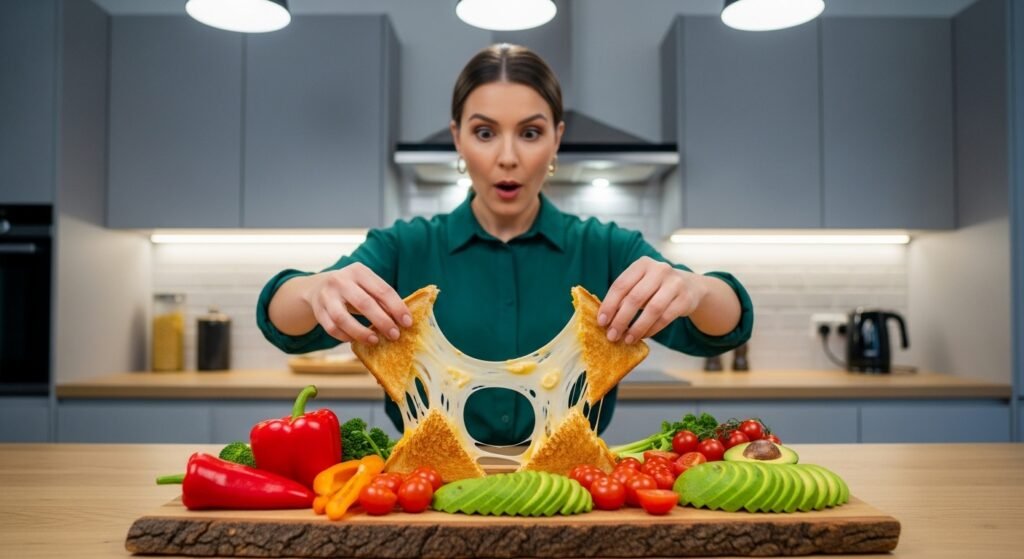
A dish needs to possess both immediate recognition and powerful visual appeal to achieve viral status. Social media platforms establish their main focus on “eye candy” which means that dishes with bright colors and high texture contrast plus good “stretch” effects such as melting cheese and oozing chocolate hold the highest value. A dish that succeeds in stopping someone from scrolling through content has already achieved its main success.
The Power of Simplicity and Replicability

The most effective viral recipes require actual cooking ability from normal people and need only basic kitchen equipment. People find dishes which allow them to prepare meals with three or four basic ingredients or one cooking item to be highly “shareable” because these dishes feel simple to make. When viewers think the meal needs to be prepared tonight they will save the content and attempt to make it.
Sensory Appeal Through Sound
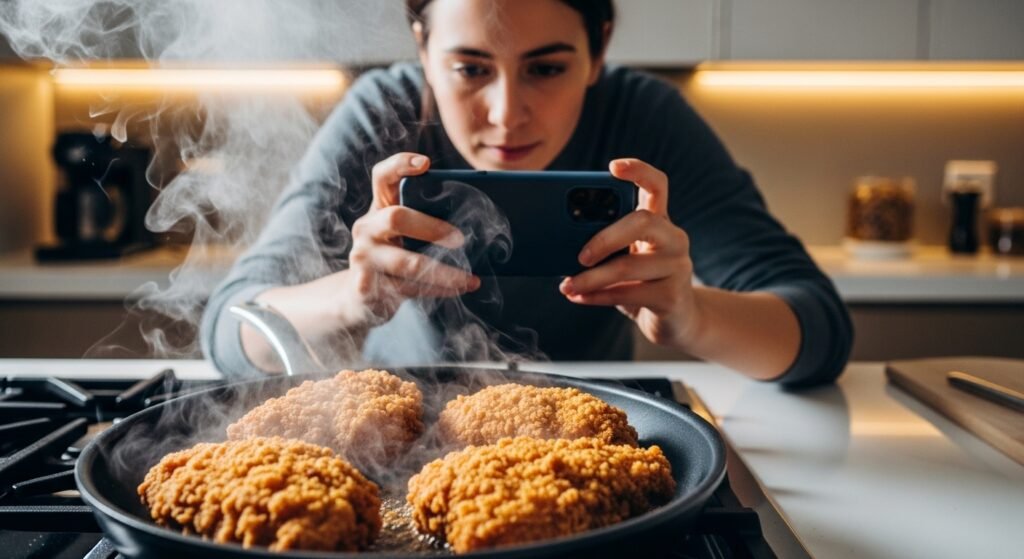
Viral food extends its appeal beyond visual elements to include auditory components. ASMR trends tend to emphasize the sounds created when people eat crunchy fried snacks and when they cook steak. The viewer experiences a physical reaction to these sounds because their crisp quality makes food appear more appealing and authentic than a silent image could.
Nostalgia with a Modern Twist

The majority of viral sensations transform familiar childhood favorites into adult-friendly editions. Elevated grilled cheese and “grown-up” breakfast cereal create emotional connections through their ultimate dish experience. The items provide emotional comfort through their nostalgic design yet present the past in a modern fashion that remains fashionable today.
Participation as a Digital Badge
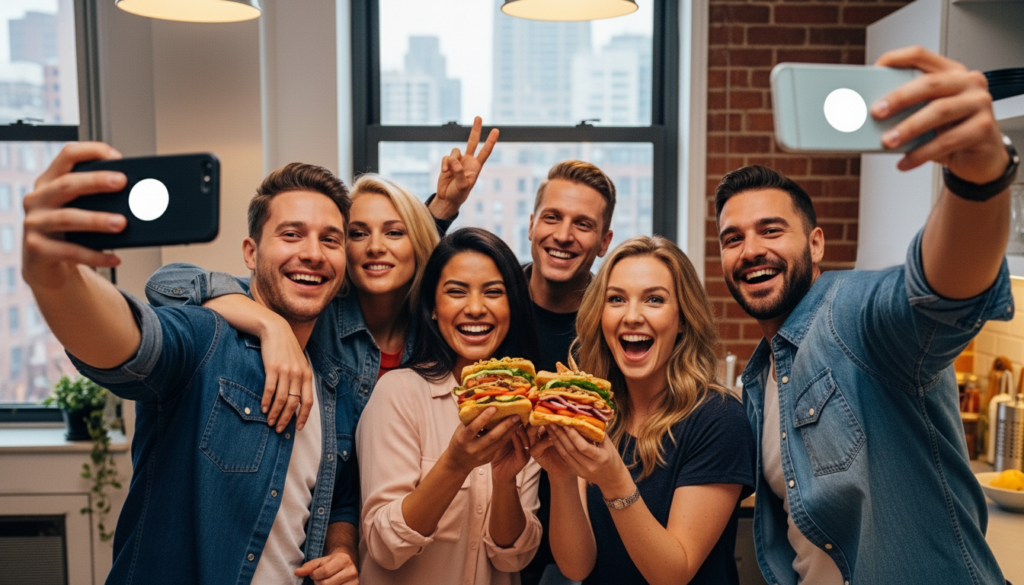
Friends become aware of your status through your online post about popular food items. People participate in the digital world when they recreate viral recipes which help them join the worldwide conversation. The food functions as a “badge” which shows that the creator possesses both cultural relevance and active community involvement.
The Algorithm Feed Loop

The platform starts to show content according to its algorithm after a group of users shares their food experiences. The system detects strong user interaction with particular content so it starts to share that content with additional viewers. The technology enforces a “snowball effect” because it forces people to watch a simple dish which has turned into a popular choice.
Texture-Focused Cravings
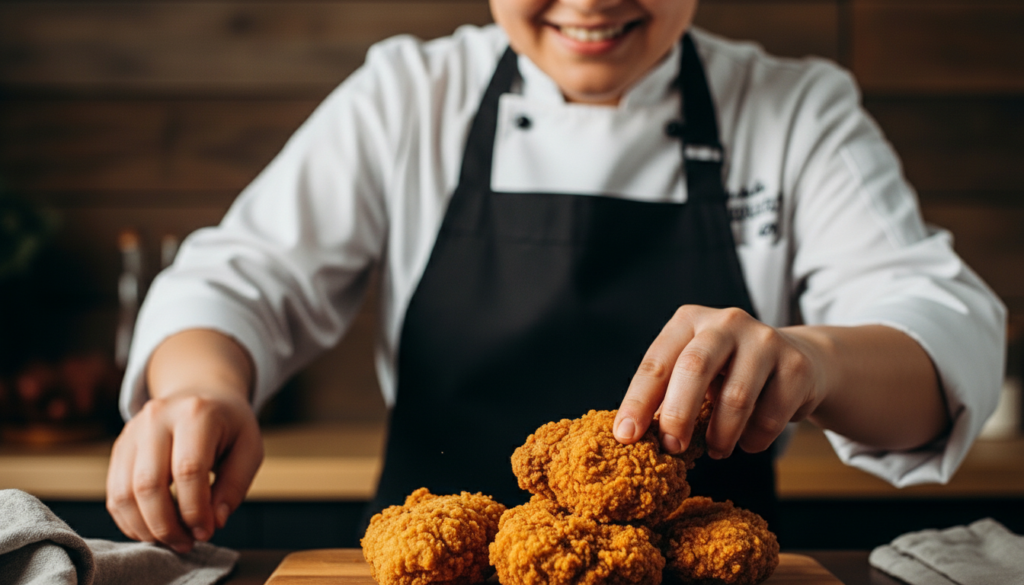
People now value mouthfeel as an equal food requirement with taste. Food items that achieve a high level of squishiness and crunchiness and chewiness currently dominate social media platforms. Viewers are drawn to the sensory experience of a texture they can almost feel through the screen which leads to a surge in popularity for items like mochi or extra-crispy fried chicken.
Global Fusion and Cultural Curiosity

Social media has blurred culinary borders which enables traditional street foods from one country to achieve popularity as “the next big thing” in another nation. The youth of today embrace “cultural crossover” because it lets them experience new foods and friend connections which turn local dishes into global culinary treasures.
Influencer Endorsement and Trust

People tend to ignore brand advertisements yet they treat creator endorsements as personal recommendations from their close friends. Influencers who share their authentic cooking methods create authentic trust with their audience through their behind-the-scenes content. The audience tends to replicate the meal which they watched.
The “Oddly Satisfying” Finish
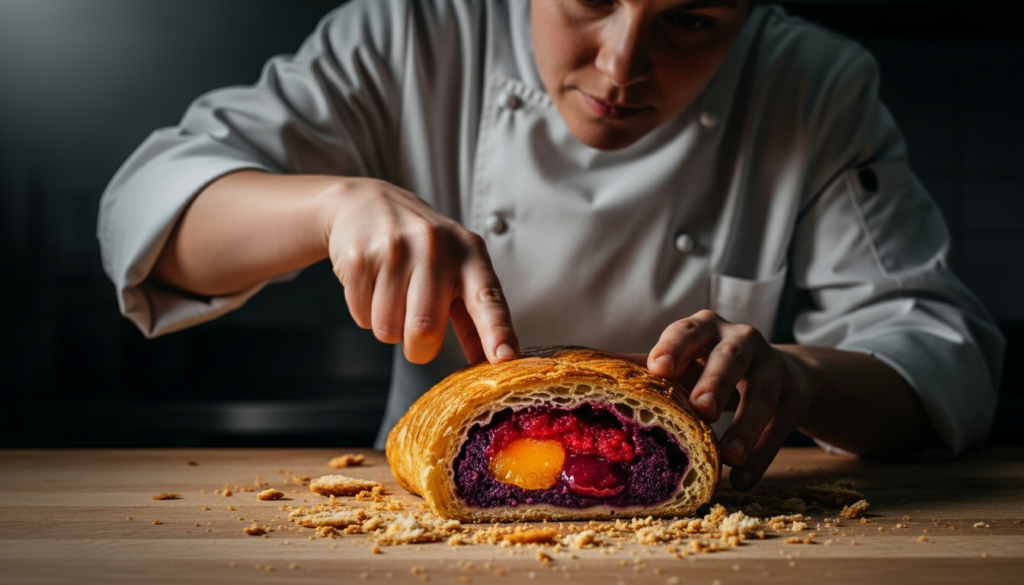
People experience psychological satisfaction when they observe an entire process from its beginning to its end. The majority of viral videos start with the “reveal” moment when chefs cut a cake or pour a sauce. The act of “transformation” brings deep satisfaction to humans which makes them watch the whole video until its conclusion and this behavior increases the content’s potential to go viral.