 Isabella Miller
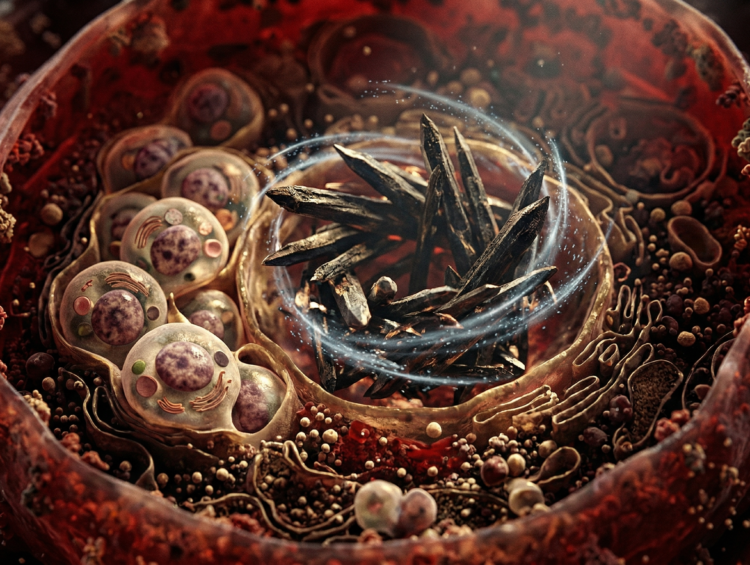
 Researchers have found a strange “engine” that operates inside the malaria parasite. For decades, researchers were baffled by tiny iron crystals that spun wildly inside the parasite’s cells. However recent research revealed that the crystals function as microscopic rocket engines which sustain the parasite’s existence.
The Discovery of Tiny Motors
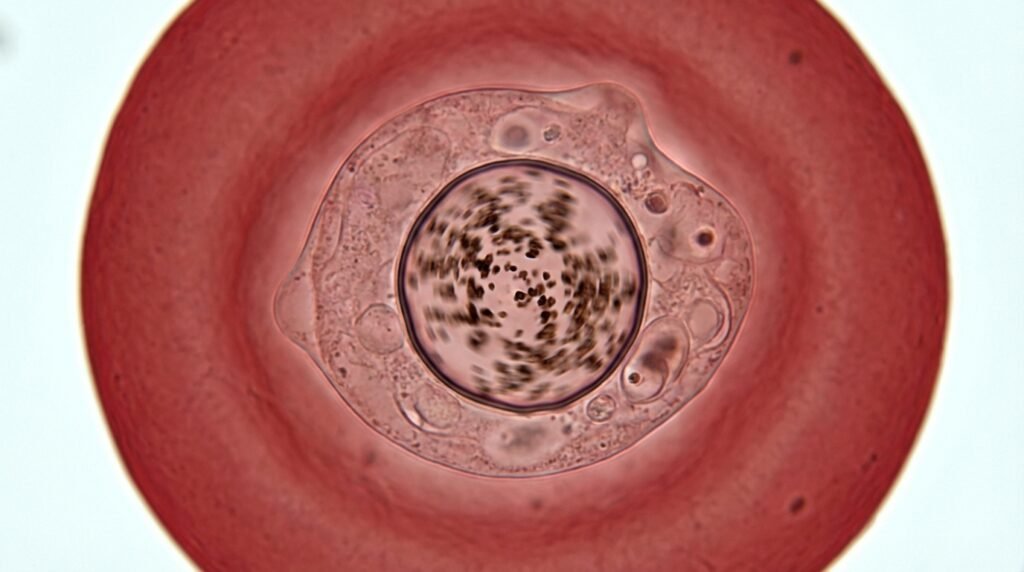
Every malaria parasite contains a small compartment packed with microscopic iron crystals called hemozoin and the scientists discovered that the crystals move continuously throughout their environment because they exhibit spinning and bouncing and colliding behavior which resembles “rocket engine” operation at a microscopic level.
Powered by Rocket Fuel
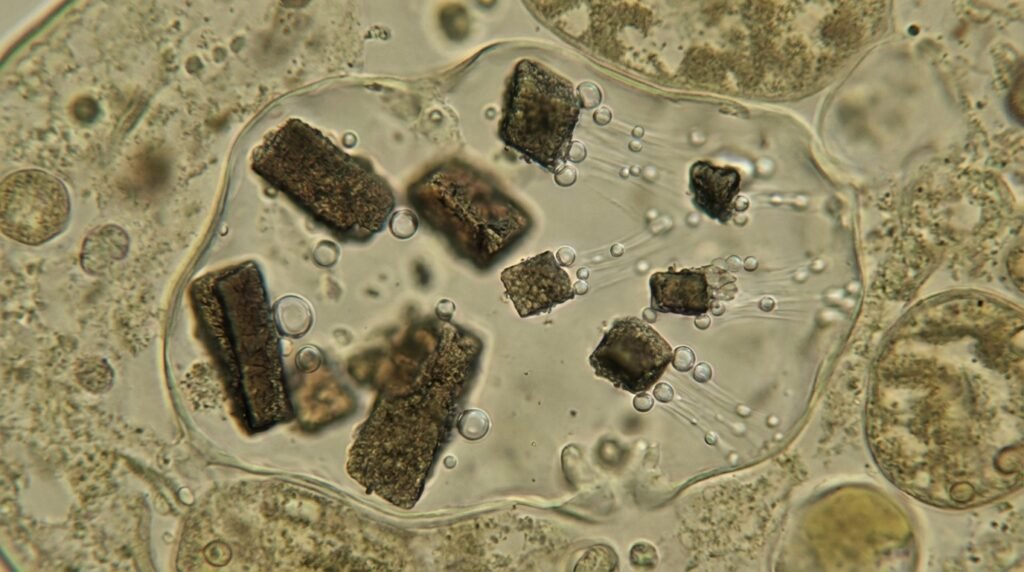
The crystals become forcefully launched through hydrogen peroxide decomposition which operates through the exact chemical procedure that enables satellite and rocket launches into outer space. This is the first time this specific type of “rocket propulsion” has been seen in a living organism.
A Natural Waste Management System
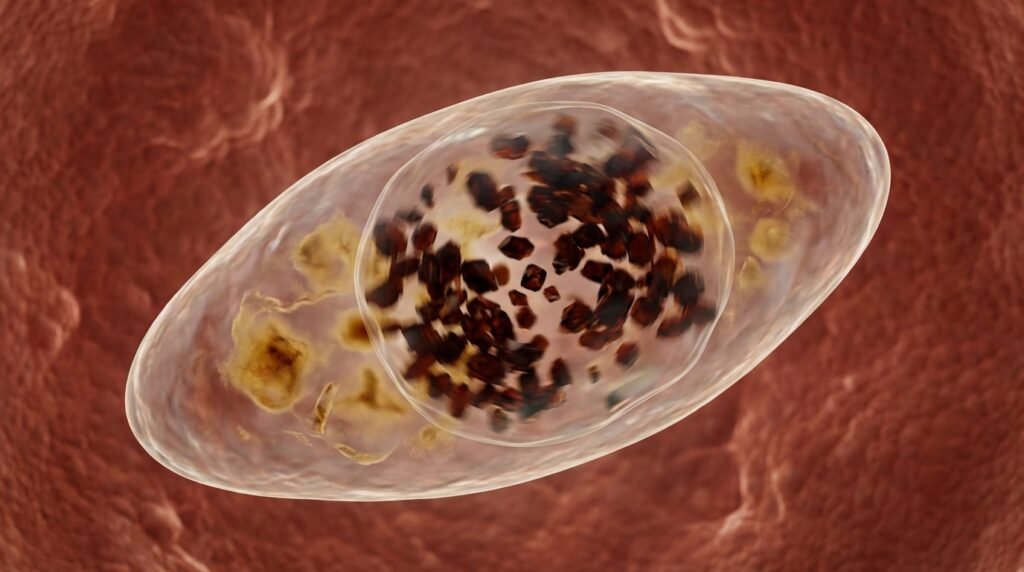
The parasite produces hazardous waste materials which result from its blood consumption. The parasite uses its spinning crystals to transform hydrogen peroxide into harmless substances which protect its internal structures from potential harm.
Preventing “Crystal Clogs”
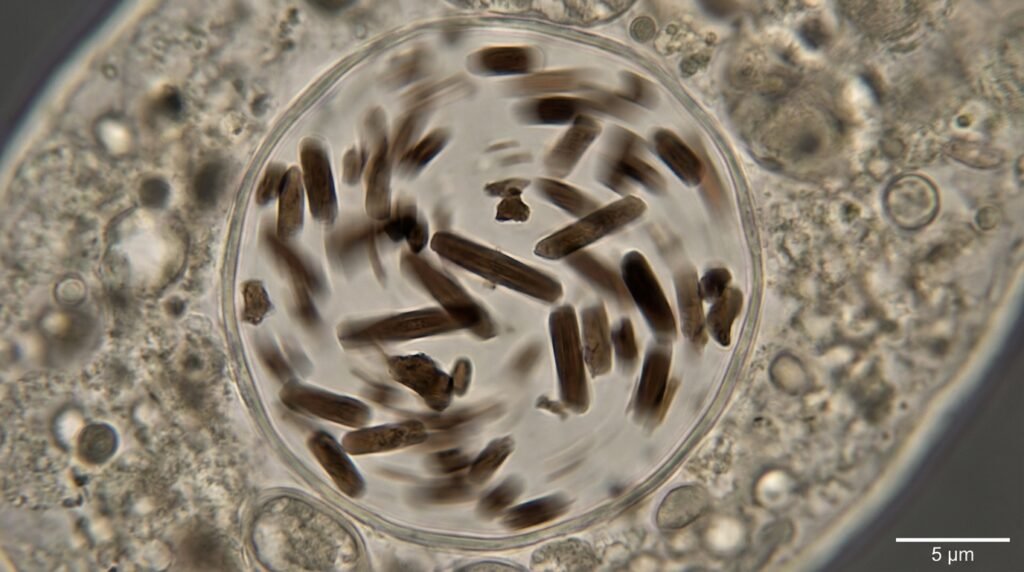
The crystals maintain their separate existence because of their perpetual spinning motion which prevents them from merging into larger formations and the parasite’s toxic iron waste would lead to its death if it became unable to store its dangerous iron waste effectively.
The “Dead Man’s Switch”
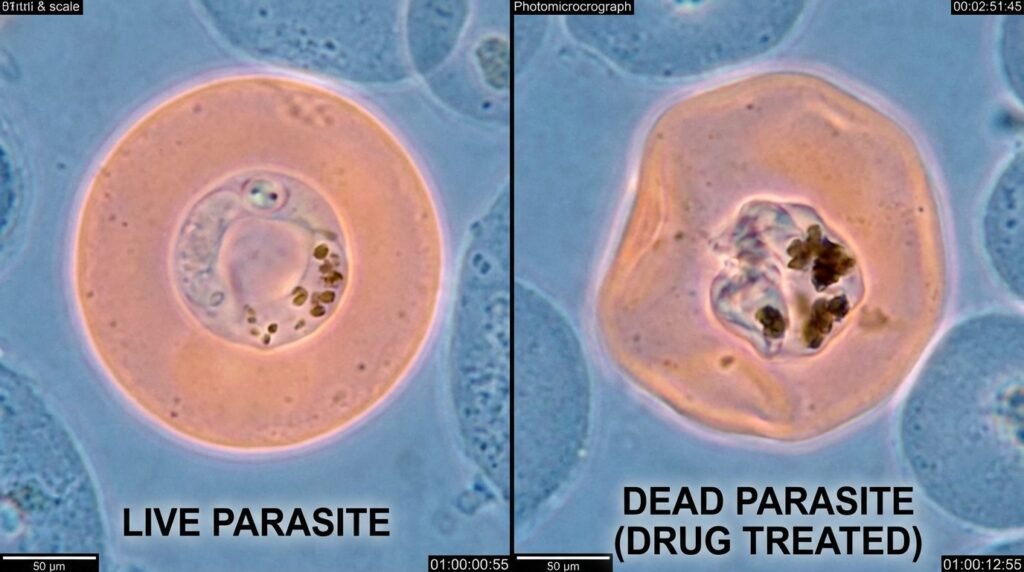
Researchers observed that crystal spinning stops immediately after a malaria parasite dies and scientists use this motion as a “heartbeat” to determine parasite life status while measuring drug effectiveness against parasitic infections.
A Weakness to Exploit
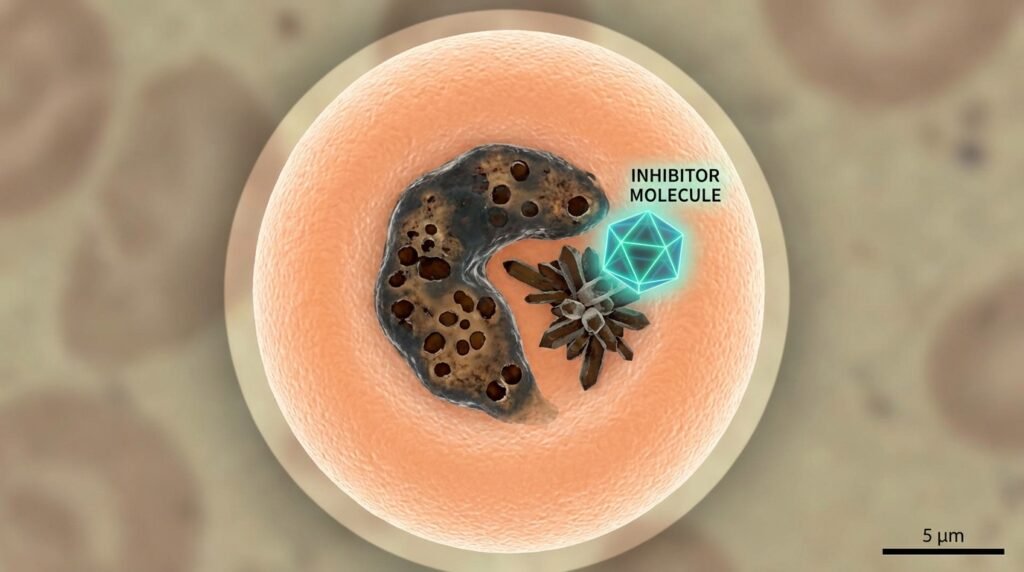
The special “rocket” mechanism which exists only in malaria organisms serves as an effective target for developing new drugs because it does not occur within human bodily cells. Researchers are identifying methods to disable the engine which will kill the parasite without harming the patient.
Inspiration for Nanobots
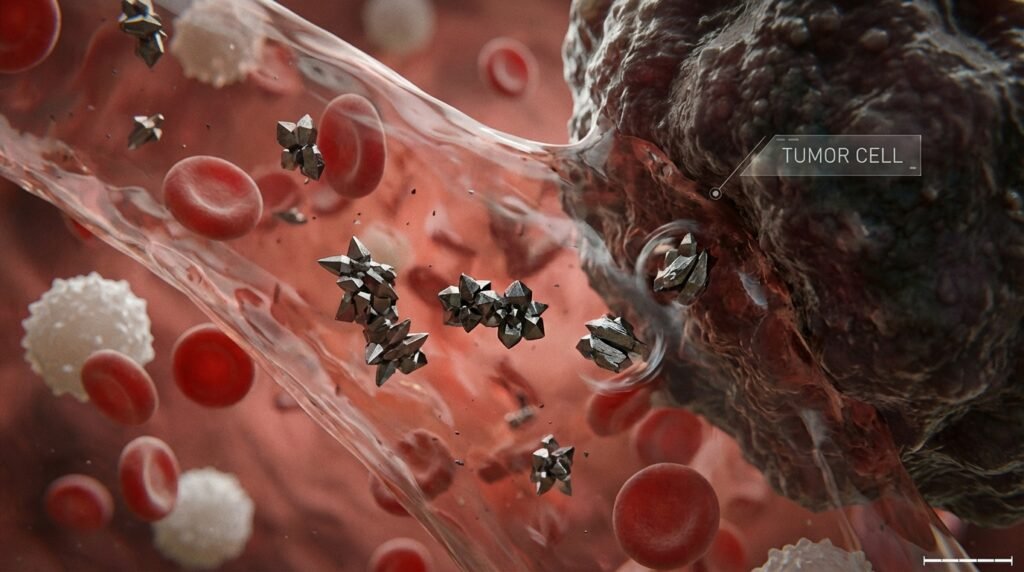
Engineers study “natural motors” to create tiny robots which will provide medical solutions in future. Medical professionals will use tiny machines which resemble malaria crystals to deliver medicine directly to tumors through the bloodstream.
A 40-Year Scientific Mystery

For almost fifty years scientists considered the shaky movement of these crystals to be an unobservable aspect of their research. Researchers obtained the necessary equipment to study the phenomenon after they gained access to high-speed cameras and current physics knowledge.
Surviving in Low Oxygen
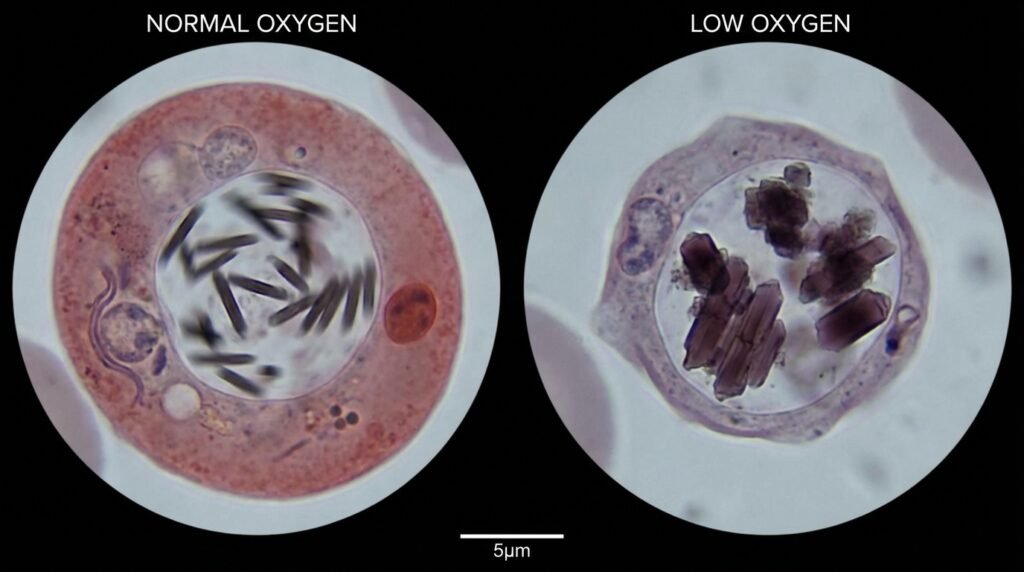
The crystals reduced their operational speed to fifty percent when oxygen levels decreased because the available “fuel” peroxide diminished. The parasite depends on its surrounding chemical environment to maintain its energy capacity.
Mechanical Destruction
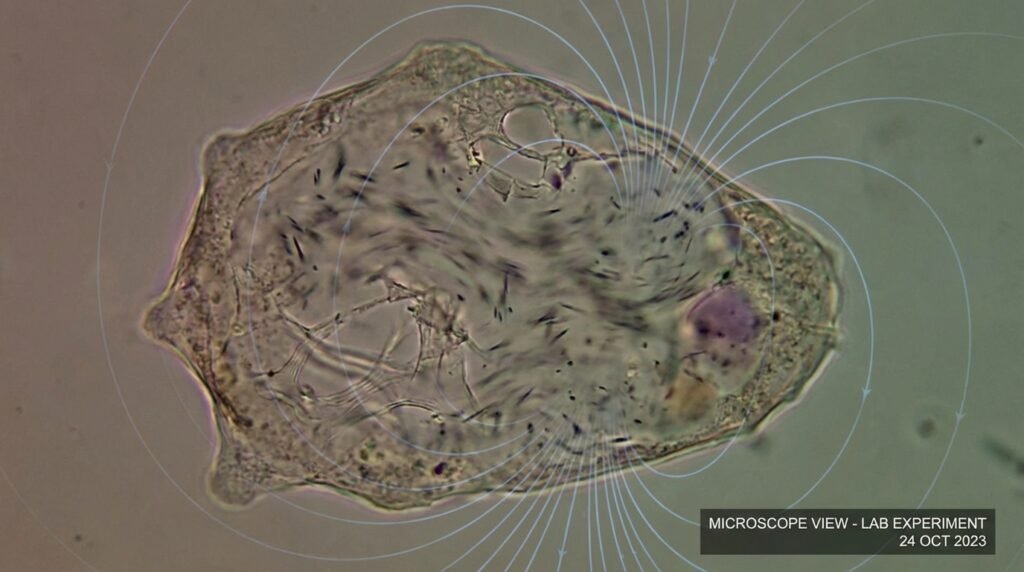
Some researchers suggest that we should use magnets to force iron crystals into high-speed rotation which produces enough force to dismantle the parasite through internal disintegration. The process resembles a cell breakdown which occurs when a blender operates inside a cell.
Nature’s Clever Engineering
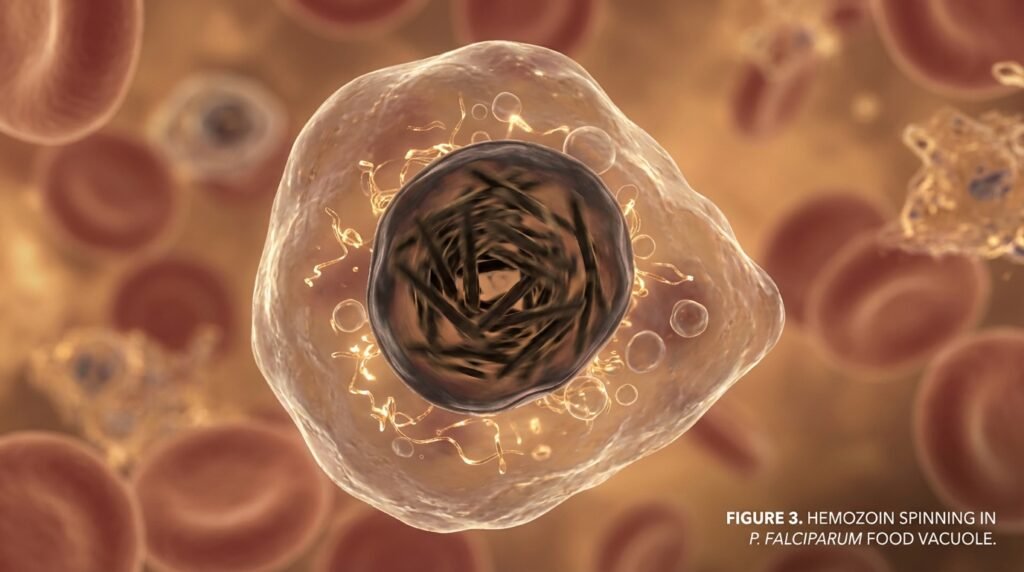
The discovery shows that evolution uses aerospace chemicals which operate at high energy levels to produce sustainable survival mechanisms. The disease’s waste product transforms into an active self-moving nanotechnology element through this transformation process.