 Isabella Miller
 People establish and dismantle their empires throughout history while certain tree species maintain their growth at the same location for thousands of years. The natural world employs its extraordinary lifeforms through their equipped survival techniques to withstand severe weather conditions and extended periods of drought and destructive urban fires. The trees develop their gradual growth pattern while preserving their vital core which enables them to function as natural links between historical times and future periods.
The “Old Tjikko” Spruce
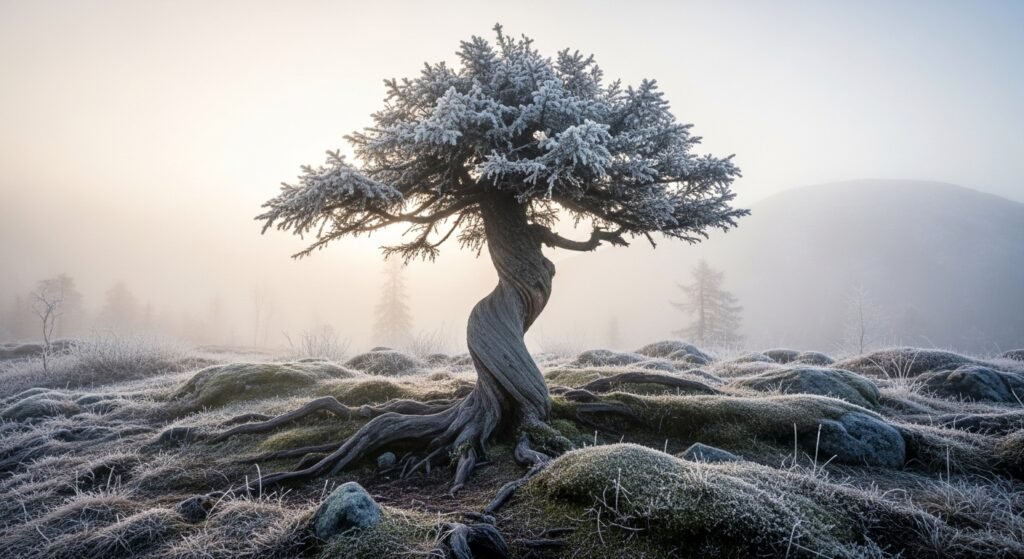
The tree in Sweden appears as a tiny sapling despite its roots which extend back to 10,000 years ago and this tree exists by creating new trees from its existing roots which emerge when the original trunk dies to sustain life through Roman Empire periods.
Methuselah the Bristlecone Pine
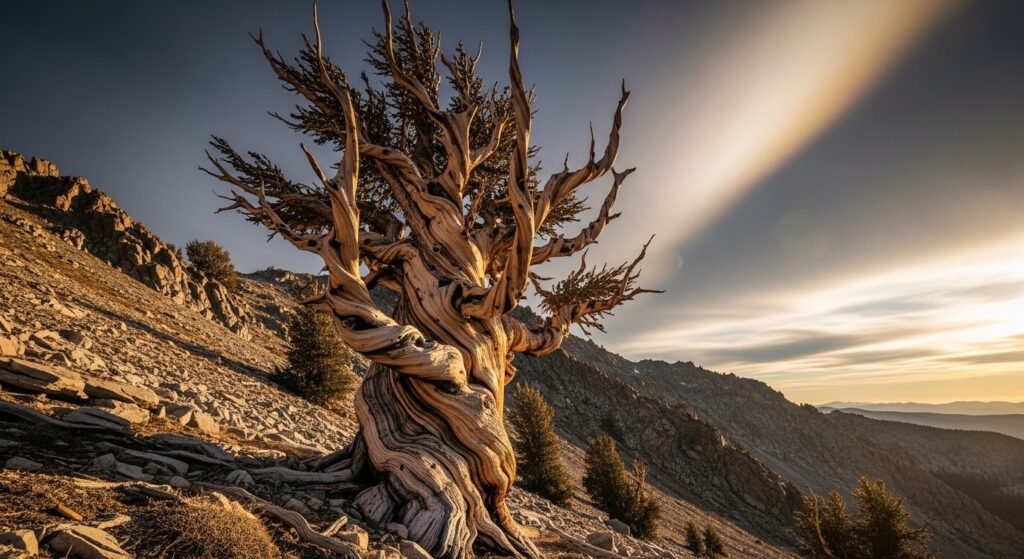
The tree exists at an elevation which exceeds 4,800 years in California’s White Mountains and it flourishes in alkaline soil which rejects most plants because its wood possesses extraordinary strength and resin content that protects it from insect damage and rot for multiple centuries.
The Llangernyw Yew
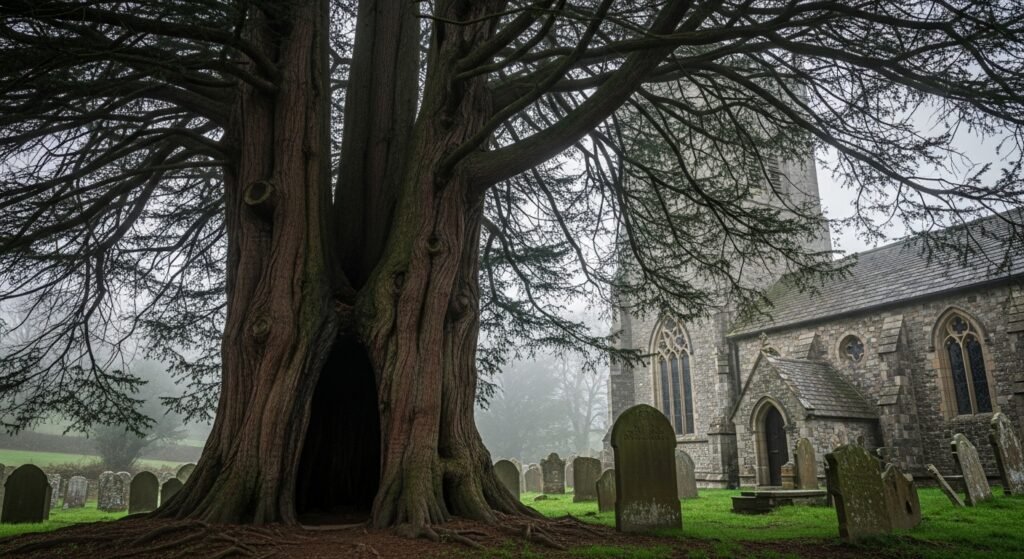
The tree established its presence in a Welsh churchyard during the Bronze Age of prehistoric times. Yews possess the special ability to decay their central parts while their external structure continues to develop which enables these trees to survive through 4,000 years of time.
The Olive Tree of Vouves
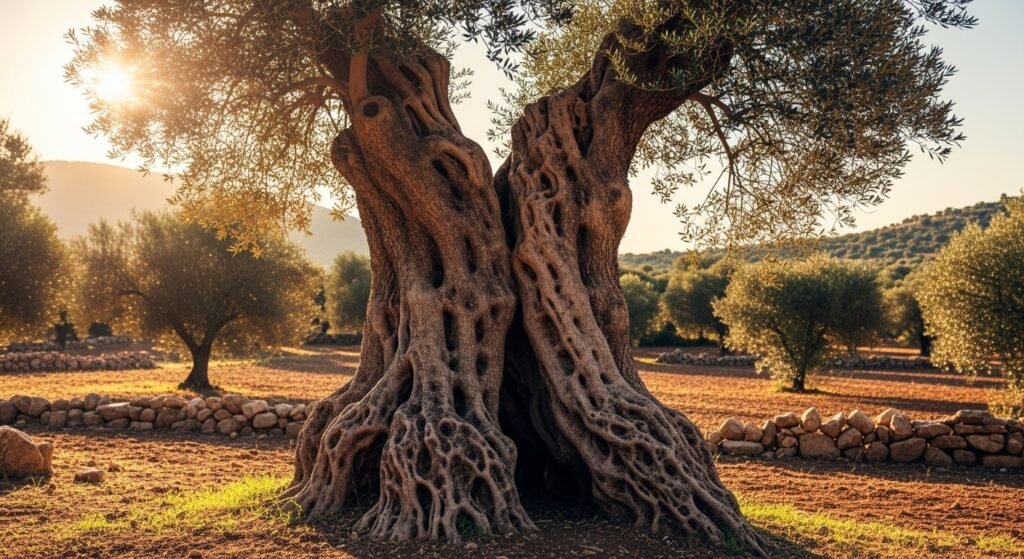
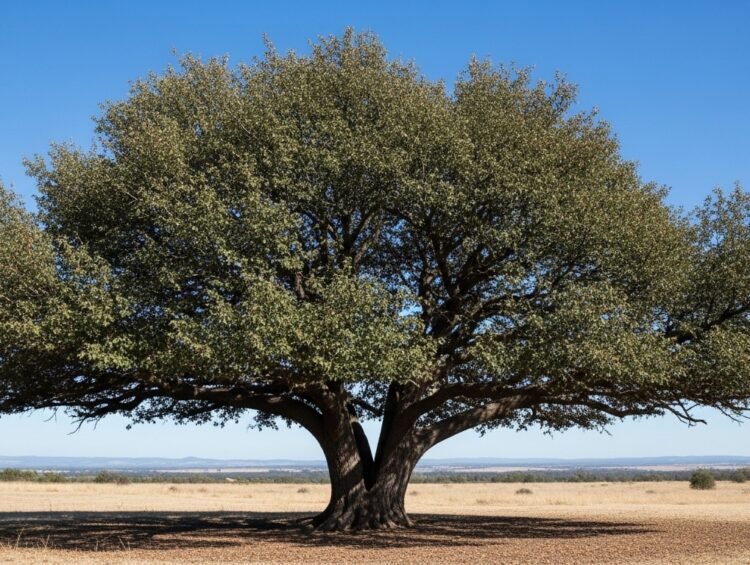
This tree located in Crete has produced olives continuously since it reached maturity at the age of 3,000 years and the tree existed from its sapling stage when the first democratic ideas emerged in ancient Greece to the present day when it thrives in Mediterranean heat.
The Senator (Bald Cypress)
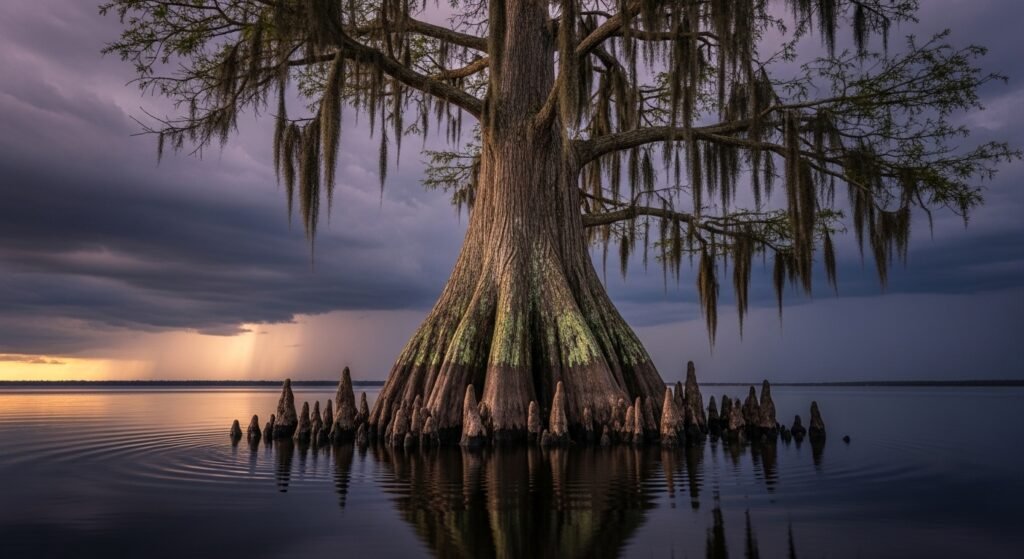
The Florida giant reached an age of 3,500 years before a fire destroyed it in 2012 and this tree’s enormous dimensions and its water-repellent lumber enabled it to endure major storm events which transformed the coastal landscape of America throughout history.
Jōmon Sugi Cedar

The cedar tree in the Japanese forest exists as a hidden tree with an age of at least 2,170 years. The tree’s thick mossy bark functions as a protective barrier which enables it to endure the extreme humidity and heavy Yakushima Island rainfall, allowing it to observe all events of contemporary Japanese history.
The General Sherman Sequoia
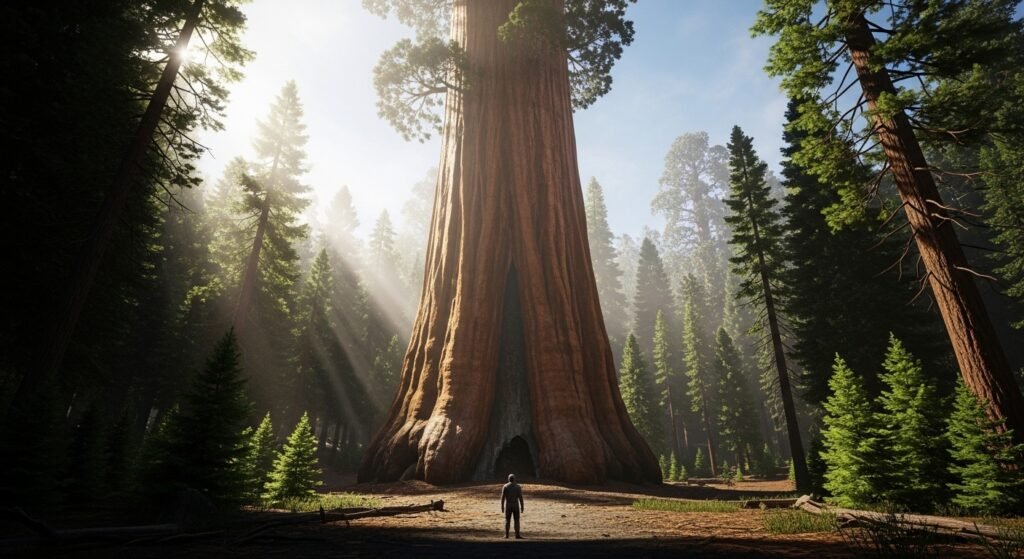
The largest tree in existence today has an age of 2,200 years but its age makes it the biggest tree. The tree features bark which reaches a thickness of two feet and its tannic acid functions as a protective mechanism which prevents wildfires from burning down the more vulnerable sections of the forest.
The Pando Aspen Colony
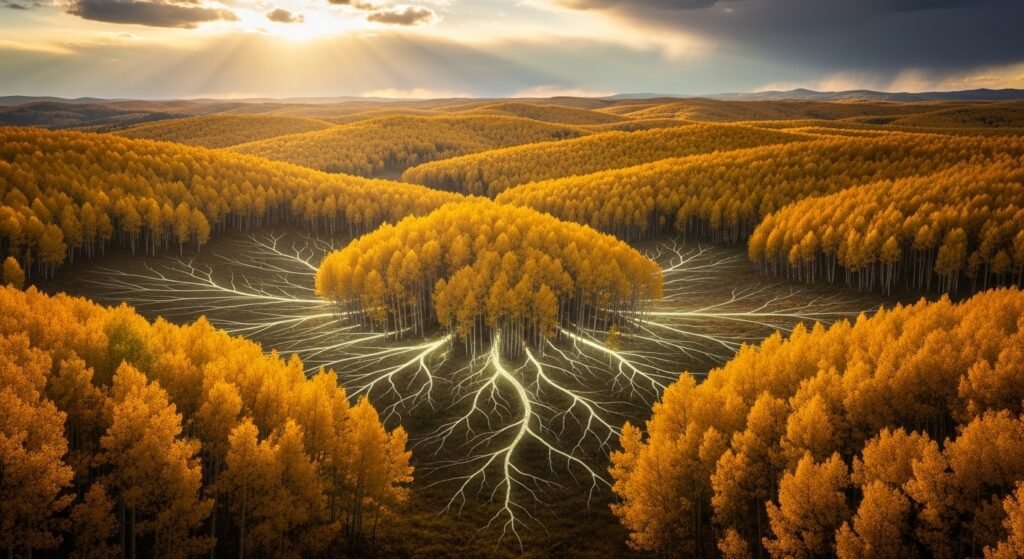
The Utah forest exists as one continuous root system which has continuously developed for approximately 80,000 years. The underground system keeps functioning after a fire burns above ground because it stays intact until new trunks begin to emerge.
The Great Basin Bristlecone “Prometheus”
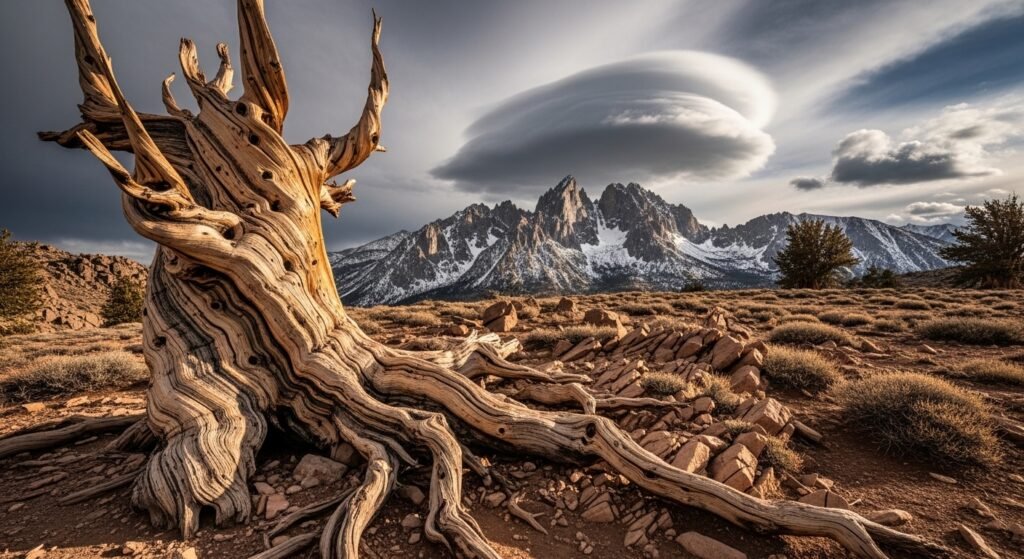
The tree reached an age of about 5,000 years before someone cut it down by accident and the research demonstrated that high-altitude trees experience such slow growth rates that their wood becomes as durable as stone, making them immune to all natural destruction.
The Hundred Horse Chestnut
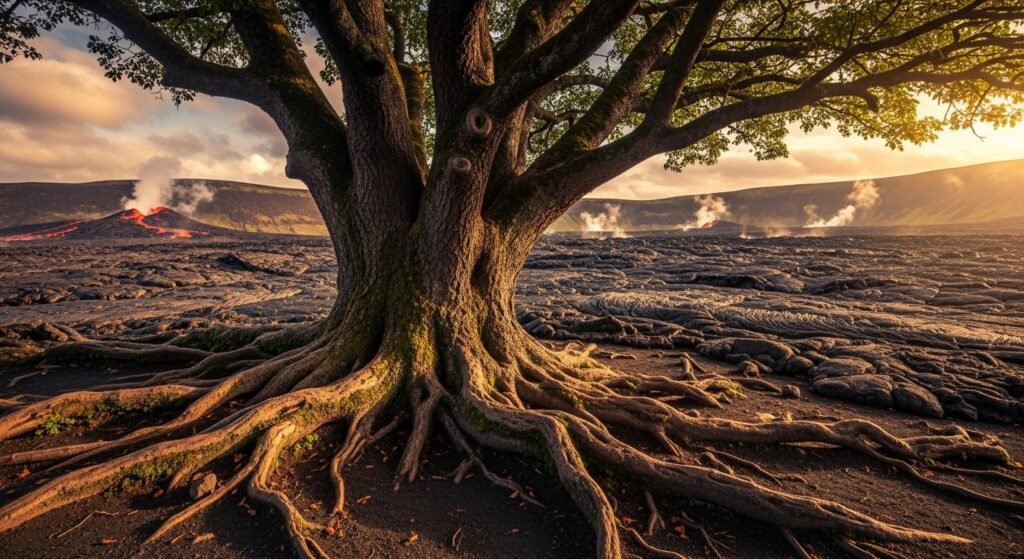
The tree between 2,000 and 4,000 years old grows on Mount Etna in Sicily and the plant system survived through multiple volcanic eruptions by developing multiple trunks which shared a single large root system to maintain its structure.