
 Isabella Miller
 The brainless plants demonstrate intelligence through their ability to hunt and communicate and remember their previous experiences. The biological systems of living beings exhibit such intricate patterns that they produce behavior which resembles animal decision making.
The Venus Flytrap’s “Memory”
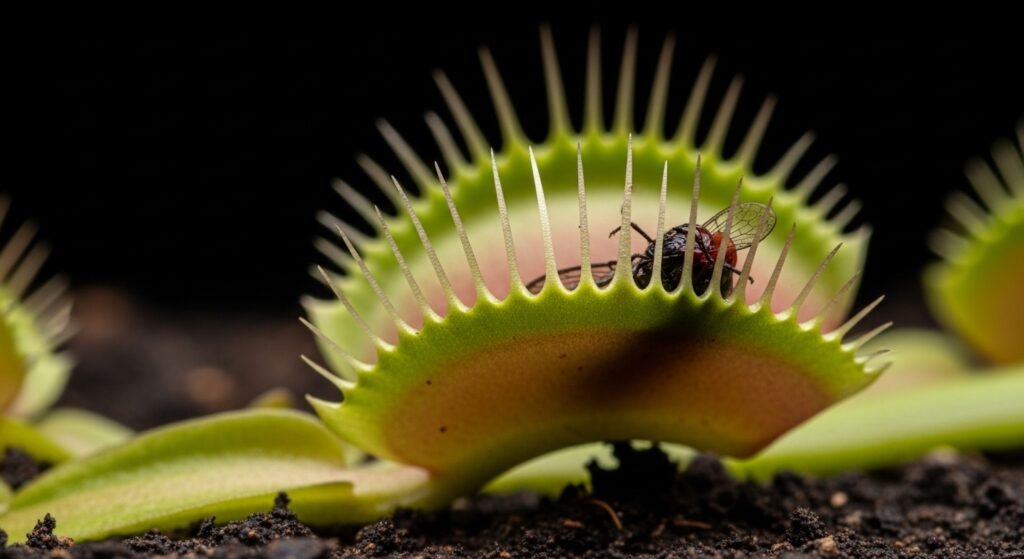
The Venus Flytrap uses its trigger hairs to detect bugs because it requires two touchings within 20 seconds to activate its snapping mechanism. The plant exhibits short-term memory capabilities which enable it to perform “counting” functions before making decisions.
The Sensitive Plant’s Shyness
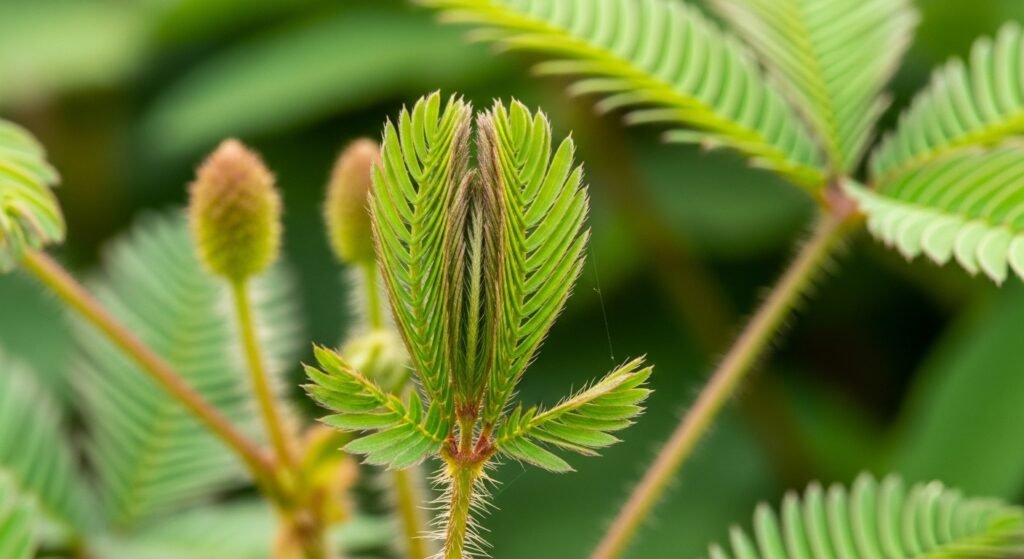
The Mimosa pudica plant responds to physical contact by folding its leaves to create an appearance of death which deters potential predators. The research reveals that these plants possess the ability to “learn” which enables them to recognize the benign stimulus which they encounter repeatedly.
The Dodder Vine’s “Sense of Smell”
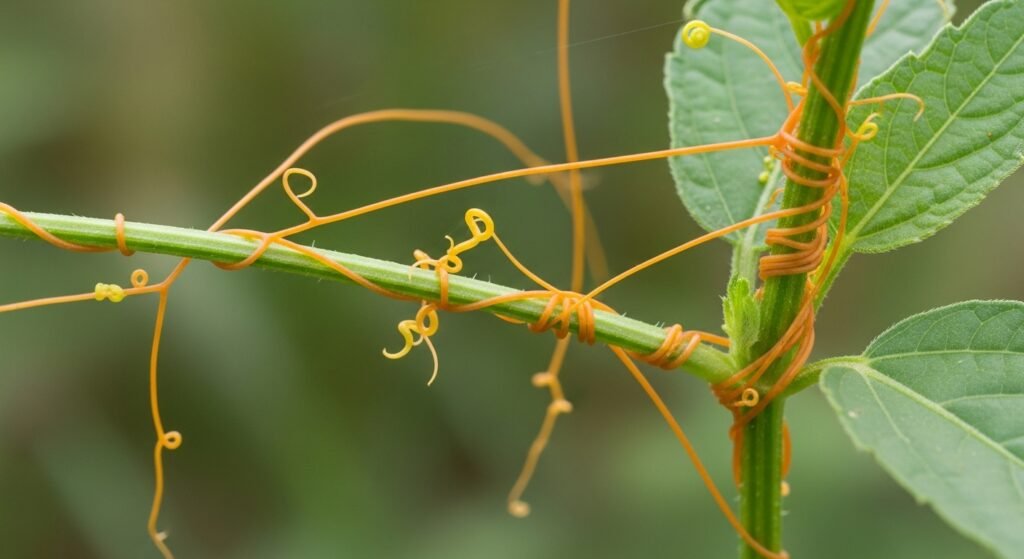
The vine which exists as a parasite functions as a predator. The organism uses its sense of smell to detect chemical signals which plants emit. It advances toward the target while using its body to entangle the plant for nutrient extraction.
Corn’s “Cries for Help”
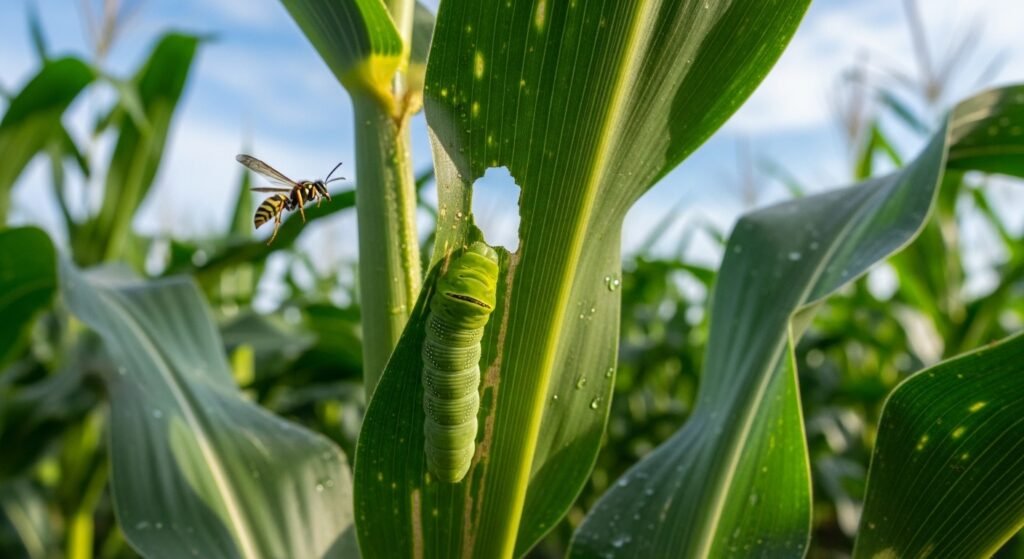
The corn plant emits specific scents into the atmosphere when a caterpillar consumes its leaf material. The chemical signals function as a messenger system which attracts wasps to the area. The wasps proceed to attack the caterpillar which functions as the plants bodyguard to defend against crop damage.
The Boquila Vine’s Camouflage
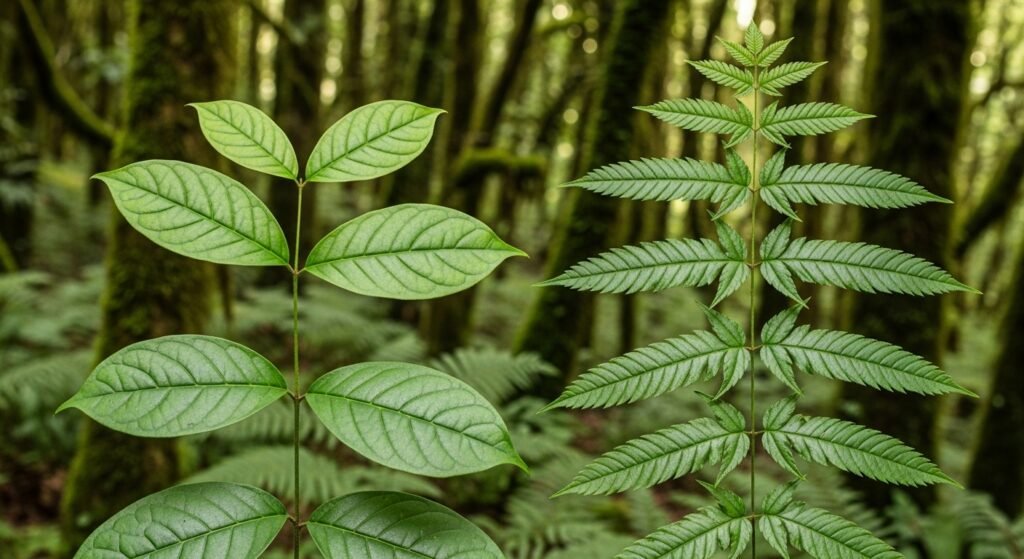
The vine possesses extraordinary abilities which enable it to modify leaf features through shape alterations and color changes and size modifications to achieve leaf similarity with its climbing plant. The plant possesses the ability to “mimic” various plant species which grow in its vicinity to protect itself from animal predators who consume plants.
Tree Roots and “Wood Wide Web”
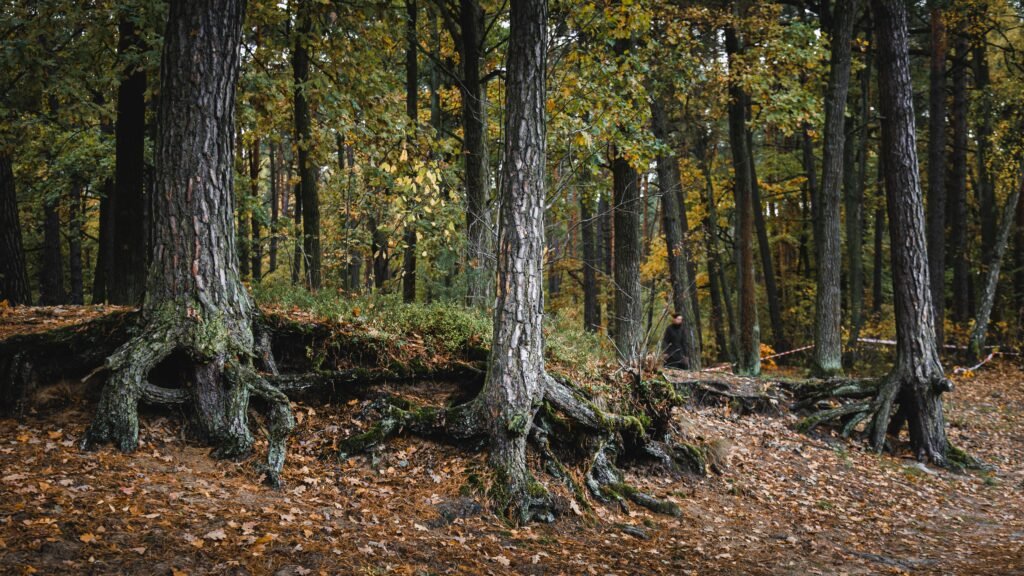
The forest ecosystem enables trees to distribute sugar through subterranean fungal networks which they use to assist both their friends and their young trees. The creatures use their soil-borne electrical signals to transmit urgent warnings about insect threats to their underground network.
Sunflowers’ Internal Clock

The young sunflowers track the sunlight movement from east to west throughout the day. The flowers orient themselves toward the eastern direction during nighttime. The internal “circadian rhythm” system of the human body helps them predict the exact point of sunrise.
The Sandbox Tree’s Defense
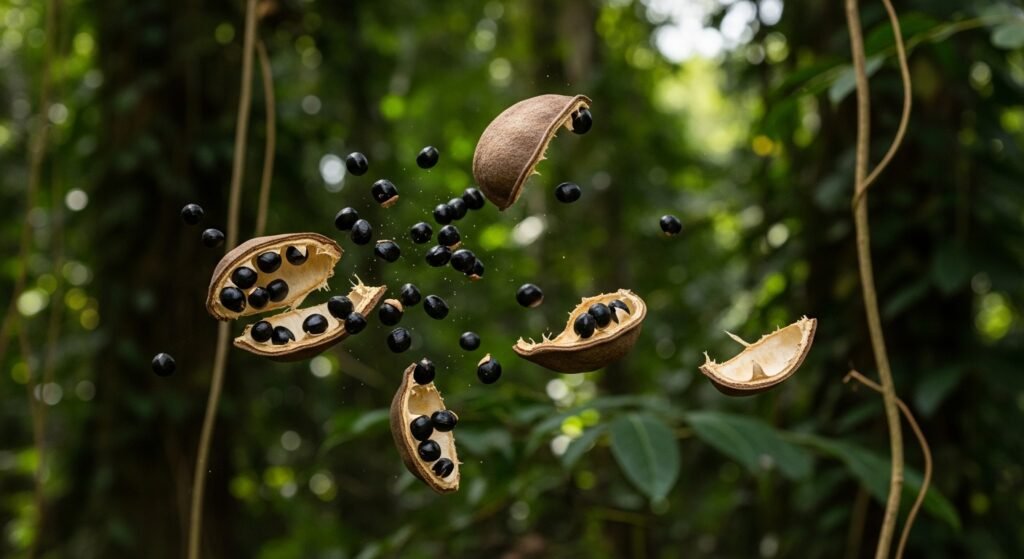
The tree waits until its fruit becomes dry before it activates its seed dispersal mechanism which creates a sound similar to gunfire to send its seeds across great distances. The tree disperses its seeds at a velocity of 150 miles per hour which guarantees their landing in areas that fall outside of the tree’s shaded zone.
Wild Tobacco’s “Time-Shift”
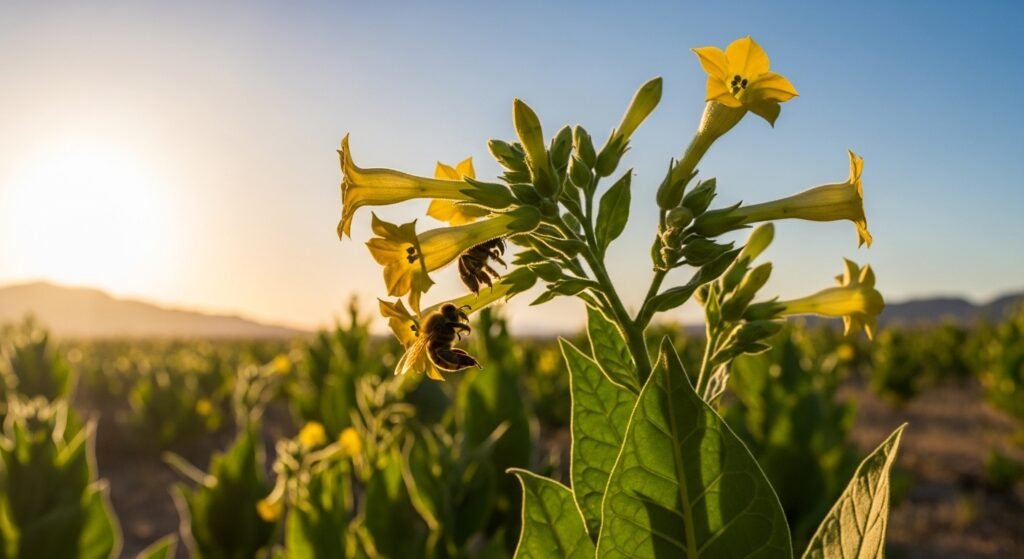
The plant changes its flowering schedule to morning hours because it faces nighttime attacks from moths. The plant uses its “active hours” to attract different pollinators while creating an environment which protects against nighttime leaf-eating pests.
Pea Plants’ Risk Assessment
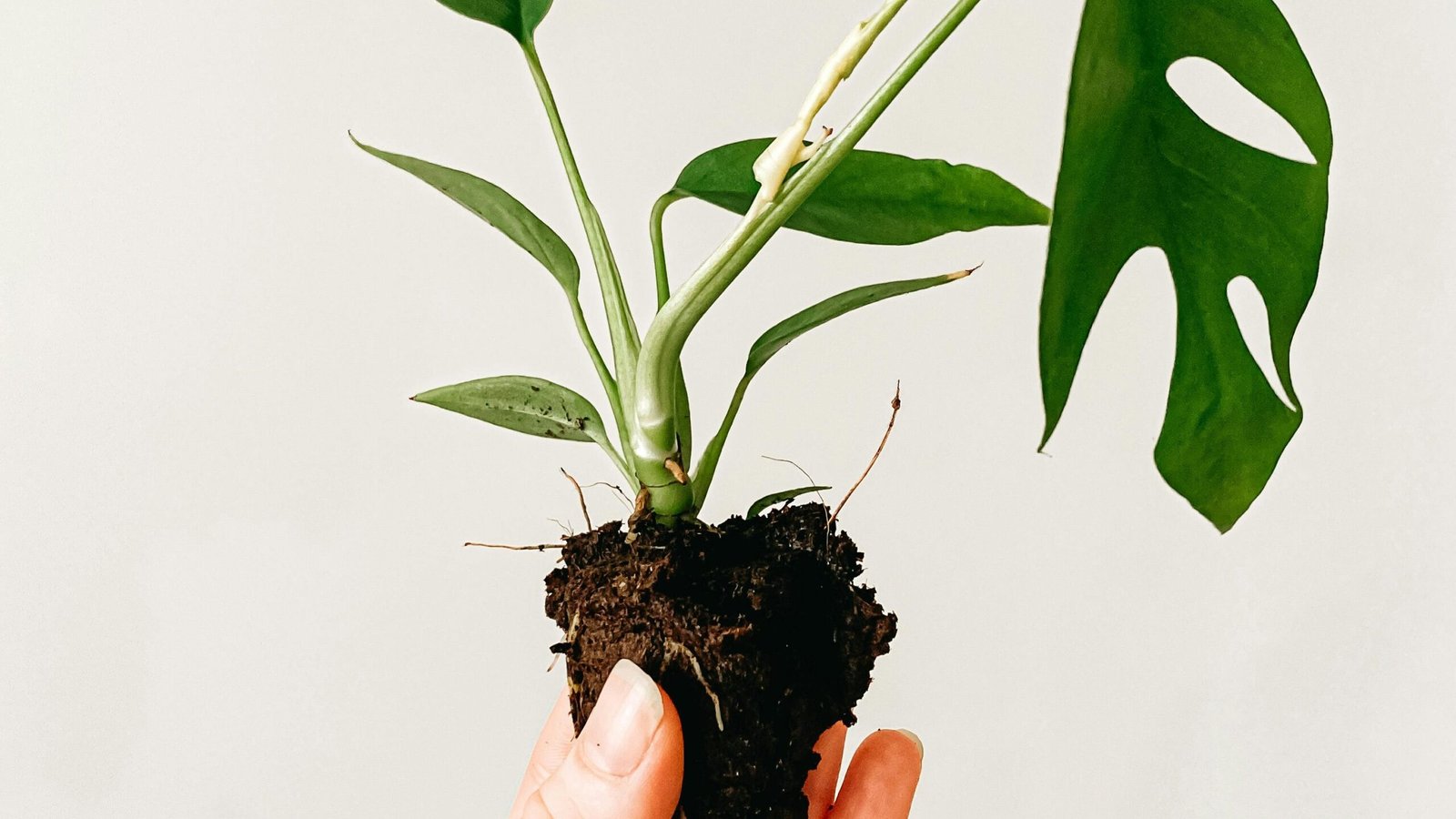
The study demonstrated that pea plants possess the ability to “gamble” through their testing system. The roots of plants develop a random growth pattern which enables them to find food resources at the time when soil nutrients are deficient.