 Isabella Miller
 The year 2026 saw astronomers discover an ancient star which showed “iron-deficient” properties and demonstrated how the universe operated during its earliest existence. The stars discovered at this location preserve knowledge about the chemical development of the universe which started with the formation of the first suns. The scientists study the unique composition of these objects to recreate the historical timeline of the universe when it had existed for only a few hundred million years.
The First Generation Fingerprint
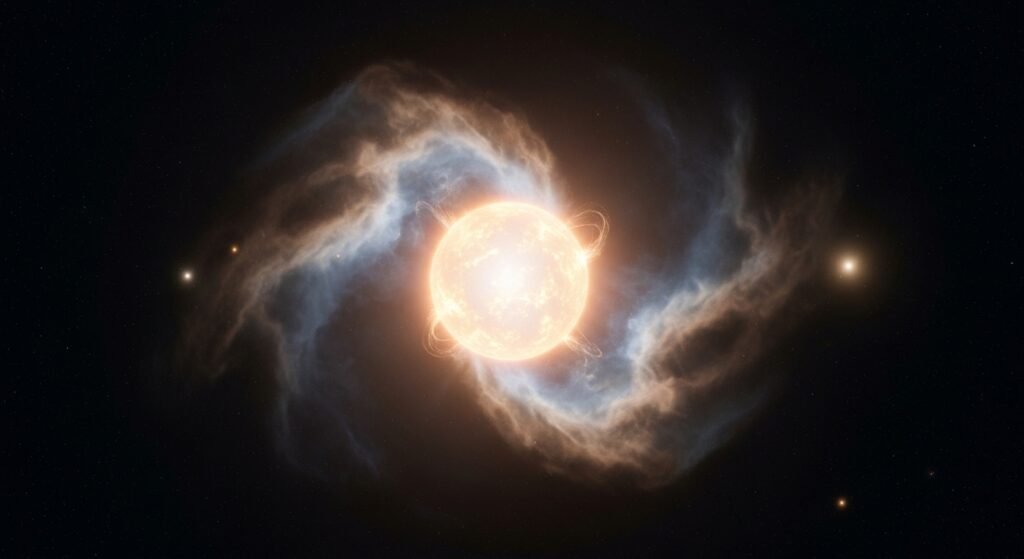
The first stars in existence contained only hydrogen and helium elements. The first heavy metals emerged when they started to explode. This star developed as a second-generation ancestor of our universe because it used the remaining elements from those ancient explosions.
The “Pristine” Chemical Recipe
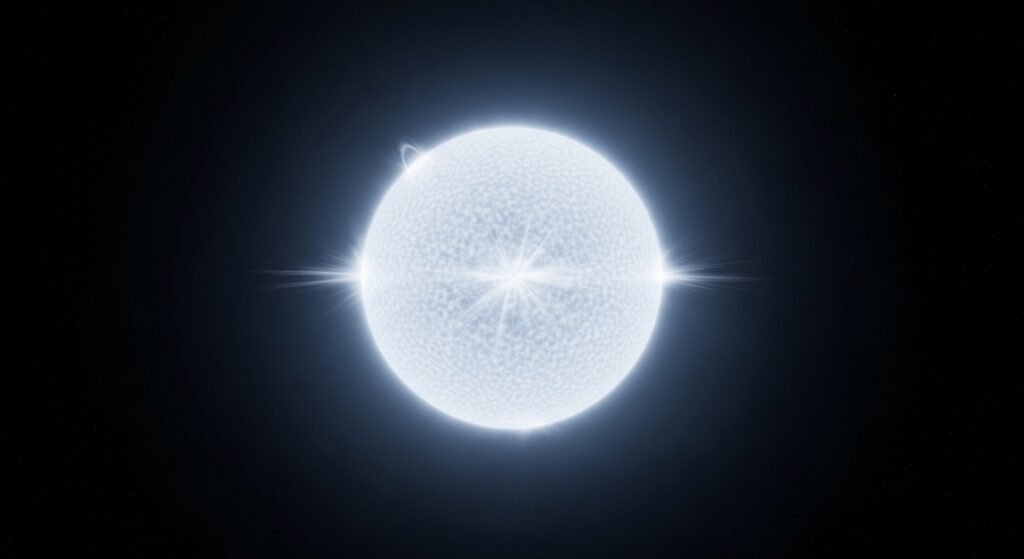
Stars generate iron through their life cycles that include their birth and death. The star contains no iron content which demonstrates that it has maintained its original state without any contamination from later cosmic phenomena.
Evidence of “Low-Energy” Supernovas
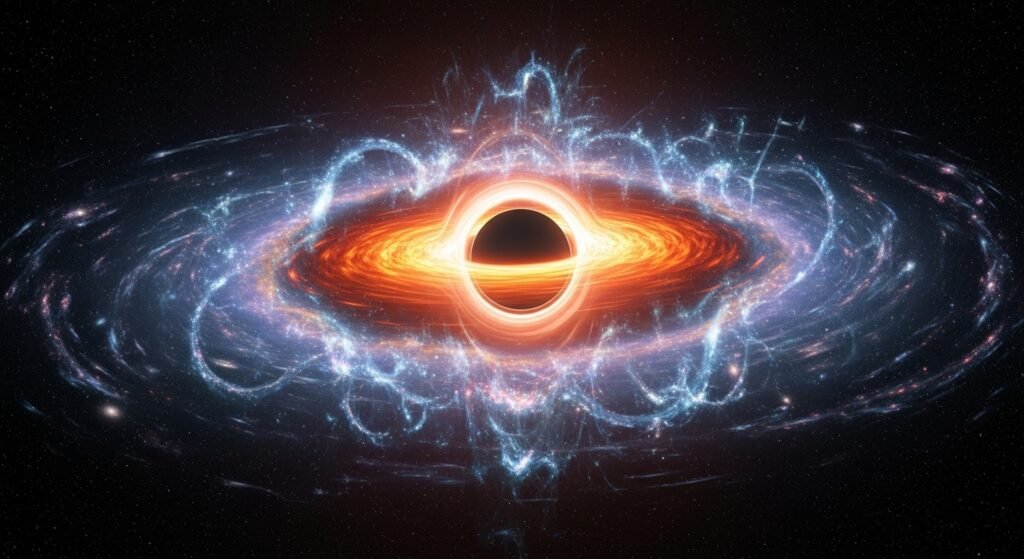
Astronomers believe this star was formed from a “faint” supernova. The cosmic events include a process where heavy iron goes into a black hole while carbon and other light elements are shot out to create new stars which lack iron.
The Carbon Connection
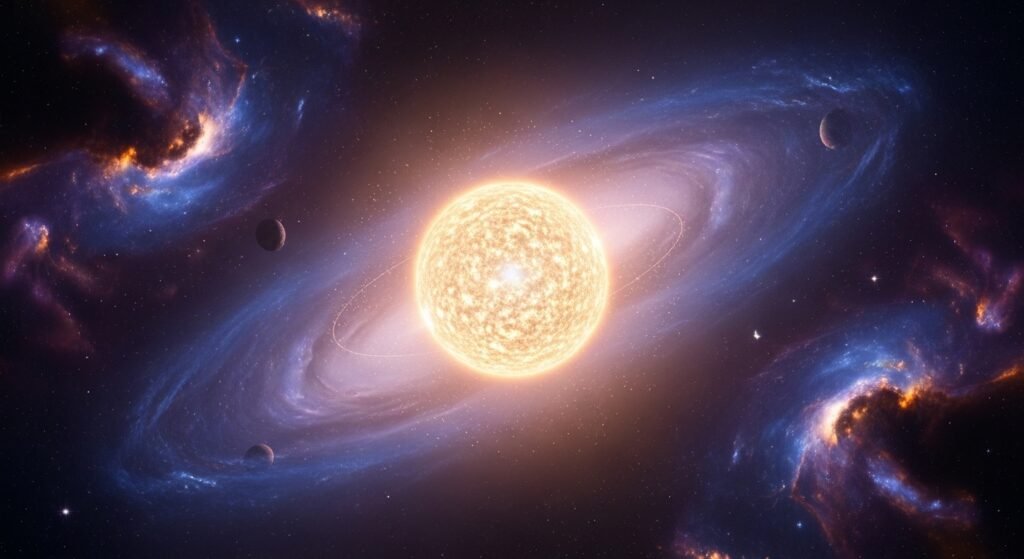
This star exists without iron but contains high amounts of carbon. The research shows that the first stars in the universe acted as “carbon factories” which produced essential materials needed for life to develop before the formation of Earth-like planets.
A Resident of the “Galactic Halo”
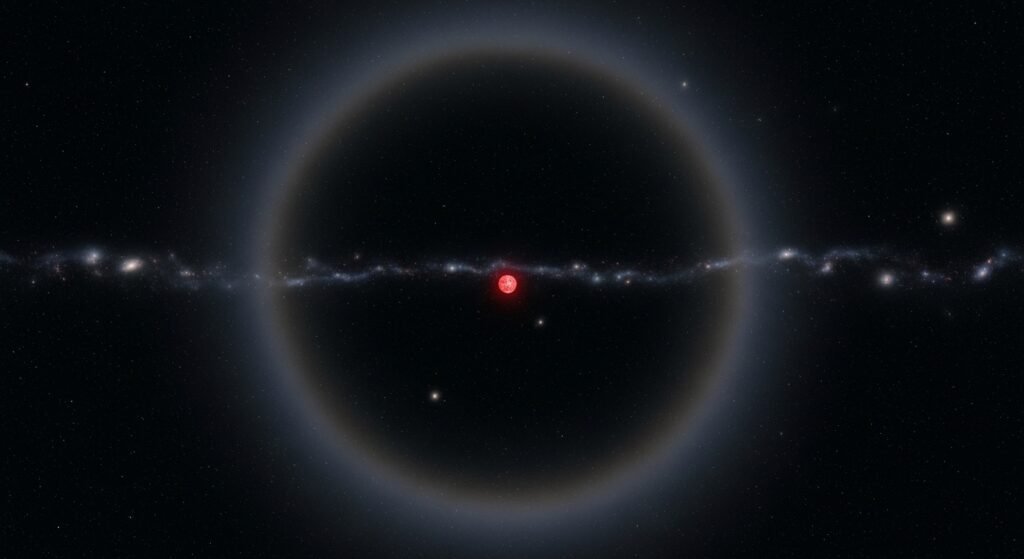
The star belongs to the outer “halo” region of the Milky Way. The majority of present-day stars occupy the dense central area yet ancient stars with iron deficiency tend to “drift” toward the outer regions which enables telescopes to detect them against the dark void of space.
The James Webb Discovery
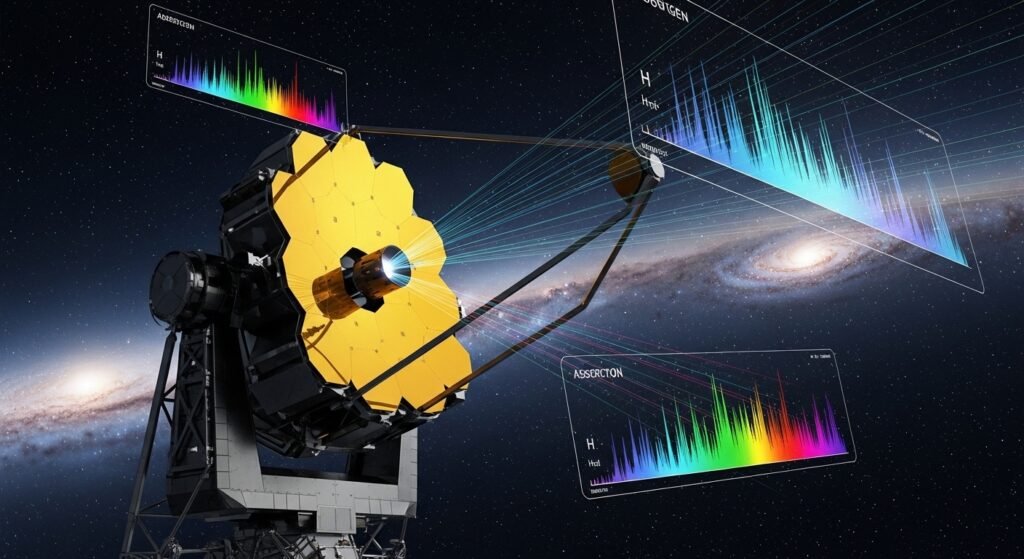
The James Webb Space Telescope enabled scientists to study the star through its analysis of the “light signature” that the star emitted. The light spectrum of the star showed no presence of heavy metals because the spectral gaps functioned as a direct method to identify the complete absence of these elements including iron and gold.
The “Slow Cooker” Growth Phase
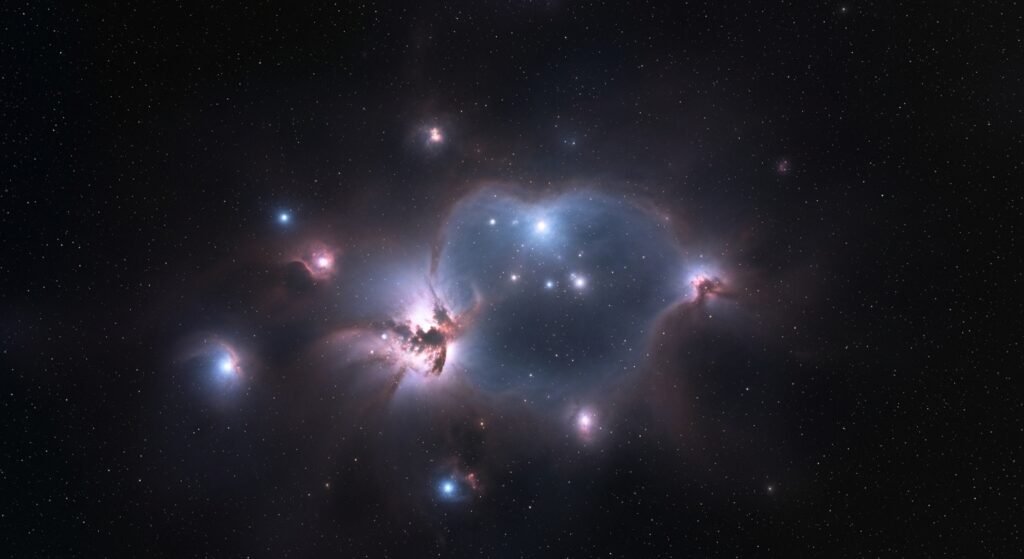
The ancient stars developed in “slow and cold” conditions which differed from the Sun’s rapid development process. The process enabled star formation by shielding stars from collecting the substantial material which typically exists in active star breeding zones.
The Oldest Star Ever Found
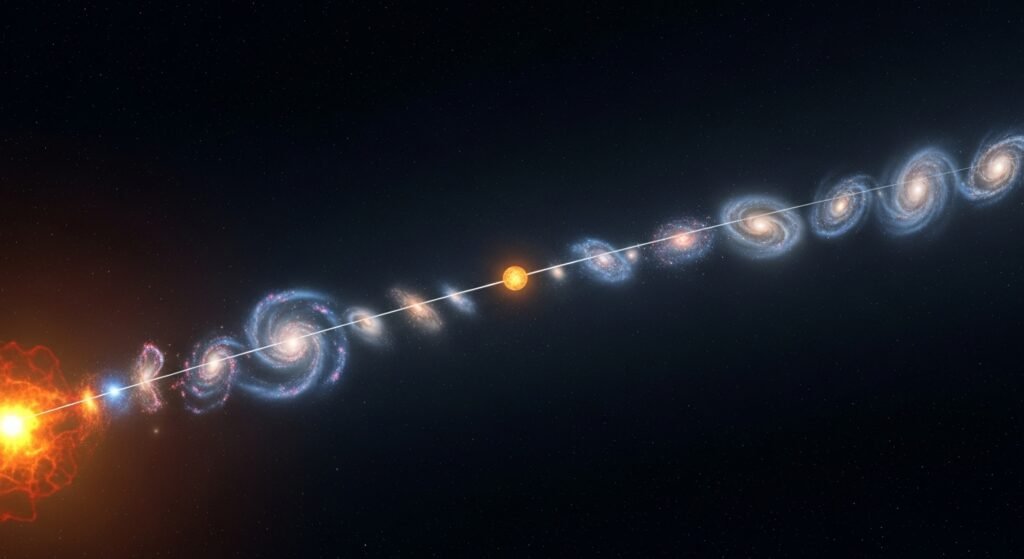
The star has an age of more than 13.5 billion years according to astronomers who studied its light to examine radioactive element decay. The star has been active since the universe’s early years and it has persisted through all of our galaxy’s existence.
Testing Einstein’s Theories
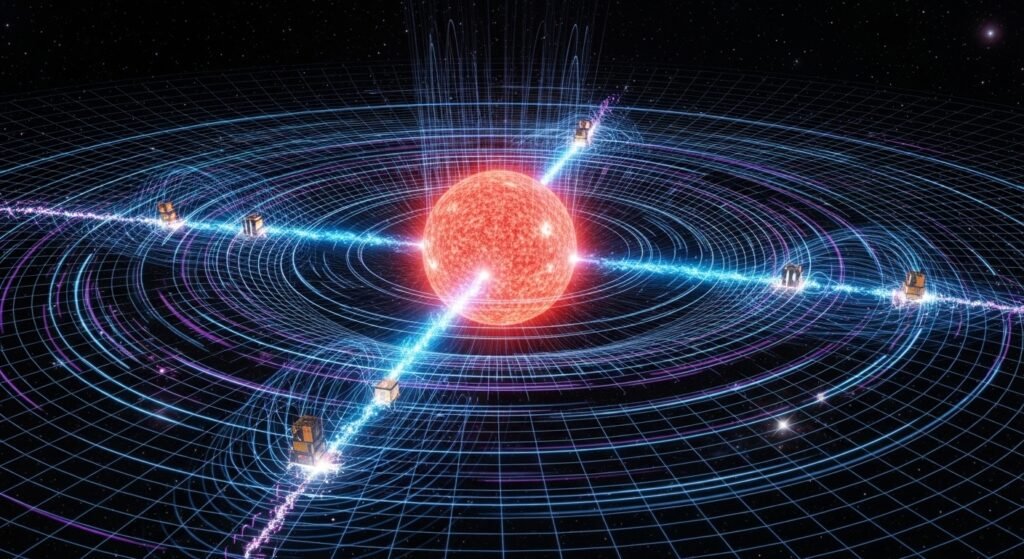
Scientists investigate these stars to determine whether physical laws have altered throughout the course of time. The scientists use ancient star gravity measurements to show that physical forces maintain their natural stability throughout time.
The Mystery of “Missing” Lithium
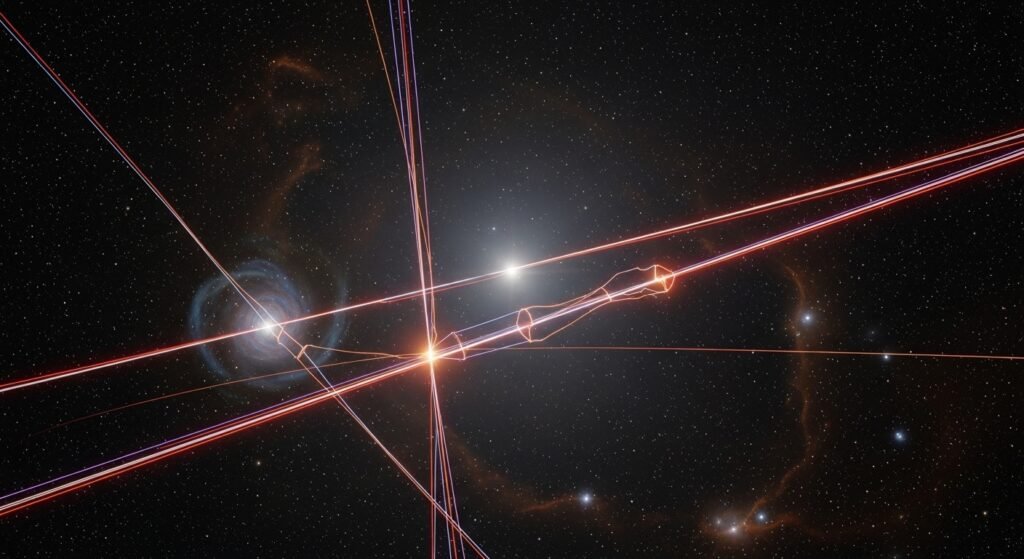
Iron-deficient stars display lower lithium levels than the Big Bang theory predicts. The researchers in 2026 are working to find solutions for the “Lithium Problem” through their investigation of this recent scientific finding.