 Isabella Miller
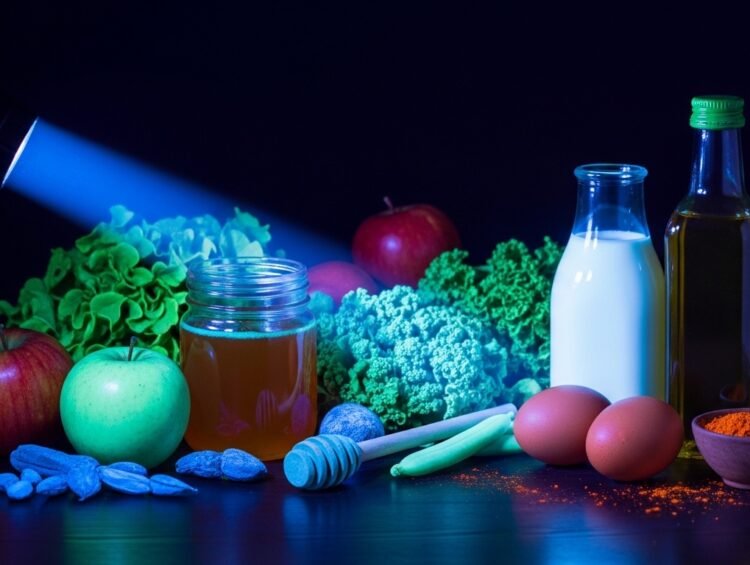
 The “Blue-Glow” test demonstrates modern scientific methods for authenticating food quality. Organic produce appears identical to conventional fruits and vegetables sold in stores but certain chemicals from non-organic farming practices become visible to UV light. The “glow” effect exists because chemical reactions show all the substances which have been applied to your food before it entered your home.
The Quinine Reaction
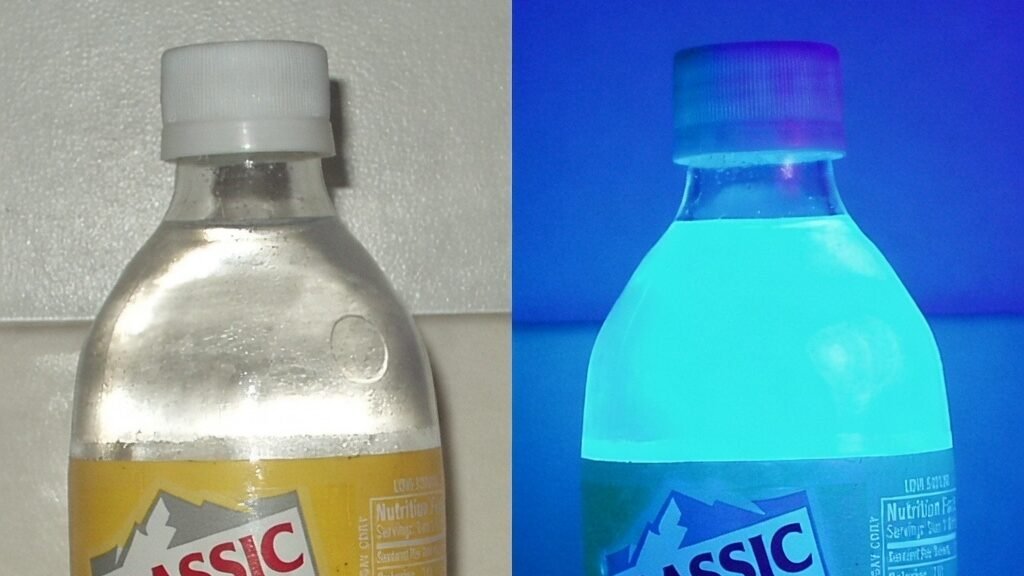
Pesticides and additive substances contain quinine as one of their active components which testing demonstrates in actual conditions. The chemicals produce a strong blue light which becomes visible when blacklight shines on them. The “organic” tonic water or soda will show bright blue UV light glow if it contains these specific bittering agents as evidence.
Chlorophyll Red vs. Blue
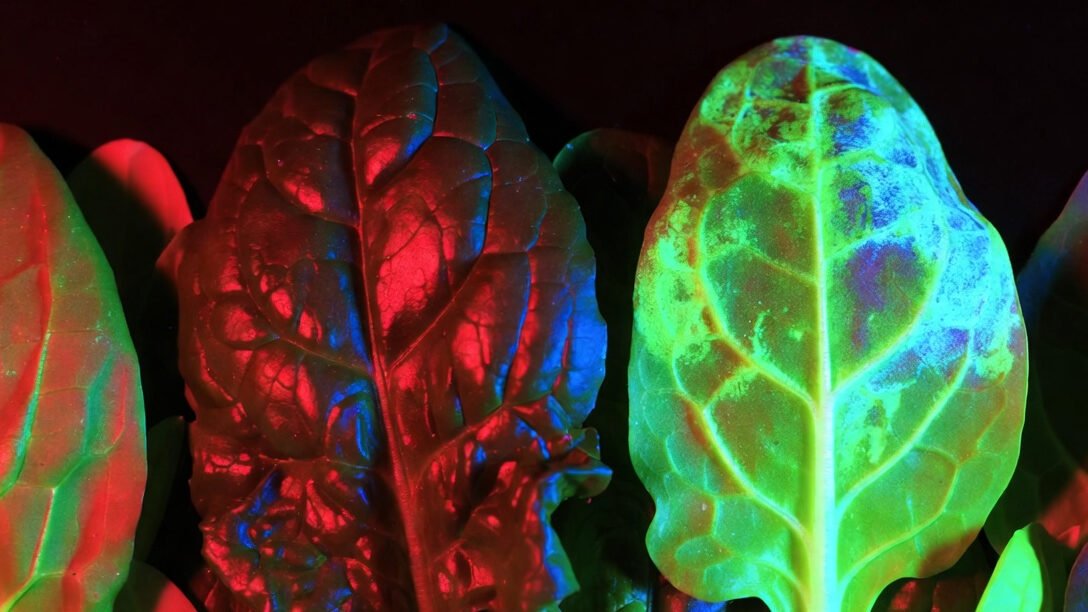
Spinach and other organic leafy greens should produce a deep red glow under UV light because of their chlorophyll content. The presence of synthetic waxes and chemical preservatives in the leaves results in a bright green or blue glow which replaces the natural appearance.
Honey Purity Check
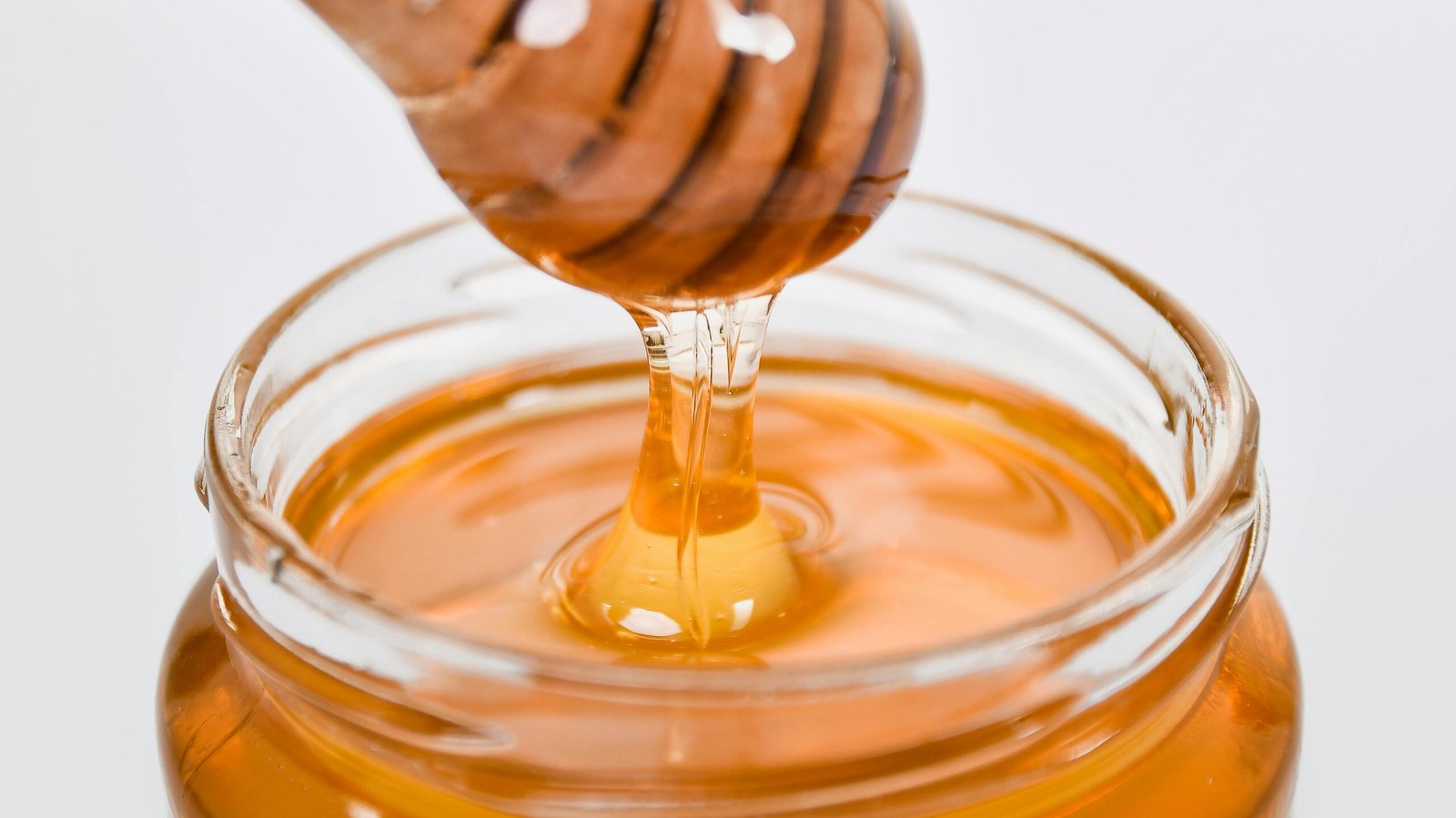
Authentic organic honey produces a soft glow because its composition includes natural pollen and enzymes. The synthetic processing agents used by mass manufacturers cause fake honey to either show “streaks” of bright blue or fail to produce any glow.
Milk and Riboflavin
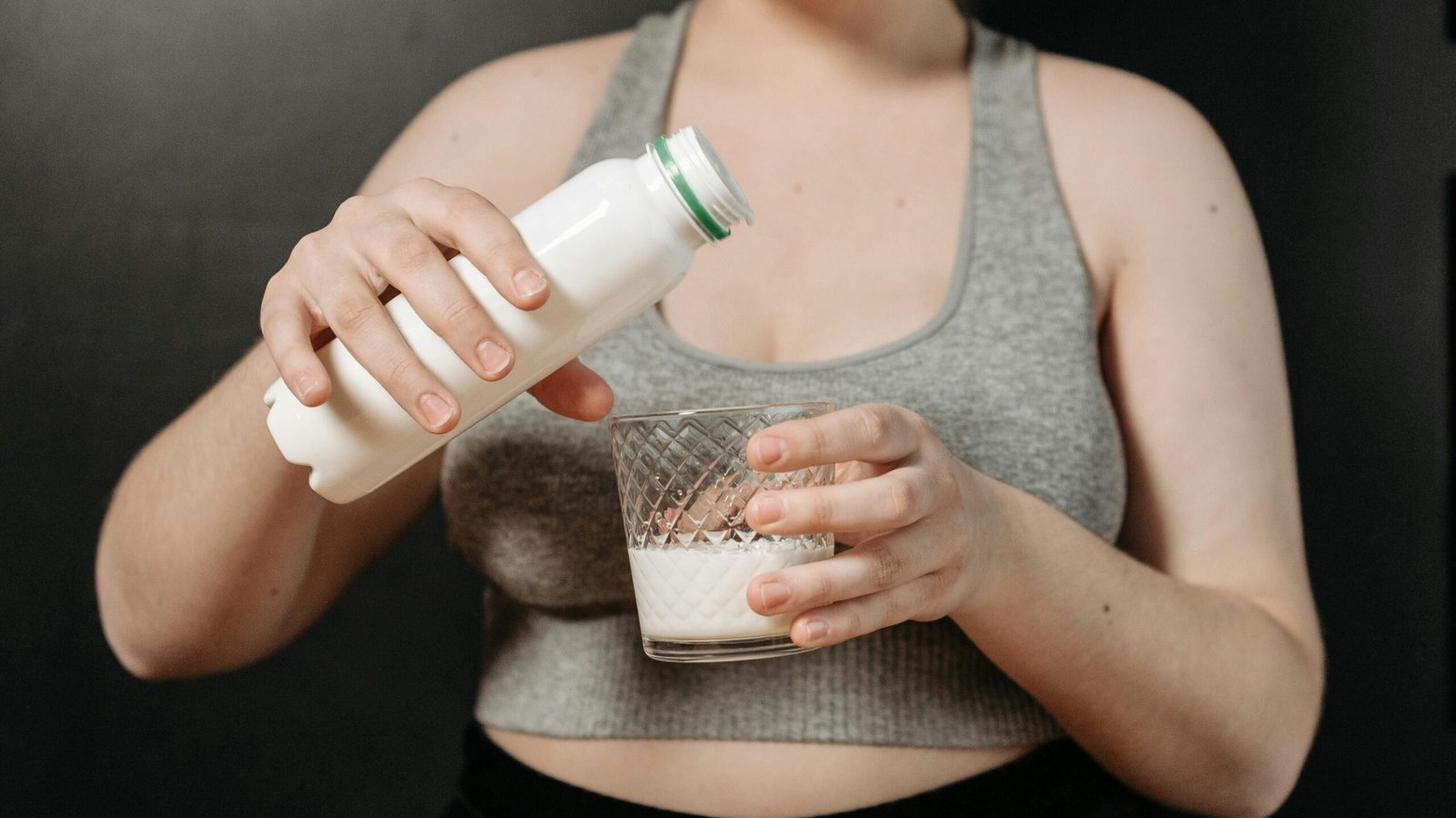
Organic milk contains high levels of B2 (riboflavin), which naturally glows yellowish-green and “dairy-free” organic milk alternative glows a bright, neon blue, it often indicates the presence of synthetic vitamin fortifications or whitening agents not found in nature.
The Olive Oil “Lamp” Test
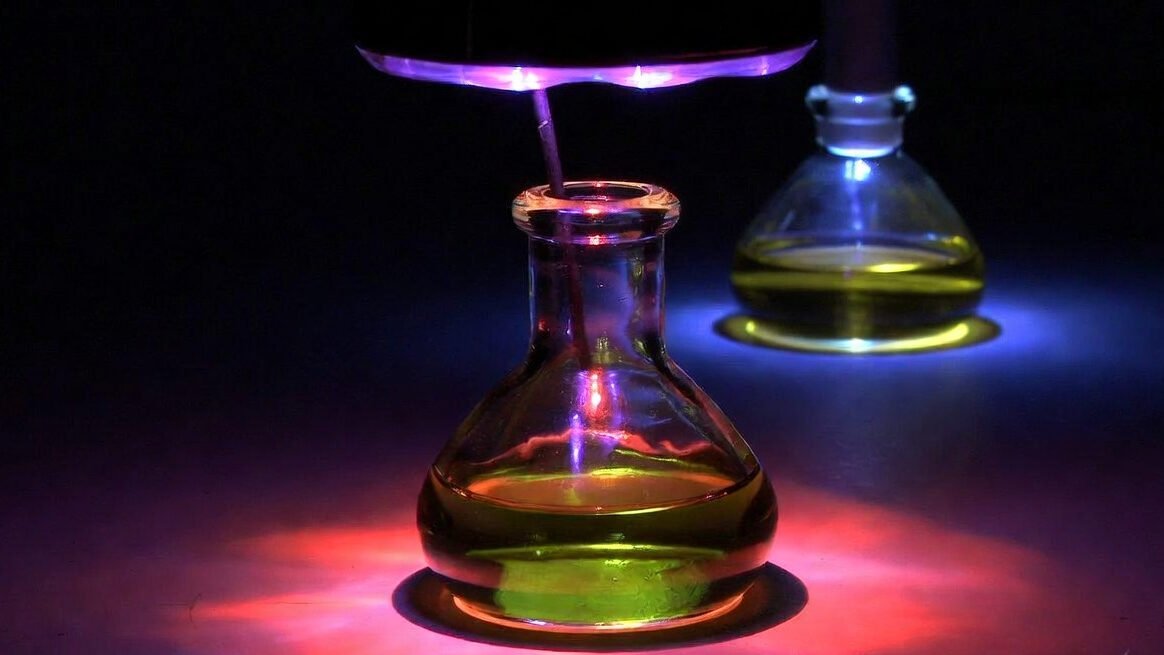
Extra virgin olive oil is frequently counterfeited through various methods. High-quality organic oil appears in deep red or orange color when exposed to UV lamp. The industrial manufacturing process causes chemically bleached refined oils to produce muddy blue or bright green glow after their purification process.
Eggshell Integrity

Organic, pasture-raised eggs feature a natural protoporphyrin coating which protects their surface. Fresh eggs should appear in bright red or pink colors when exposed to blue light. The shell demonstrates pale blue or white coloration because it has undergone a chemical washing process or because of aging which caused its protective outer layer to deteriorate.
Fruit Wax Detection

Apples receive petroleum-based wax treatments for the purpose of protecting them from damage. The dull appearance of organic waxes contrasts with the synthetic waxes used in conventional farming which display neon blue glow because of their “optical brighteners” that mark their thickest chemical coating areas.
The Tonic Water Example
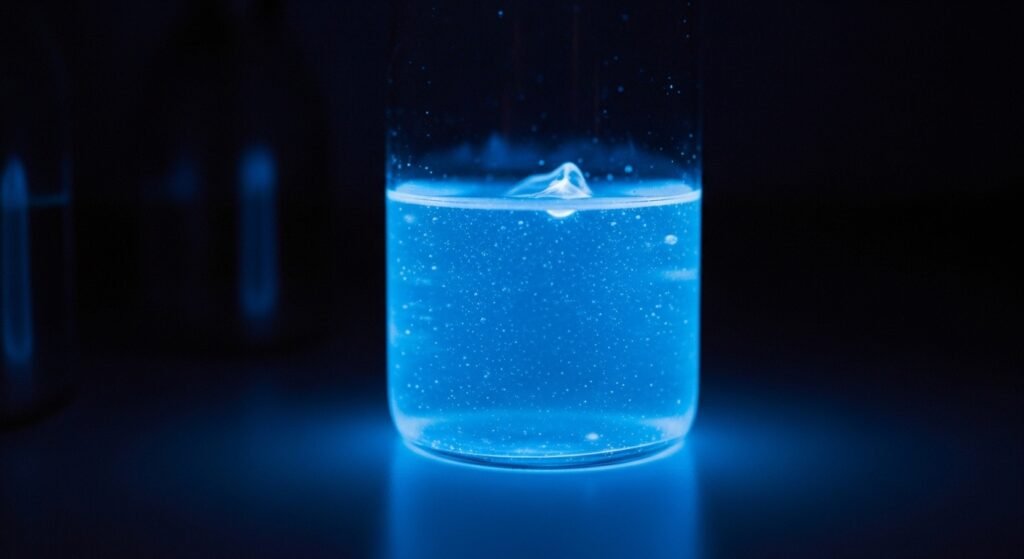
Tonic water has achieved recognition as the most well-known form of “blue glow.” The substance emits neon blue light when exposed to UV light because of its quinine content. Food testing uses this method to demonstrate how scientists can identify certain substances even when a bottle remains sealed.
Laundry Detergent in Flour

Certain cases of food fraud reach extreme levels when flour dealers use whitening agents from detergents to create an appearance of “organic and pure” product. The phosphors produce UV light which causes a blinding blue glow, making this test essential for areas with deficient food safety regulations.
The Pepper Spice Test

Ground black pepper is frequently combined with papaya seeds or husks to increase its total volume. The real pepper handles light absorption, but the synthetic dyes for making the filler dark will reveal their presence because they produce a blue glow which identifies cheap floor sweepings as the content of the spice jar.