 Isabella Miller
 The human brain needs art because it provides no help for finding food or creating dwelling spaces. The pursuit of this activity which people consider “useless” worked as a required biological function that enabled human ancestors to create social ties while developing their mental capabilities. From cave paintings to modern digital galleries, art is the secret language of the human survival instinct.
Art as a “Social Glue”

Singing or dancing together served as the means through which ancient tribes established trust among their members. Humans developed this biological impulse to share aesthetic experiences so they could work together in large groups which helped their communities become more powerful against potential threats from predators or enemies.
The “Peacock’s Tail” Effect
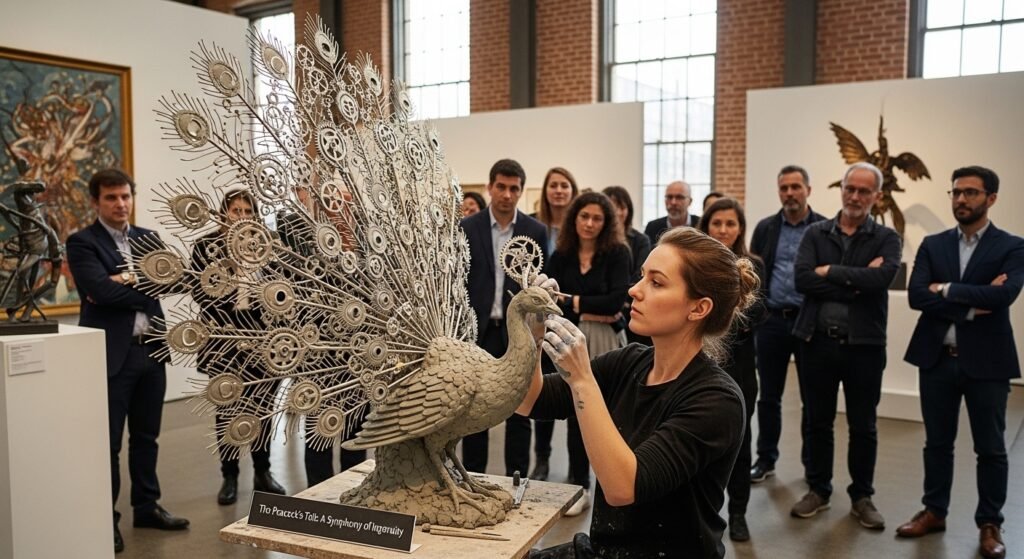
Scientists believe that creating art serves as a method for individuals to demonstrate their cognitive abilities. A person who spends multiple hours creating a “useless” sculpture shows their ability to handle extra energy and intelligence which makes them more attractive as a potential partner.
Cognitive Sandbox Training
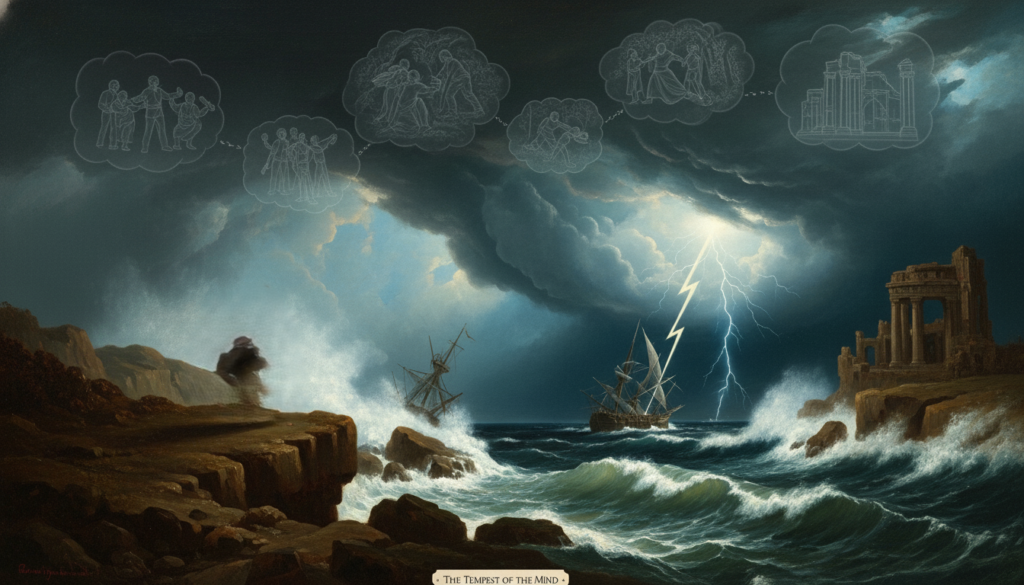
Art allows our brains to create “what if” scenarios that exist outside of actual dangers. Through examining a dramatic painting or a story we learn how to manage intense emotions which helps us deal with real social situations and survival emergencies.
Pattern Recognition Instincts
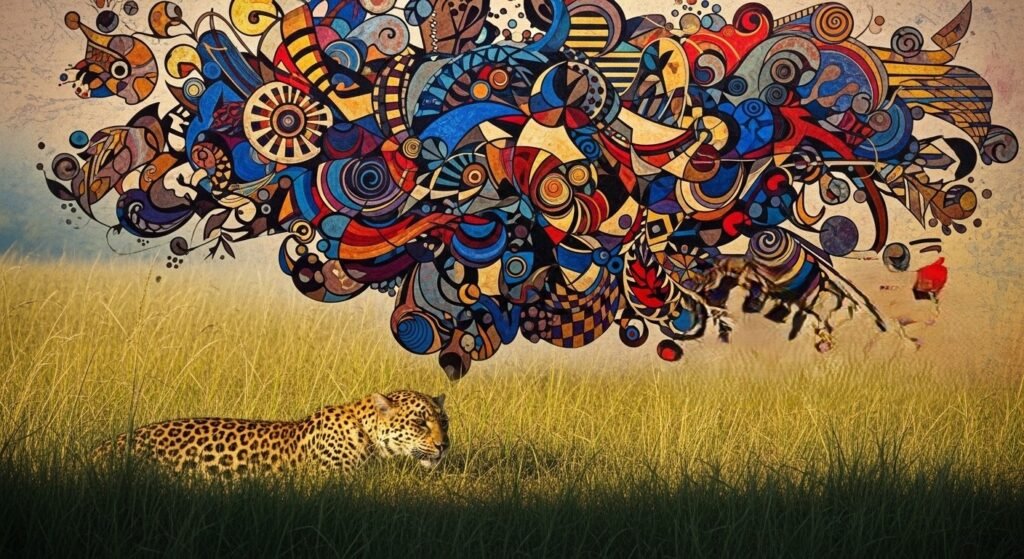
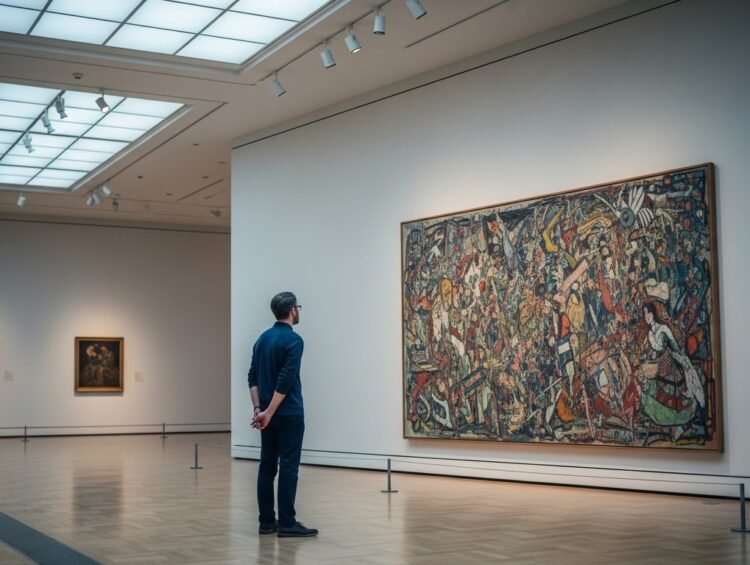
Ancient humans used their ability to see hidden leopards within grasslands to stay alive. The deep human need to find order in chaos makes us enjoy abstract art. Your brain experiences a small “win” when it understands a shape or color.
Stress-Reducing Cortisol Drops
Art activities lead to decreased cortisol levels. The biological “reset” which our body experiences during museum visits or concert attendance protects us from permanent health damage that results from persistent anxiety in high-pressure environments.
Neuroplasticity and Brain Growth
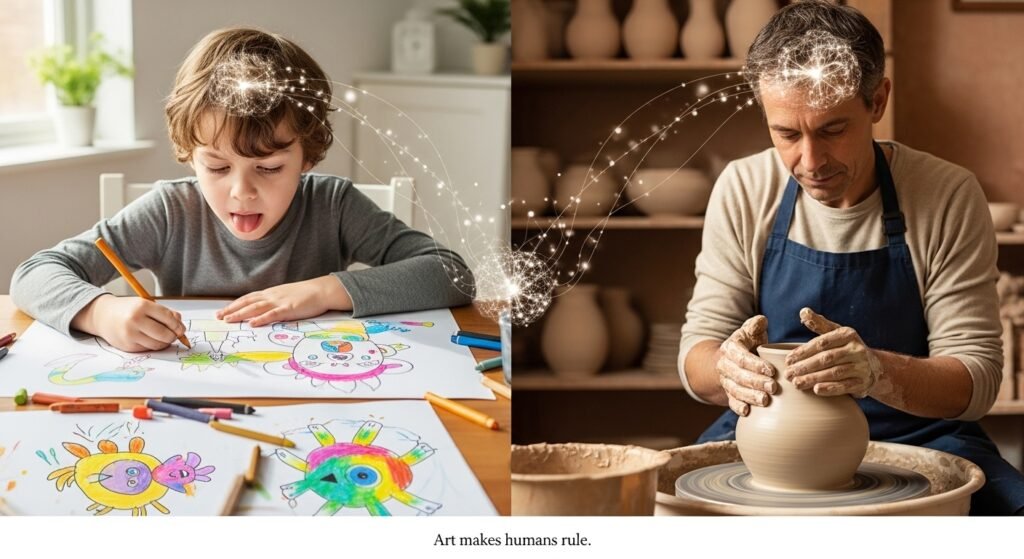
The process of creating art establishes new neural connections. Doodling children and pottery-making adults actively transform their brains to acquire better adaptation abilities which help humans rule over all other creatures.
The Human “Handprint” Instinct
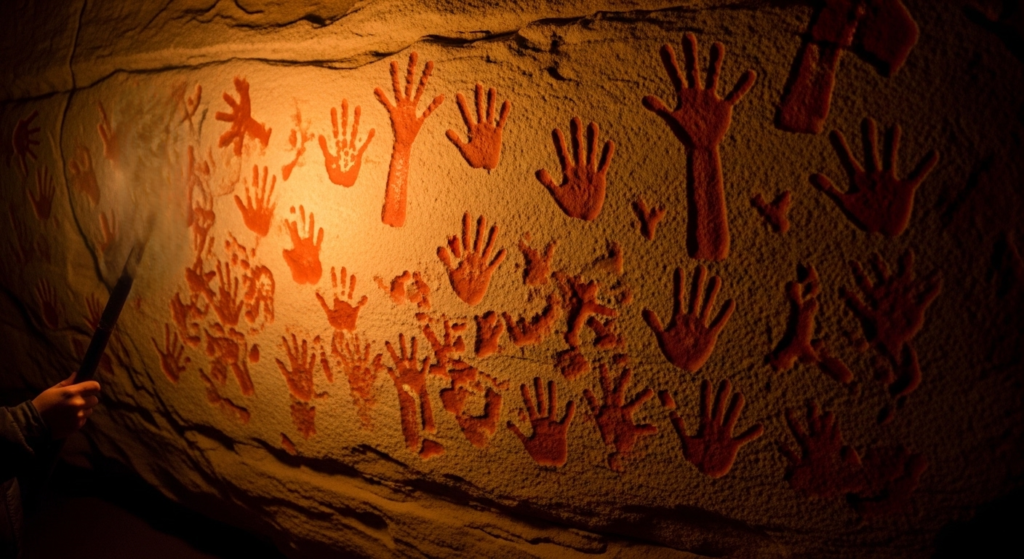
We have an innate urge to leave a mark. The handprints in the Cueva de las Manos caves serve as a historic form of art which humans used to display their existence at this location while modern graffiti represents a psychological need for biological immortality through artistic expression.
Symmetry and Health Cues
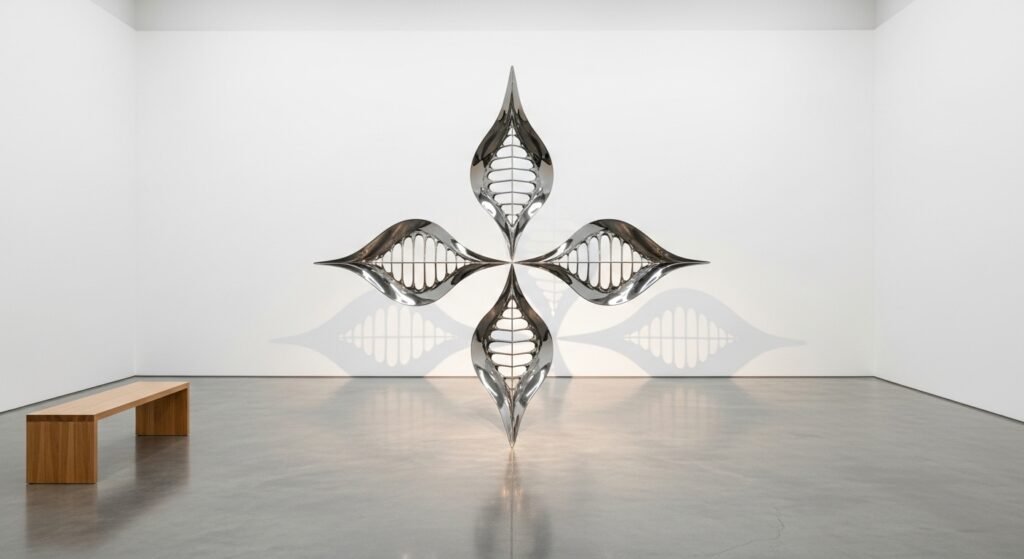
Natural symmetry leads us to prefer symmetrical art because it demonstrates health and genetic quality. The perfectly balanced sculpture creates a deep subconscious desire to discover “safe” environments which people consider as “healthy.”
Sensory Overload Management
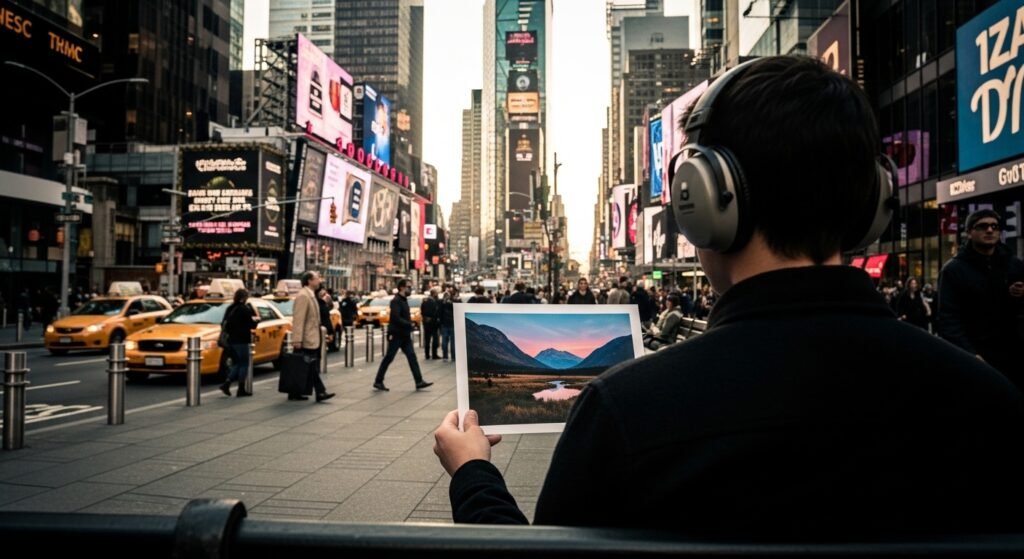
Art helps us understand the enormous amount of information that our eyes and ears present to us. Our brains remain alert when we concentrate on just one music piece or one photo because we create “tuning” which stops our brain from being overwhelmed by outside sounds.