 Isabella Miller
 People today consider eating ants as a challenge yet they prefer to eat ant-fermented yogurt which has become popular in high-end sustainable restaurants that offer bio-cuisine. The specific ant species utilize their natural chemical abilities to convert milk into new flavor profiles which cannot be replicated using laboratory-created bacterial strains. The combination of old indigenous wisdom and modern scientific cooking methods creates a new thing.
The Formic Acid Factor
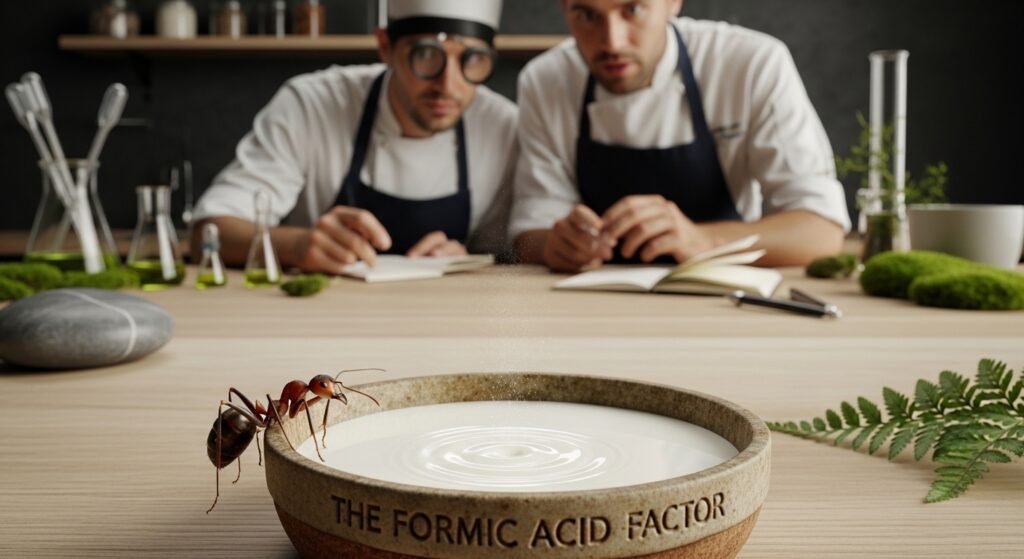
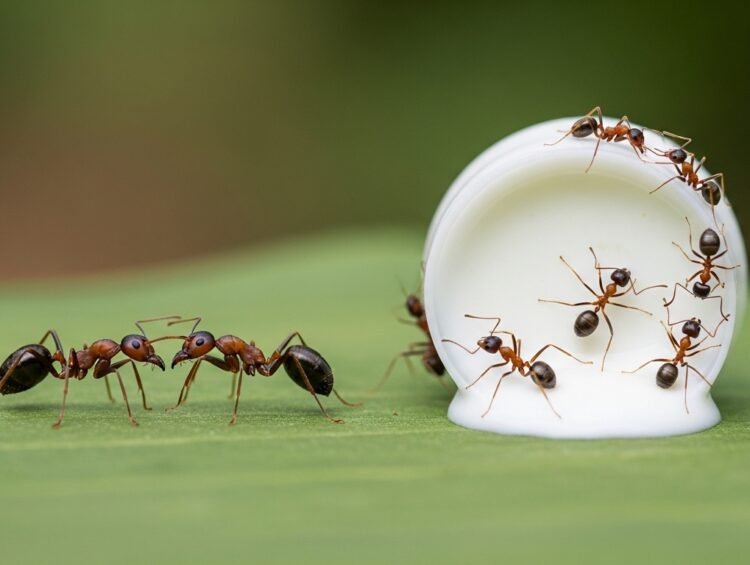
Wood ants defend themselves from threats by excreting their formic acid. The acid functions in milk as both a natural curdling agent and an extension of milk’s shelf life. Chefs transform food texture through their use of insect natural properties instead of industrial chemicals according to this actual example of biomimicry.
The “Acid-Bath” Fermentation
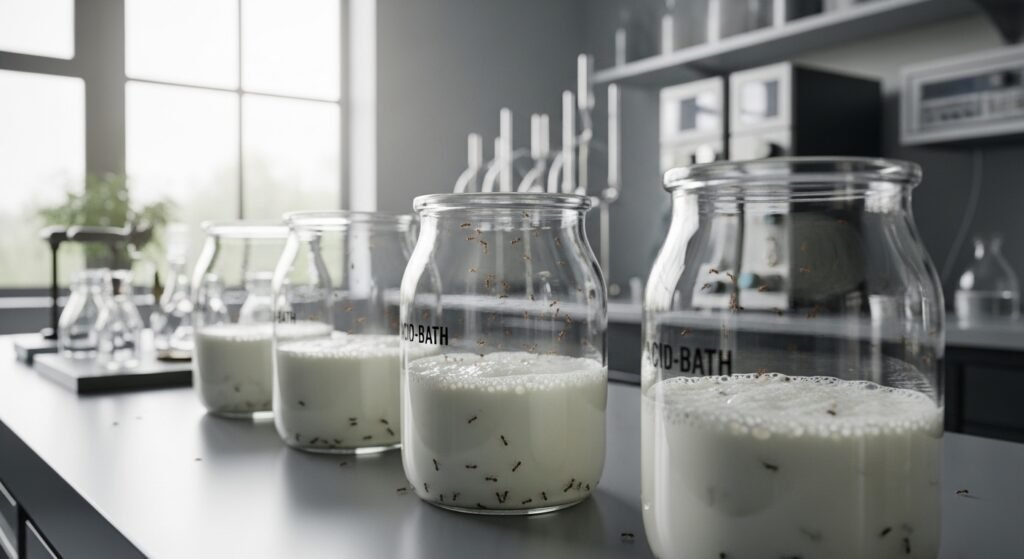
The milk receives treatment from crushed or live ants, which provides a different approach than regular heating methods. The unique milk protein breakdown process of the ants produces a yogurt with a thinner and more effervescent quality than typical Greek yogurt.
Traditional Roots in Mexico
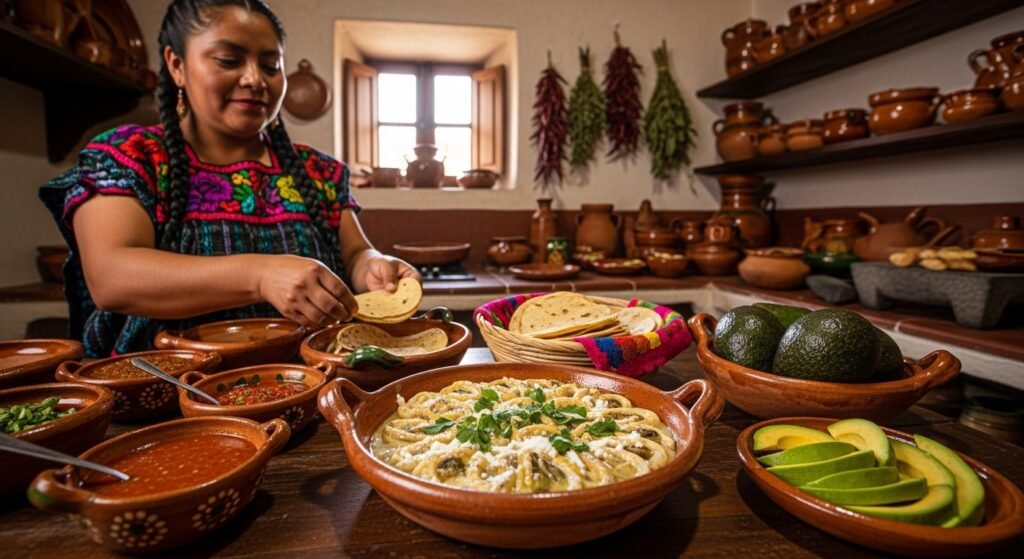
This practice has historical roots because people in Mexico have consumed escamoles (which are ant larvae) throughout the centuries. The traditional insect dairies from past times provide the basis for current yogurt products, which feature insect-based creamy larvae combined with fermented dairy items.
Sustainable Protein Boost
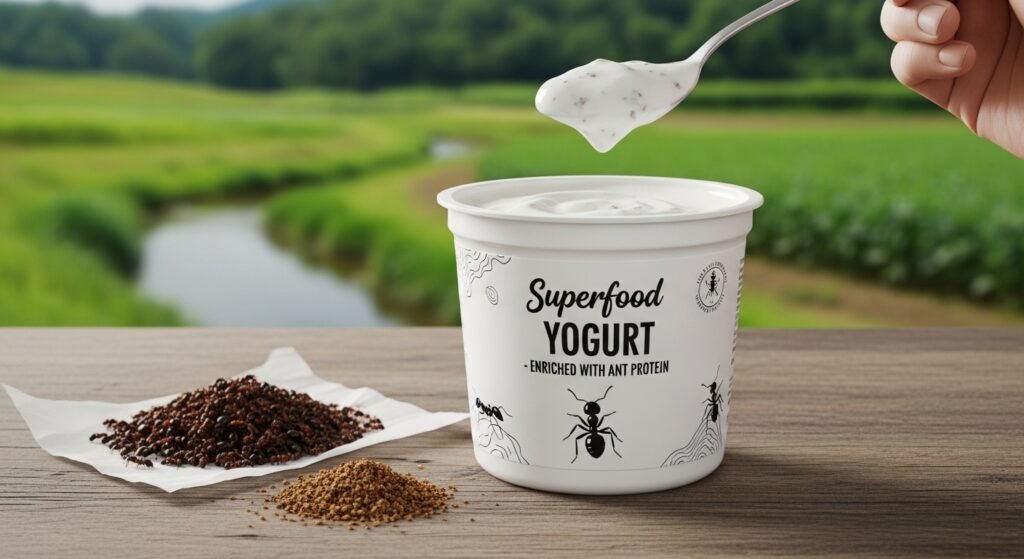
Ants contain a high protein content together with essential minerals like zinc and iron. The ants enable yogurt makers to create a superfood product which needs less water and land resources compared to livestock-based additives.
The “Wild” Microbiome
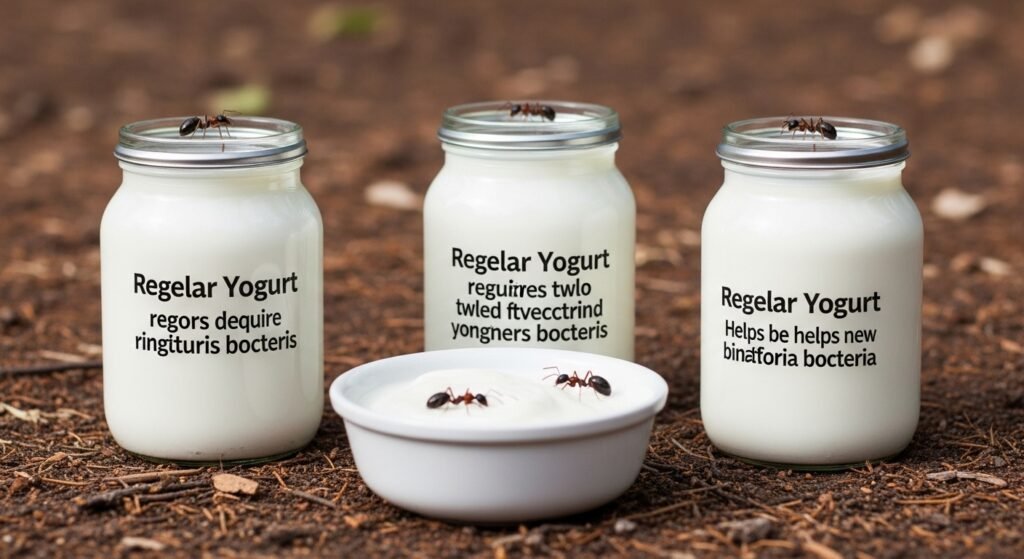
Regular yogurt production requires two or three different bacteria strains. Ant-fermented products include a forest floor microbiome which passionate users claim helps their digestive system by adding new beneficial bacteria.
Chilled Foraging Techniques

To gather the ants without harming the colony, harvesters often use “cooling blankets” to slow the ants down. The insect collection method follows humane practices which permit yogurt production to maintain its pure flavor by avoiding any bitter taste from stress.
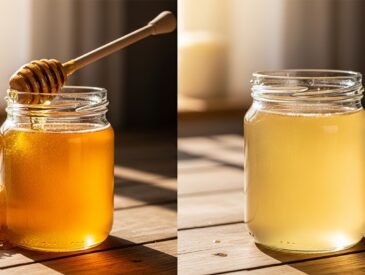
Honey Ant Sweeteners
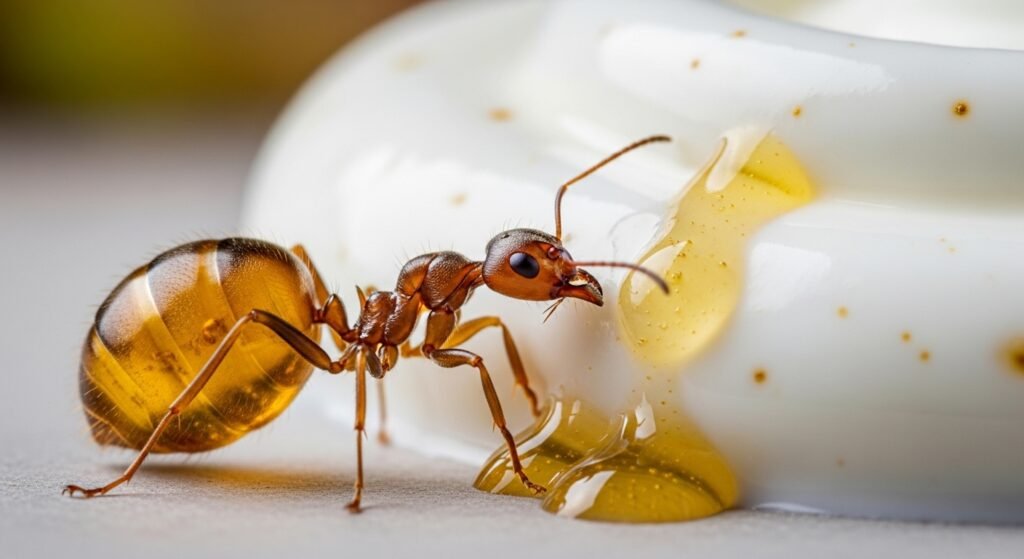
Certain types of Honey Ants use their abdomens to keep nectar safe. The ants function as natural flavor providers which produce an earthy sweetness in yogurt while carrying bacteria needed for fermentation.
A Solution for “Low-Acid” Dairy
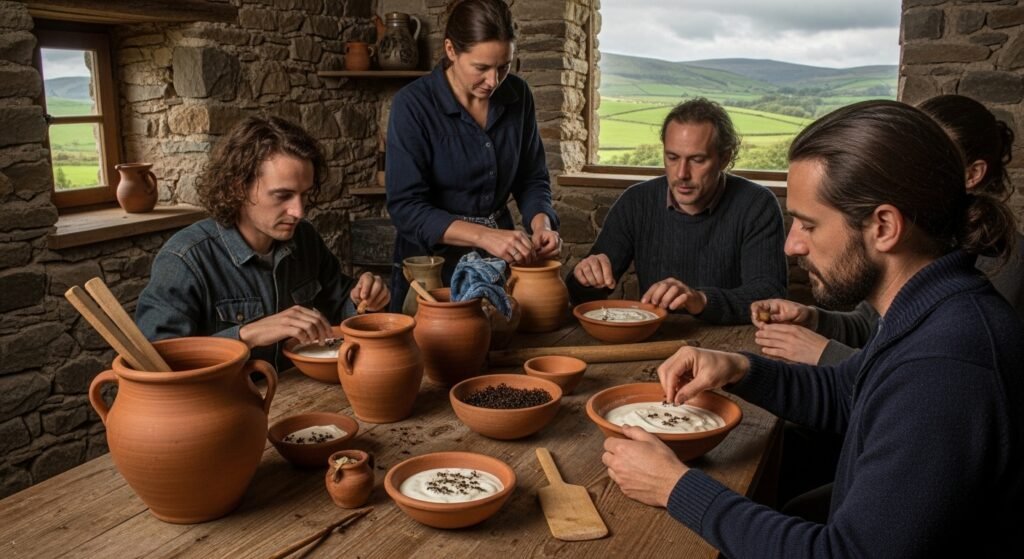
Northern European regions without citrus fruit production rely on ant fermentation to provide a local solution for dairy acidification. The local food movement considers this product a central trend because it encourages people to eat only locally accessible foods.
The “Pop” Texture
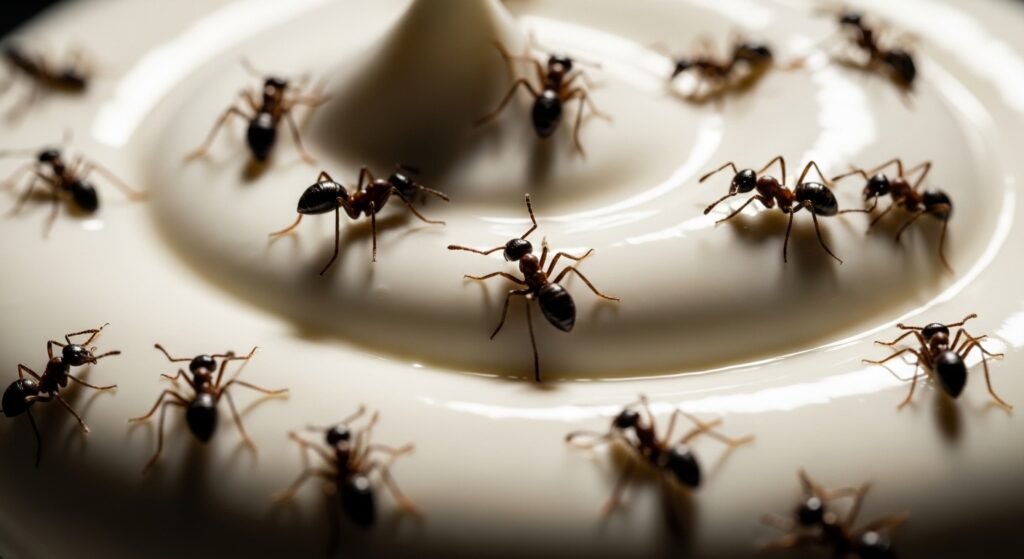
Artisan brands choose to keep tiny ant fragments in their yogurt products to create actual texture. The combination produces an experience which delivers concentrated formic acid through a sensory pop that clashes with yogurt’s smooth texture.
Premium Price Tags
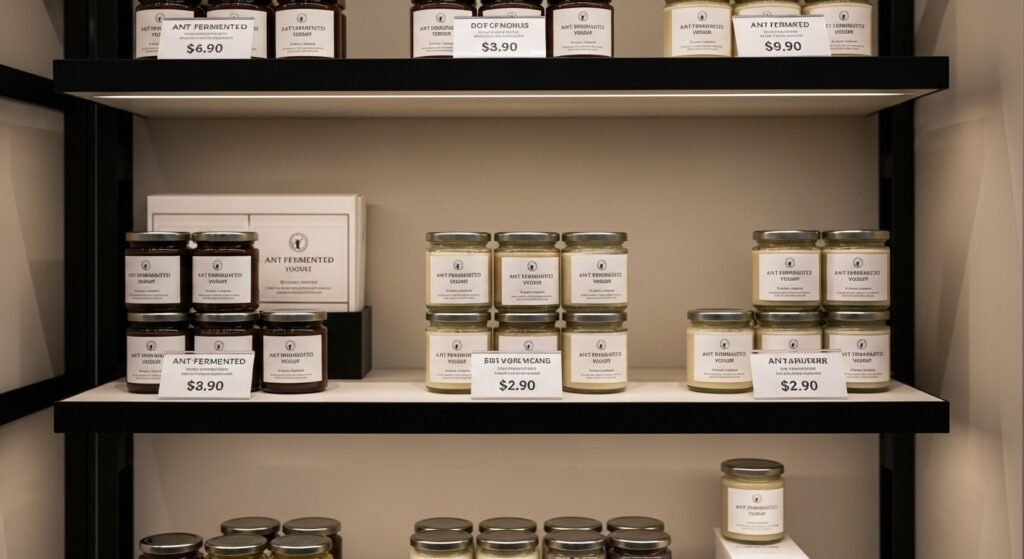
The ants must be hand-foraged which needs extensive labor and the delicate fermentation method creates a rare yogurt jar that retails for over 20 dollars in exclusive New York and London boutiques as a special luxury health food product.