 Sophia Davis
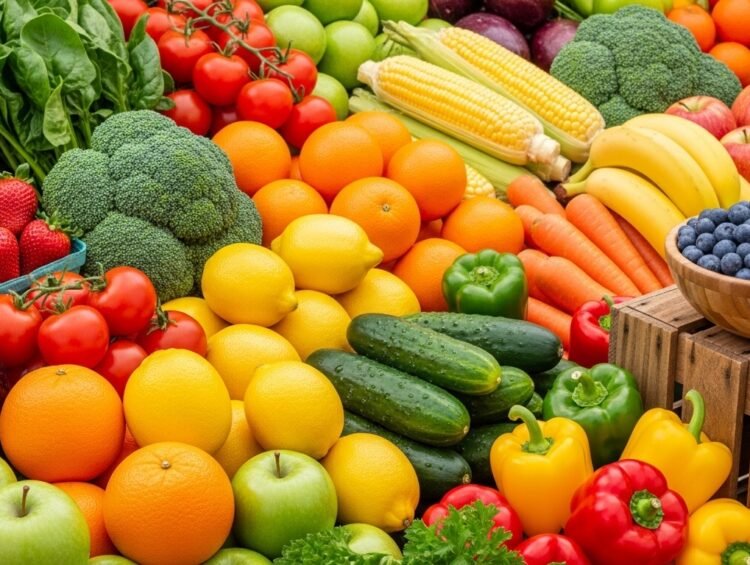
 The vibrant garden and grocery aisle display a full spectrum of red green and yellow colors while the color blue is almost entirely absent. The fruit we call “blueberries” has a deep purple or indigo color and its juice turns purple after we mash the berries. Nature has a specific biological reason for keeping this color off the dinner plate which depends on chemical and light properties.
The Complexity of Anthocyanins
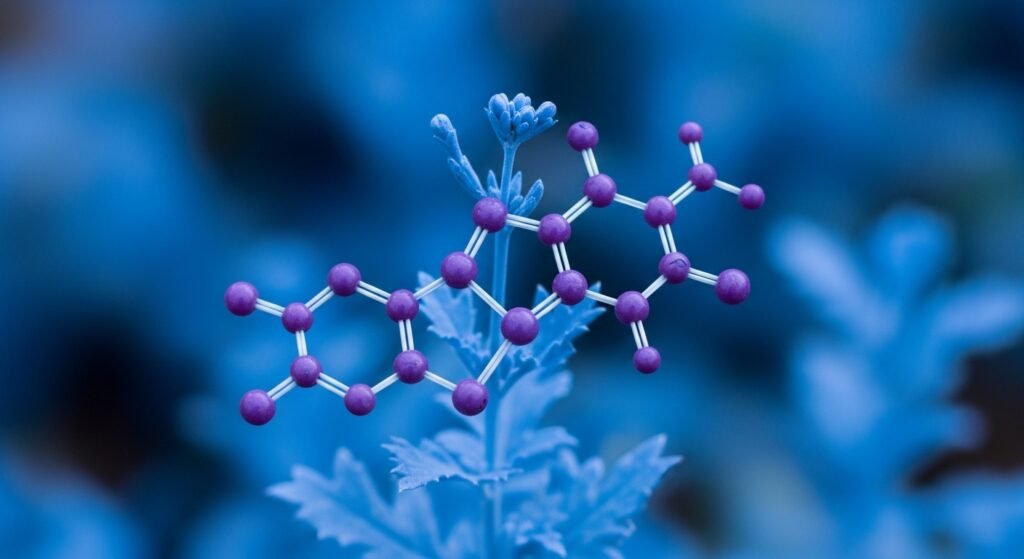
Plants that appear blue to the eye depend on pigments that scientists identify as anthocyanins. These molecules exist in a natural state as reddish or purple substances which can only develop a blue appearance under particular alkaline environments. The pigment usually remains on the purple side of the color spectrum because most plant tissues have a slightly acidic pH level.
The Physics of Light Reflection
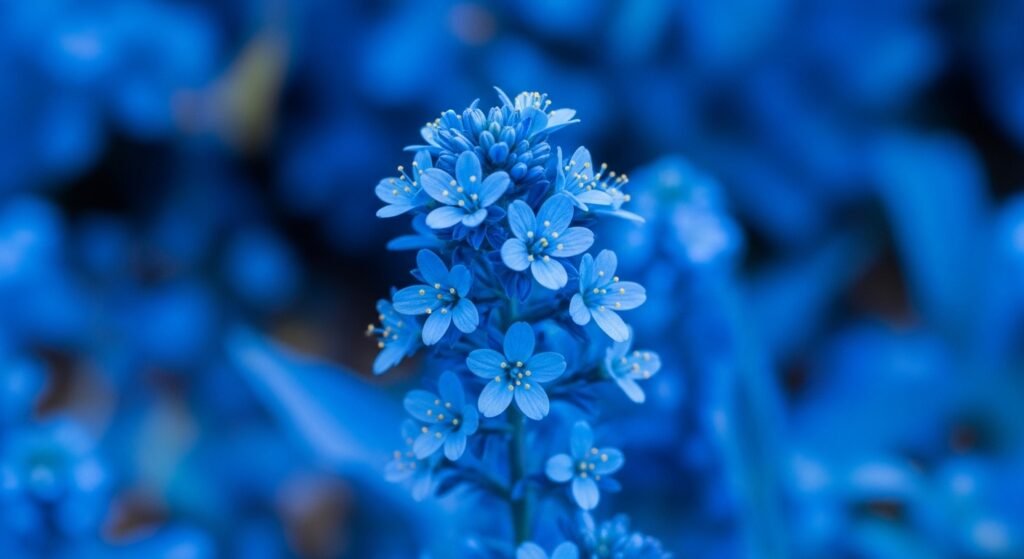
Plants face difficulty in producing blue color because it represents a physics phenomenon rather than a pigment creation process. A plant achieves its blue appearance through the reflection of a certain high-energy light wavelength. Most plants prefer to make chlorophyll for green or carotenoids for orange instead of creating the complicated structures required to show blue light.
A Warning Signal to Animals
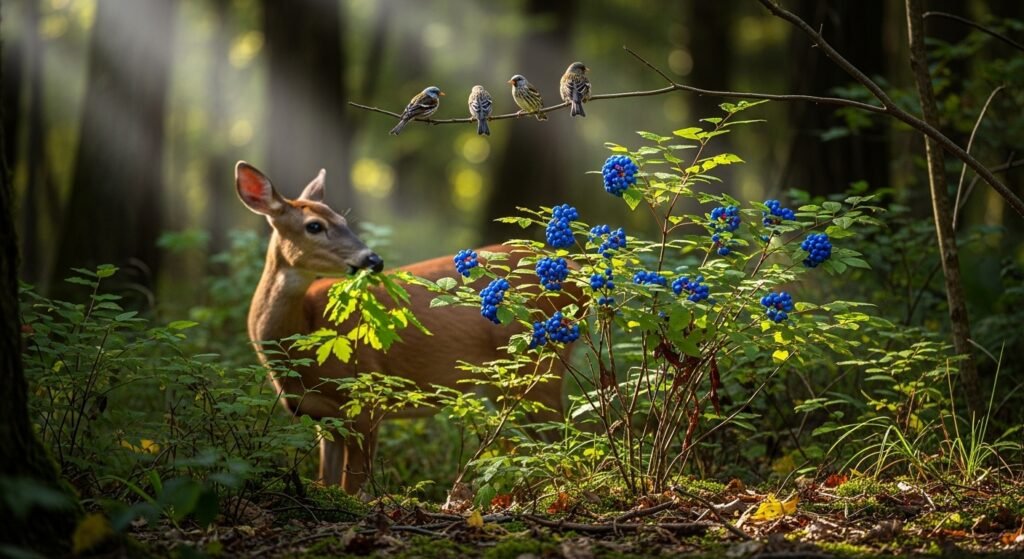
The color blue serves as a warning sign of danger or toxicity in nature. The rarity of true blue made blue become a sign of inedibility and toxicity which animals including early humans came to understand. Plants did not develop blue color as an evolutionary attraction method because this psychological barrier prevented creatures from becoming interested in them.
The Rarity of Alkaline Soil
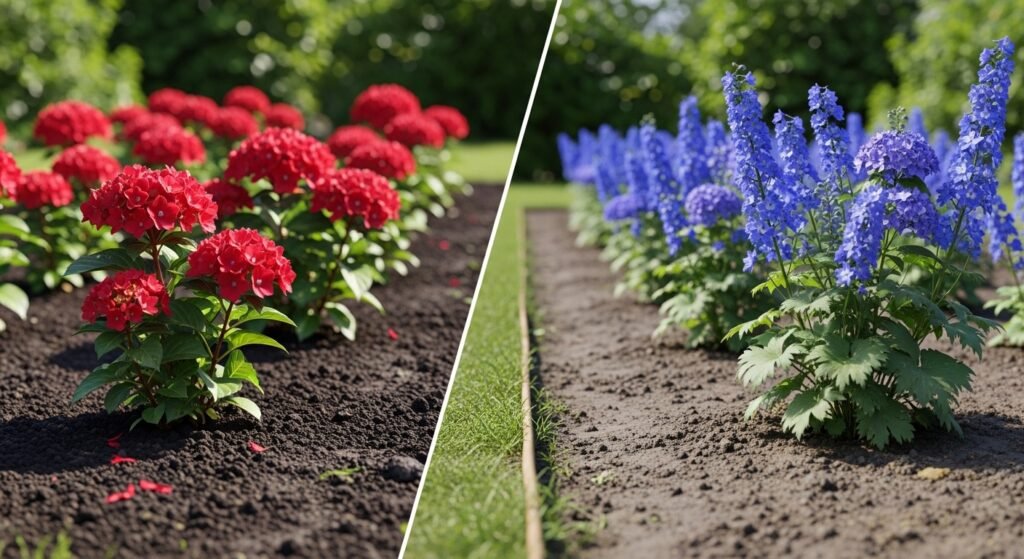
A plant requires alkaline soil conditions to sustain its blue color. Most fertile soil on Earth exists as slightly acidic or neutral which causes plant pigments to shift toward red or pink. A plant designated as “blue” would turn purple without the necessary soil chemistry conditions.
The Energy Cost for Pollinators
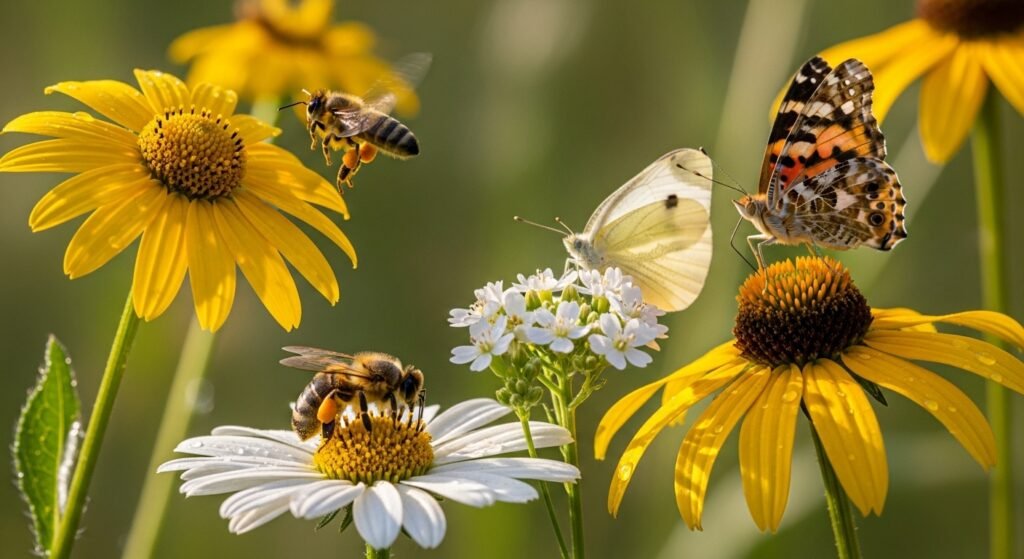
Bees and butterflies possess excellent blue vision capabilities but blue flower and fruit production demands excessive metabolic energy from the plant. Plants select yellow or white colors because those options provide simple production methods while remaining highly detectable to essential reproductive insects.
Heat Sensitivity of Blue Molecules
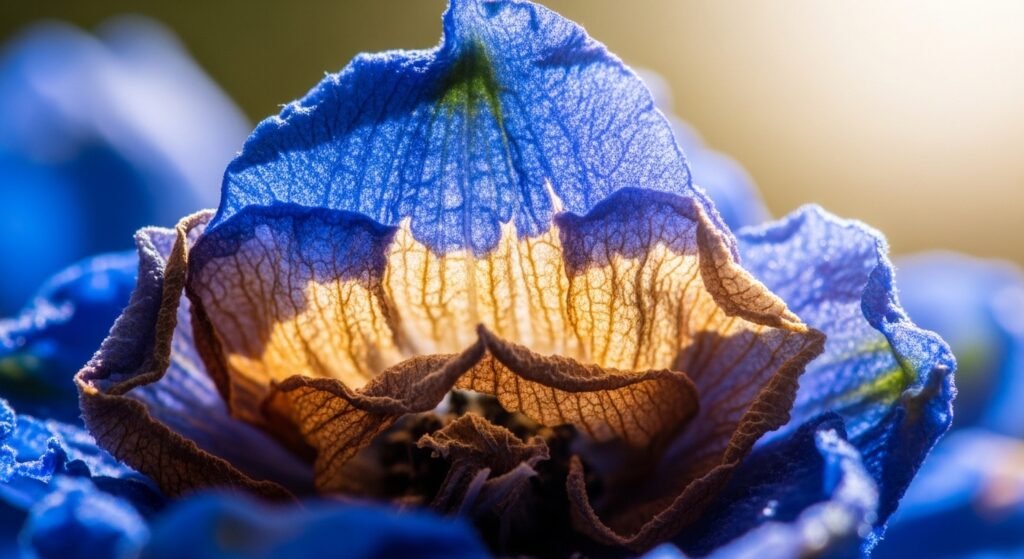
Blue colors come from chemical bonds which maintain their blue appearance until they experience certain conditions. Heat and light exposure lead to molecular breakdown and oxidation which produces brown or gray results. The plant requires full sunlight exposure for its growth process which makes blue an unsuitable color choice.
The Absence of Blue in the Food Chain
Evolution functions as a system that replicates successful patterns from previous organisms. The absence of blue mammals and common blue fruits led to the creation of no biological blueprint that other species could utilize. Organisms chose to stick with existing color options which proved effective for both hiding and attracting attention.
Iron and Aluminum Requirements
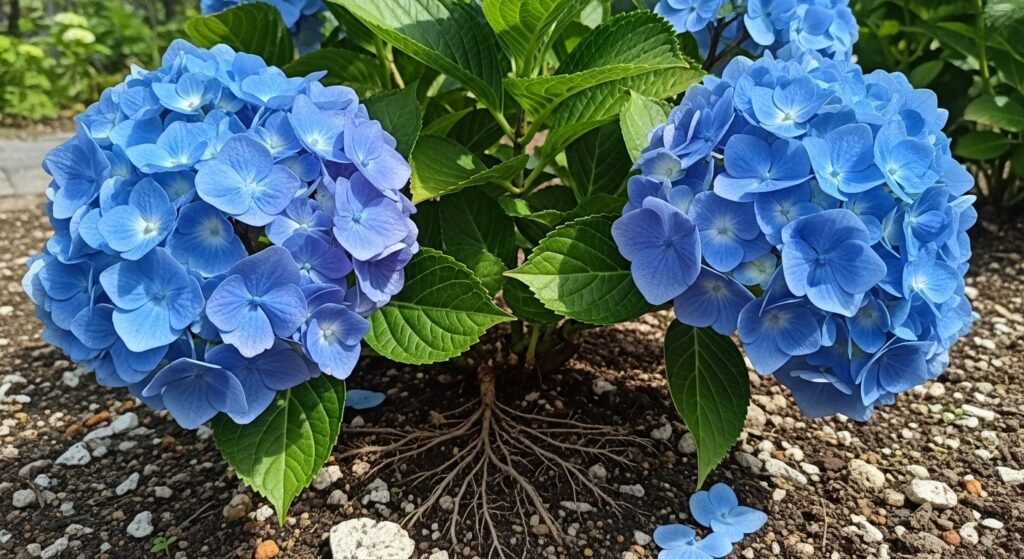
The well-known blue plant blue hydrangeas needs aluminum as a soil mineral because it enables them to “lock” their color in place. Most environments lack the perfect mineral concentrations required to produce blue fruit throughout extensive areas.
The Red-Shift of Ripening
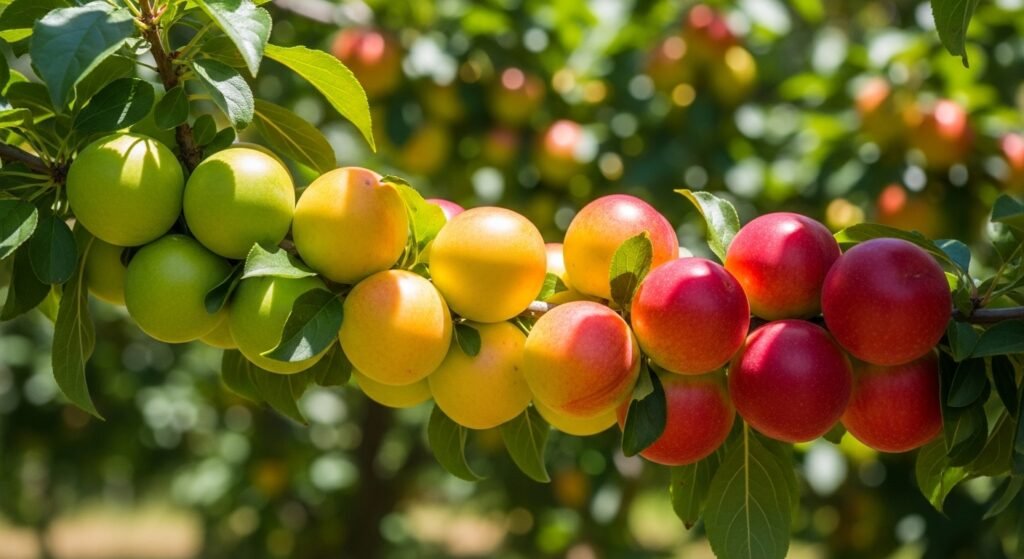
Fruit ripening begins when enzymes start to break down chlorophyll while they boost sugar production which leads to a color shift toward red or yellow. The chemical process of “getting sweet” naturally moves the fruit away from blue light and toward more delicious colors.
The “Blue” Aesthetic is Modern
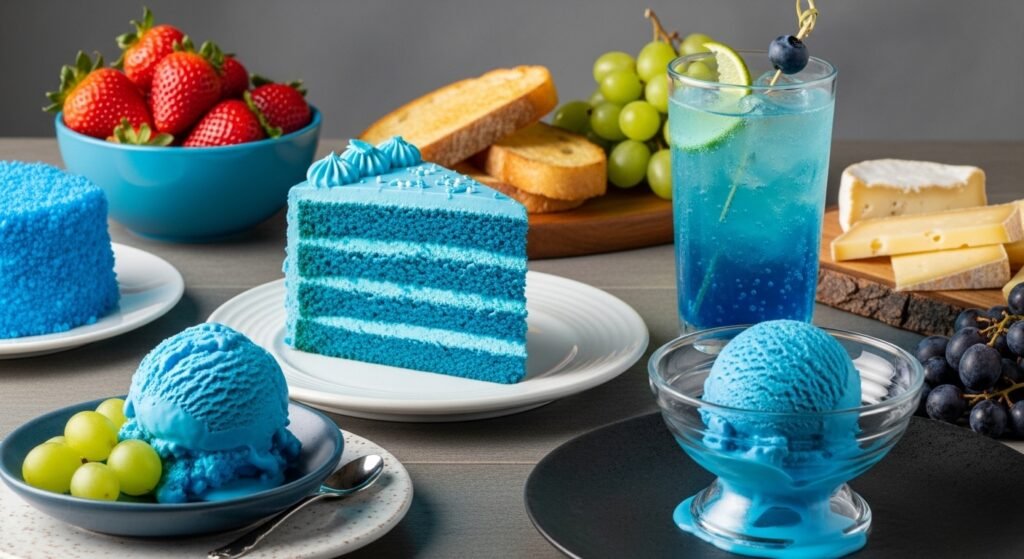
Throughout history humans encountered little to no blue food options which prevented us from developing a blue food preference. The majority of blue food available today originates from synthetic dyes which we use to create our edible blue products because nature fails to deliver dependable blue edible pigments.