 Isabella Miller
 The Amazon Rainforest is often called the last great mystery on Earth. While many think of it as a wild, untouched jungle, recent technology has shown that this area once contained large cities and unusual natural features which go against normal understanding. The discoveries demonstrate that the “Green Hell” served as an advanced center for human activity and engineering work.
A Lost “New York” in the Jungle
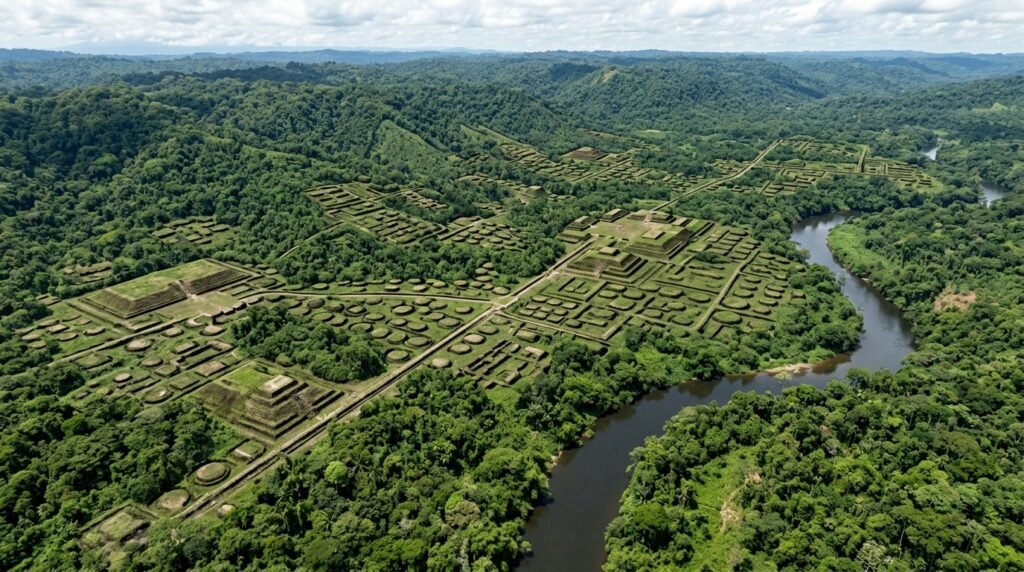
In early 2024, laser technology (LiDAR) uncovered a 2,500-year-old network of cities in the Upano Valley, Ecuador. These settlements included 6000 earthen platforms and a network of straight roads which archaeologists compared to the complex street system of modern cities that includes New York City.
The River of Boiling Water
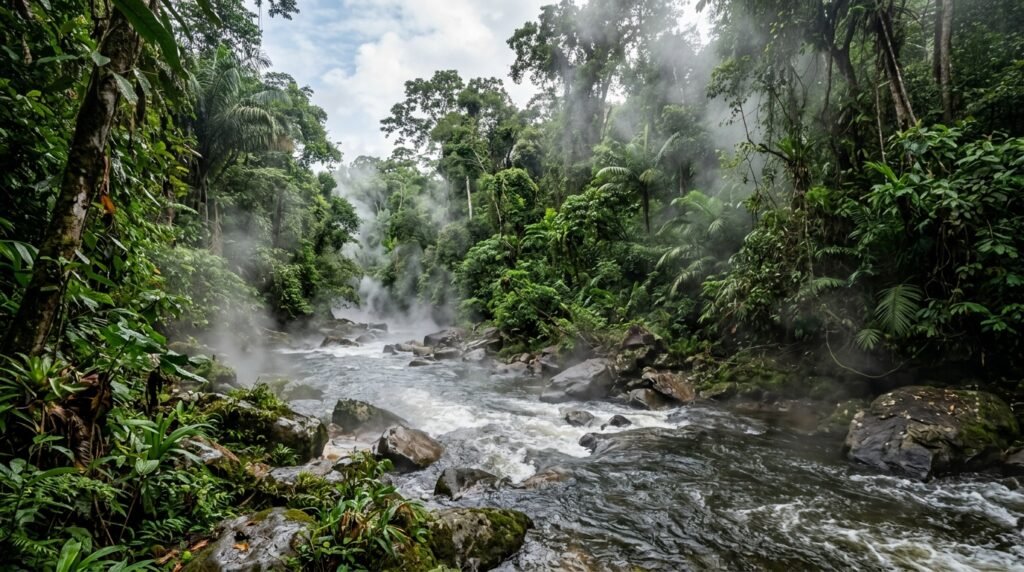
Deep in the Peruvian Amazon lies the Shanay-Timpishka, a river that literally boils, the water temperature reaches 210°F which creates a lethal environment for any animal that enters the river and the hot springs generate their heat from the Earth’s core through deep fractures in the Earth’s crust instead of volcanic activity.
Ancient “Ethereal” Blue Frogs
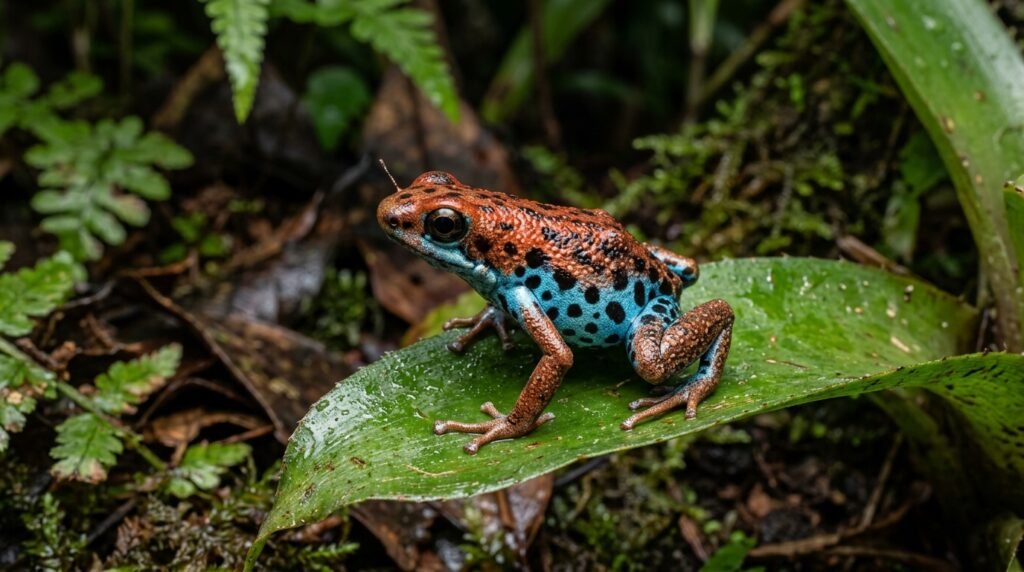
In 2026, scientists officially described a new species of poison dart frog called Ranitomeya aetherea. The small animal from a distant basin has a reddish-brown back and stunning blue underparts with black spots which researchers called “heavenly” because of its exceptional beauty.
Stonehenge of the Amazon
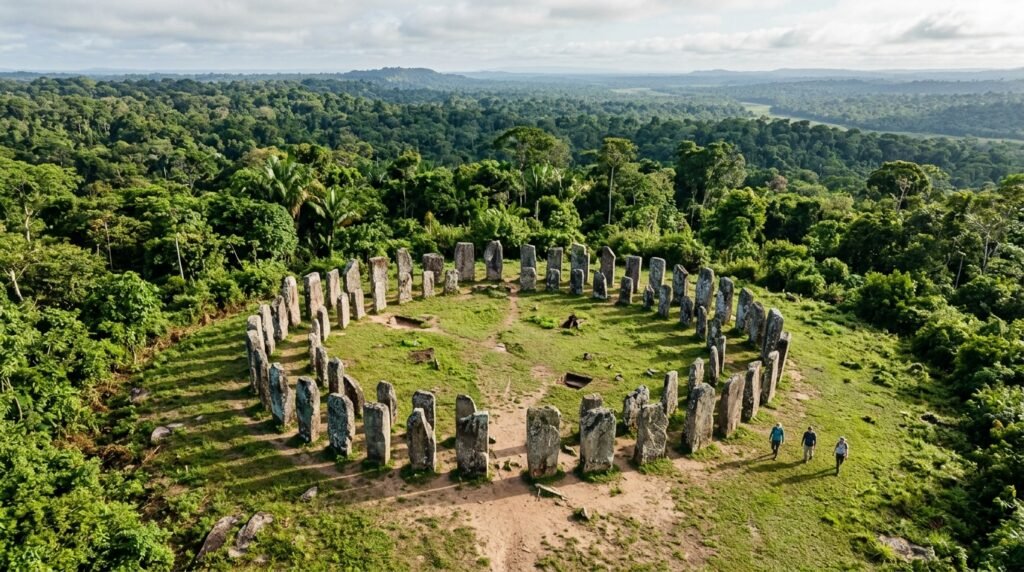
The explorers discovered a gigantic circle which contains 127 granite blocks that function as an ancient astronomical observatory in Brazil. The people from ancient Amazonian tribes constructed these stones more than 1000 years ago to create a winter solstice alignment which demonstrates their advanced understanding of spatial and temporal concepts.
The Ghost Cities of Bolivia
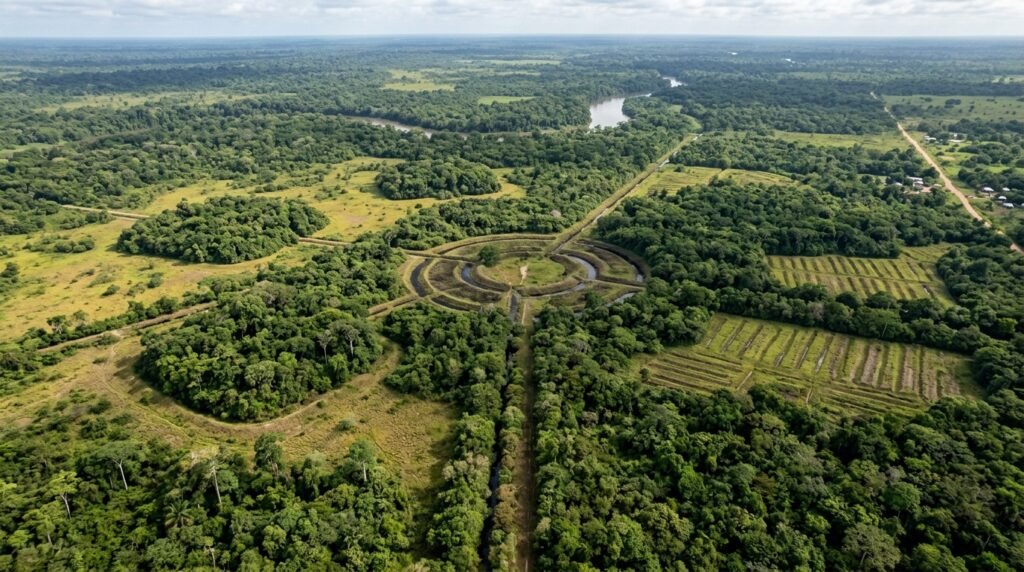
Researchers discovered extensive “urban landscapes” which had existed for hundreds of years through their drone surveys in the Llanos de Moxos area. The team uncovered large mounds and circular ditches and canals which functioned as fish farming systems and flood management systems to demonstrate that Amazon territory had been developed by ancient civilizations.
100-Million-Year-Old Amber
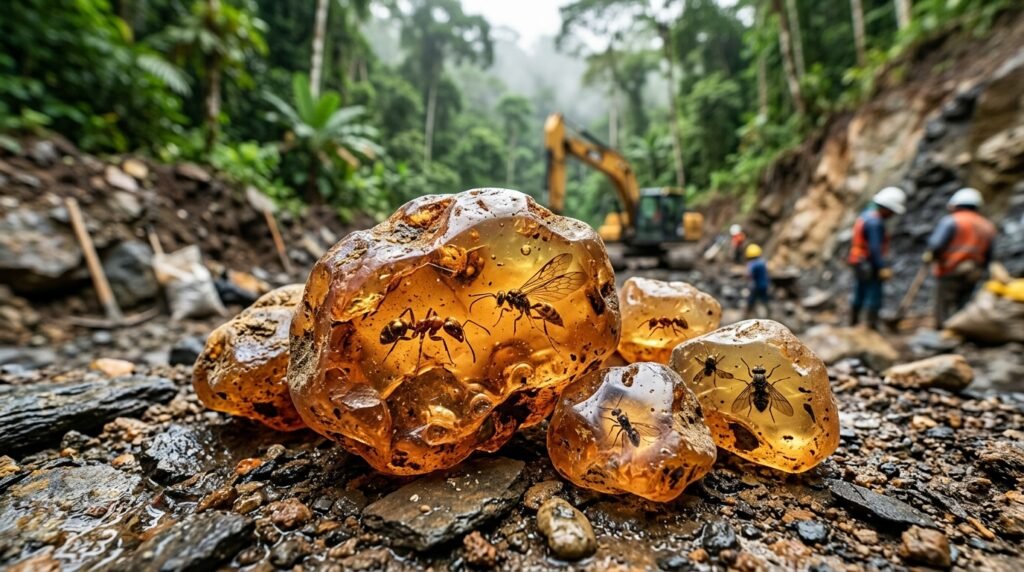
In September 2025, a treasure trove of amber was found in an Ecuadorian quarry and the antique tree resin contained preserved insects which date back to the dinosaur time period including prehistoric ants and wasps and flies. The discovery marks the first finding of exceptionally preserved ancient insects from South America.
A 3-Foot Wide Funerary Urn
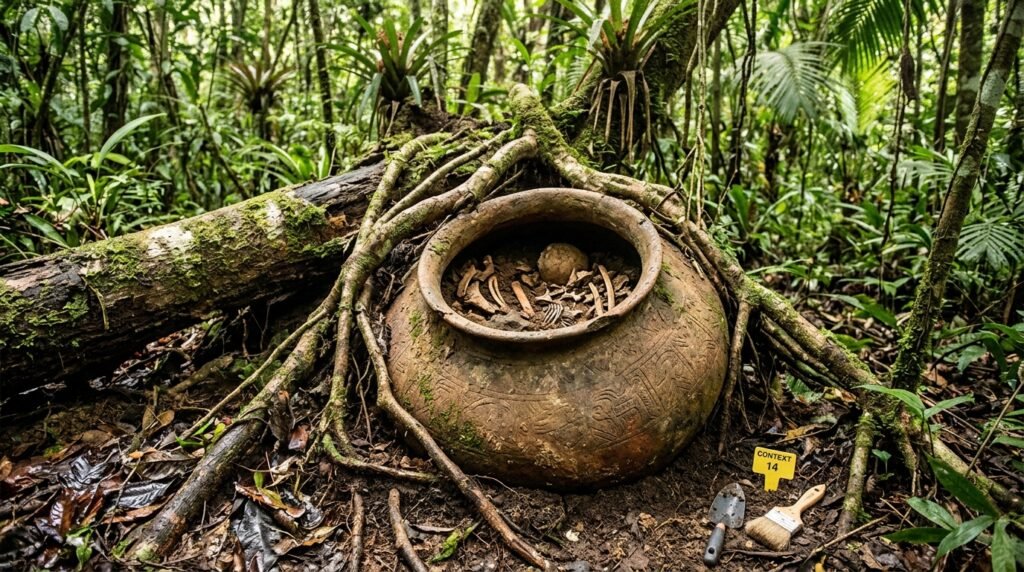
Archaeologists recently found seven massive ceramic urns hidden beneath the roots of a toppled tree and the most significant specimen had a diameter of three feet and a weight of 770 pounds. The vessels held human and fish remains which indicates that ancient people buried their deceased relatives directly beneath the floors of their homes.
The Mystery of “Black Gold” Soil
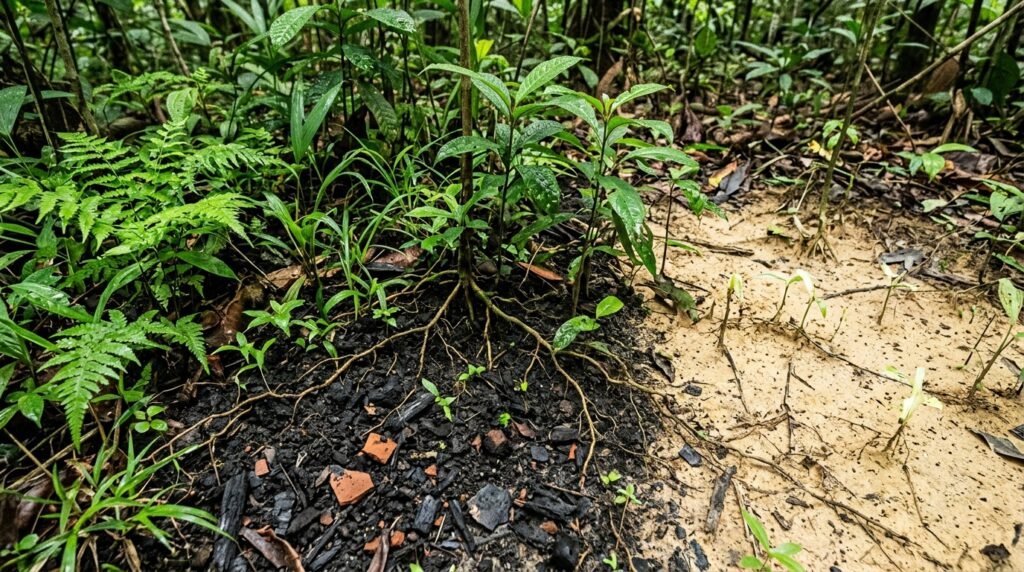
Terra Preta describes a type of human-created soil which people have established throughout forested areas. The soil contains charcoal particles together with nutrients which enable it to retain its fertility for numerous generations. The “ancient compost” demonstrates that large numbers of people inhabited the forest while they engineered the soil to create agricultural land which enabled large-scale food production.
Trees That Actually “Walk”
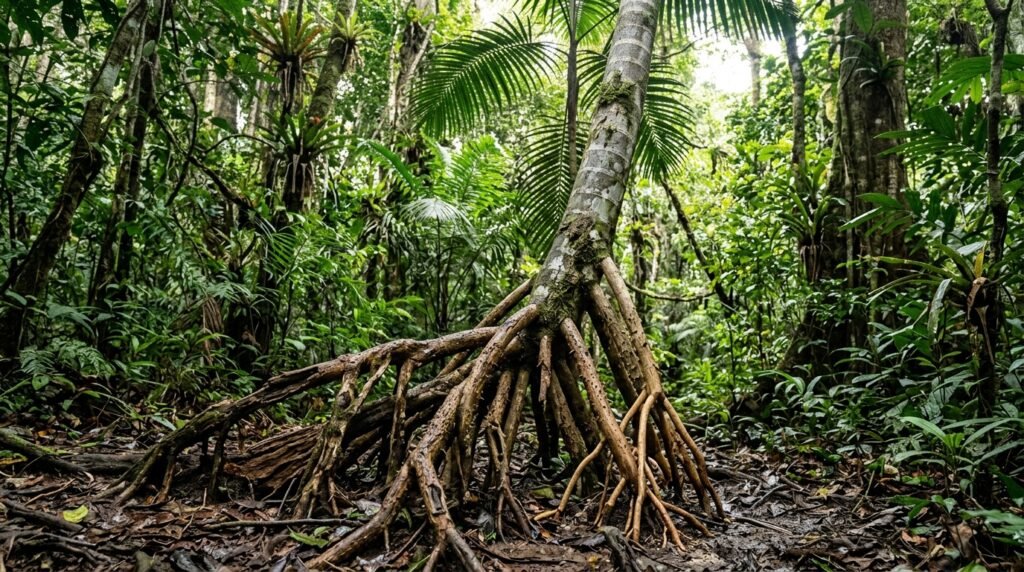
The Socratea exorrhiza palm has a bizarre root system that allows it to slowly move toward sunlight. The tree grows new roots toward the light because of sun movement while it allows its existing roots to die which results in its annual “walking” movement of several centimeters.
Submerged Ancient Canals
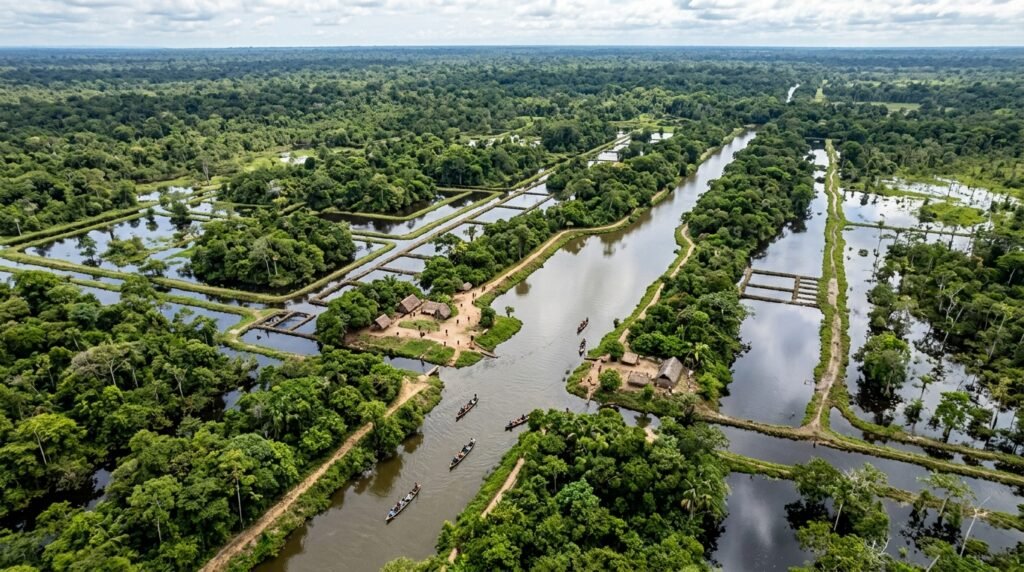
LiDAR scans in Bolivia revealed sophisticated water systems that connected entire regions. The forest area contained engineered canals which people used for boat transportation and fish trapping purposes during the wet season because they designed the canals to handle both functions.
The 8-Mile “Sistine Chapel” of Rock Art
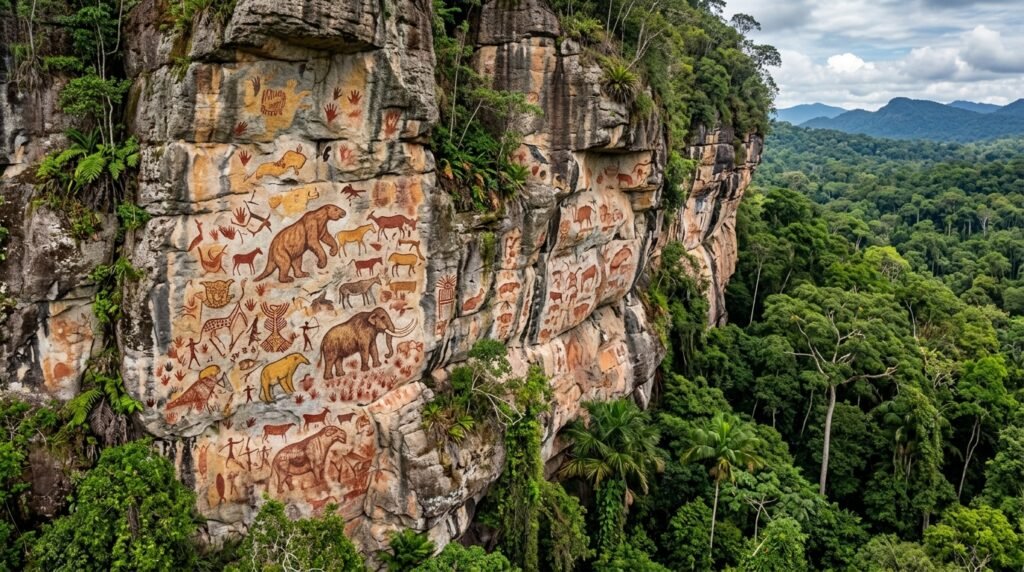
A massive cliff face was discovered by explorers who found it covered in tens of thousands of Ice Age paintings. The artwork shows “megafauna” which includes giant sloths and mastodons that have been extinct for 12,000 years, creating a comprehensive visual record of the earliest human inhabitants of the forest.