 Sophia Davis
 The islands which exist as paradise face restrictions because those who visit need protection and the islands need to safeguard their unique wildlife. Governments establish these bans to stop people from entering dangerous zones and to safeguard native peoples who need their privacy and to protect fragile ecosystems which exist in their territories. The world holds its greatest enigmas within its restricted areas which include radioactive zones and snake-infested islands.
North Sentinel Island, India
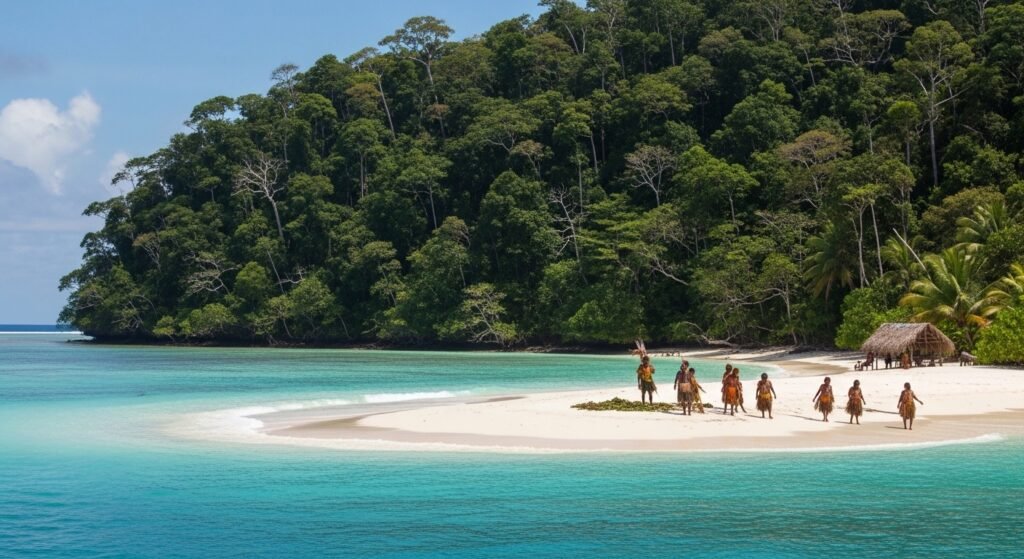
The Sentinelese people who belong to this indigenous group have lived on this island in complete separation from all outsiders since ancient times and the Indian government has imposed a complete travel ban to the island because its inhabitants require protection against diseases which modern societies bring.
Ilha da Queimada Grande, Brazil
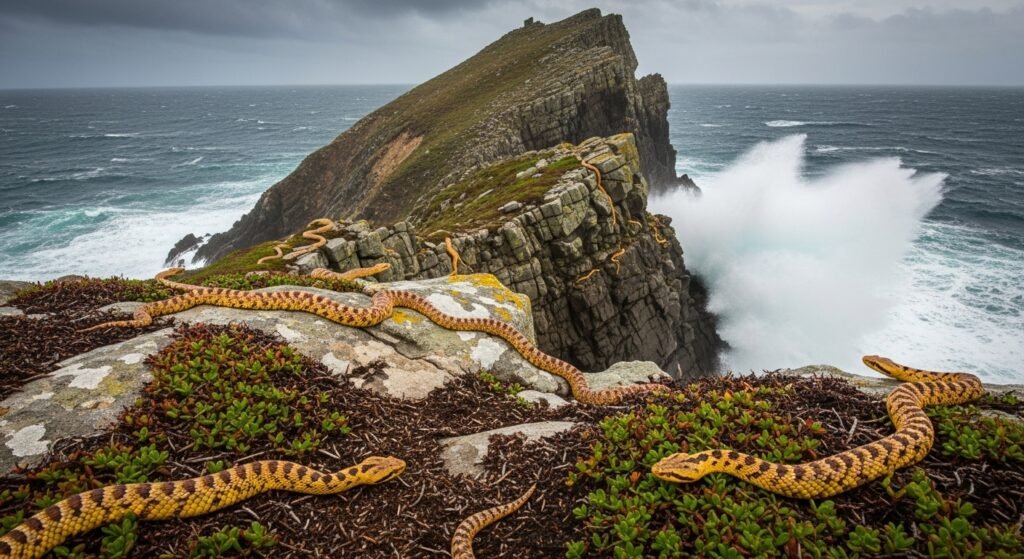
The location which people refer to as Snake Island actually contains thousands of Golden Lancehead vipers which rank among the most dangerous snakes worldwide and the Brazilian Navy has prohibited all civilians from entering because the snake population reaches such critical levels that any person would face snake bites with every few steps they take.
Poveglia Island, Italy
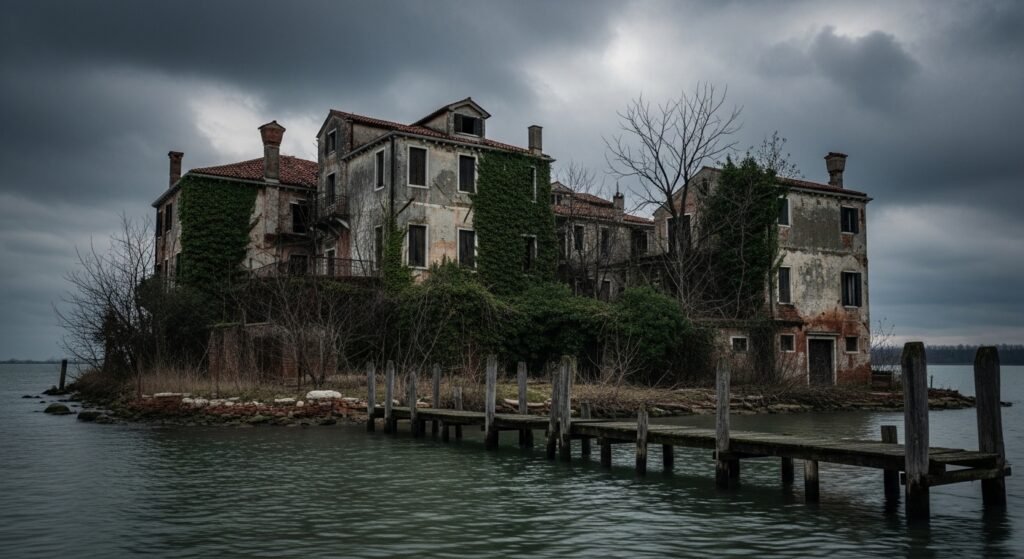
The small island near Venice served as a plague quarantine station which later became a psychiatric hospital. The site which people believe to be the most haunted in the world remains closed to public access because the Italian government wants to stop dark tourism and keep people away from the hazardous ruins which are falling apart.
Niihau Island, USA
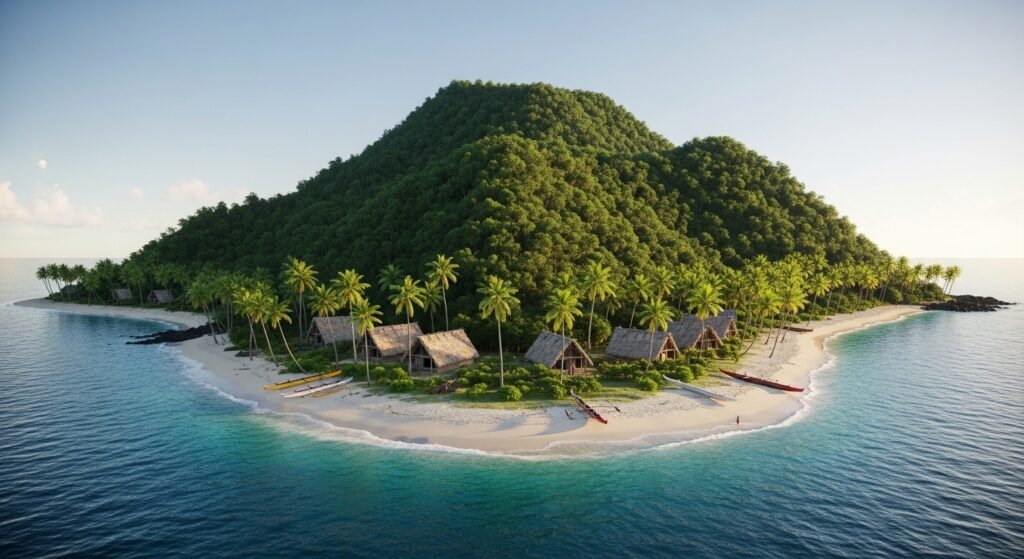
This Hawaiian island which people call the “Forbidden Isle” exists as private property which supports traditional Hawaiian cultural preservation. The island restricts access to its owners and their guests and permanent residents so that local cultural practices will not encounter modern world exposure.
Surtsey Island, Iceland
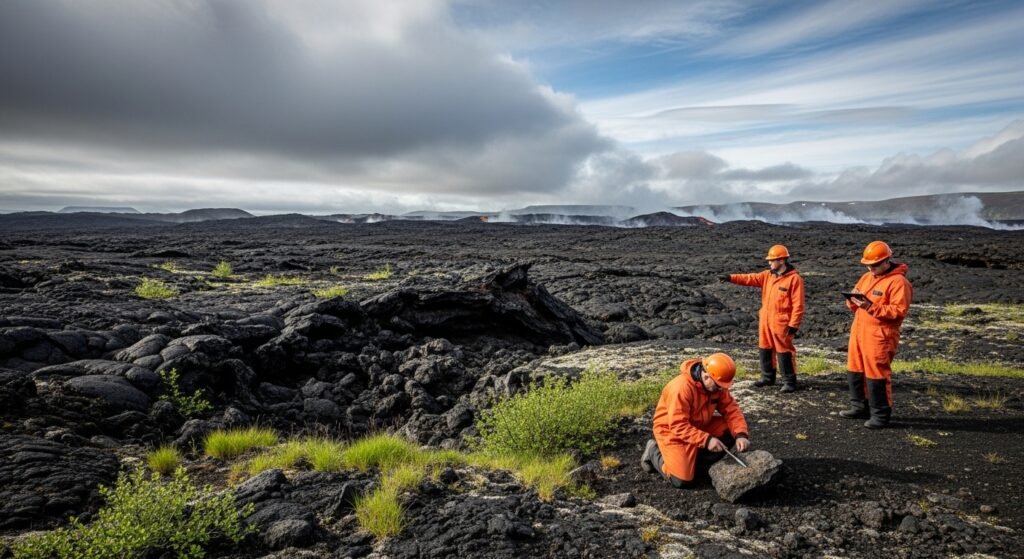
The volcanic eruption which occurred in the 1960s created this island which scientists now use as an unspoiled research facility. Researchers are permitted to study land colonization by organisms which have reached new territories but they must adhere to strict regulations which ban all introduction of external seeds and bacteria.
Brother Island, India
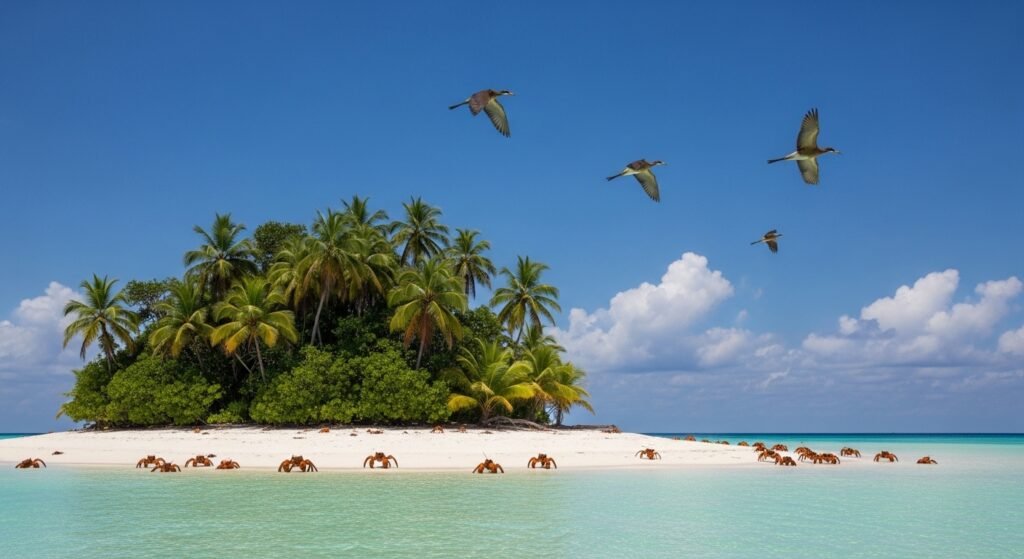
The island territory in the Andaman sea protects a habitat where coconut crabs and multiple rare bird populations thrive. The tourism ban operates under strict enforcement to protect breeding areas which endangered species require from both human foot traffic and environmental pollution.
Diego Garcia, British Indian Ocean Territory
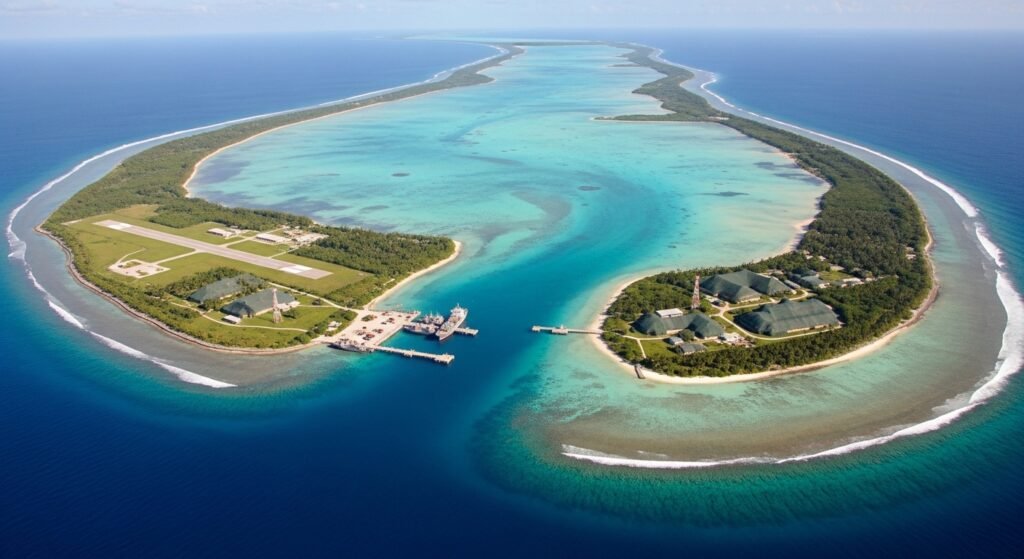
The military base which operates in secret functions from this coral atoll location. The island secures all of its picturesque waters because international security regulations require its total exclusion from civilian tourism despite its position as one of the Indian Ocean’s most protected regions.
Morgan Island, USA
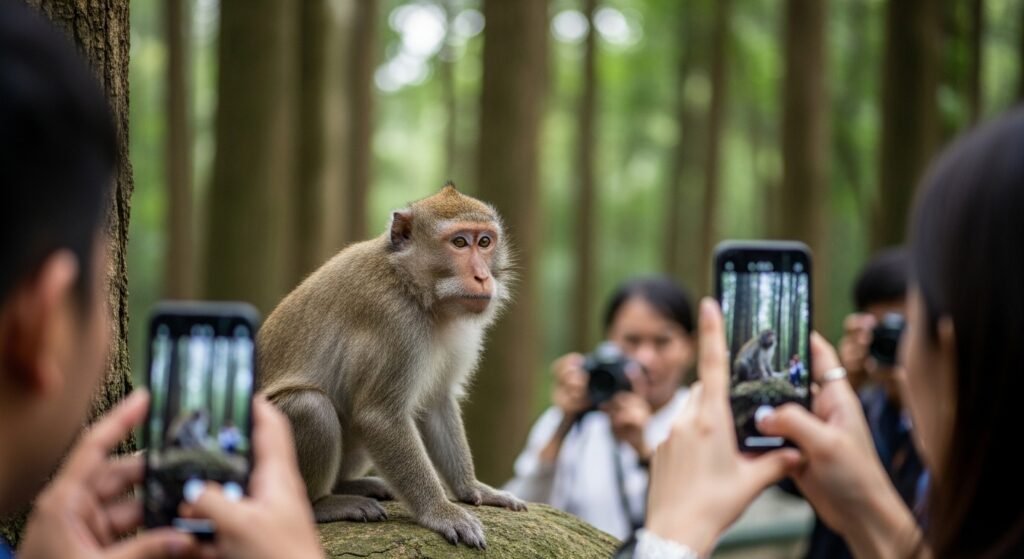
The South Carolina site which people call “Monkey Island” hosts thousands of rhesus monkeys which researchers use for medical studies and the island maintains a human access prohibition to avoid disease transmission from people to primates and to maintain the monkey colony’s isolation.
The Lascaux Caves, France
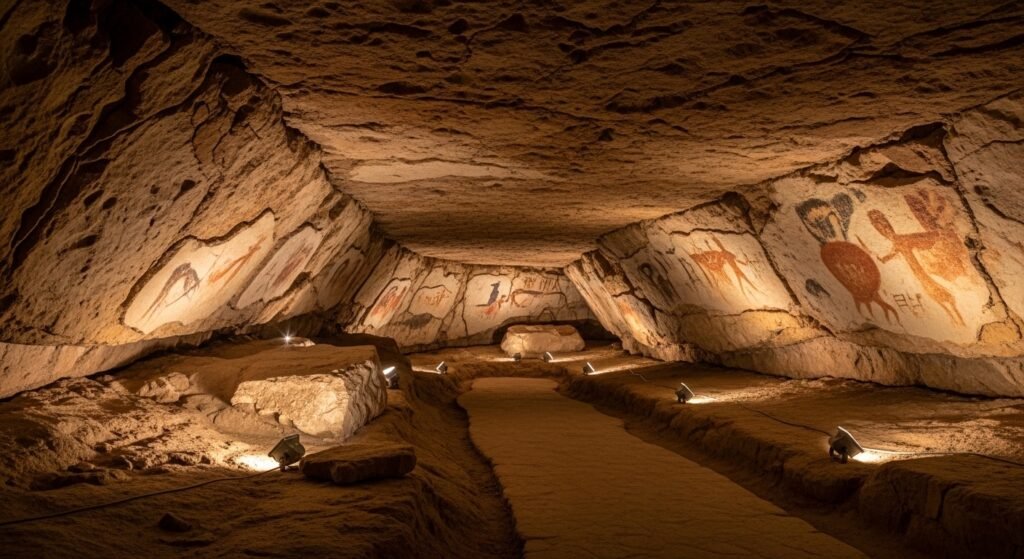
While not an island, this site’s “island-like” isolation is strictly preserved. The government established an access ban to protect the prehistoric cave paintings because tourist carbon dioxide and humidity damaged the original artworks which were later replaced by a replica for public access.