 Isabella Miller
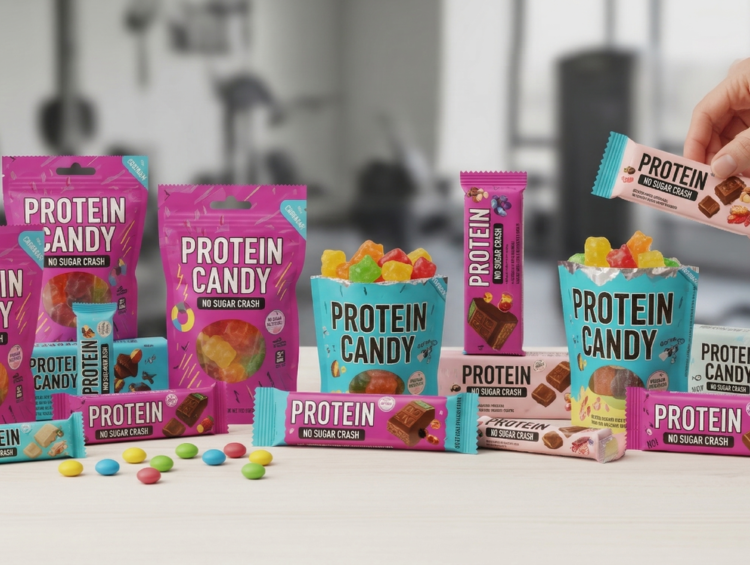
 The “Protein Candy” market is experiencing rapid growth because customers seek sweet alternatives that do not cause the “sugar crash” effect. Brands succeed in attracting fitness fans and busy workers who need effective snacks because they transform conventional junk food into nutritional supplements.
The Death of the Chalky Bar
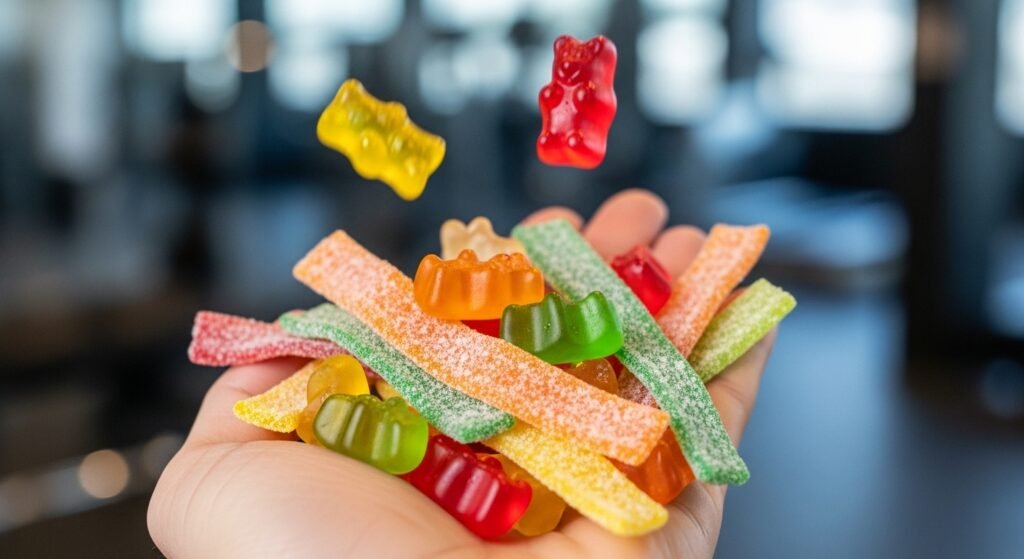
Protein snacks used to come as dry chalky bars which presented an eating challenge during their long history. The new protein gummies and protein “candy” strips use collagen and whey isolates to create a Haribo bear-like bouncy chewy experience which people find enjoyable to eat.
The 25g Gold Standard
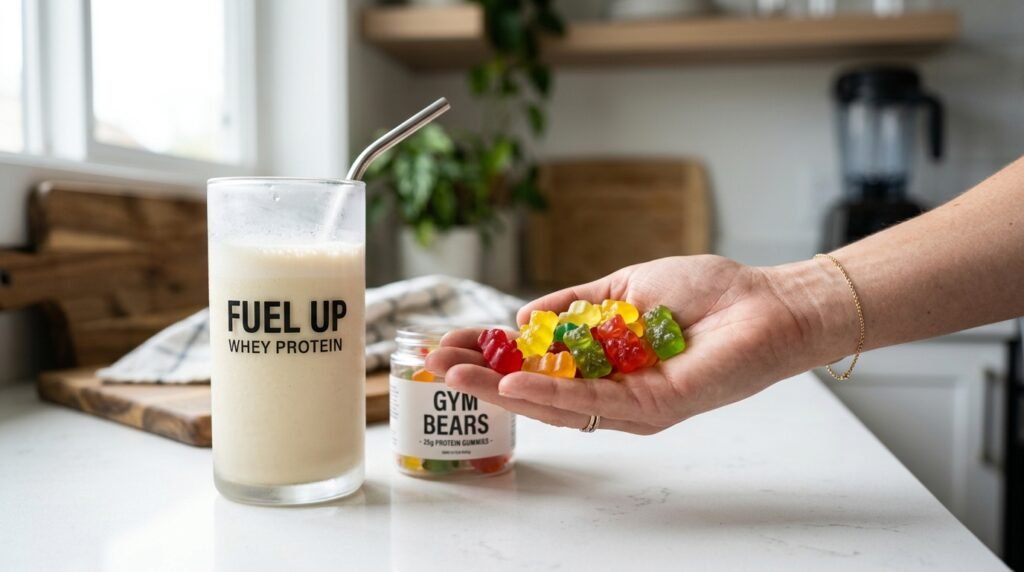
The “magic number” for candy achievement occurs at 25g of protein because this amount equals the protein content found in a regular whey protein shake. Joyride and Quest showcase how people can achieve their muscle-building objectives while eating foods that resemble dessert.
Fiber as the Secret Weapon
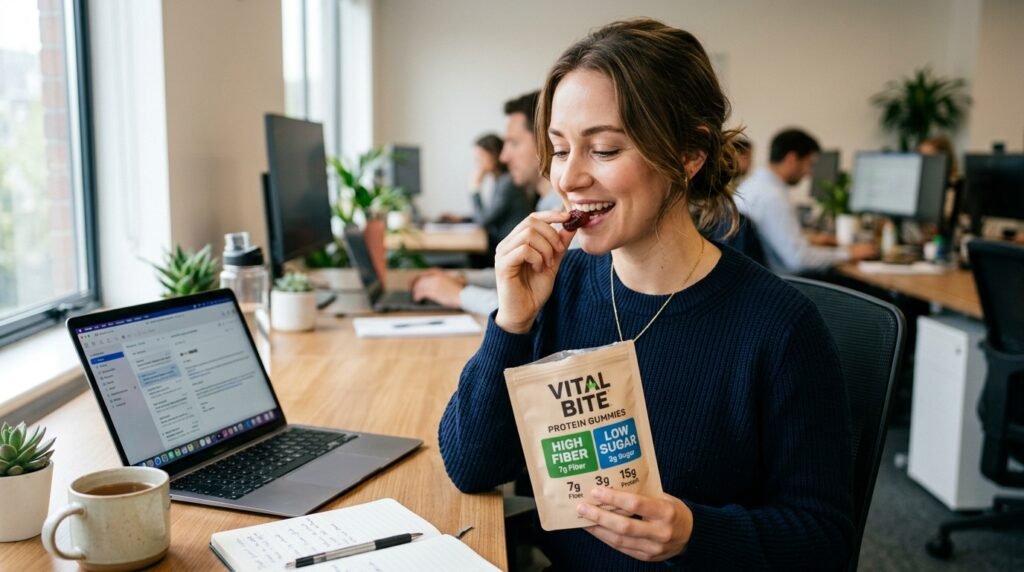
The candies achieve their low calorie content through packing which contains soluble fiber. The snack becomes more satisfying because the replacement sugar content leads to extreme fullness which helps people control their hunger during extended work periods.
The “Z-Generation” Gym Culture
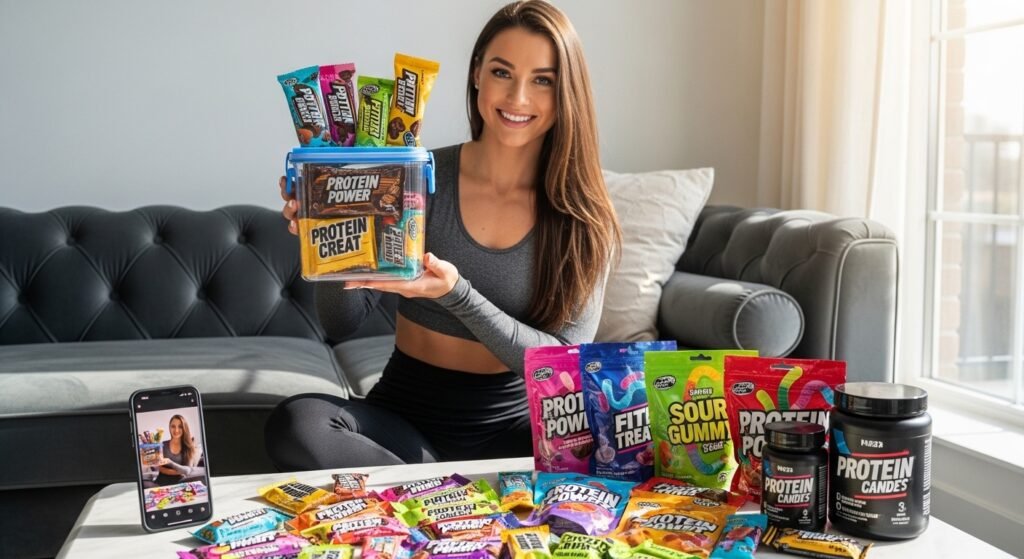
The status symbol of “protein candy” became popular on TikTok. Influencers display their “candy hauls” to demonstrate how they follow their fitness programs while tasting popular food items.
Zero-Sugar Sweetener Innovation
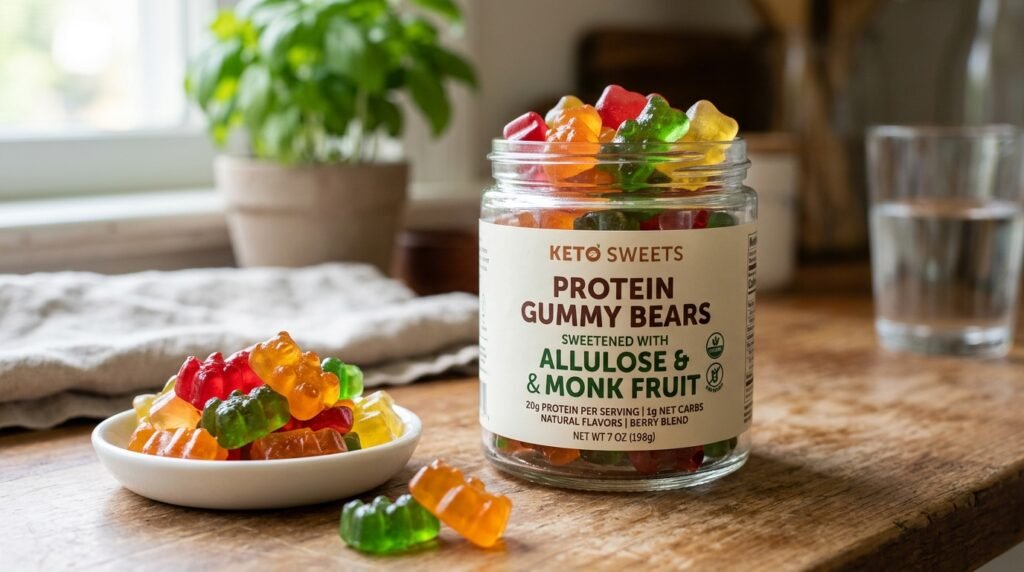
The boom is driven by Allulose and Monk Fruit which are rare sugars that come from plant sources and these ingredients provide the sweetness of real sugar but aren’t fully absorbed by the body, allowing the candy to remain “keto-friendly.”
Collagen for Hair and Nails

Bovine collagen serves as the protein base for many protein gummies. The brand uses this ingredient to market its candy as a “beauty snack” which appeals to customers who want better skin and hair along with muscle recovery benefits.
The “On-the-Go” Convenience

Protein candy exists in a “dry” pocket-friendly format which allows for consumption without needing a bottle and water. The product serves as an ideal high-protein meals option which suits customers who travel and students who are too busy to take a meal.
Kid-Friendly Nutrition Hacks

Parents use protein gummies to give their kids more nutrients through their hidden protein content. The team can create a growth-supporting treat by using protein-enriched versions of fruit snacks which replace high-sugar fruit snacks.
The Rise of “Functional” Flavors
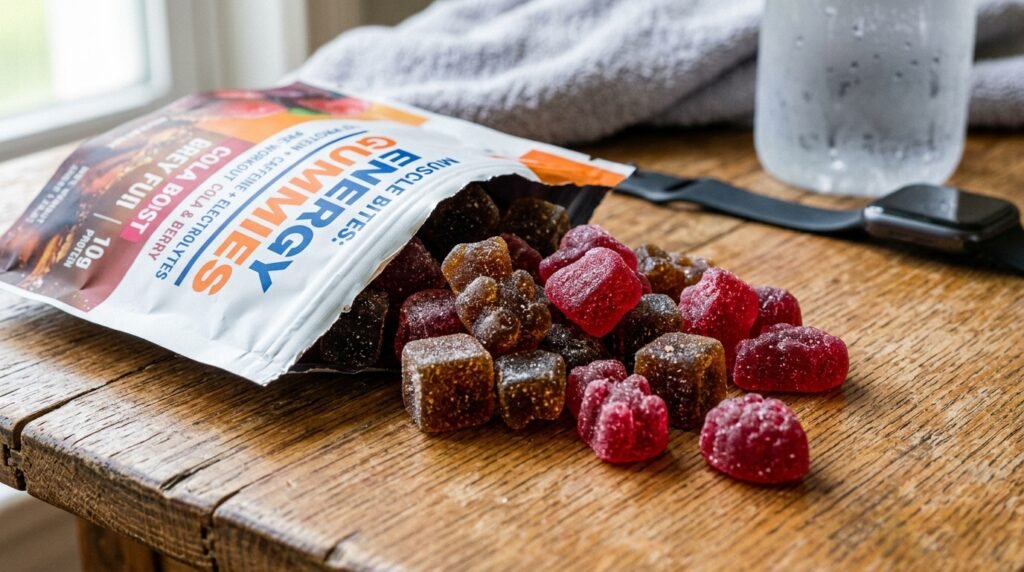
These candies now contain caffeine and electrolytes, which extend their flavor possibilities beyond “strawberry” or “cola” to create new taste experiences. The snack transforms into a pre-workout tool which provides consumers with energy and protein through one handful.
Bypassing “Supplement” Stigma
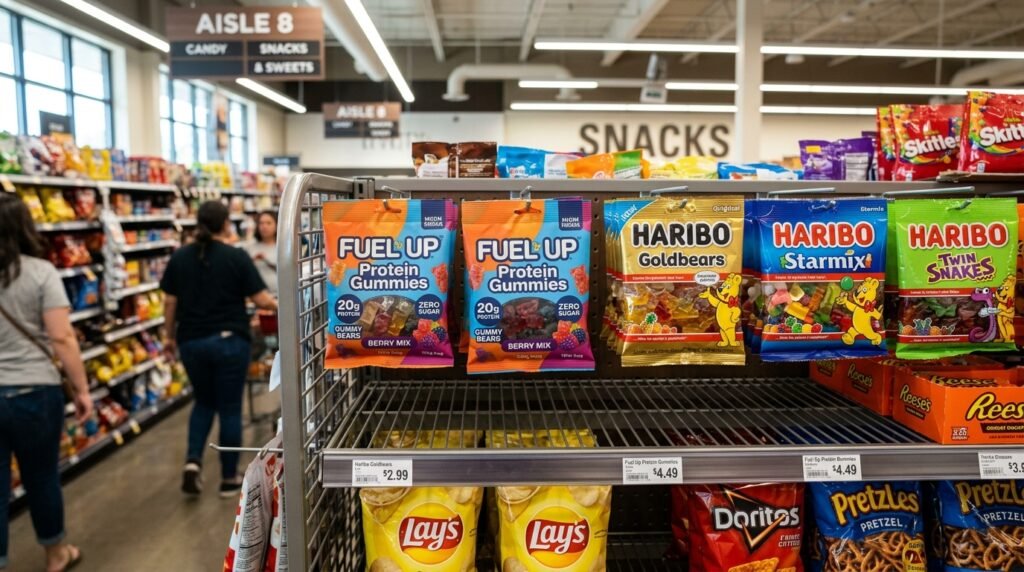
Many people see protein powder tubs as products which require expert knowledge to handle. Grocery stores stock protein candy as a standard item which makes it easy for people to follow high-protein diets without needing to adopt an extreme bodybuilding approach.
The Global “Snackification” Trend

Protein candy serves as a solution for people who eat small meals throughout the day because they now avoid traditional meals. The product delivers mini-meal satiety through its snack format, which becomes essential equipment for contemporary fast-paced living.