 Isabella Miller
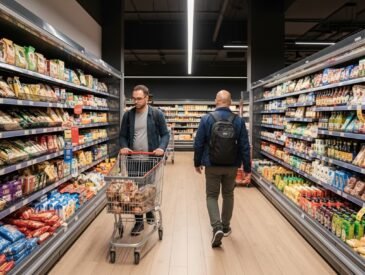
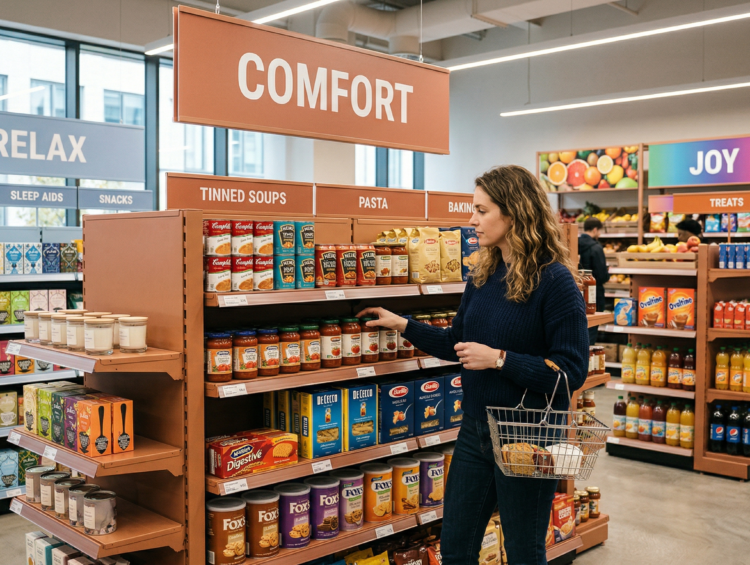
 Supermarkets are moving away from “Italian” or “Mexican” aisles toward “Emotional” categories to match how modern shoppers actually think. People buy food according to their desired emotional state which includes “Energized” and “Comforted” and “Calm” instead of tracking items according to their country of origin. The psychological change allows stores to market particular experiences instead of selling raw materials.
The “Mood Food” Revolution
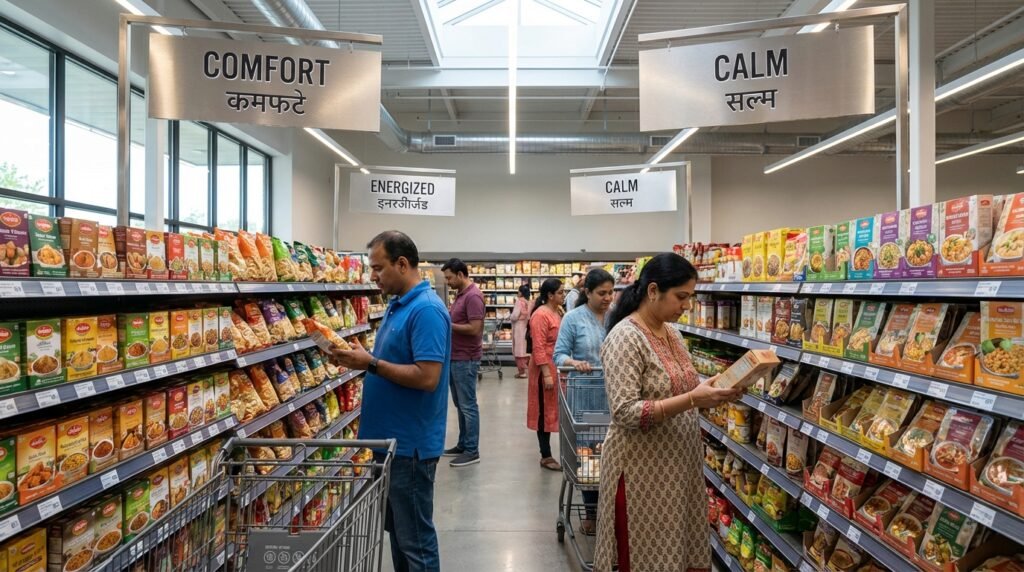
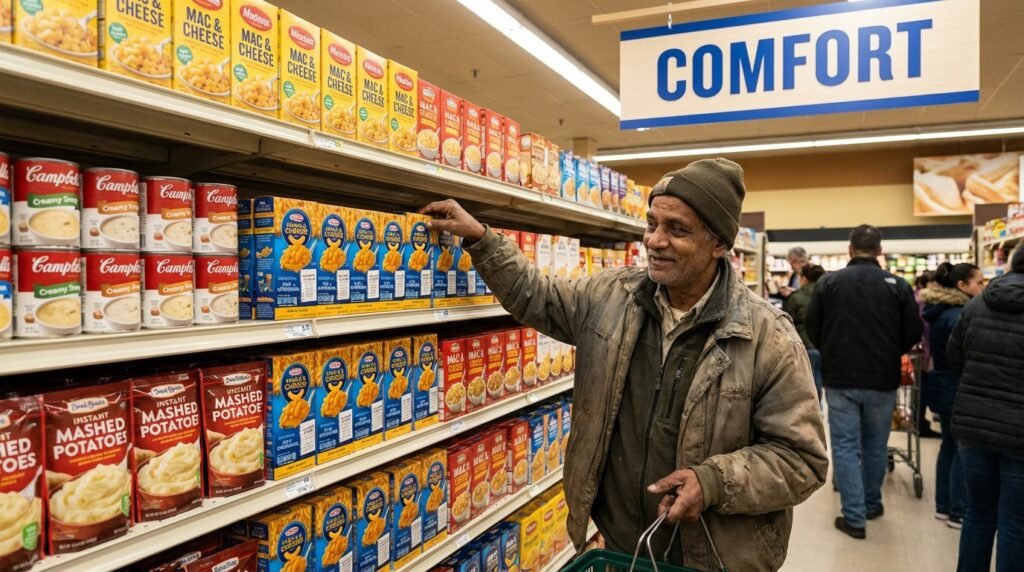
Retailers are replacing signs like “Pasta” with labels like “Comfort.” The stores use mac-and-cheese with heavy soups and mashed potatoes to attract customers who want to experience a “hug in a bowl” after their tiring day.
The “Focus” Aisle
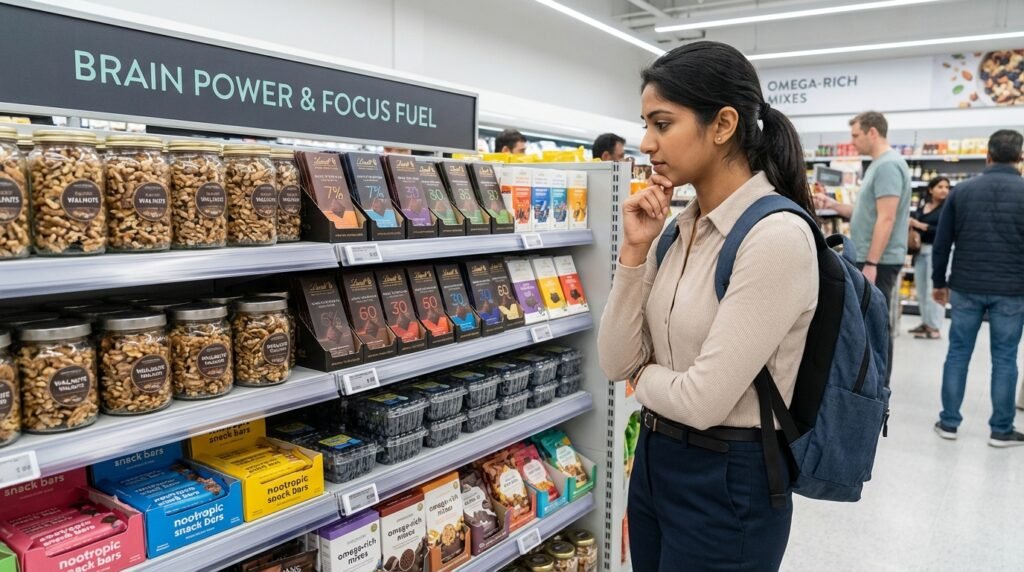
Some stores now have “Brain Power” sections to attract remote workers. The student and professional labels show which items contain walnuts and dark chocolate and blueberries that help people concentrate better.
“Dopamine” Displays
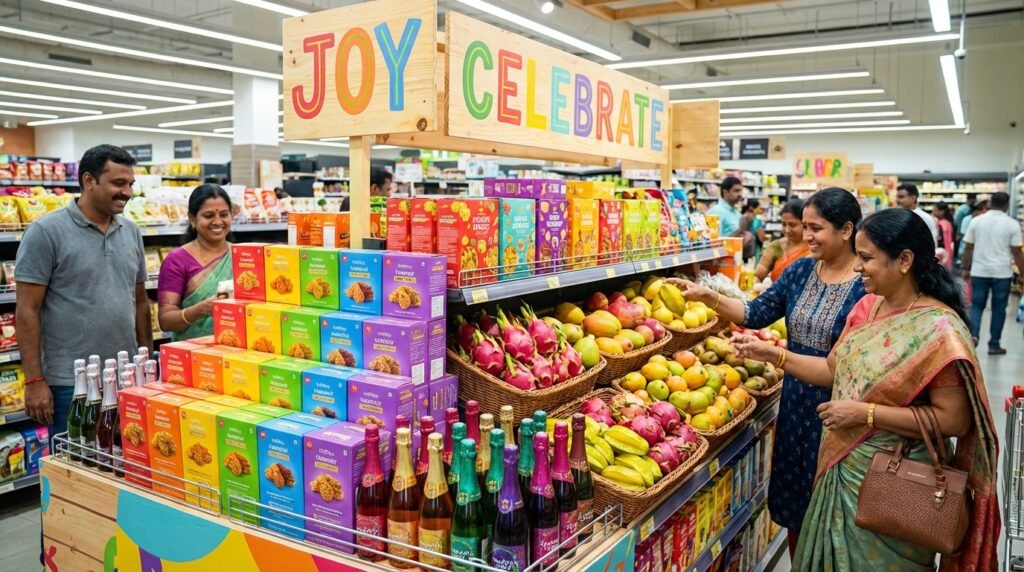
Brightly colored snacks and exotic fruits and sparkling drinks are organized into two categories called “Joy” and “Celebrate.” The layout creates a happy reaction which leads customers to buy things on impulse because they want to experience an instant thrill.
The “Wind-Down” Corner
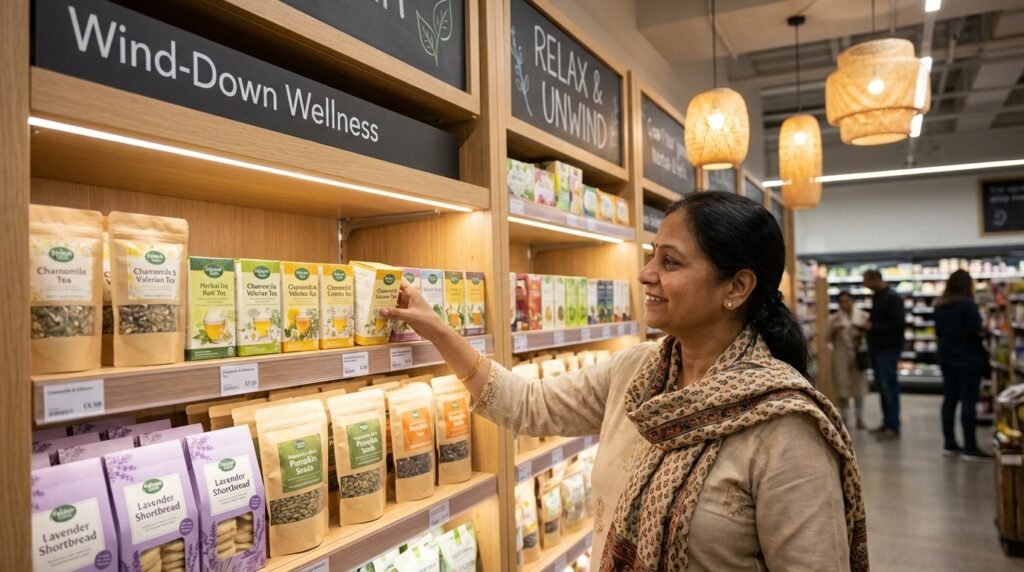
You will find “Sleep” or “Relax” sections in place of the “Tea” aisle and this combination of herbal teas and lavender-infused snacks and magnesium-rich pumpkin seeds helps customers move from their stressful workday to a peaceful night.
“Stress-Busting” Snacks
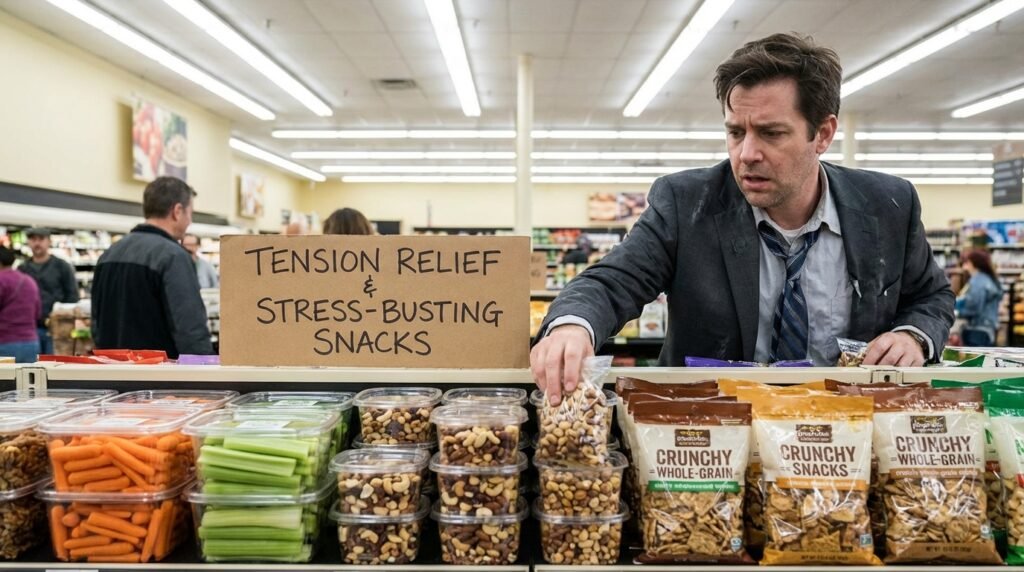
Crunchy foods like carrots and celery and nuts have been standardized as “Tension Relief.” Loud chewing serves as a stress reliever and shops now promote these products to people who experience high levels of stress.
The “Reward” Section
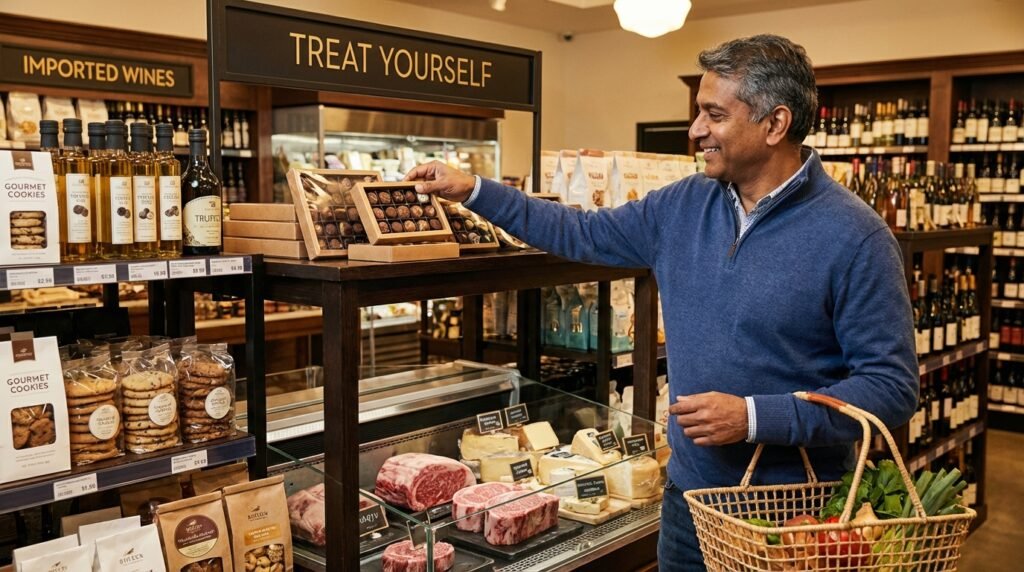
High-end steaks and expensive chocolates have evolved beyond their original status as “Gourmet” food. The products have two labels which include “Treat Yourself” and “You Earned It” that help customers to emotionally justify their expensive single meal.
“Nostalgia” Navigation
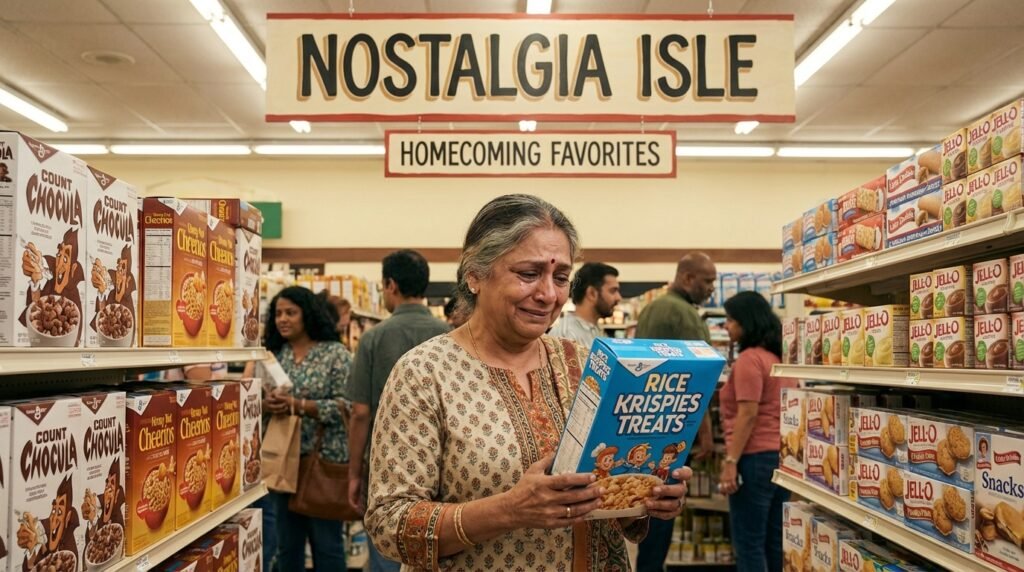
Brands are grouping childhood favorites—like specific cereals or puddings—under “Homecoming” labels. This product targets the emotional desire for earlier times because it usually increases sales during times of social and economic instability.
The “Confidence” Kit
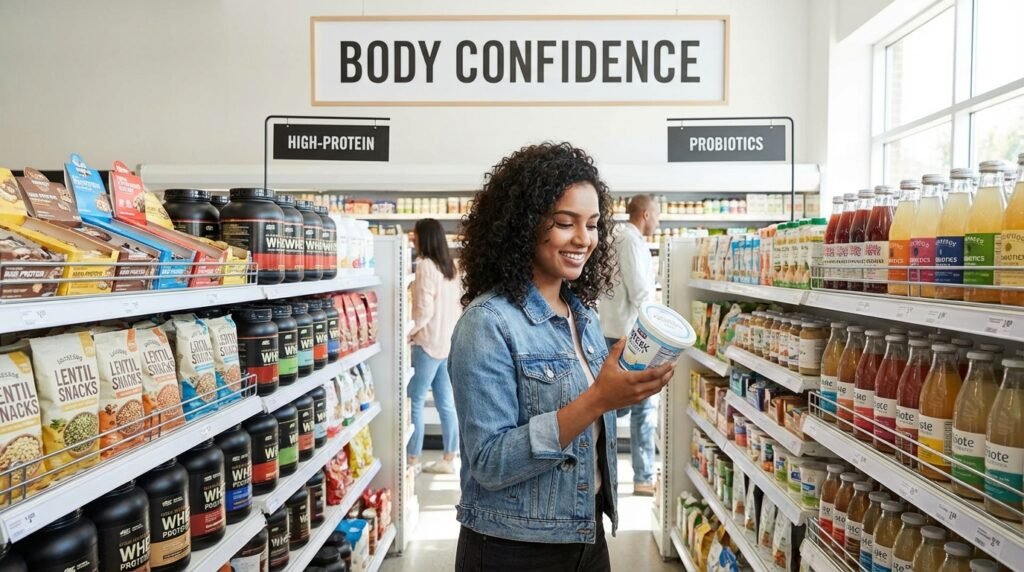
Health-focused grocery stores classify high-protein and probiotic foods as “Body Confidence.” This explains how people connect food consumption to their emotional desire for strength and capability.
“Adventure” Without the Flight
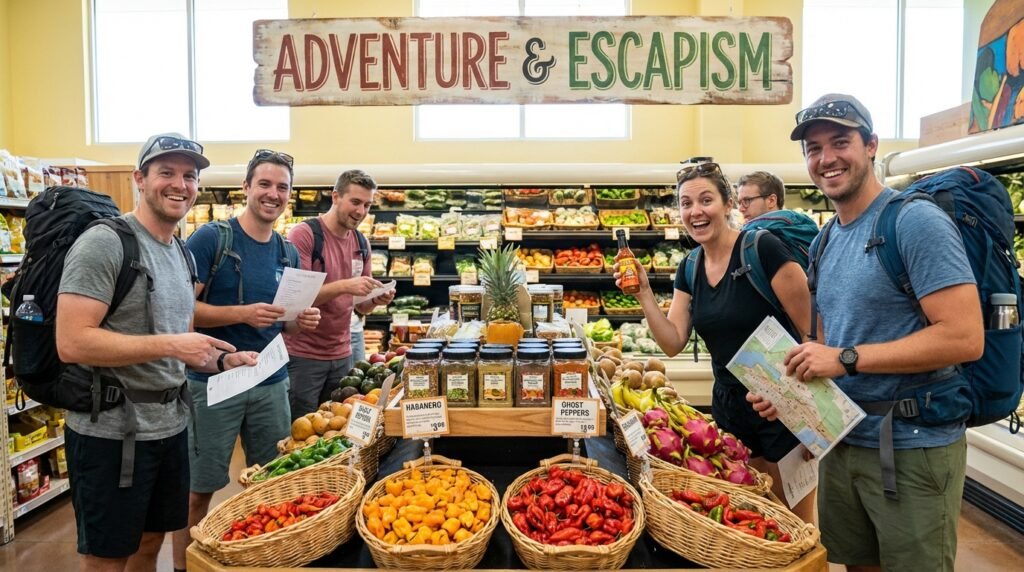
Shops use “Escapism” labels instead of “International Foods” as their product classification system. The store sells customers a vacation experience through their sale of spicy peppers and dragon fruit.
“Social Connection” Packs
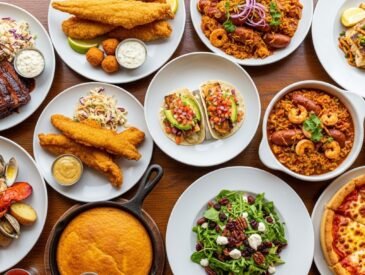
Large “shareable” platters are being labeled as “Togetherness” or “Community.” The system directs attention from food quantity to the emotional significance of sharing time with loved ones.
The “Safety” Label
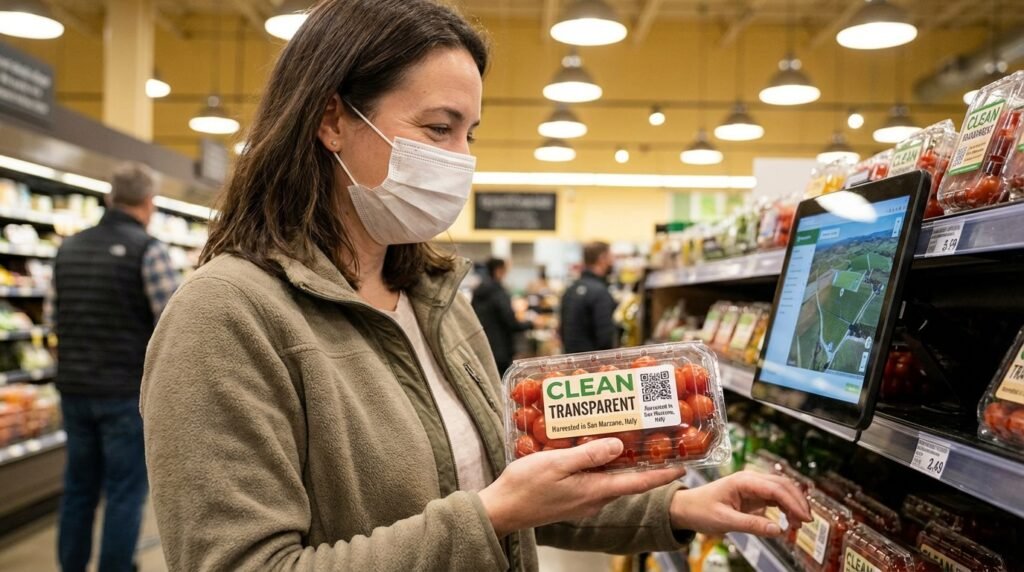
Shoppers with anxiety will feel secure because “Clean” and “Transparent” labels deliver emotional safety. People find control in life as they know the precise location of tomato harvesting.
“Glow” Ingredients
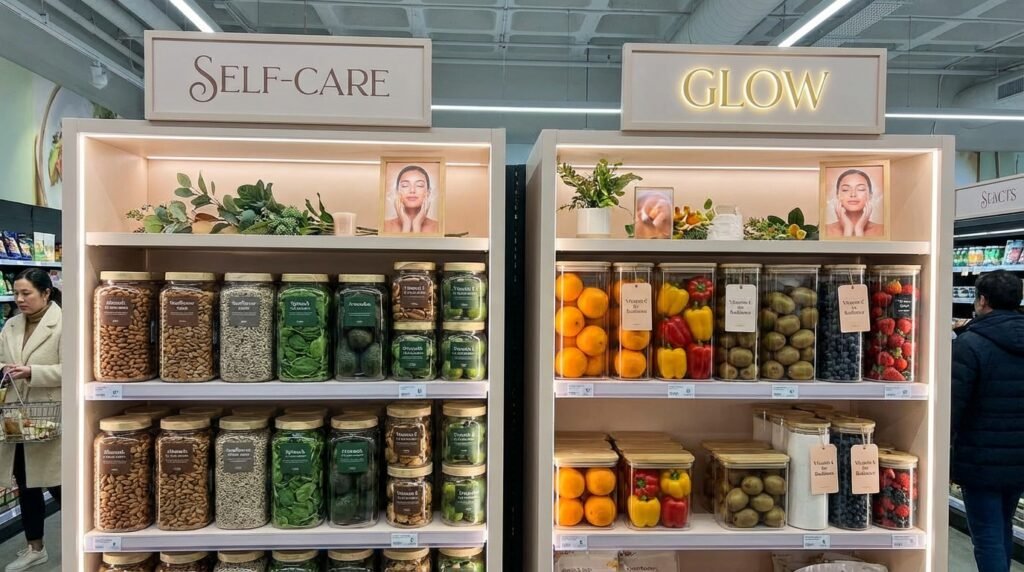
Vitamin C-rich and E-rich foods have been moved to the “Self-Care” and “Glow” sections. The food product presents itself as a beauty item which attracts customers who want to achieve a beautiful and glowing appearance.