 Isabella Miller
 The human experience of feeling like an outsider in a crowd occurs when people experience social displacement. The actual reason for your feeling of discomfort results from your inner self not matching with what exists in your current environment. The understanding of these triggers enables you to discover that feelings of not belonging actually represent personal development instead of showing a personal defect.
Core Value Mismatch

You will experience discomfort at your corporate job because your main goal for work requires you to have creative freedom. Your brain produces a warning signal when your personal beliefs conflict with the group’s unwritten rules because you lose your safe space in that environment.
Shared History Deficiency
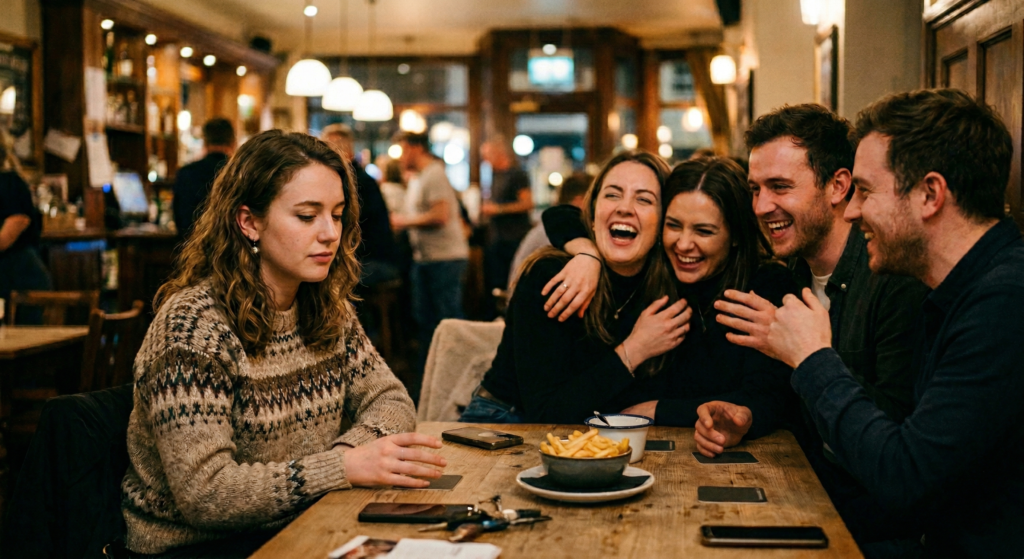
Joining a group of friends who have known each other since childhood can lead to feelings of social isolation and when everyone is laughing at “inside jokes” you don’t understand, you feel like a spectator rather than a participant in the conversation.
Socializing with Different People
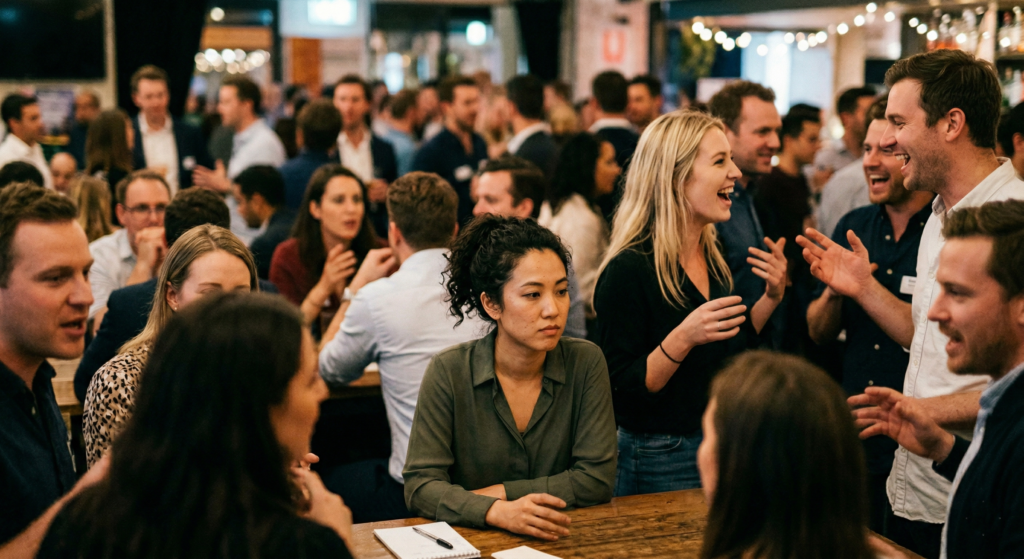
Deep thinkers who work with people who prefer to chat loudly and quickly at small gatherings will tend to feel invisible. People who identify as introverted will experience exhaustion at networking events because the noisy atmosphere creates more challenging social situations for them.
Cultural or Language Differences
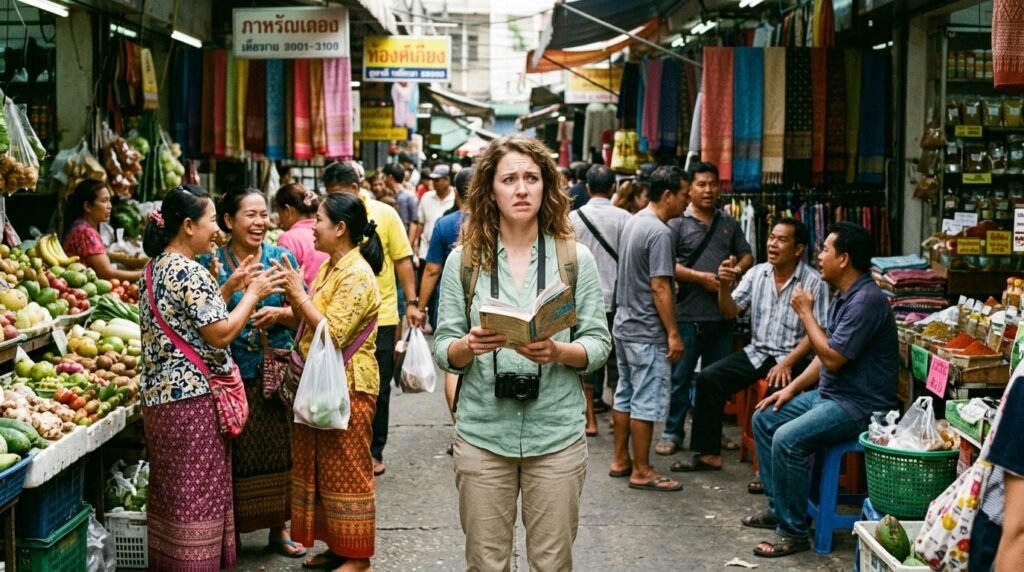
The experience of being in a foreign country or a subculture with different slang creates confusion for people and speaking the language does not help you to fit in with others because you will continuously fail to understand their unspoken social rules and body language.
Stages of Life Transformation
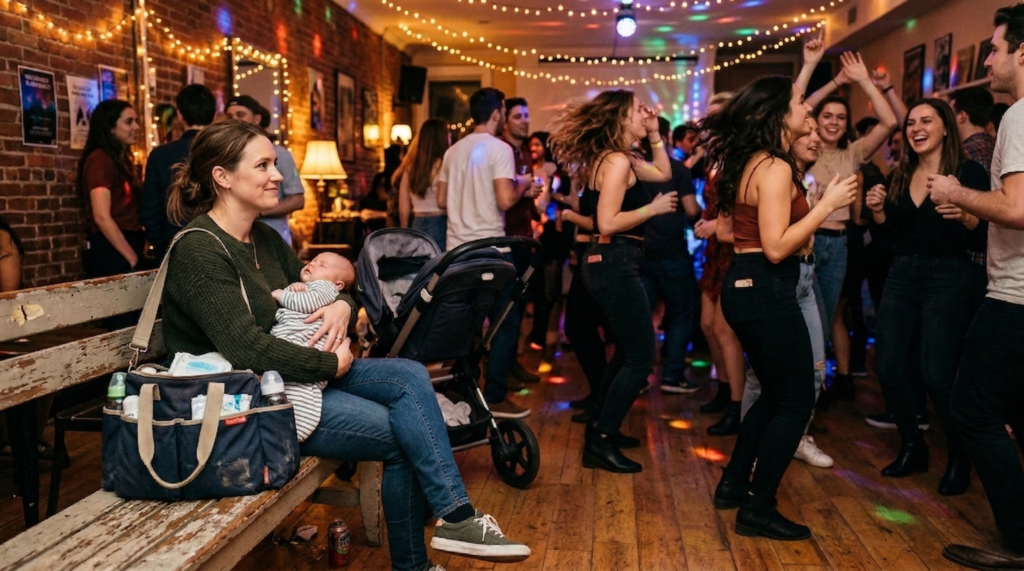
A person who recently became a parent might feel out of place at a party full of single, late-night revelers and the places you used to feel comfortable will become unfamiliar to you because your priorities have changed.
Space Physical Discomfort
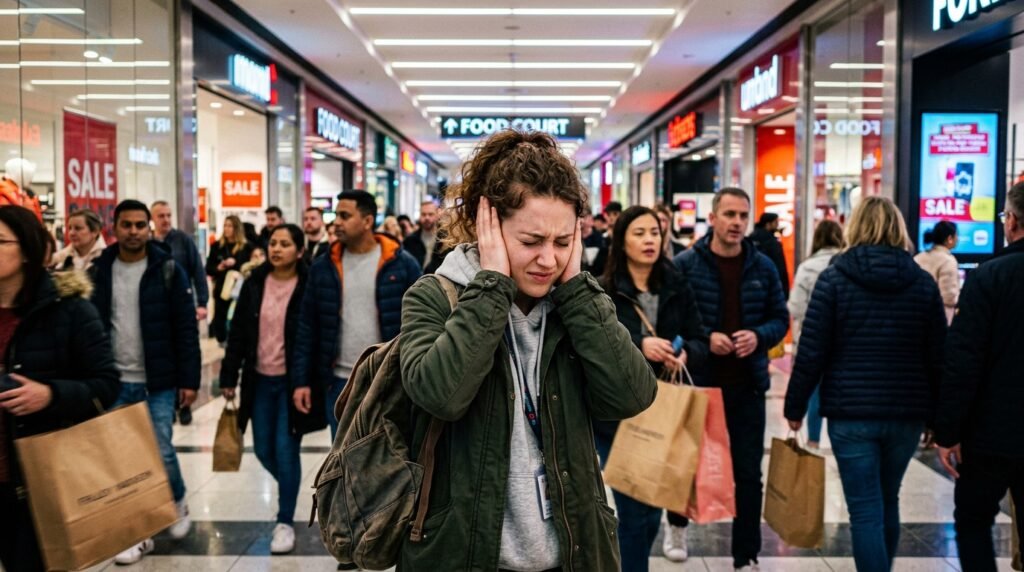
People can become distracted by the particular combination of lighting and sound and a neurodivergent person might feel they “don’t belong” in a crowded, neon-lit mall because their nervous system is overwhelmed, even if they like the stores.
Representation Deficiency

People will automatically develop protective attitudes when they encounter a space with no matching demographic representation of their personal identity. Others who reflect your image back to you establish a social mirror, which validates your current social situation.
Rejection Experiences
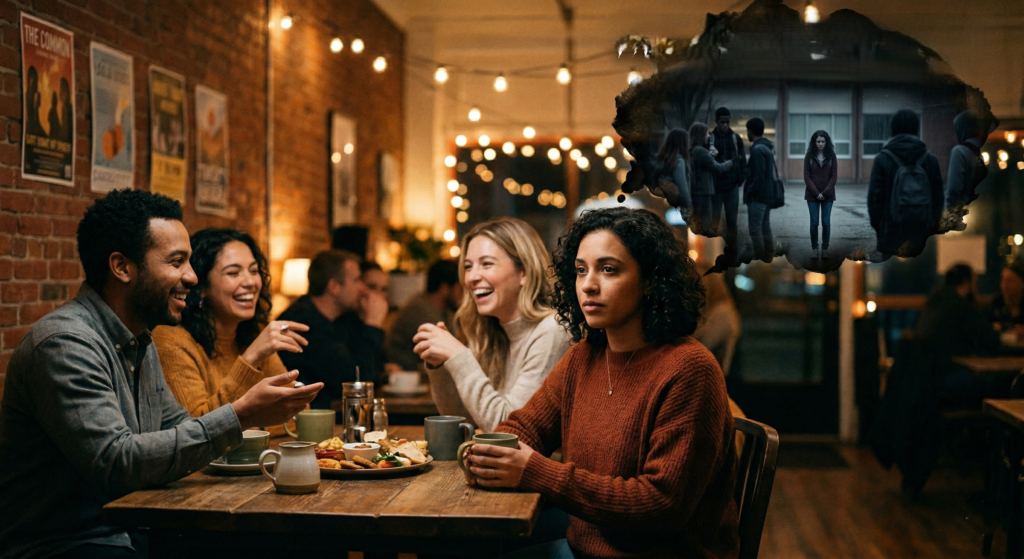
Your brain maintains an alert status because your past experience with social exclusion remains in your memory and you might feel you don’t belong in a new, friendly group simply because your “defense mode” is still active from a previous bad experience.
Financial Status Differences

The conversation about expensive vacations creates an immediate barrier when people who face challenges with their rent expenses attend. Wealth gaps create a situation where people choose their conversation topics and social activities, which results in a complete disconnection from the room atmosphere.
Signals of People Who Cannot Be Trusted

Your gut feeling detects a toxic atmosphere before your mind does. You should avoid any group that uses indirect insults and cliques to maintain their authority because your body automatically protects you from danger.