 Isabella Miller
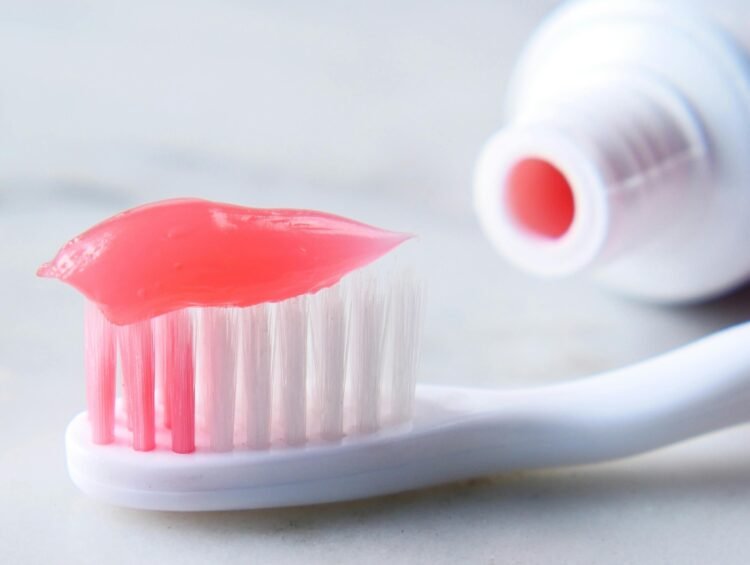
 The toothpaste industry which traditionally relies on minty flavors now faces disruption from unexpected partnerships between different companies. Major candy brands have started to license their well-known flavors to dental companies which transform the tedious activity of tooth brushing into a pleasurable experience. The new approach focuses on solving the problem of getting children to brush their teeth while using the adult “nostalgia” market that relates to older customers who prefer traditional flavors.
The “Candy-fication” of Health
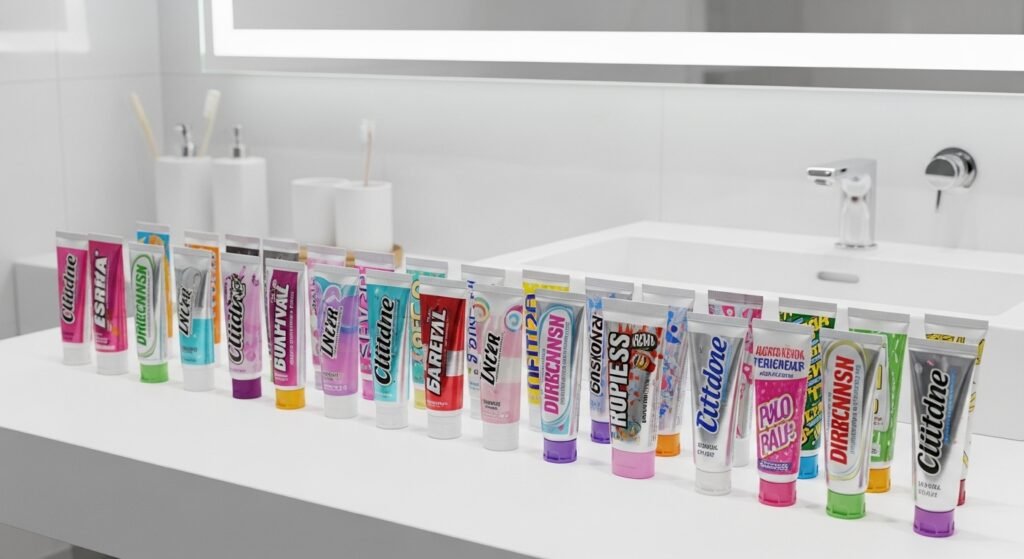
Dental brands have discovered that taste preferences create the biggest obstacle which prevents customers from maintaining regular tooth brushing habits. The partnership with Hi-Chew and Chupa Chups enables them to deliver a “flavor experience” which enhances morning routines into enjoyable time instead of treating breakfast as a health obligation.
Combating “Mint Fatigue”
Toothpaste has maintained its mint flavoring as the primary option throughout most of its history. The study results reveal that consumers who experience “mint fatigue” will switch to fruit or candy-flavored products which help them maintain their dental hygiene routine with different taste experiences.
Limited Edition “Drops”
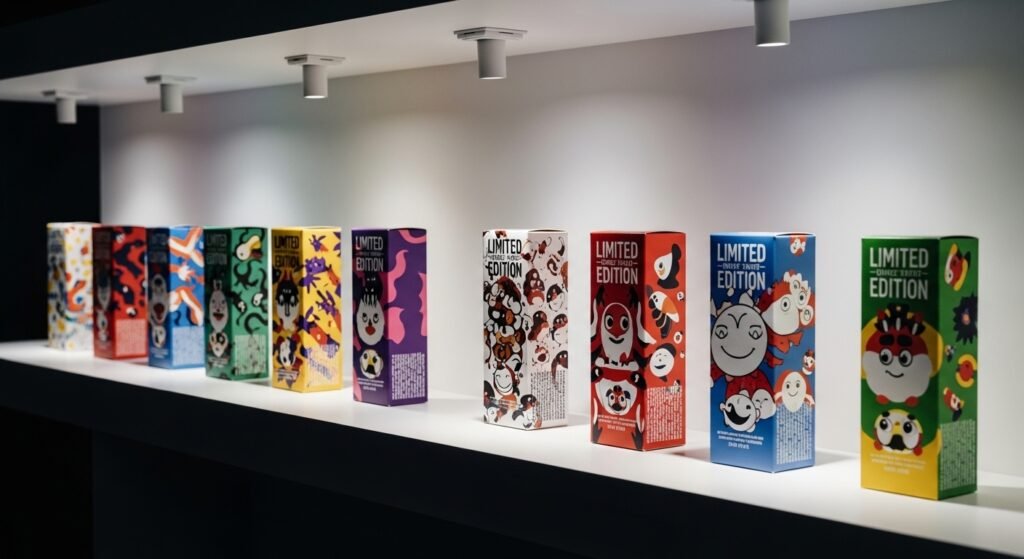
The licensing process enables businesses to create “hype” situations. The brands introduce temporary flavor collections such as Pumpkin Spice and Birthday Cake which function like sneaker releases to create customer urgency for purchasing multiple products.
Overcoming the “Sugar” Irony
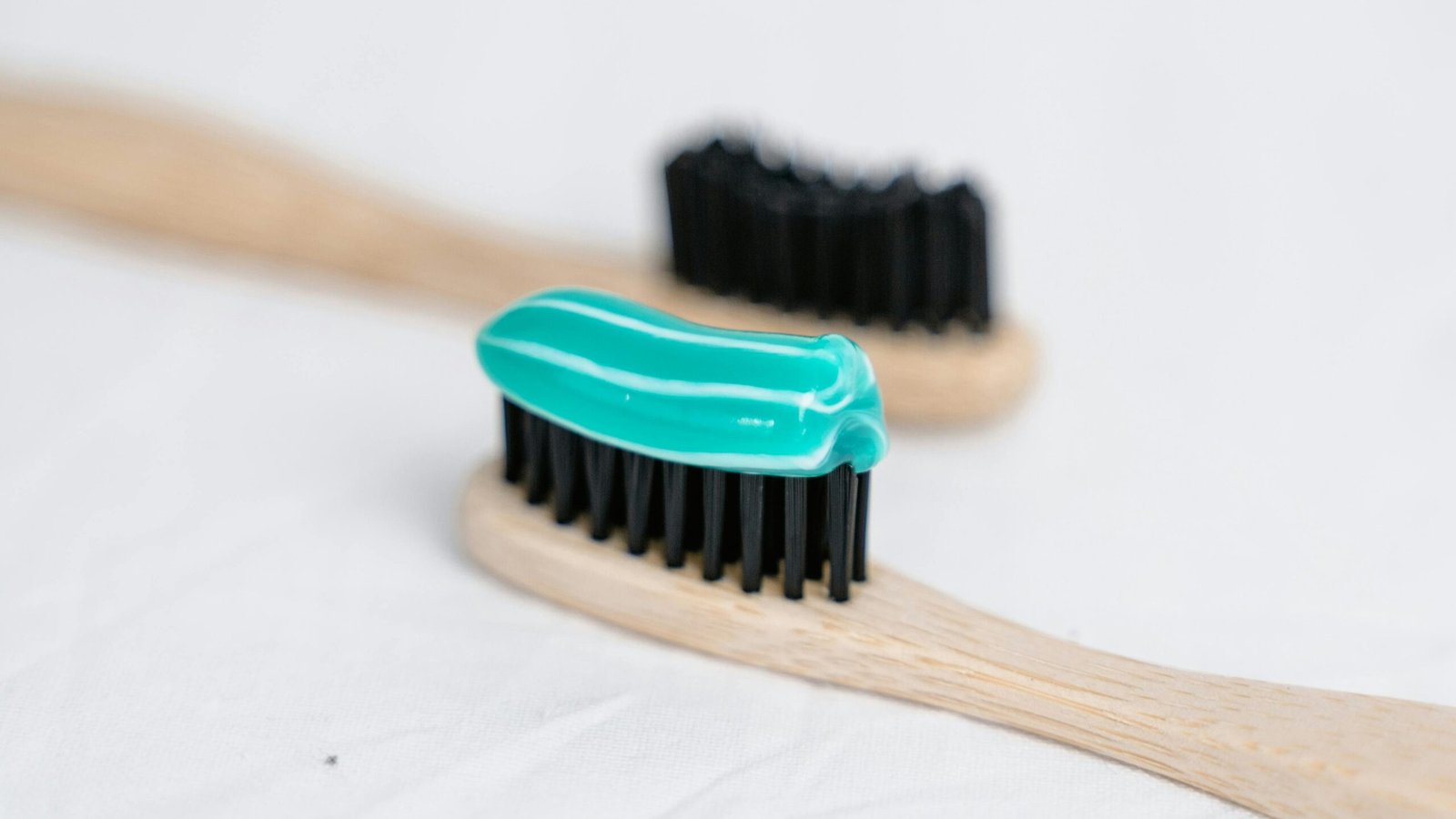
The formulas which contain “candy” face a contradiction since they contain no sugar at all. The product contains Xylitol artificial sweeteners which deliver a snack-like taste while helping to prevent dental cavities.
The Power of Scent Branding
The licensing agreement defines the exact fragrance characteristics which belong to the candy scent. The Dr Pepper or Bubble Yum toothpaste tube uses its scent to create a bathroom fragrance which serves as a “sensory anchor” for better brand recognition by customers.
Targeting Gen Z Aesthetics
Candy-flavored toothpastes often come in bright, “shelf-ready” packaging that looks good in TikTok “get ready with me” videos. The modern shopper who uses social media determines tube attractiveness to match their requirements because tube design matters as much as product taste.
Kid-Tested Consistency
Parental control over a child who refuses to complete the 2-minute tooth brushing requirement becomes an everyday battle. The presence of Crayola or Barbie licensed flavors creates a recognizable character and taste which helps children stop throwing “brushing tantrums” during the day.
The Rise of Boutique Oral Care
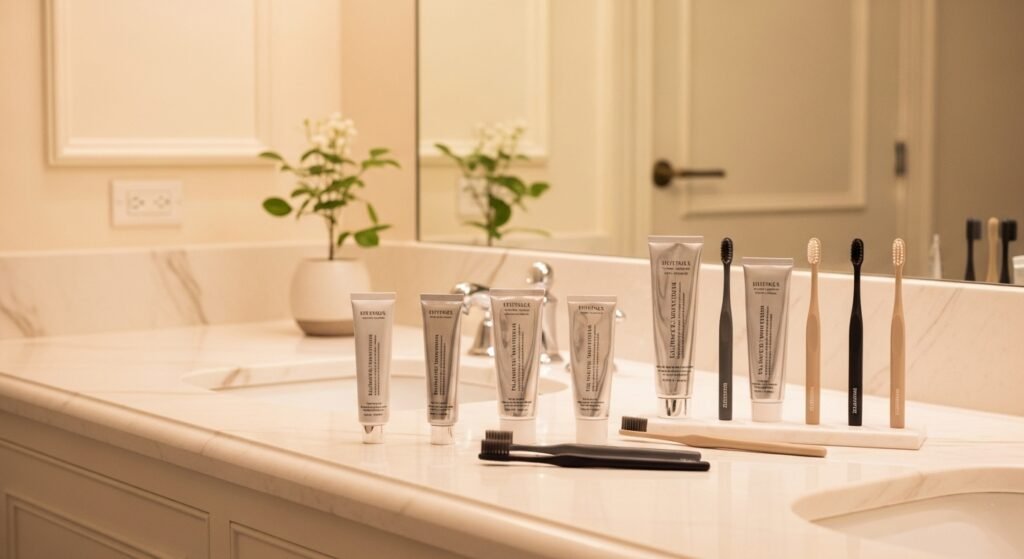
High-end “flavor-first” brands like Hismile have proven there is a massive market for flavors like Watermelon or Red Velvet. Major candy corporations have entered the market to secure their share of the premium toothpaste market.
Cross-Promotion Synergy
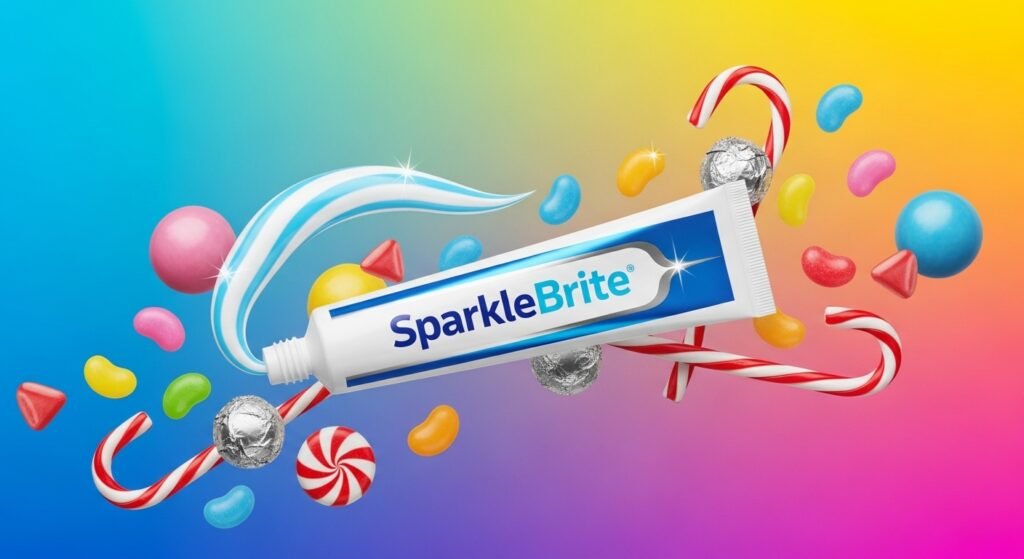
The partnerships between businesses result in companies which develop marketing strategies for “bundle” packages. The toothpaste purchase gives the customer a coupon for actual candy which creates a system where both products remain in the customer’s memory.
Global Flavor Variations
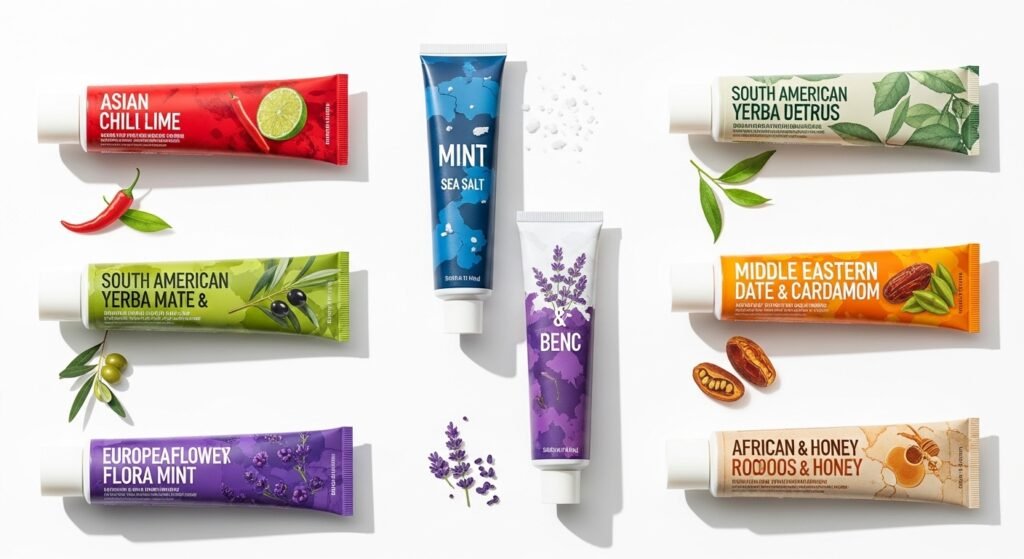
Licensing enables businesses to create products which connect with local consumer preferences. The US market uses Cinnabon as its primary flavor while other regions provide Green Tea and Lychee as branded products.