 Isabella Miller
 The year 2026 will bring its most significant transformation through the investigation of agricultural methods used to produce and package food items. Consumers have moved beyond “counting macros” to develop an intense focus on the environmental impact and ethical sourcing practices of their food options. The present-day “Regenerative Eating” movement establishes sustainability as the ultimate health measurement, which people must follow through their eating choices, which result in global ecological improvement.
Regenerative Soil Health
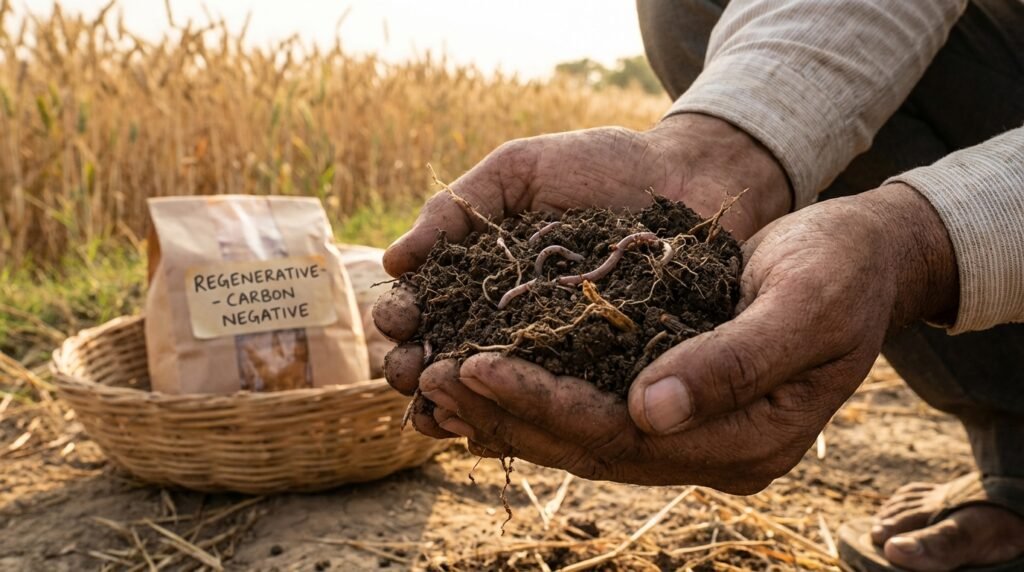
Shoppers select plants which grow in “regenerative” soils because those soils have the ability to extract carbon from air. Actual companies create product labels which show the carbon emissions from farms that produced their wheat and grain products, allowing bread to function as a climate change solution.
The Rise of “Water-Positive” Foods
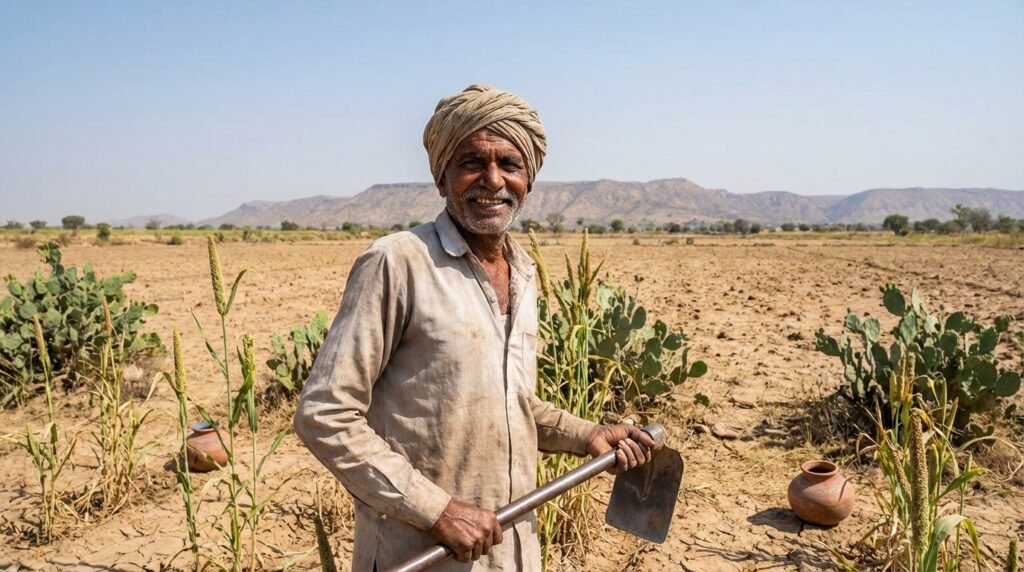
The global droughts have created a rising demand for crops which include millets and cacti because those crops need almost no water. Startups create snack bars through the use of teff and Keraza, which grow successfully in dry environments that need no water from nearby resources.
Biodiversity over Monoculture
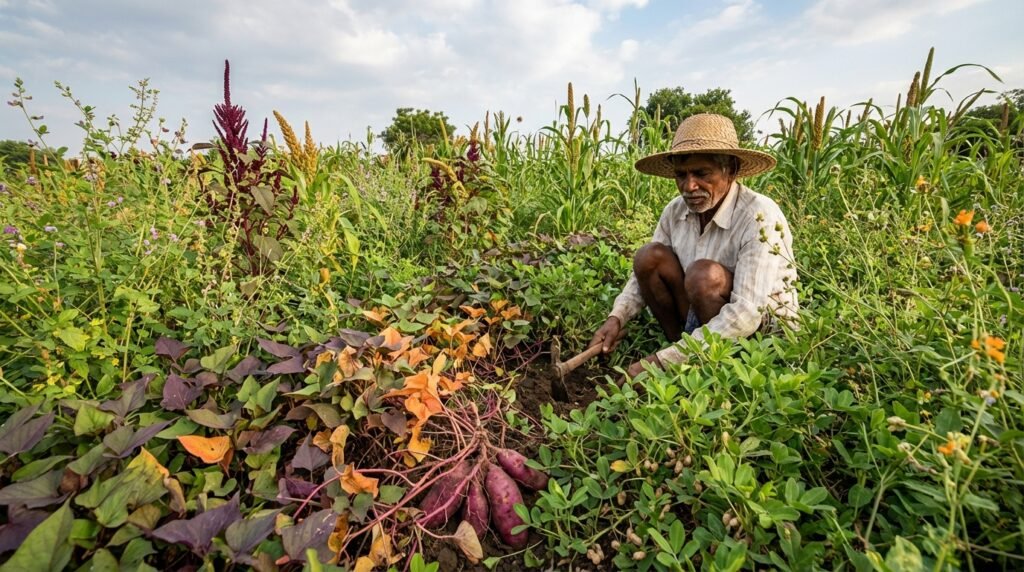
The year 2026 will showcase “forgotten” crops which include more than just corn and soy and restaurants use Ulluco and Bambara groundnuts to help restore global crop diversity, which is essential for avoiding food system collapses.
Zero-Waste Upcycling
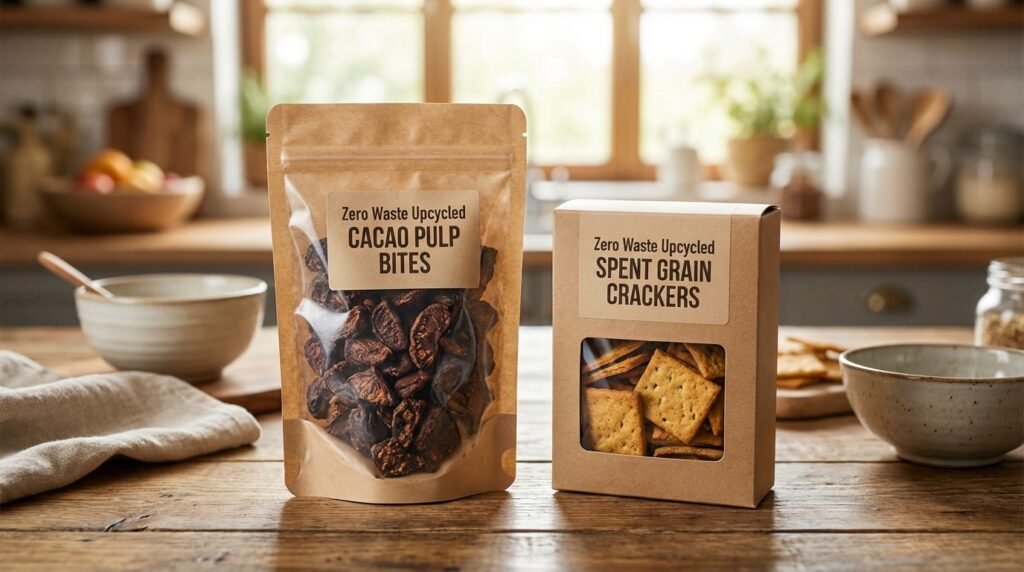
Food companies have discovered how to transform “waste” materials into valuable products. The process of turning cacao fruit pulp into snacks creates an example of a product made from a material which normally gets discarded, while spent grain from beer brewing becomes crackers.
Plastic-Free “Living” Packaging
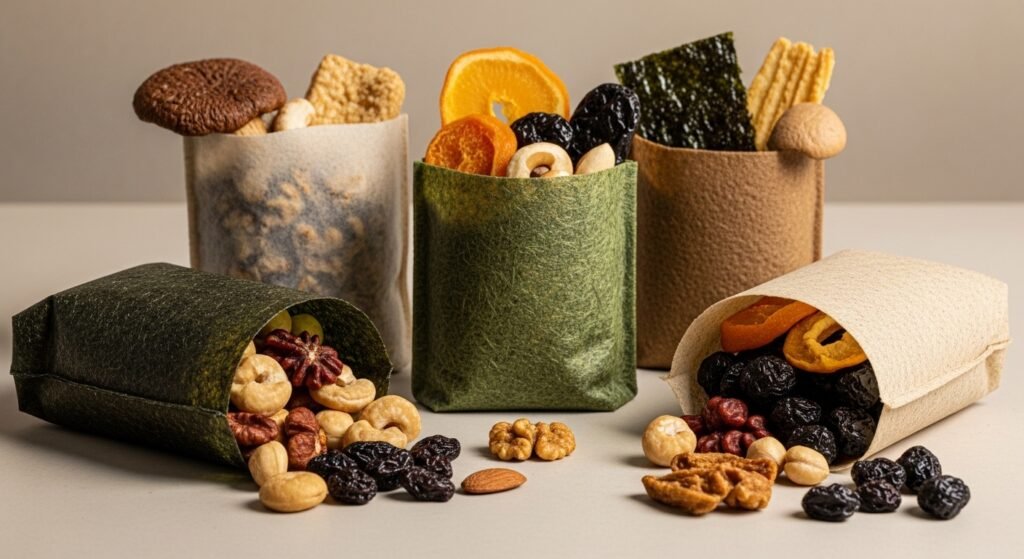
Packaging materials now exist as edible or compostable products which manufacturers create from seaweed or mushrooms. In 2026, you might eat the wrapper of your energy bar, which is designed to taste like a thin fruit leather.
Hyper-Local “Vertical” Sourcing
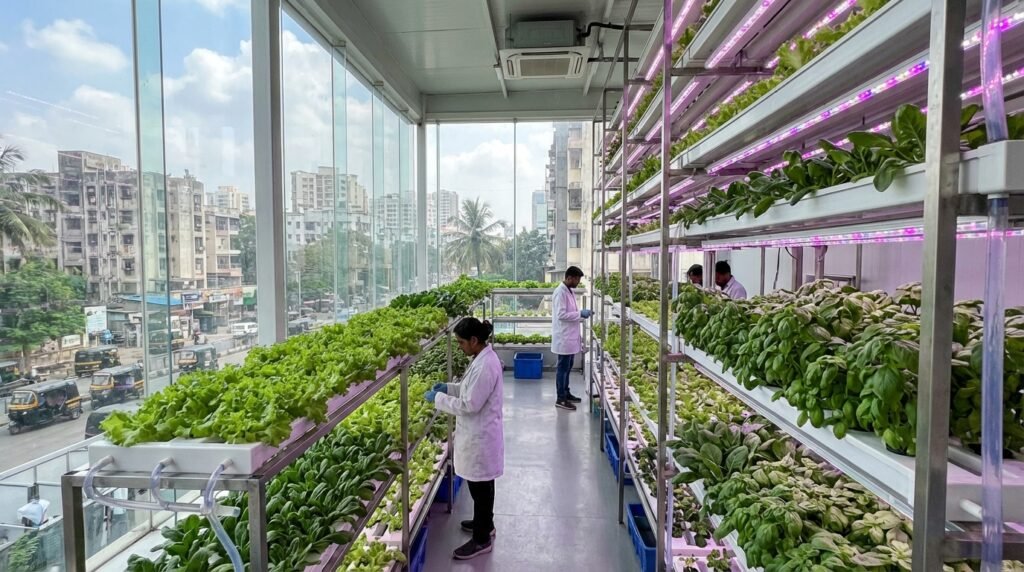
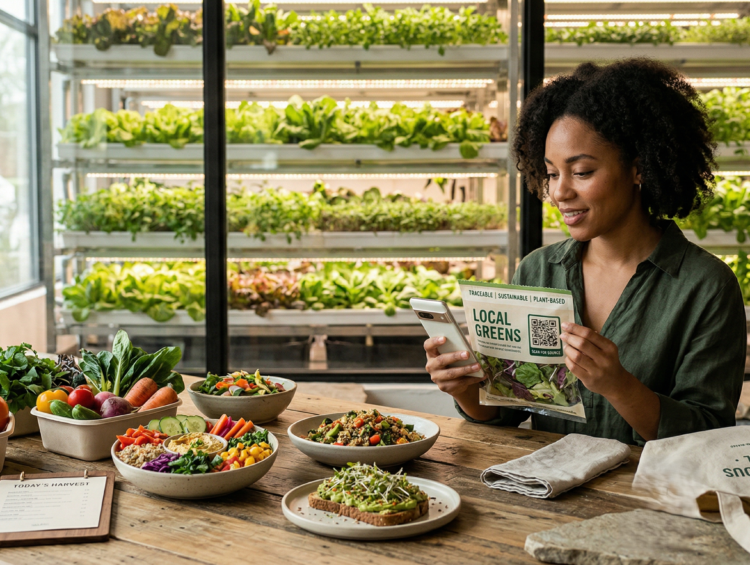
The new calorie measurement system uses “food miles” as its standard. Consumers in urban areas purchase greens which vertical farms in their own zip codes grow through automated systems, which harvest produce just before it reaches grocery shelves.
Methane-Reduced Dairy
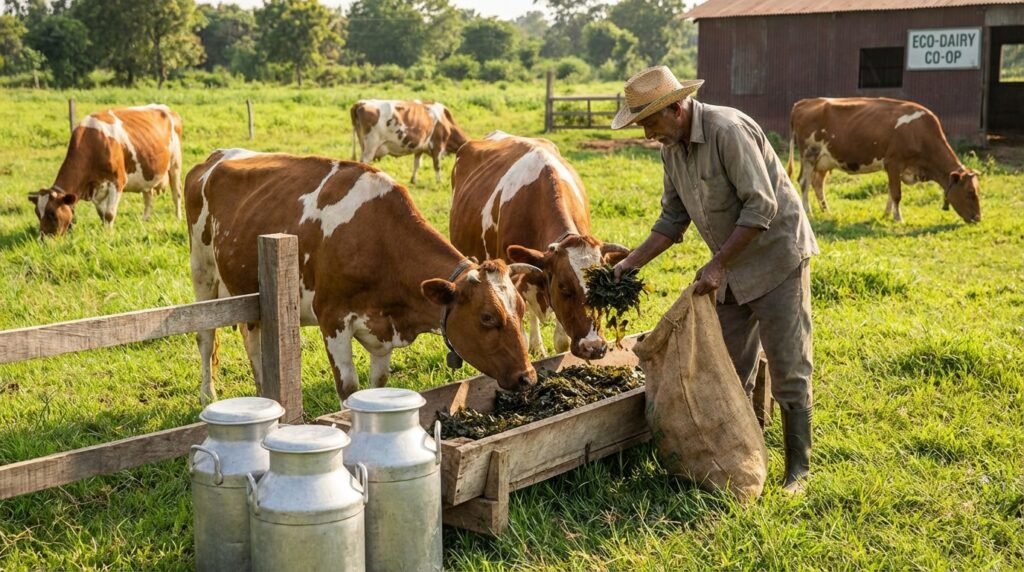
Dairy products undergo a transformation into their environmentally friendly “green” version. Cows receive specific seaweed varieties as feed, which results in 90% fewer methane emissions, thus turning conventional milk into an environmentally sustainable product.
Molecular Coffee
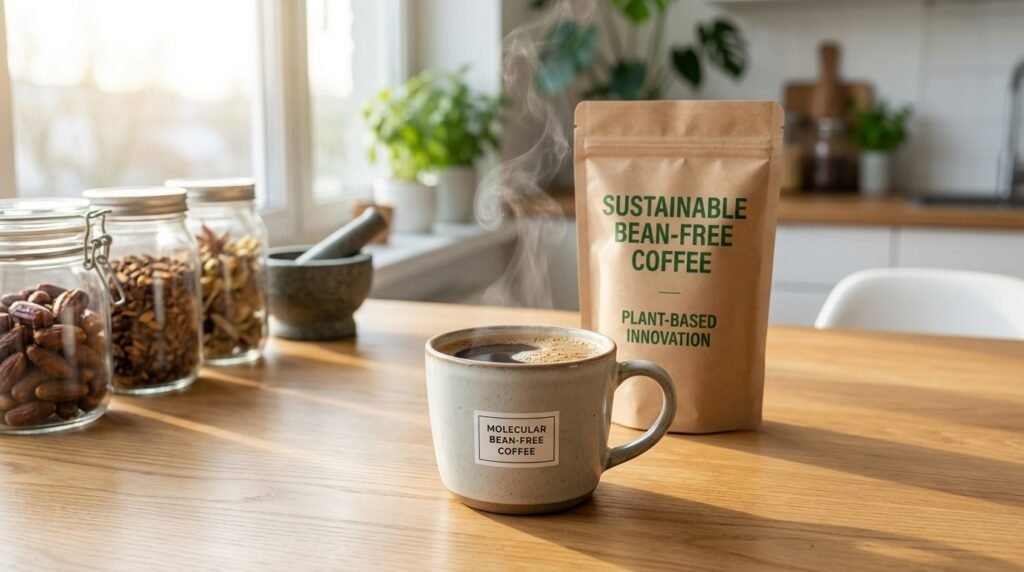
Startups create “beanless” coffee in labs to prevent the loss of rainforests. The product offers caffeine without needing coffee beans because it replicates coffee’s molecular structure.
Transparent Block-Chain Sourcing
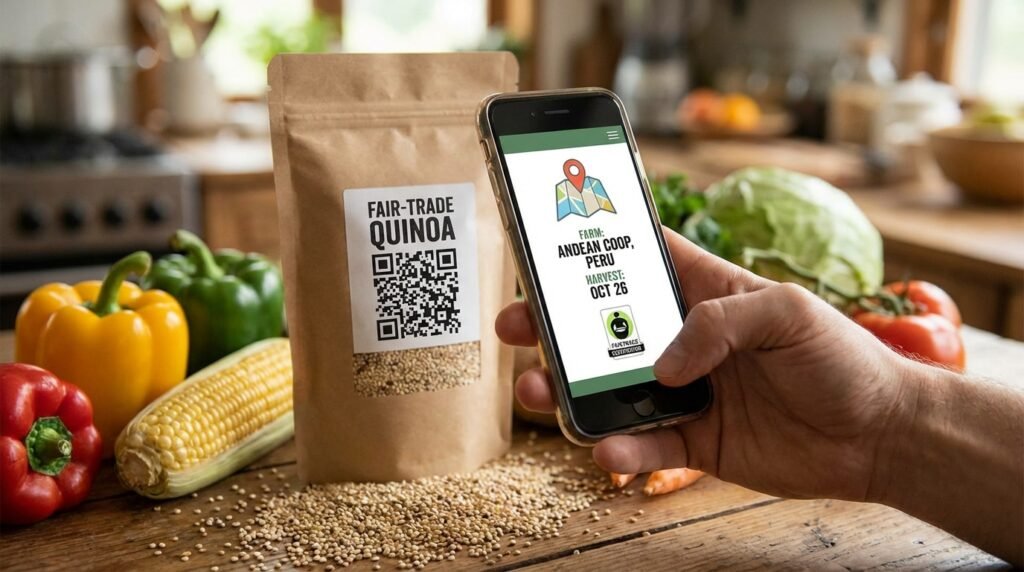
The QR code for 2026 allows users to see the exact farm location and harvest date, which shows the fair-trade wage given to each worker. Gen Z and Alpha consumers have established “Radical Transparency” according to their current requirements.
Carbon-Neutral Logistics
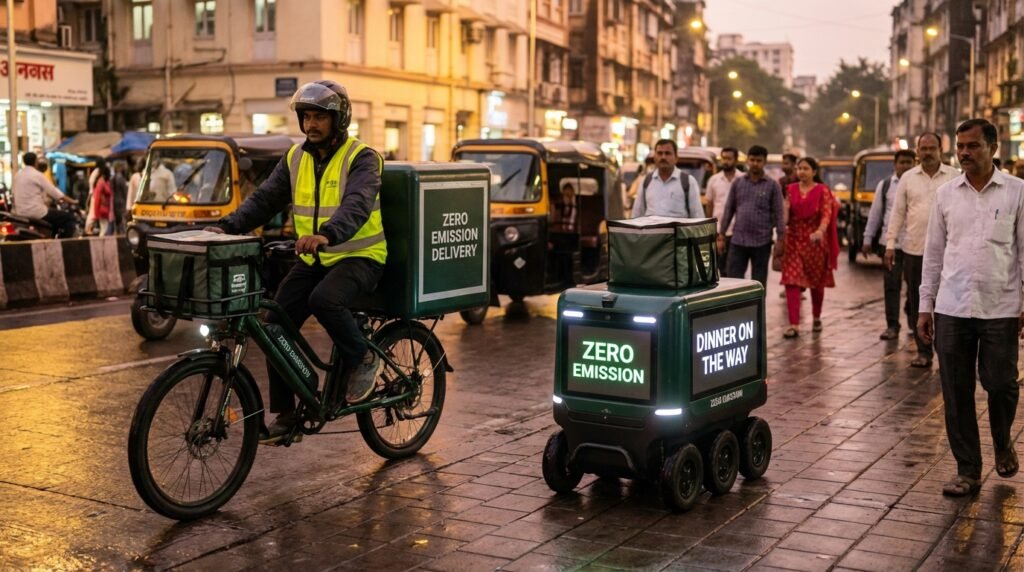
The delivery services show an environmentally friendly approach through their operations. Major food delivery applications prefer “Green Routes,” which use electric bikes and autonomous sidewalk robots for dinner deliveries because this method keeps all delivery emissions at zero.