 Isabella Miller
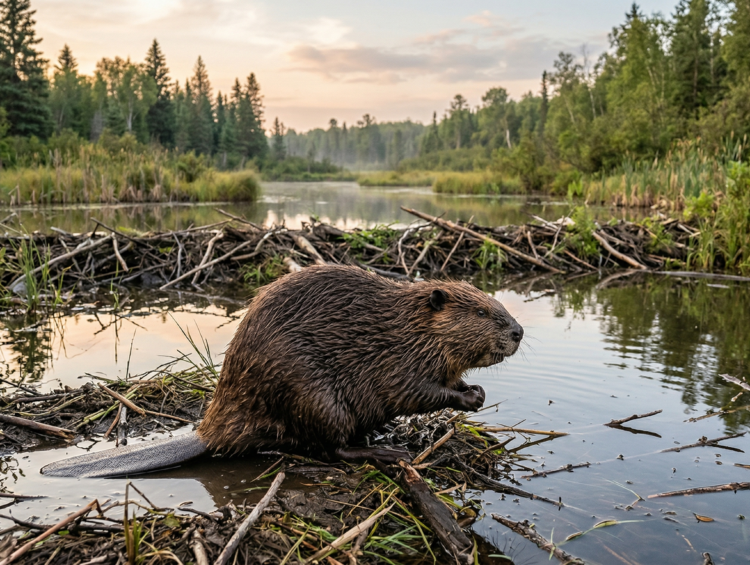
 The research conducted in 2026 established that beavers now qualify as “Climate Heroes” because their activities extend beyond their traditional role of constructing dams. Through their construction of complex wetlands, these rodents establish the most effective natural systems which capture greenhouse gases from the atmosphere throughout the world. Their capacity to alter natural environments enables them to function as vital resources which help combat climate change because these ancient engineers of nature serve as the strongest carbon storage systems.
Methane-Eating Microbes
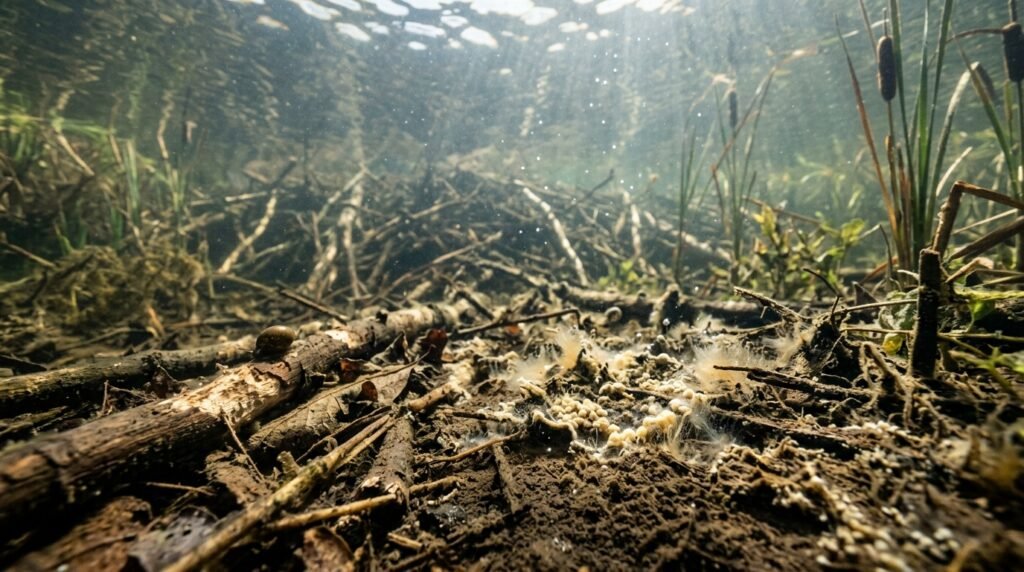
The beaver ponds create special underwater habitats which support the growth of particular “methane-eating” bacteria. The bacteria consume plant decomposition gases before they can escape into the atmosphere which enables them to eliminate a significant greenhouse gas source.
The “Sponge” Effect
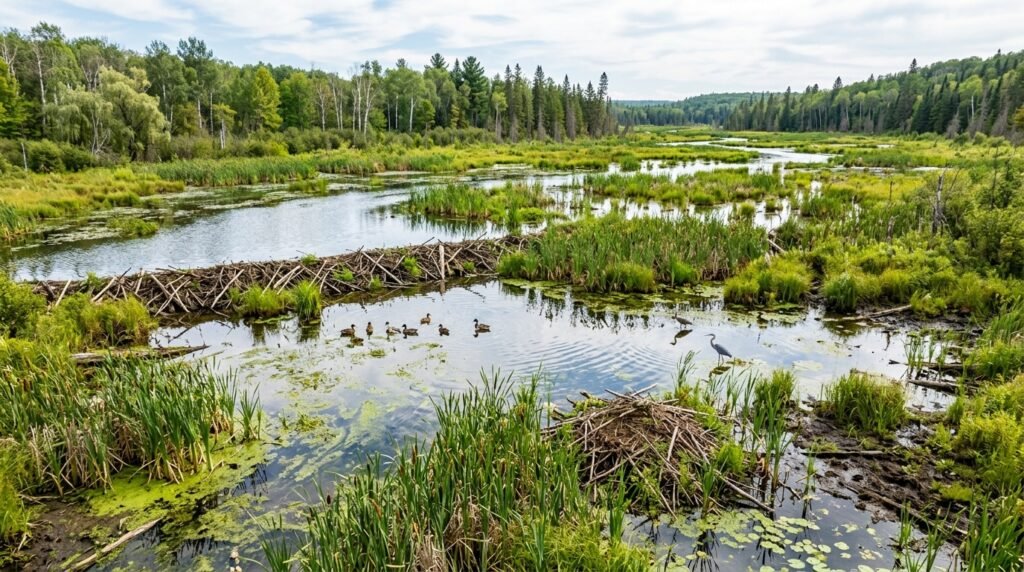
The construction of beaver dams transforms dry areas into verdant wetland ecosystems. The areas function as enormous sponges which absorb carbon dioxide present in the atmosphere while their water-saturated soil retains the gas for hundreds of years.
Expanding the Green Canopy
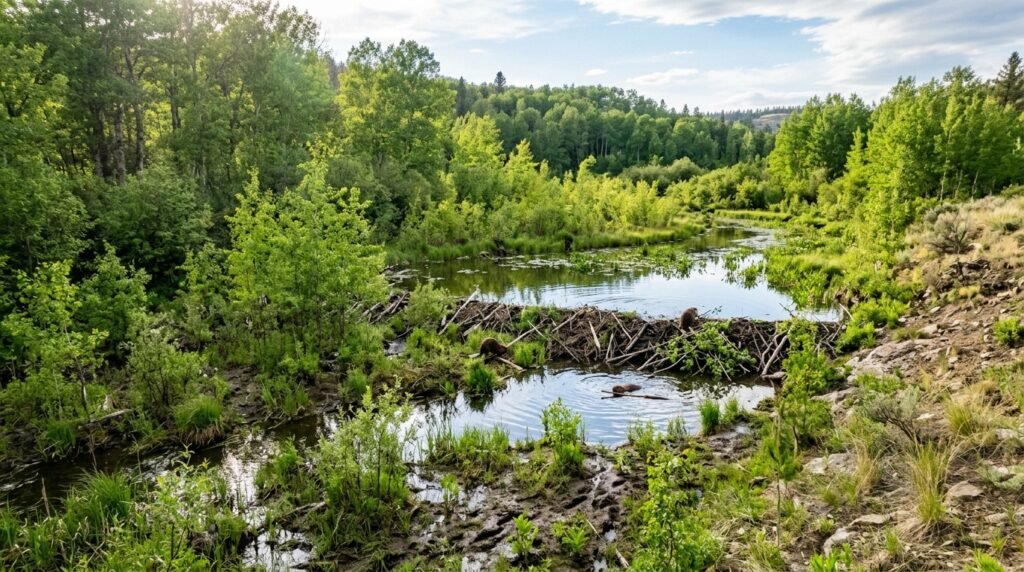
The water table elevation by beavers enables tree and shrub growth in previously arid regions. The increasing plant coverage creates an enormous layer of foliage which continuously absorbs carbon while releasing oxygen into the atmosphere.
Preventing “Zombie” Wildfires
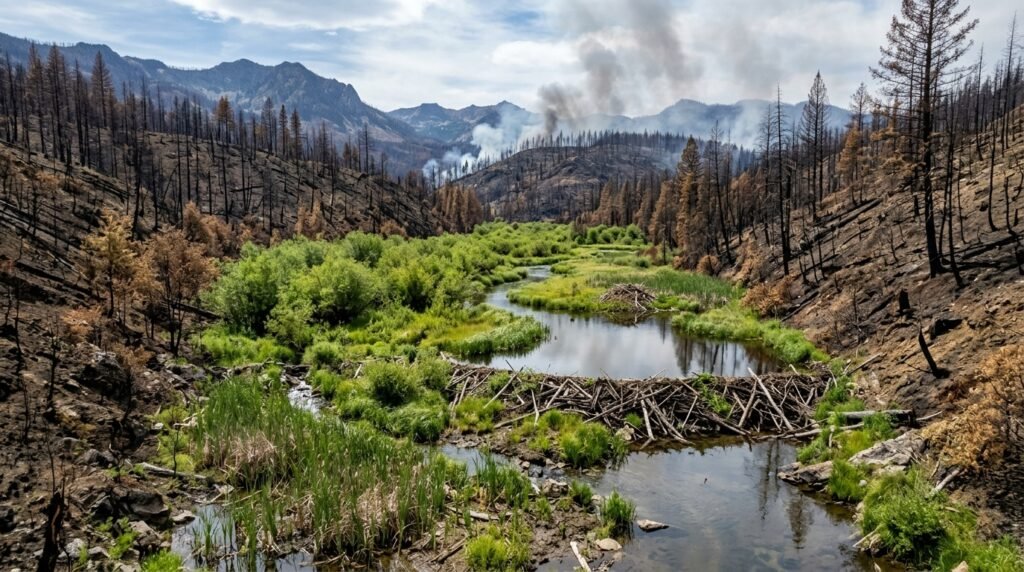
Wetlands which beavers construct function as natural barriers against wildfires. The beaver-protected valleys in the Western US maintained their green state while surrounding forests turned to ash which prevented the release of carbon that typically accompanies wildfires.
Sediment Trapping
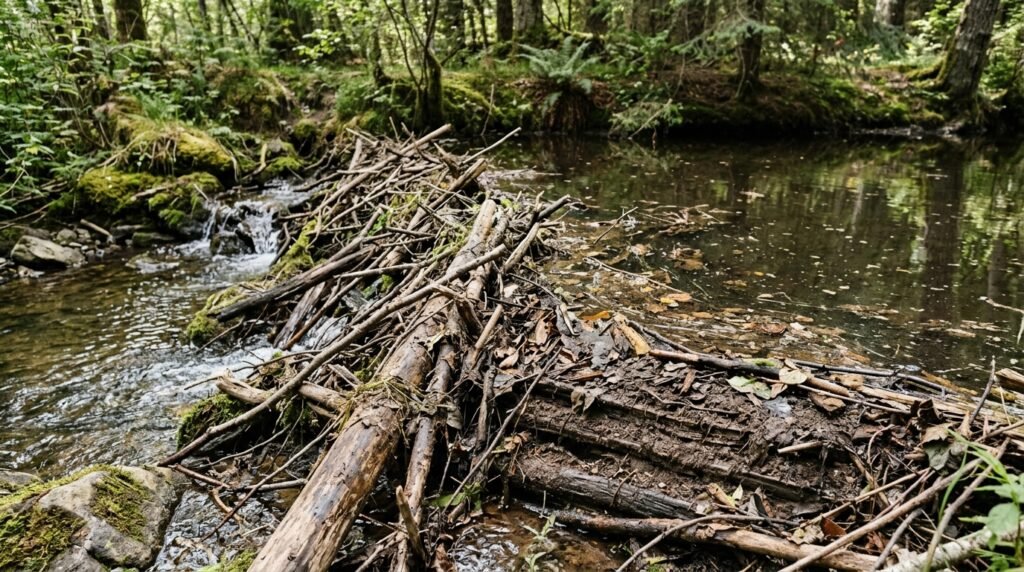
Beaver dams serve as filtration systems which stop “carbon-rich” silt from drifting downstream. The organic material gets trapped behind the dam where it prevents carbon from entering the ocean and disintegrating into the water.
Deep-Soil Carbon Sequestration
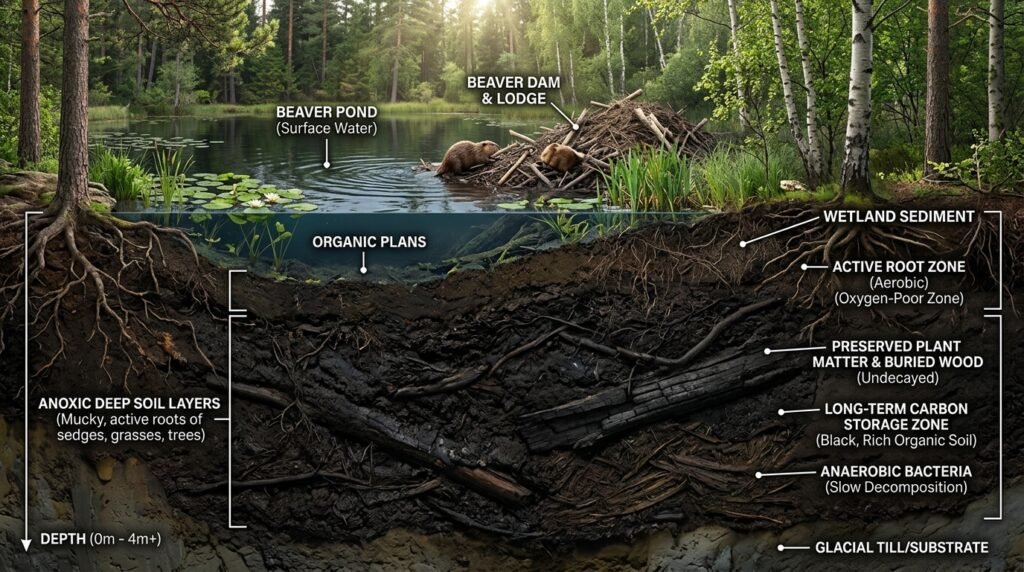
Beavers store carbon in “anoxic” environments which lack oxygen while forests store carbon in combustible wood materials. The absence of oxygen prevents plant matter from decaying which allows carbon to remain buried underground for thousands of years.
Cooling Local Climates
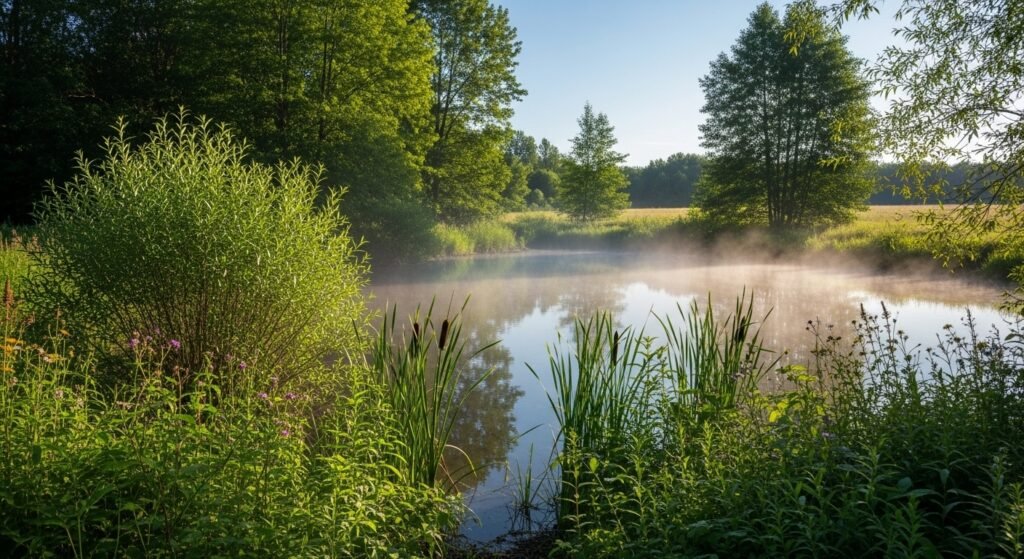
The evaporation of water from beaver ponds creates a cooling effect which lowers air temperatures by multiple degrees. The nearby plants experience reduced heat stress because the natural air conditioning system allows them to take in carbon during extreme summer conditions.
Restoring Ancient Peatlands
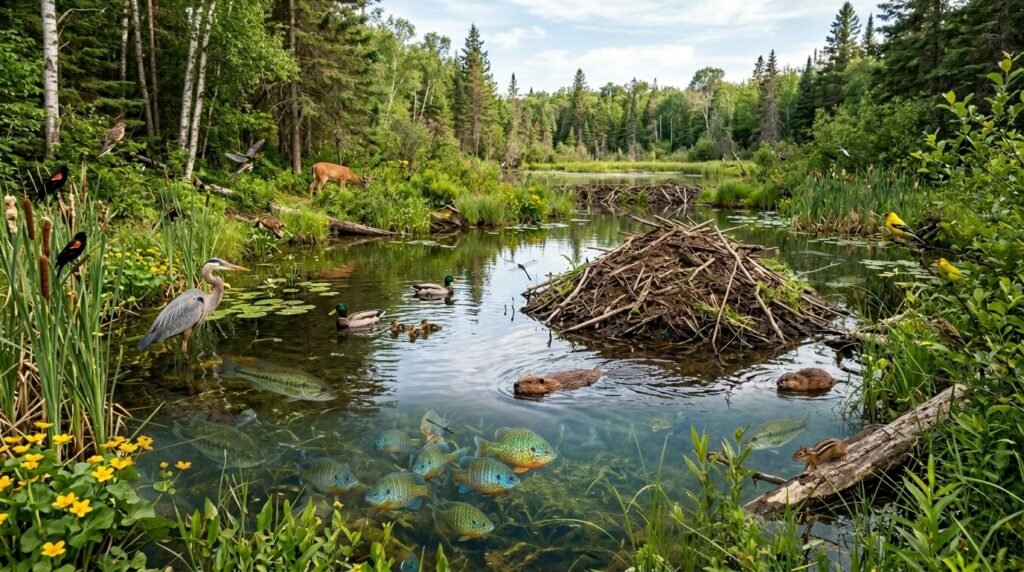
Peat functions as the planet’s most effective carbon storage material. The research from 2026 shows how beaver reintroduction to drained areas enables the peat-building process to occur which transforms barren land into a powerfully effective carbon storage area.
Creating Biodiversity Hotspots

The beaver pond functions as a habitat which draws thousands of different species including both birds and insects. The area experiences a biological carbon density increase with every new organism which creates an interconnected web of energy storage that sustains the local environment.
Drought Resilience
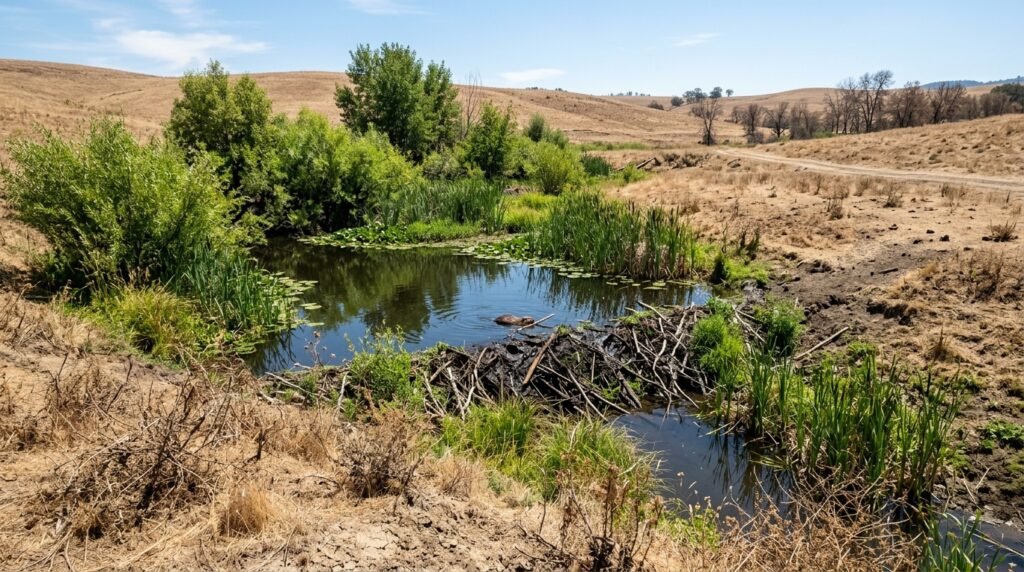
The beaver dams maintained their healthy carbon production status during the 2025 droughts while other areas turned into carbon-emitting zones when plants died. The system can maintain its carbon capture operations even when extreme weather conditions occur.
The “River Otter” Partnership
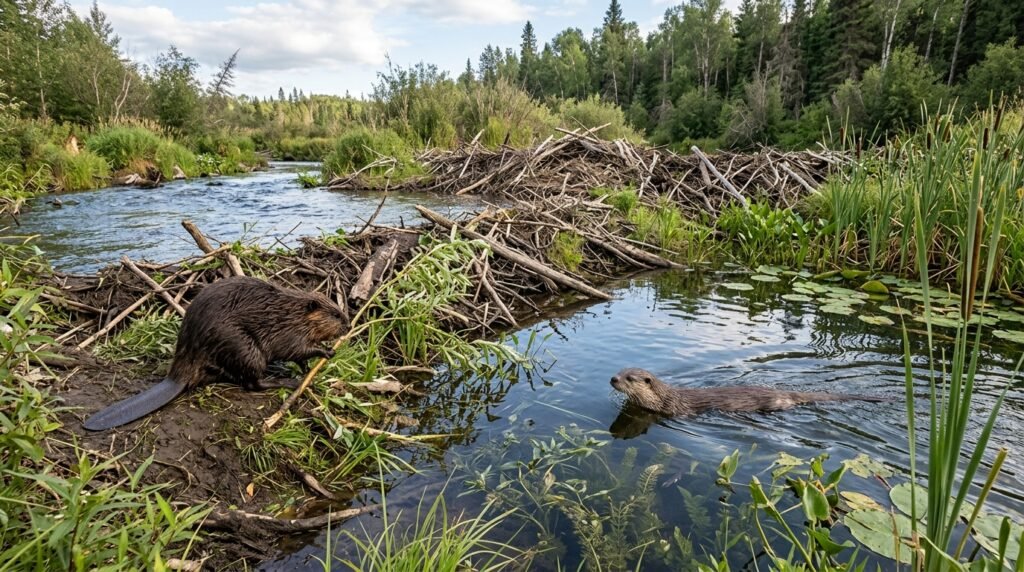
Beavers create the habitat for otters and fish to use while they complete their nutrient cycling duties. The team effort guarantees the wetland remains healthy while it serves as an exceptional carbon storage facility.