 Isabella Miller
 Caviar operates as a worldwide deluxe food item yet people often misunderstand its actual definition. Caviar constitutes the fish eggs which sturgeon fishers process through salting to create their principal product. The dish has maintained its status as a luxurious item throughout history because it possesses a distinct texture together with a flavor that combines saltiness and buttery notes.
The Sturgeon Rule
Authentic caviar production depends entirely on sturgeon fish as its only permissible source. The term “salmon caviar” refers to the bright orange eggs on sushi while “lumpfish caviar” describes the unfertilized eggs of the sturgeon fish species which purists and high-end chefs use only for culinary purposes.
The “Pop” Texture
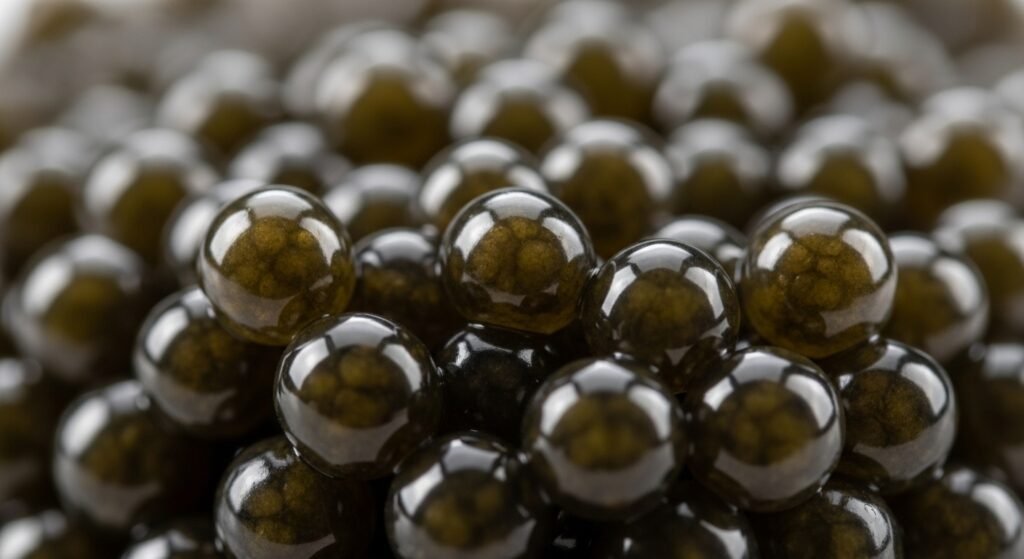
Caviar of exceptional quality achieves its highest value through its “beaded” texture. The individual eggs must maintain their required firmness to produce a “pop” sound during eating which allows users to experience the taste of juice inside.
Salt as a Preservative
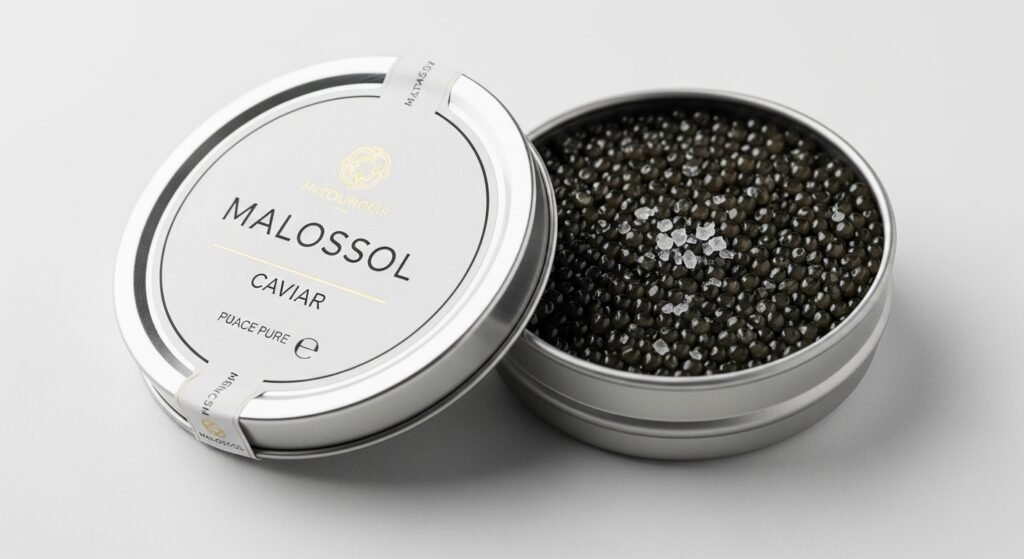
The word “Malossol” on a tin is a real-life sign of quality. The term means “little salt” in the Russian language. The fresh caviar requires minimal salt because it maintains its delicate nutty flavor through minimal salt usage.
Beluga: The Gold Standard
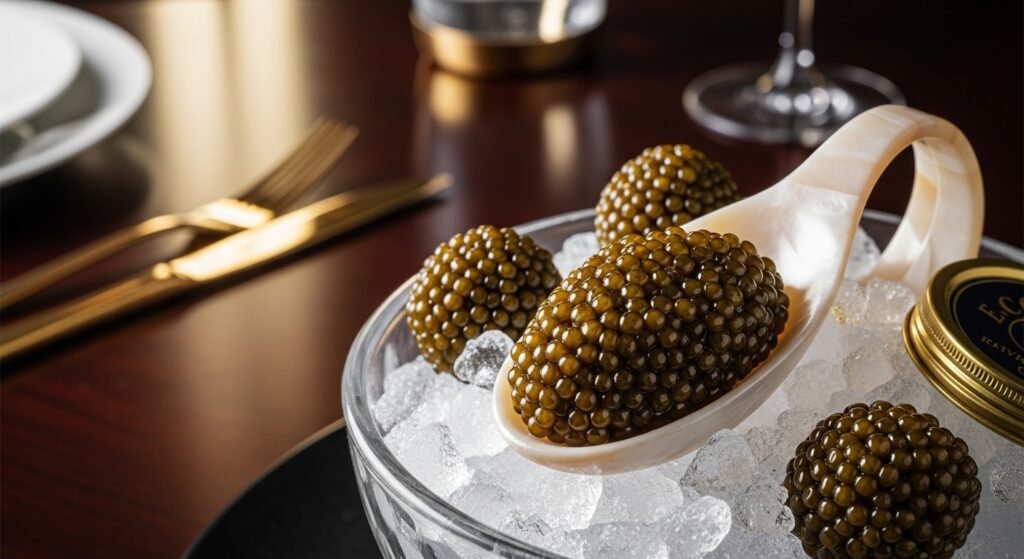
The Beluga sturgeon produces the most expensive and largest eggs. The fish require 20 years to mature which results in luxury shops selling their products at prices starting from hundreds of dollars.
Temperature is Critical
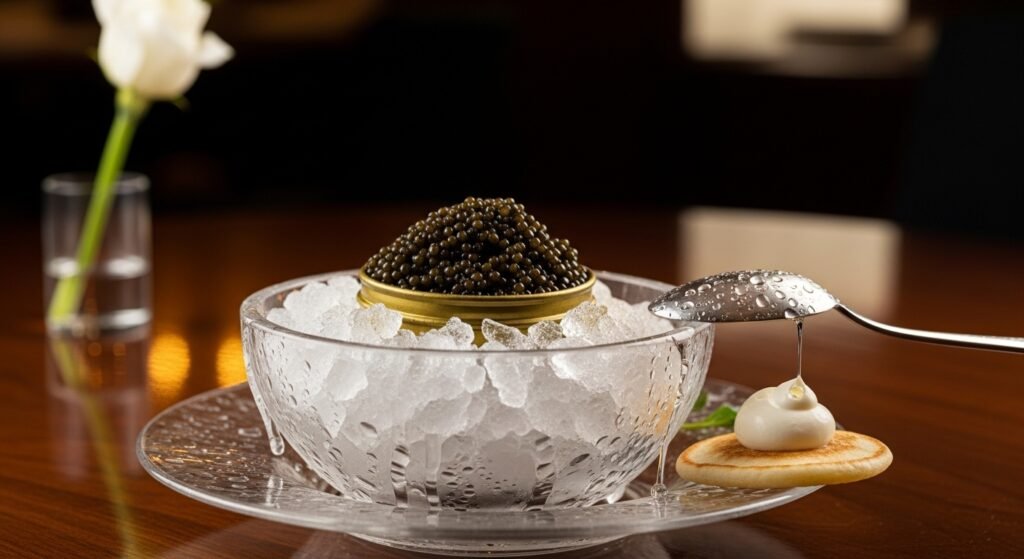
Caviar needs to be stored at extremely low temperatures. The egg fats start to decompose when the temperature reaches room temperature which results in flavor destruction. Restaurants use crushed ice to keep their caviar tins at optimal temperature which requires them to use ice for serving.
The Metal Spoon Ban
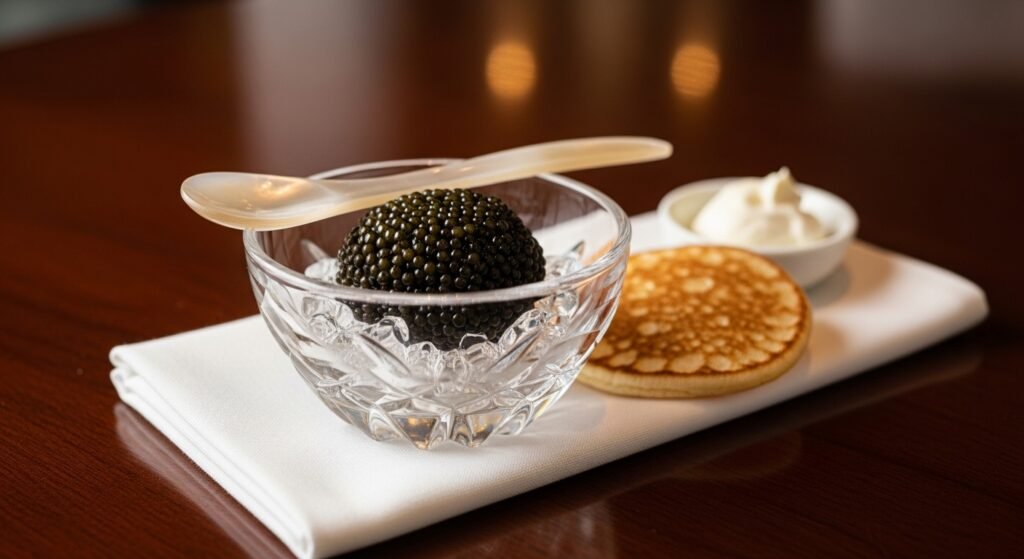
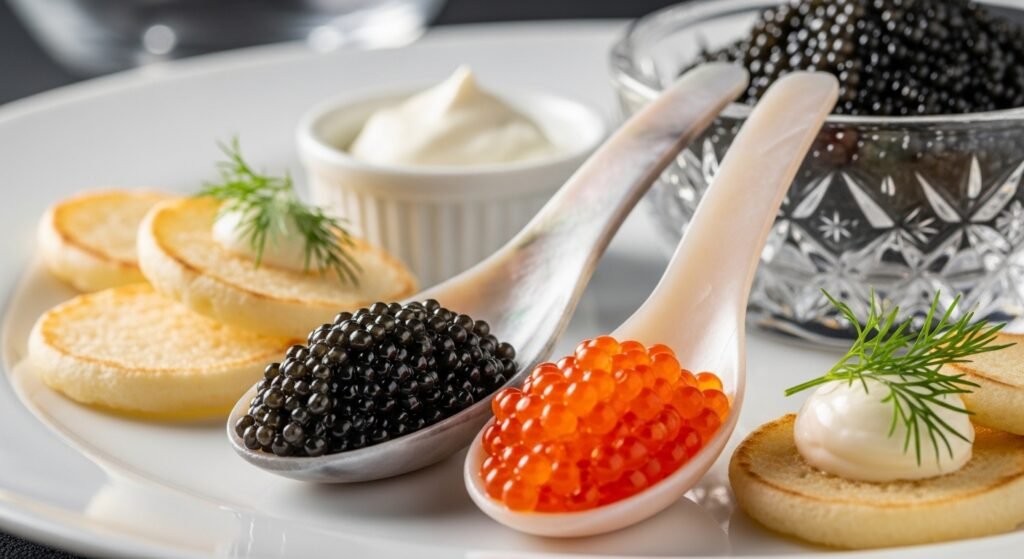
People should not use silver or stainless steel spoons to consume caviar. The metal causes eggs to develop a bitter metallic taste with a “tin” flavor. Connoisseurs use spoons made of bone wood or Mother of Pearl.
Sustainable Farming

The sustainable fish farms which now provide most caviar production operate because overfishing has decimated Caspian Sea fish stocks. Sterling Caviar operates modern fish farms which raise sturgeon in controlled settings to safeguard wild sturgeon populations from extinction.
Classic Pairings
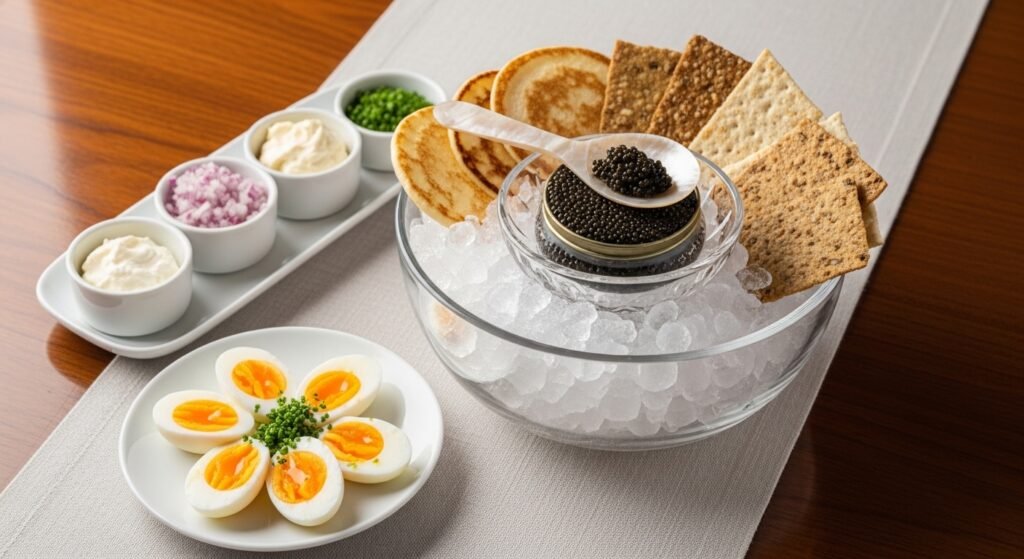
Caviar contains natural saltiness which leads to its traditional serving with “bland” foods that create taste balance. People commonly choose blinis, which are small pancakes, along with unsalted crackers and hard-boiled eggs as their preferred snacks.
Color Variations
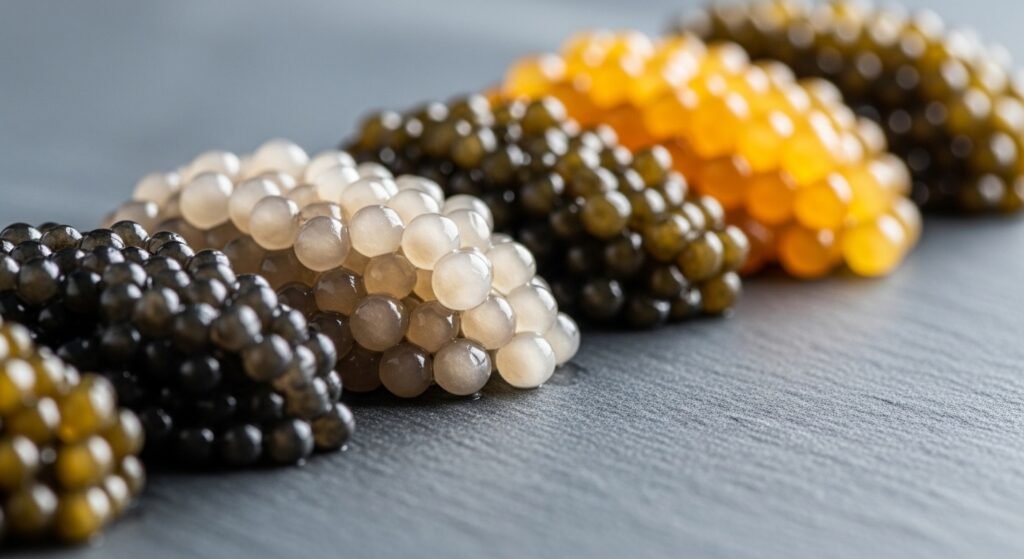
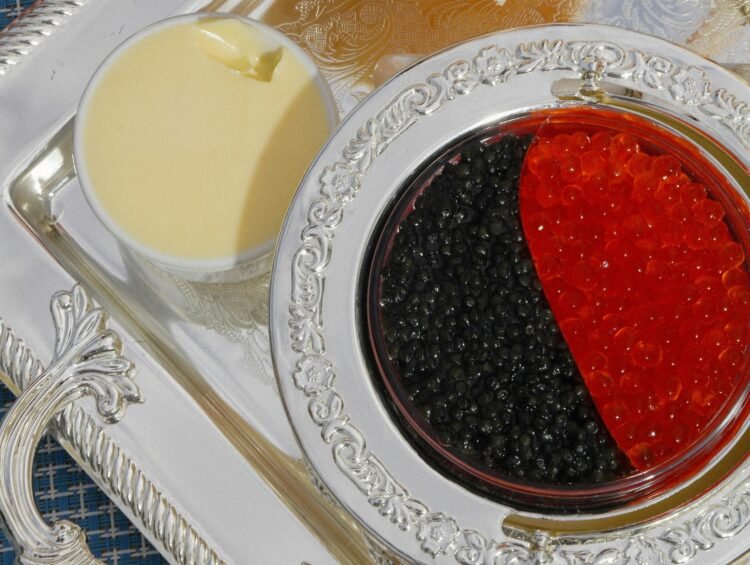
Eggs come in different colors than just black. The colors range from pearly grey to dark green and golden yellow. The tin price increases according to the egg size and brightness which determines the fish age.
Storage Life
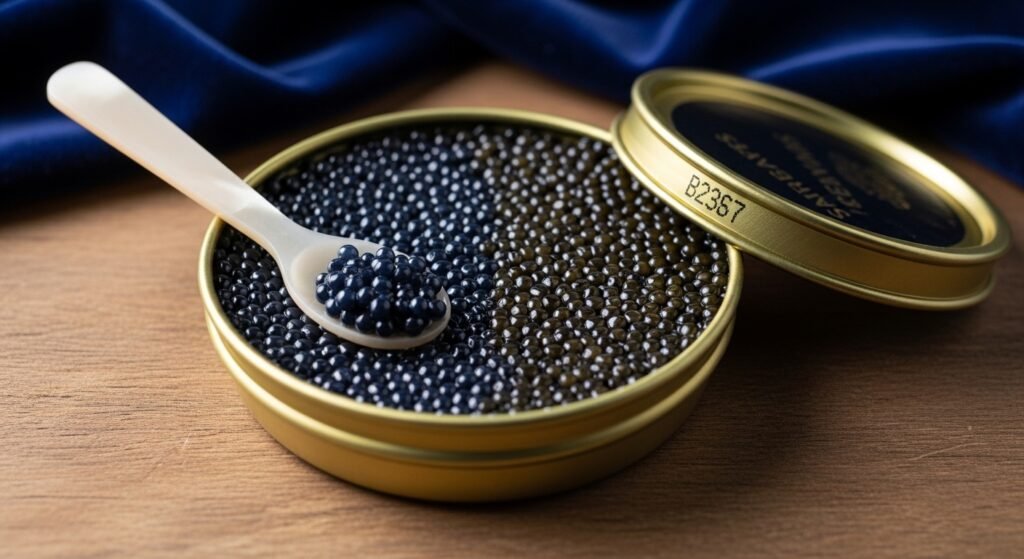
The expensive tin maintains its fresh state for 24 to 48 hours after its first opening. The eggs change their texture from firm to mushy which makes them a special treat that needs immediate consumption.