 Sophia Davis
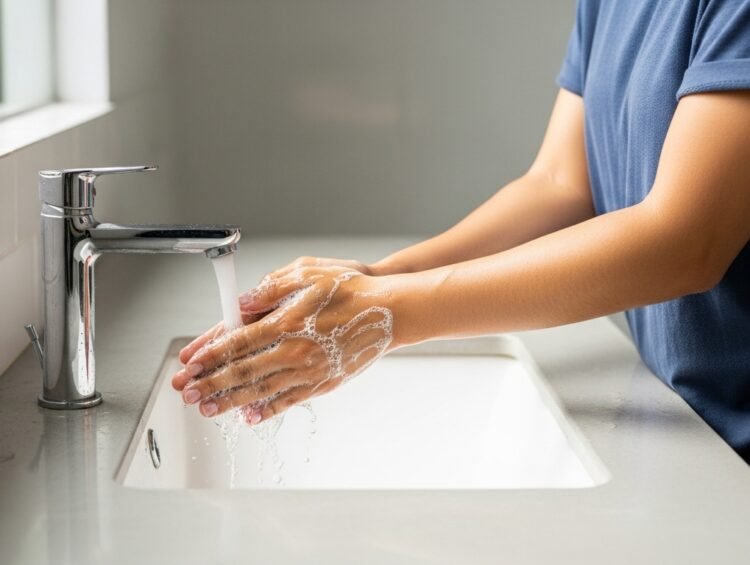
 The present-day world of 2026 demonstrates our current environmental health knowledge has moved from reaction-based methods to systematic proactive environmental health practices. The human immune system displays exceptional strength but our daily environment-from smart cities to shared workspaces-is filled with multiple points of physical contact which serve as pathways for microbial transmission. The understanding of hygiene has evolved to become a fundamental requirement which safeguards both personal cleanliness and the shared health needs of entire communities. The identification of “fomites” as specific objects that transfer infections enables us to disrupt disease transmission routes which endanger our health. Hand hygiene should be practiced in targeted ways after using these public items because it serves as a straightforward method which research supports for safely moving through public and private areas.
Public transit infrastructure experiences
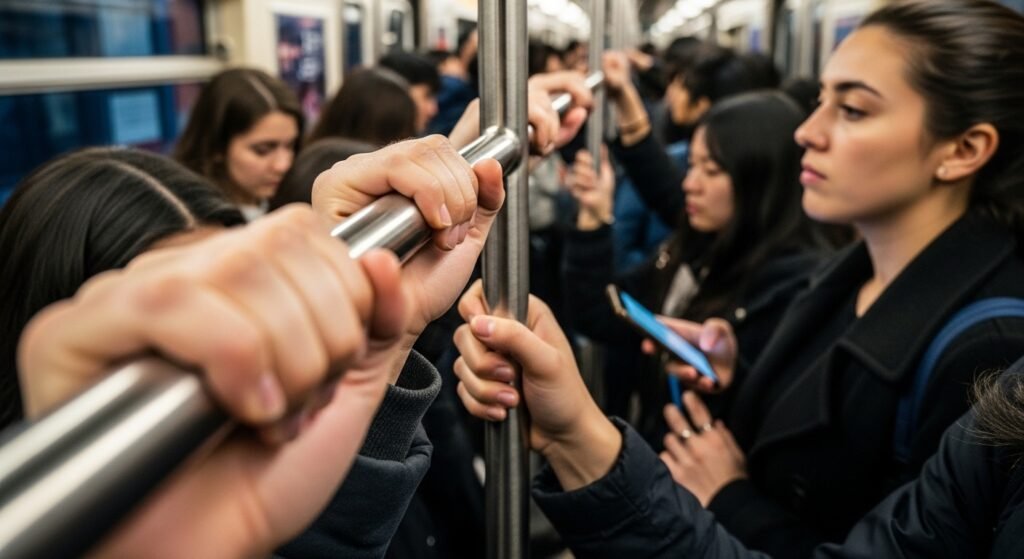
Daily touch from thousands of people who use subway and bus handrails and poles and seat backs. The surfaces serve as primary collection points for a diverse array of environmental bacteria and viruses which people encounter throughout their daily lives.
Physical currency

It remains in circulation despite the 2026 digital payment system expansion. Banknotes are porous objects which can hold microbes for extended time periods thus making them one of the most contaminated objects which people handle throughout their daily lives.
Restaurant menus

They are handled by nearly every guest in most dining establishments yet the menus remain unsanitized throughout dining service. Laminated or plastic menus create a situation where pathogens stay on the surface during all active dining periods.
Gas station fuel dispenser handles
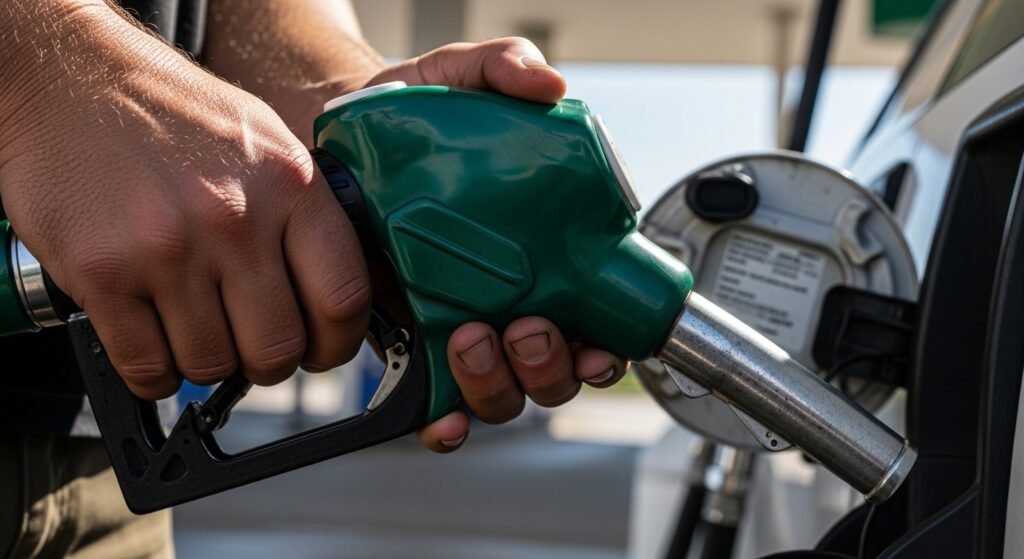
It functions as high-touch points which stay outside and face continuous use from various customers throughout the day. The handles experience minimal cleaning thus they act as major locations for bacteria transmission.
Public touchscreens and kiosks
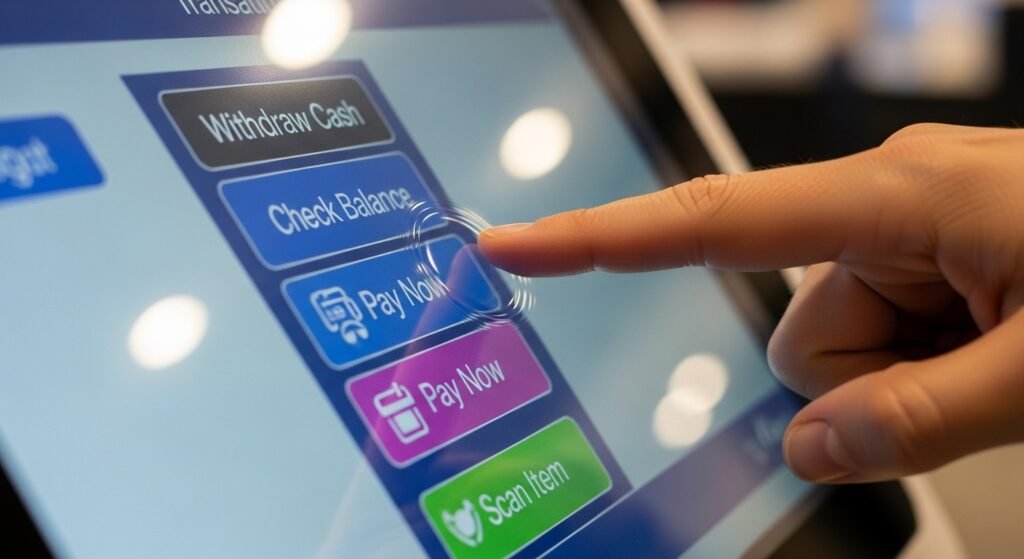
It requires direct fingertip touch to operate at ATM machines and grocery checkout areas and digital information booths. The screens produce warmth which creates an environment that many microorganisms find suitable for their development.
Animal interactions

It provides mental health benefits through pet ownership and local farm visits however animals also carry pathogens which can spread between species. People must wash their hands after touching animal fur or dander or their animal enclosure.
Raw food preparation

It requires people to avoid touching unwashed produce and raw proteins which include poultry and meat. Immediate hygiene actions stop foodborne germs from spreading to different kitchen surfaces.
Shared office equipment
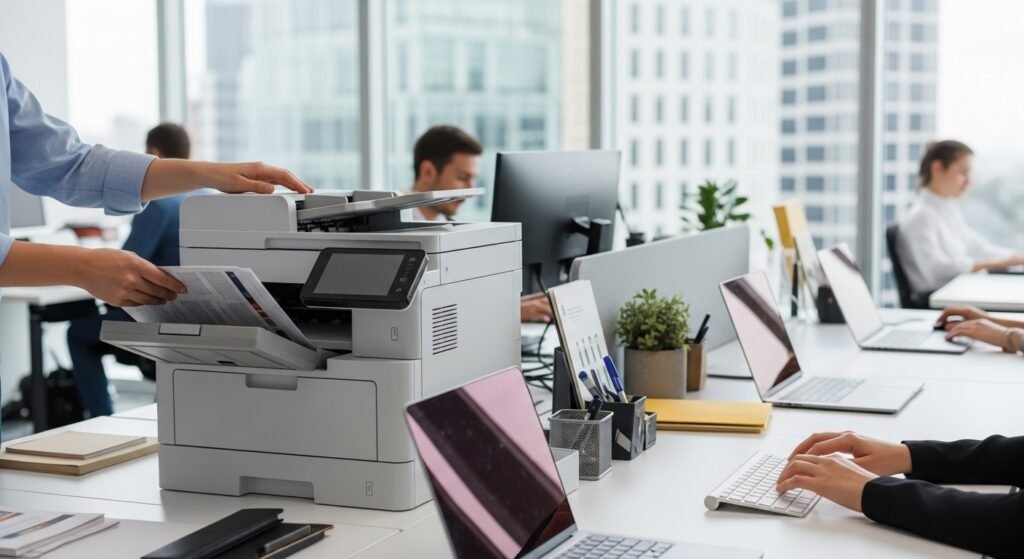
It functions as a major infection source because communal printers and coffee machine buttons and shared keyboards serve as communal work tools. During standard cleaning processes staff members often miss cleaning “low-visibility” touchpoints because they do not show up in standard cleaning checklists.
Garbage and recycling receptacles
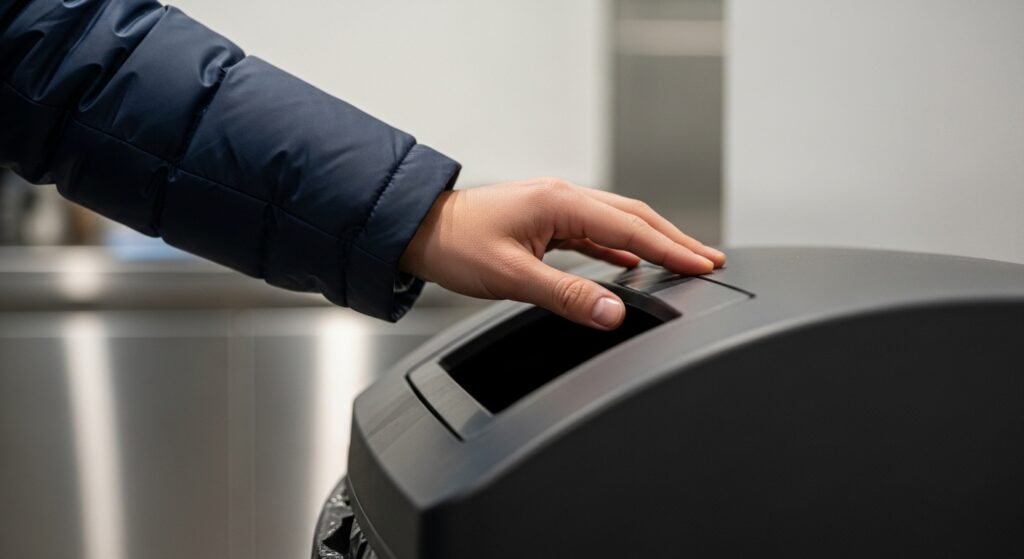
It functions as areas which contain high levels of bacteria that originate from decaying organic material. Waste bins serve as major bacterial breeding sites because people who touch their lids and rims will get exposed to high levels of bacteria.
Elevator buttons undergo constant
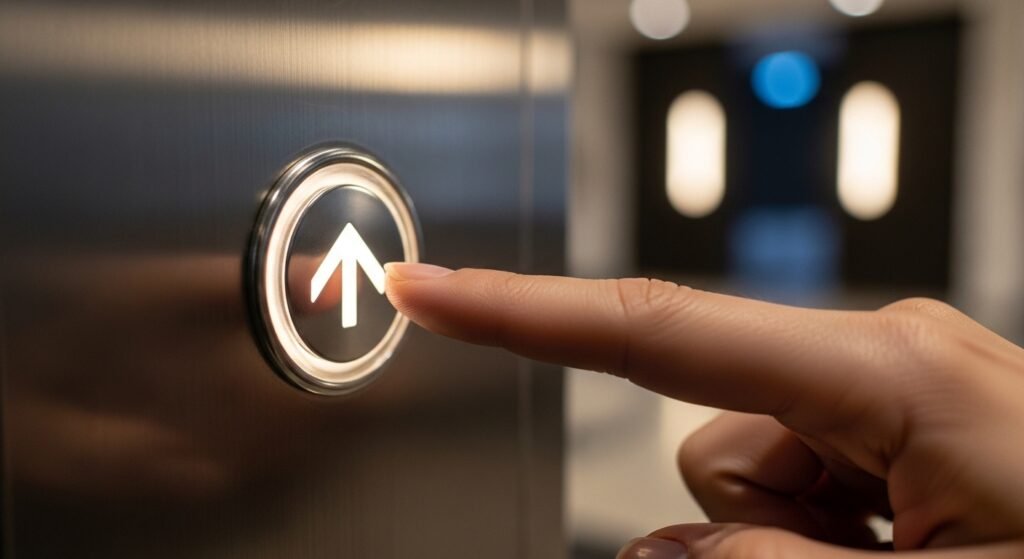
Usage throughout high-rise buildings and medical facilities as people press them multiple times every hour. The area of the object restricts how many germs from various users can accumulate on its surface.
Gym and fitness equipment
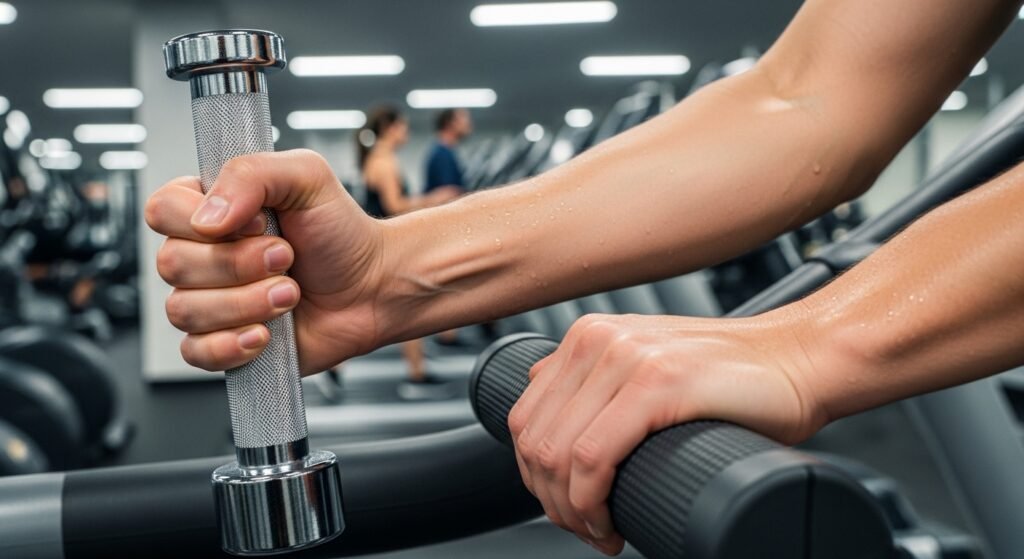
Areas contain dumbbells and treadmill displays and yoga mats which experience high levels of moisture because they receive direct contact from skin. Fitness centers function as the main sites where skin-related microbes transfer between people because of this combination.
Grocery cart handles move through different spaces
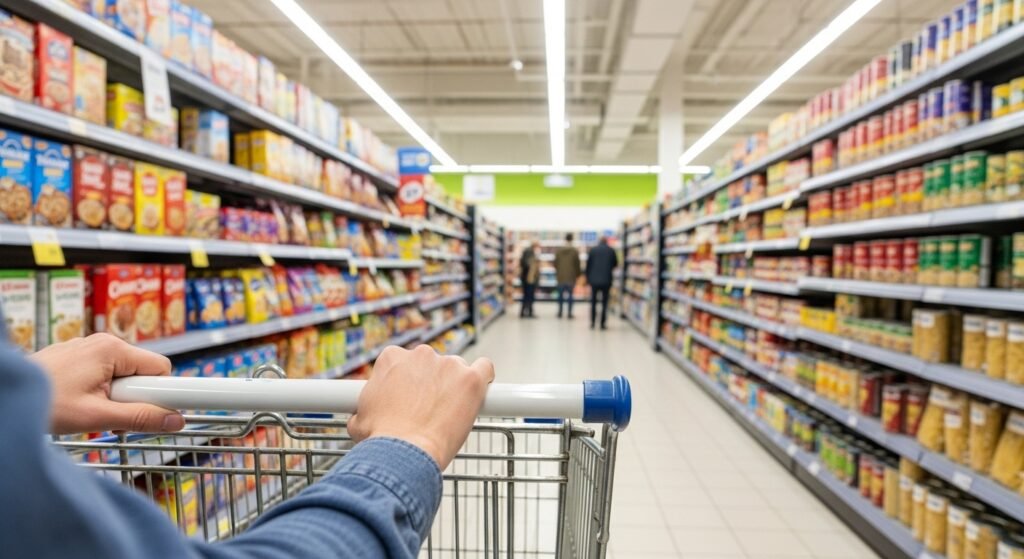
Which various people from different age groups handle. People should use wipes from stores but they need to wash their hands completely after shopping to protect themselves better.
Public restrooms use “touchless” exits
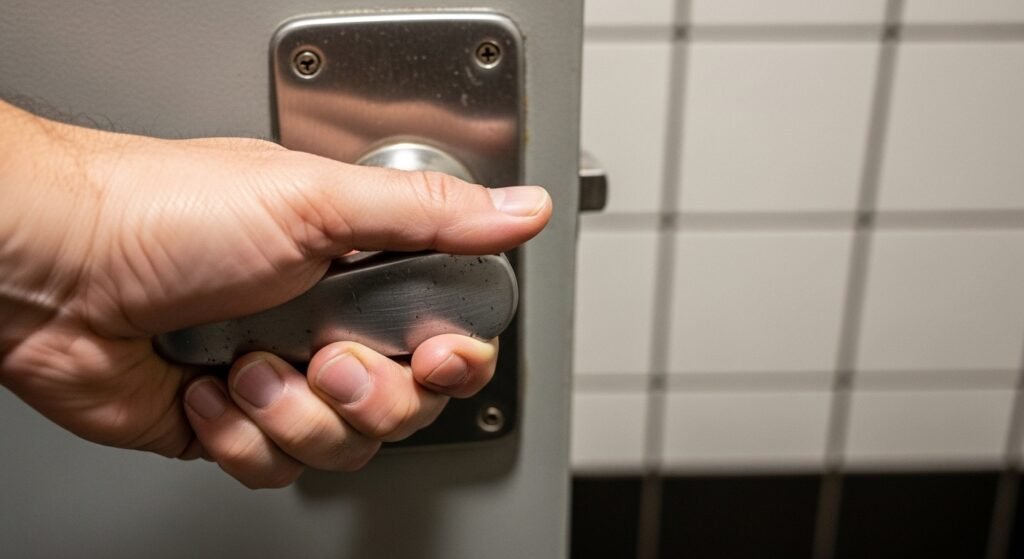
Modern facilities however many of their doors still require people to pull a handle. The touchpoint will cause you to lose all the benefits which came from your previous hand washing session.
Cleaning supplies and sponges
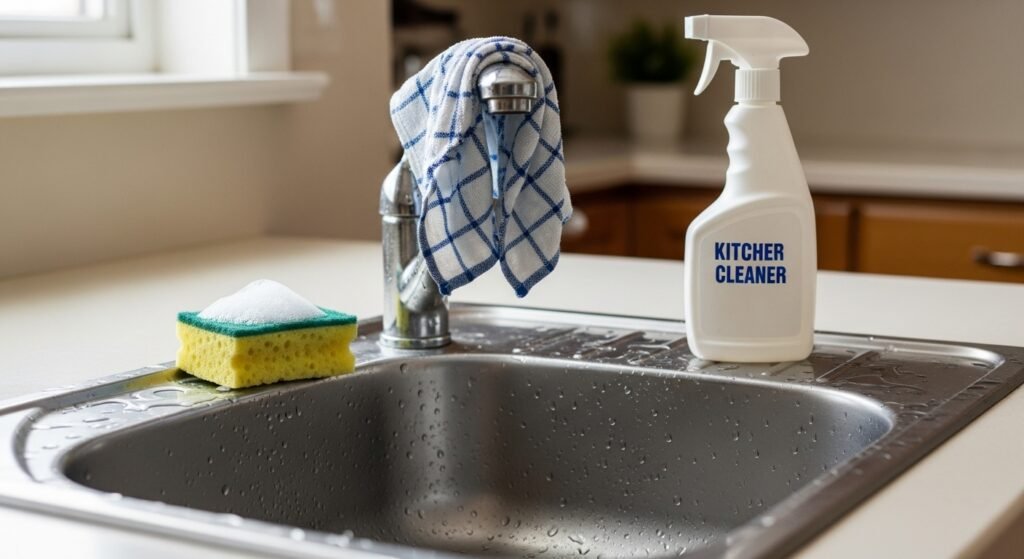
Use contaminated tools for their cleaning tasks. Used sponges and dishcloths and chemical spray bottle handles contain high levels of the same microbes which they were designed to eliminate.