 Isabella Miller
 Many food brands at home use marketing methods which create a “halo effect” to show their food products as healthier than they actually are. The methods which companies use to advertise their products as healthy need to be evaluated because they use legal methods to mislead customers who seek accurate product information.
The “Real Fruit” Juice Claim
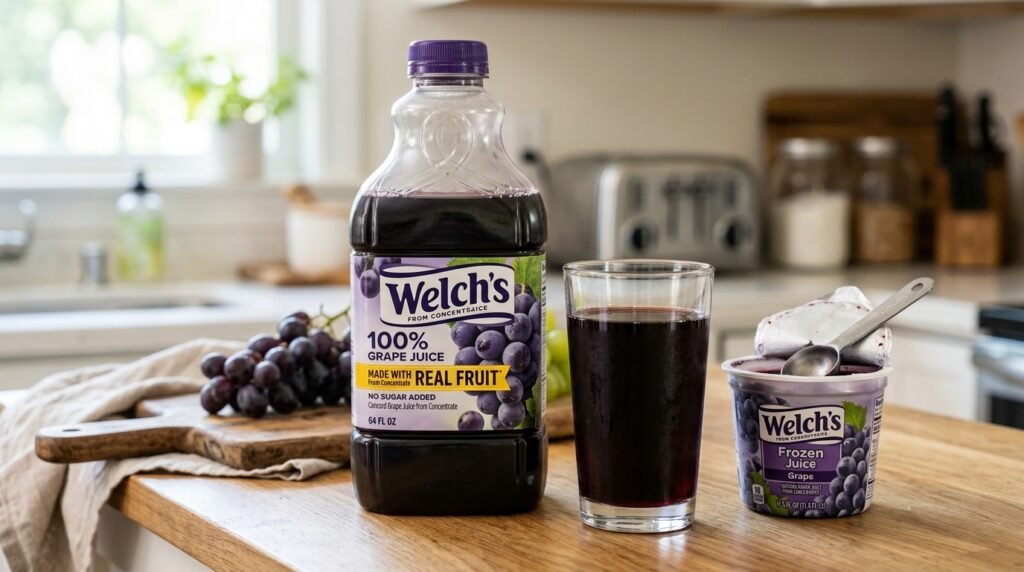
The companies Welch’s and Mott’s present the phrase ‘made with real fruit’ as their main product assertion according to their package design. The product contains a primary component which is ‘fruit juice concentrate’ because the manufacturing process removes all fiber content and adds natural sugars which make the product equivalent to soda in nutritional value.
Nature Valley’s “Natural” Oats
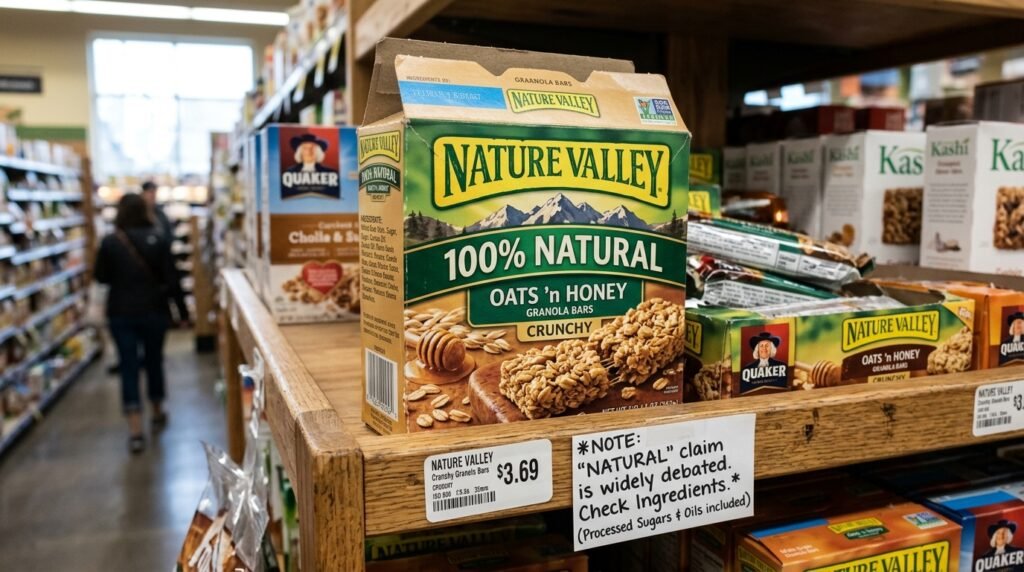
Nature Valley has faced criticism for labeling granola bars as “100% Natural” and the oats contain synthetic herbicide traces which investigation teams have discovered. The term ‘natural’ shows people that its regulatory status stays loose while ‘organic’ certification maintains strict oversight.
Nutella as a “Balanced” Breakfast
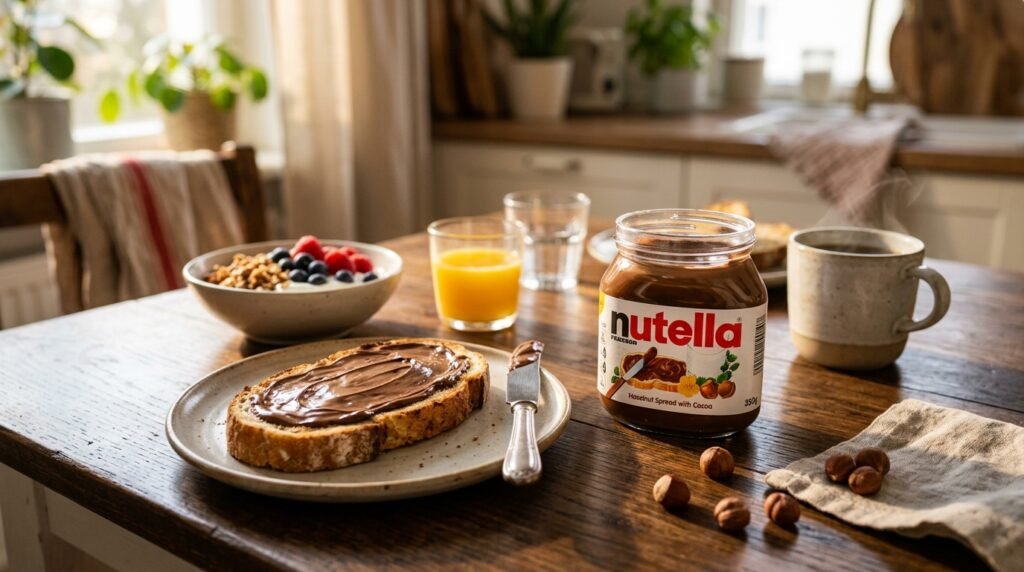
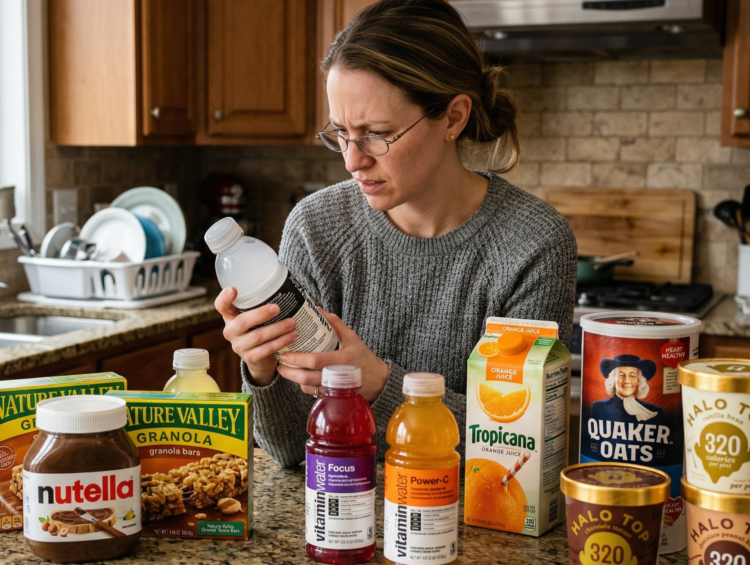
Ferrero spent decades advertising Nutella as a healthful product which served as a hazelnut spread designed for kids. The product contains sugar and palm oil as its two main components. The jar contains a tiny amount of hazelnuts and cocoa which led to health claim disputes which required legal resolution.
Subway’s “Fresh” Bread
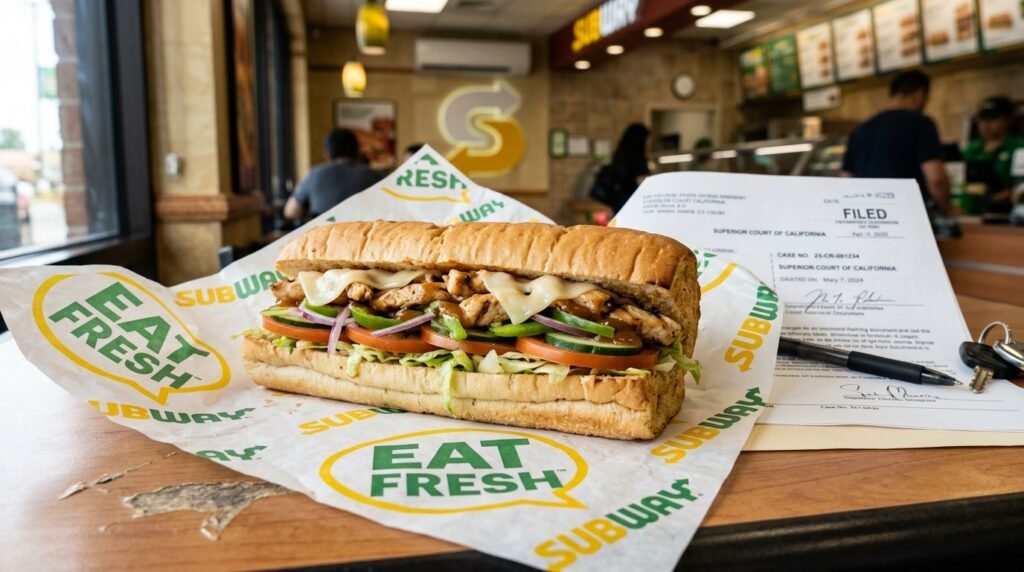
Subway built its entire brand on “Eat Fresh.” The Supreme Court of Ireland determined that their bread contained too much sugar to qualify as bread according to tax regulations which classified it as a candy product.
Vitaminwater’s “Healthy” Name
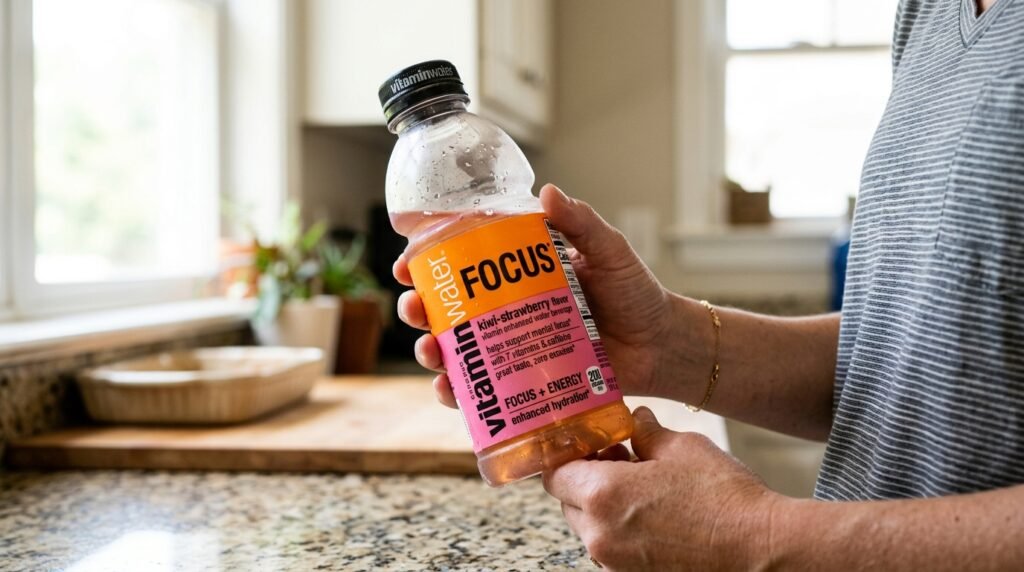
Vitaminwater, which Coca-Cola owns, uses product names like “Focus” and “Endurance” to suggest health advantages. The company’s lawyers during a court case claimed that no customer could be confused into thinking Vitaminwater served as a nutritious drink because its product contained excessive sugar.
Tropicana’s “Fresh Squeezed” Process
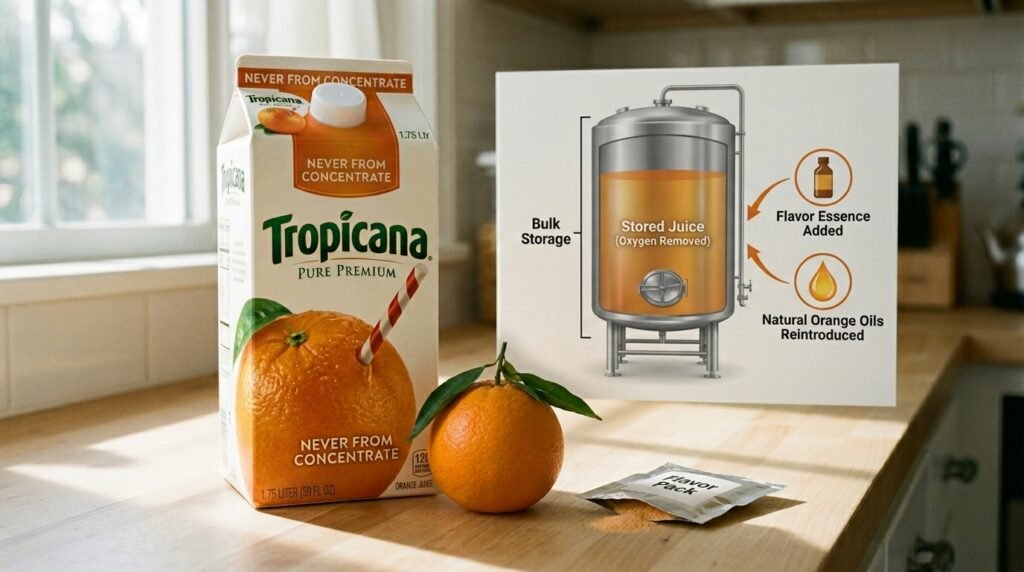
Tropicana states that its orange juice exists as ‘never from concentrate’ product. The juice remains true to its description yet producers store it for extended periods inside massive tanks which lack oxygen for one year. The company adds ‘flavor packets’ to products before bottling to restore orange flavor.
Quaker Oats “Heart Healthy” Labels
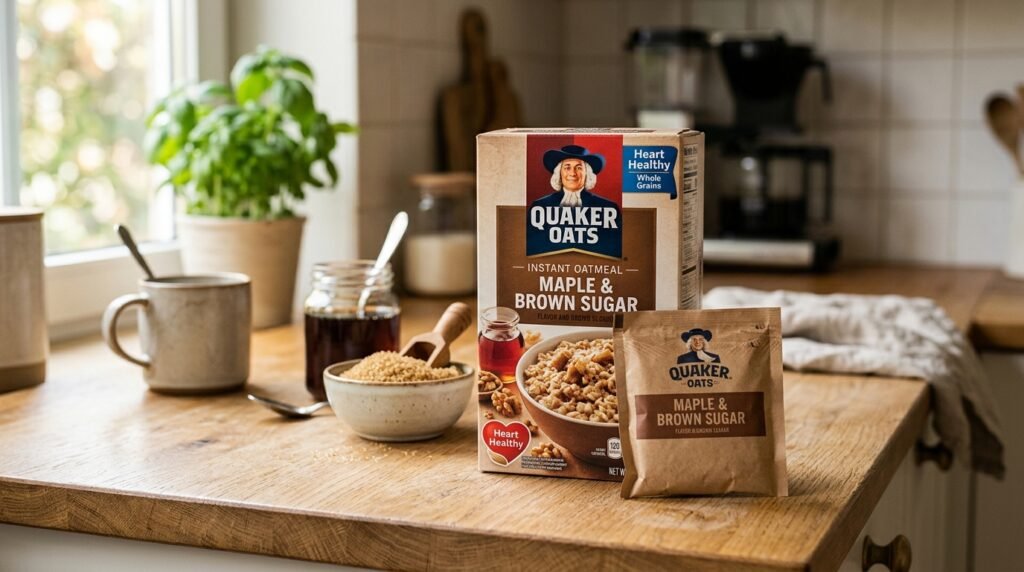
Quaker displays heart health statements on its instant oatmeal packages. Oats provide health benefits yet the flavored ‘Maple and Brown Sugar’ version contains dessert-level sugar content which negates its advantages for certain consumers.
Halo Top’s “Light” Reality

The company Halo Top sells ice cream products which have low calories and zero guilt. The company achieves this result by combining sugar alcohols with air-whipping technology. The sugar substitutes lower calories but they create stomach problems for many users when they ingest excessive amounts.
Annie’s “Organic” Mac and Cheese
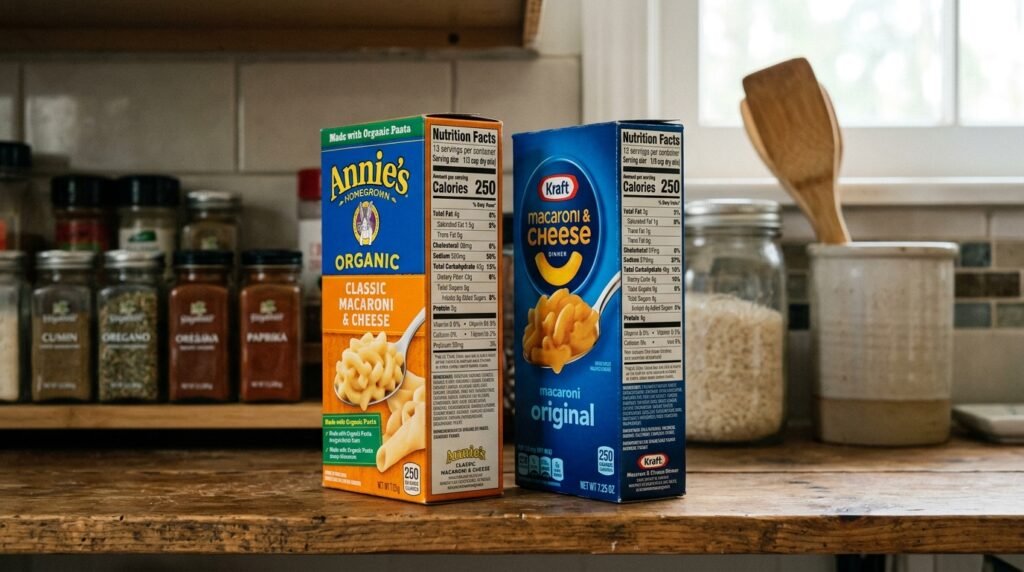
Annie’s Homegrown stands out as the ‘healthier’ option when people choose between Kraft products. The product includes organic items yet its nutritional profile shows high sodium and refined carbohydrate content which matches the standard blue box products.
Bare Juice “Clean” Labels
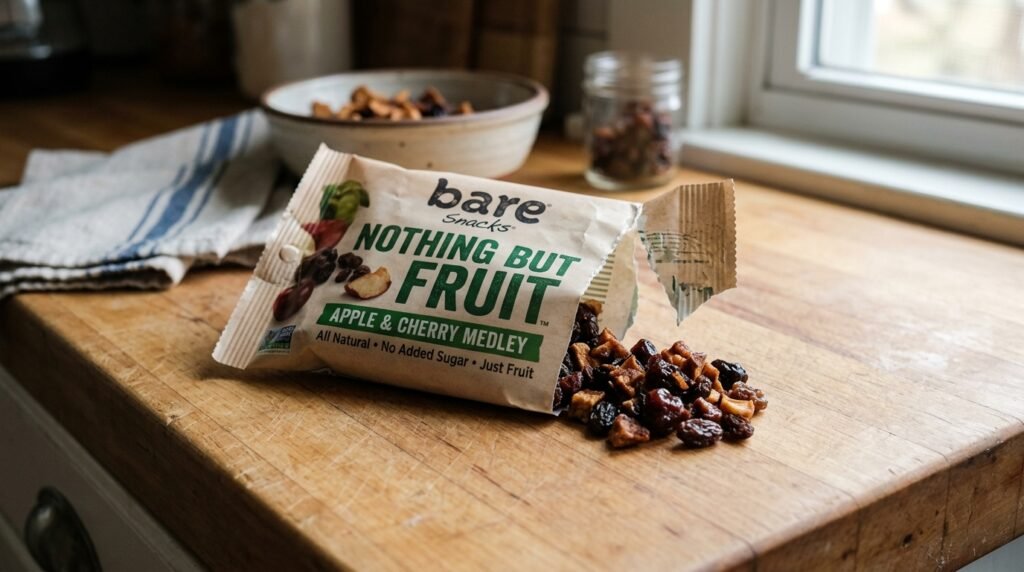
Bare snacks use the slogan ‘nothing but fruit’ to promote their products. The dehydration process removes white sugar from the product but it leads to concentrated fruit sugars which create high glycemic effects when consumers eat one small bag.
Kellogg’s “Whole Grain” Froot Loops
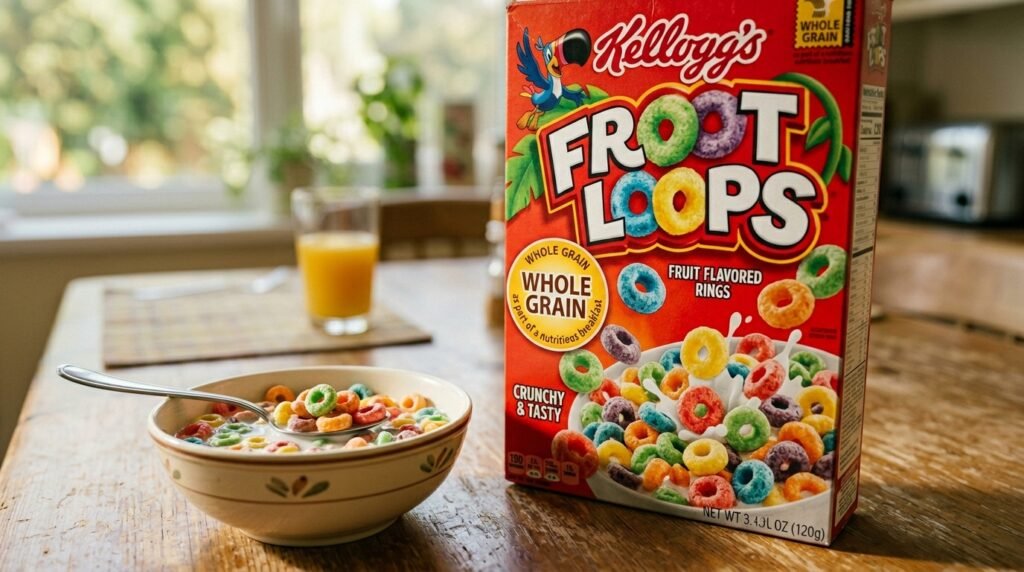
Kellogg’s receives the ‘Whole Grain’ label for its sweet Froot Loops cereal products and the product contains a minor quantity of whole grain but it gets hidden under artificial colors and high-fructose corn syrup which make up most of its product composition.