 Isabella Miller
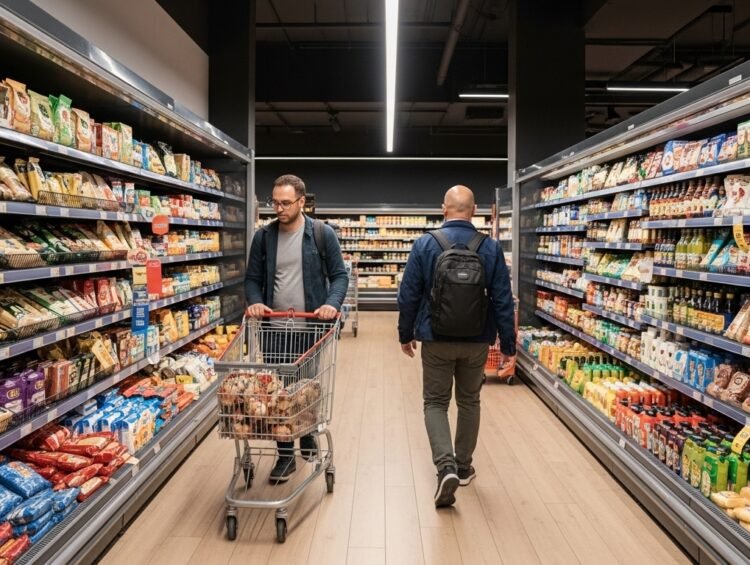
 The 2026 travelers most prefer local grocery stores above museums and monuments. The trend of “Shelf Discovery” has evolved into a cultural mapping experience for people who complete their daily shopping tasks. Tourists who walk through foreign supermarket aisles can experience the true unfiltered view of local food, cultural traditions and national economic activities which guided tours fail to show.
The “Snack Souvenir” Revolution
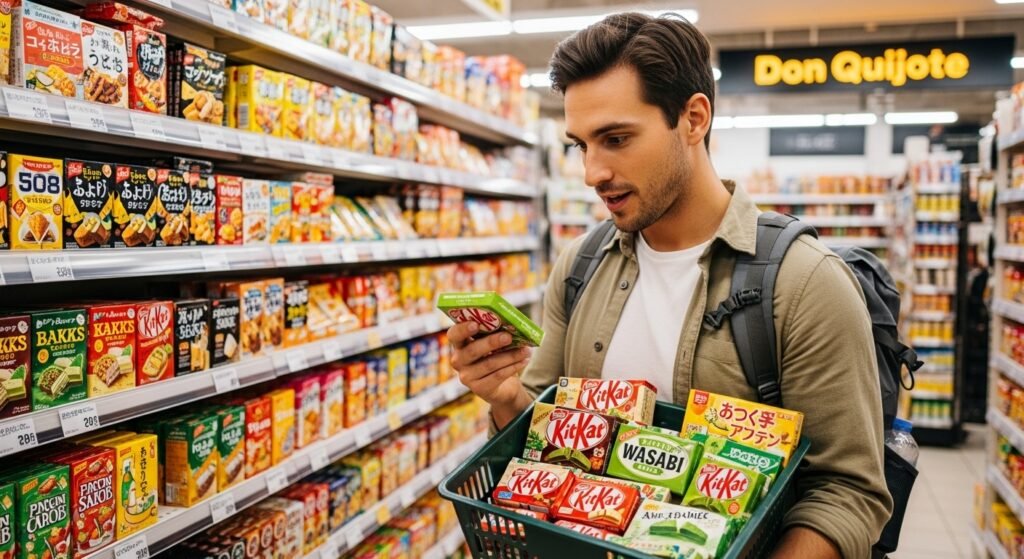
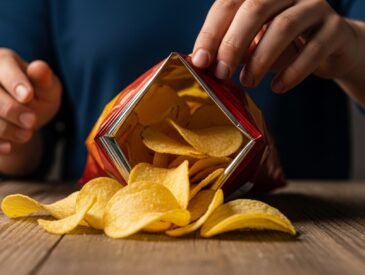
Travelers now seek real food souvenirs instead of keychains or postcards. Tourists in Japan search for Kit-Kat flavors that represent their region such as Wasabi and Sake. People who make “supermarket hauls” choose to shop at supermarkets which cost less than gift shops while delivering special experiences for telling their friends about their shopping trip.
Visual Culture Shock
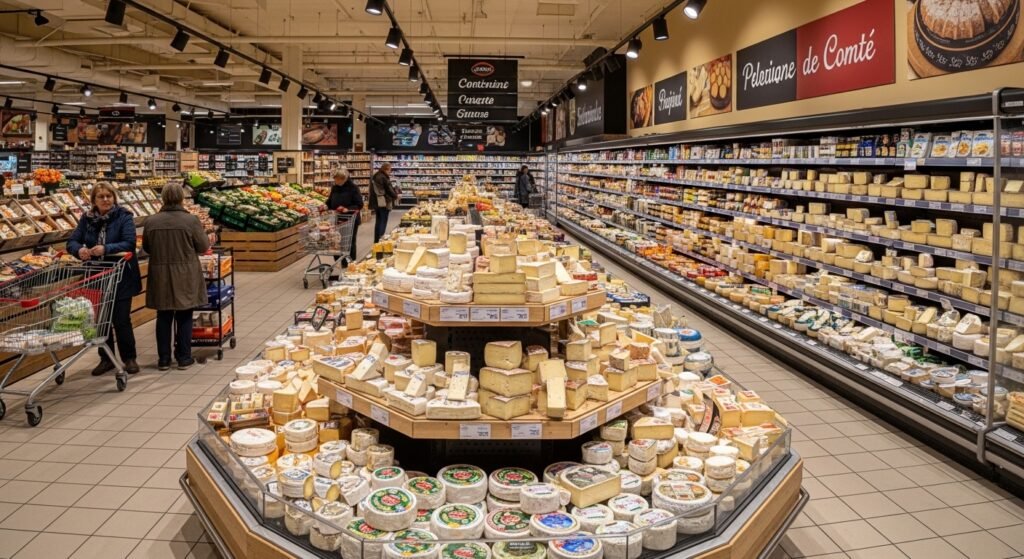
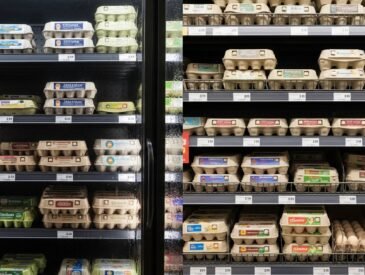
A French supermarket displays a whole aisle filled with various cheese types which shows customers the main food priorities of France. Tourists enjoy the visual “world-building” experience which shows them how different cultures organize their daily activities through their packaging and product space arrangement.
The “Local Price” Reality Check
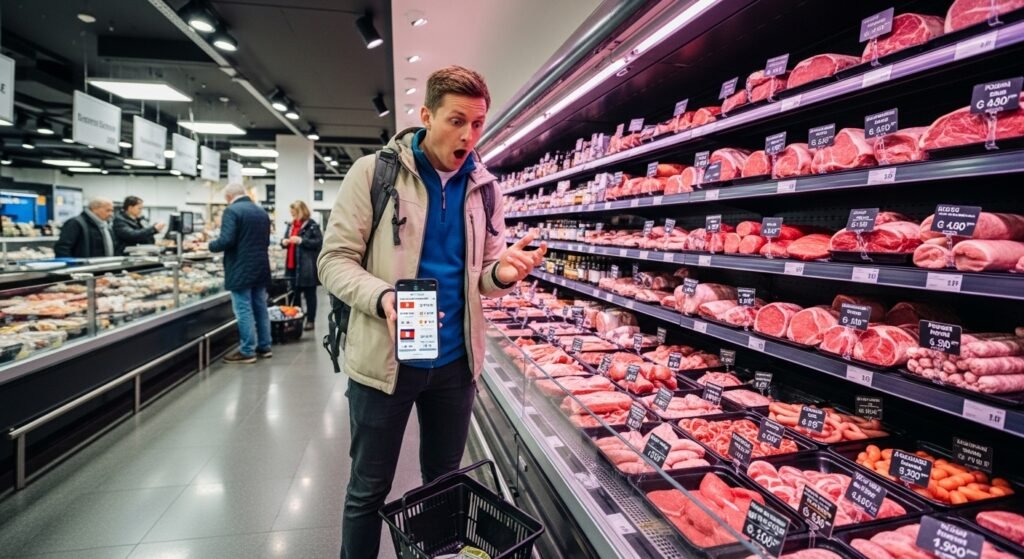
Supermarkets display the authentic prices which people pay for everyday items in their area. The meat prices in Switzerland will shock travelers while Italians can purchase top-quality wine at the same cost as water. The local economy can be understood through this practical method.
Discovering “Alien” Produce
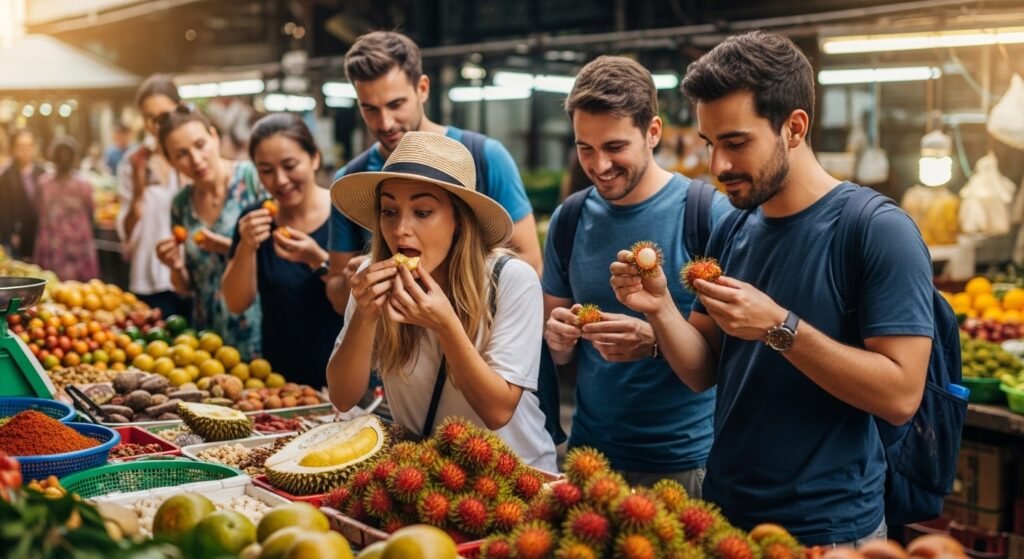
Tourists in Southeast Asian markets taste the exotic fruits of Durian and Rambutan for their first time. The “Shelf Discovery” trend inspires people to purchase one unknown product which they will taste in their hotel room resulting in an exciting snack experience.
The Aesthetic of Foreign Packaging
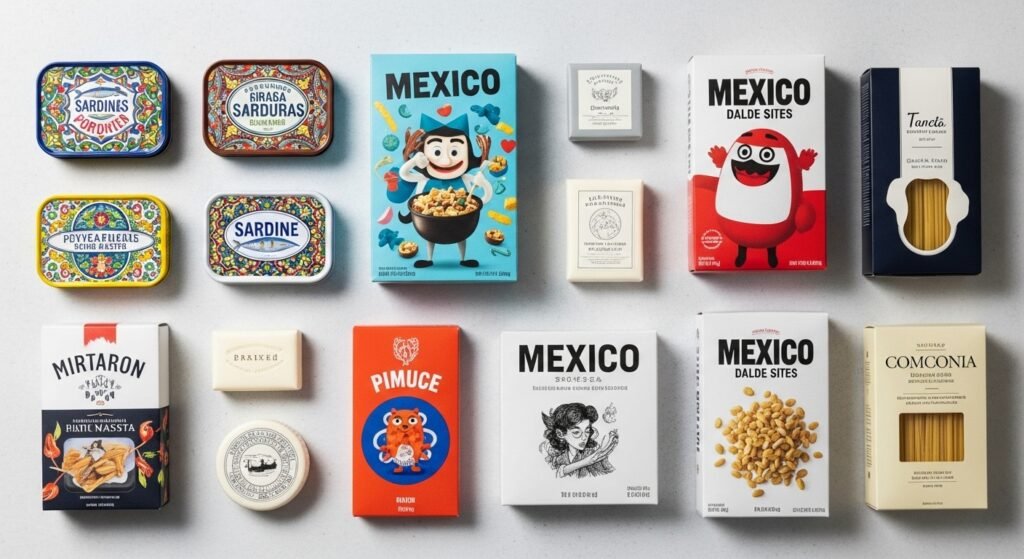
Travelers who care about design spend their time studying how foreign brands use distinct typography and color schemes. The Portuguese tin of sardines and the Mexican cereal box become social media and kitchen display items which make any space look fashionable.
Observing Local Etiquette
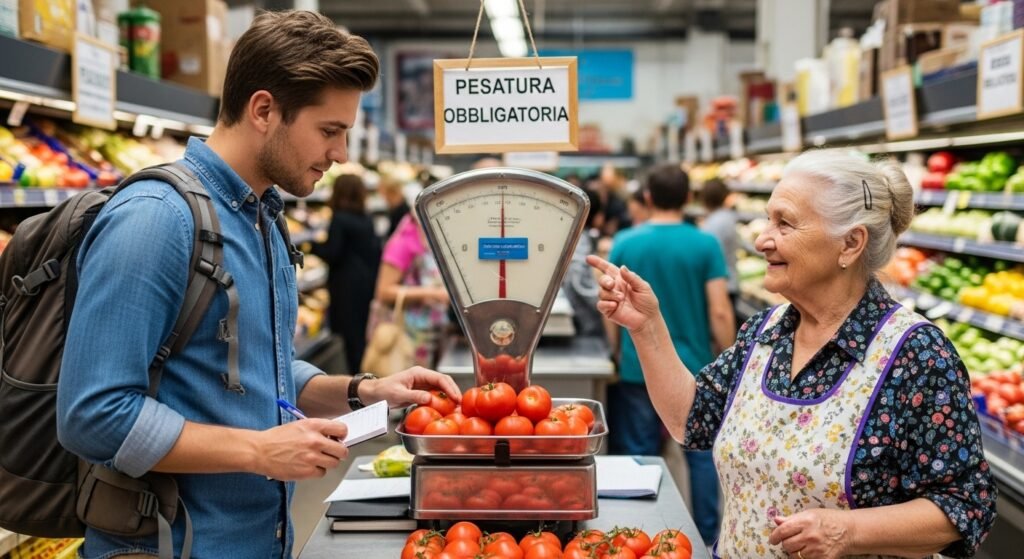
Grocery stores function as active education spaces that teach people about community values. Tourists use grocery stores to see real local customs which include learning how to weigh vegetables in Italy and experiencing South Korea’s grocery checkout line which emphasizes extreme politeness.
The Rise of Grocery Store “Cafes”
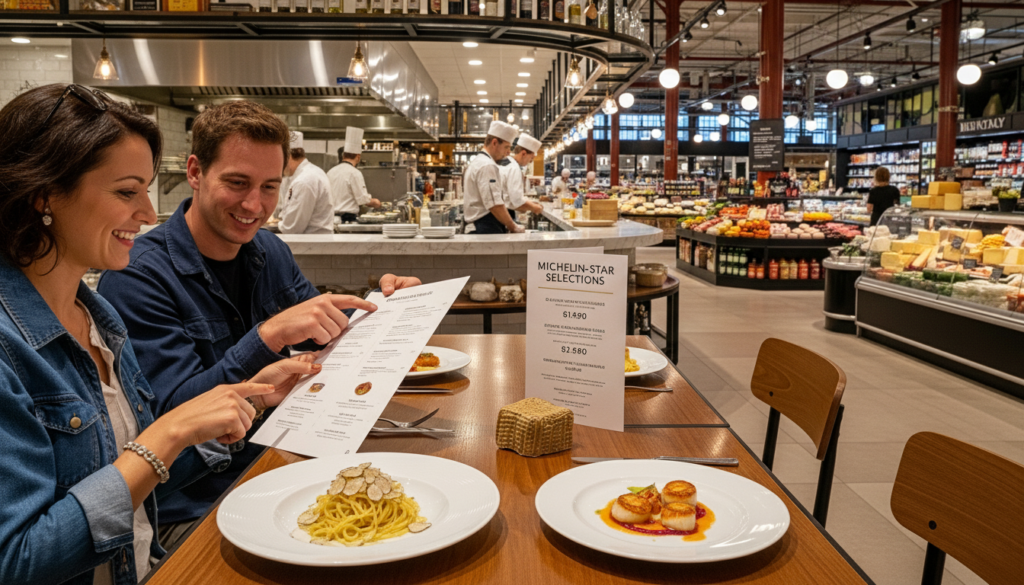
Modern supermarkets now include premium dining spaces which serve high-end food. Tourists who visit Eataly and other upscale markets in London can choose between two Michelin-star dishes which cost less than full restaurant meals.
The “Grocery Run” ASMR and Vlogging
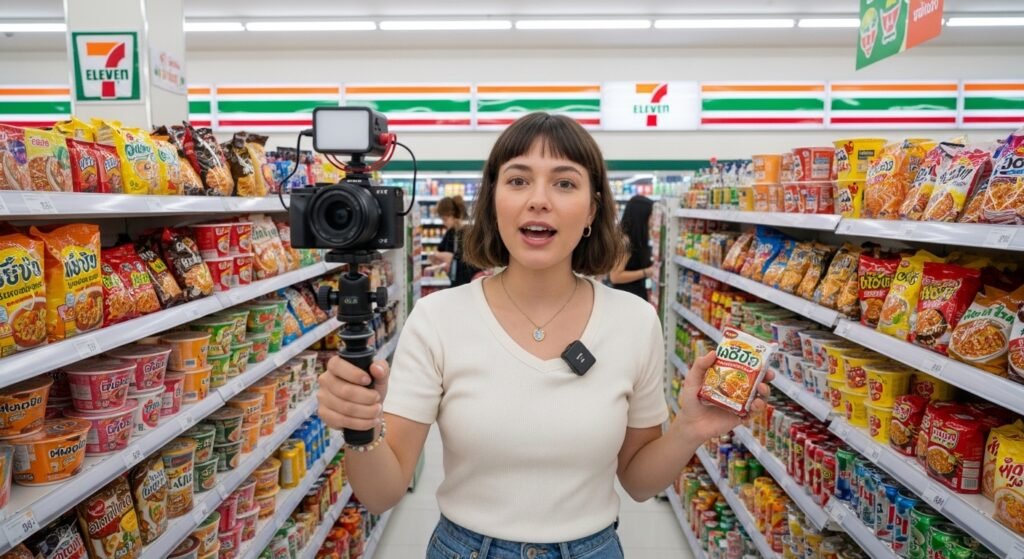
Content creators have developed “supermarket tours” into a popular video genre. The act of watching someone shop through a 7-Eleven in Thailand or a Walmart in the USA has developed into a modern form of digital travel which encourages people to shop at those locations.
Accessible Language Learning
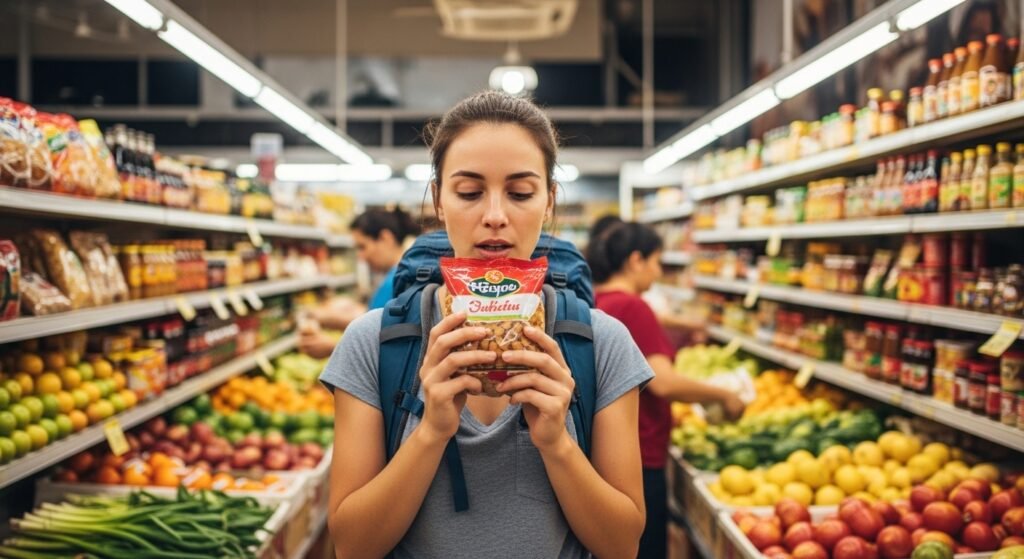
A grocery store provides an informal atmosphere where people can practice their new language skills and tourists develop essential dialogue skills from practice when they read product labels for “Milk” and “Bread” and the phrase “Thank you” during their interactions with native speakers in local areas.
The Nostalgia of the Familiar
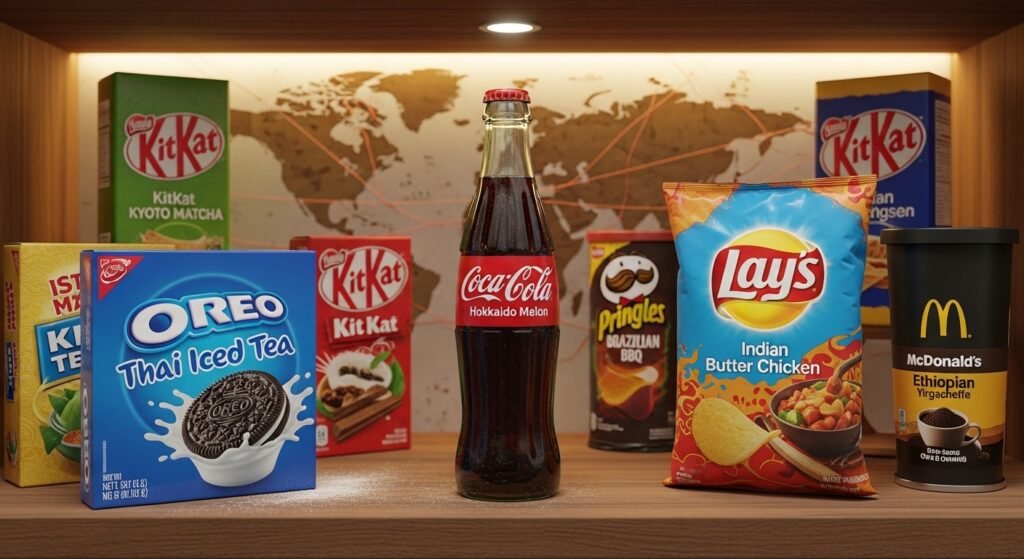
People feel comfort from viewing worldwide brands such as Coca-Cola and Oreos which show slight local changes. The world connects through its diverse flavor profiles which create major differences in how things taste (for example Cucumber-flavored Sprite).