 Isabella Miller
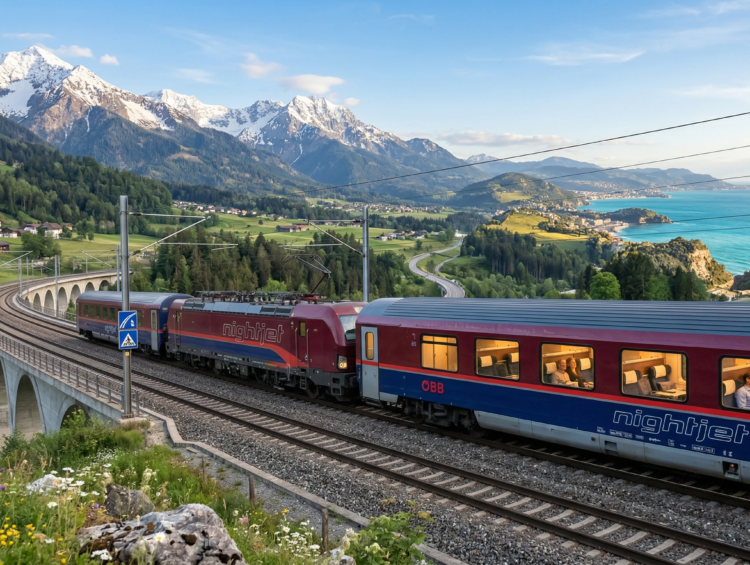
 European train travel is experiencing a rail renaissance because travelers choose high-speed trains over the stressful airport security process. The combination of new nightjet sleepers and high-speed tracks allows travelers to complete 10 famous routes faster than they would reach remote airports. The routes from the Alpine mountains to the Mediterranean coast show that travelers should choose train travel over flights because the train journeys offer better views than the clouds visible from airplane windows.
Paris to Barcelona (The Coastal Sprint)
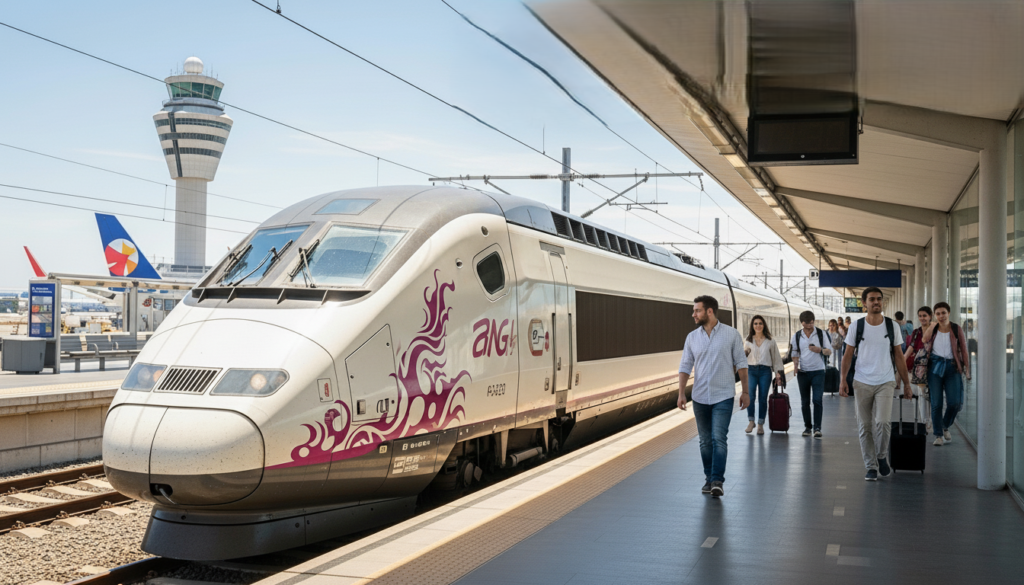
The distance from central Paris to central Barcelona can be covered in six and a half hours. The TGV train connects to BCN airport through its complete flamenco route, which skips the two-hour airport waiting time and the extended taxi rides at both airports.
London to Amsterdam (The City Center Shortcut)

Eurostar operates train service between St. Pancras and Amsterdam Centraal, which reaches its destination within a four-hour time frame. You can save an hour of sightseeing time because your city center arrival from Schiphol Airport lets you skip both the costly train ride and the extended travel time.
Munich to Venice (The Alpine Express)

The world’s most beautiful mountain landscape can be experienced through the Brenner Pass route. The Santa Lucia station is the direct destination of the train, which brings you to the station from which you can leave the platform to catch a vaporetto boat.
Rome to Milan (The Frecciarossa Bullet)
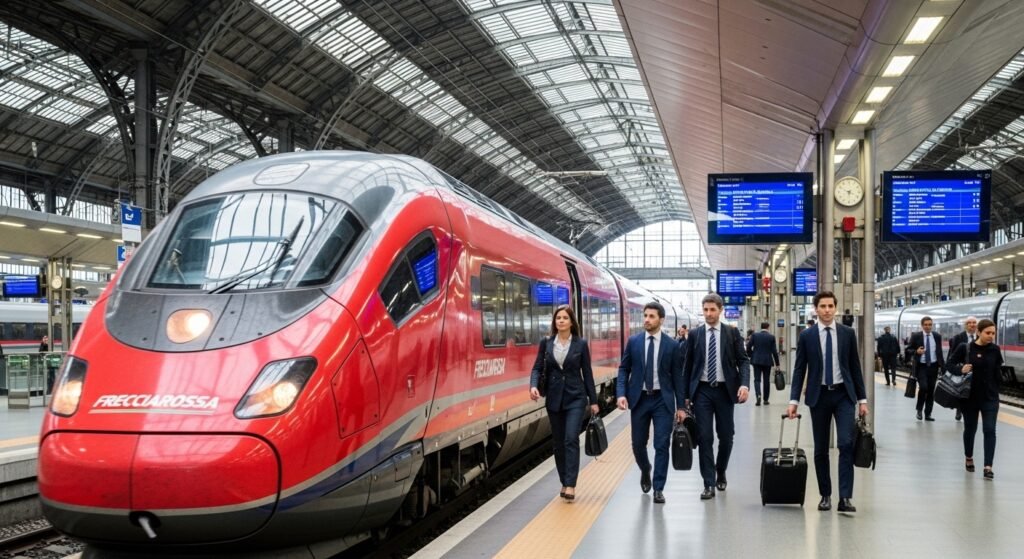
The Italian Red Arrow train travels at 300km/h to connect the two cities within three hours and Alitalia, the national airline- has lost its ability to compete with the train system because the train provided superior service through its high operational frequency and precise timing.
Madrid to Seville (The Olive Grove Run)
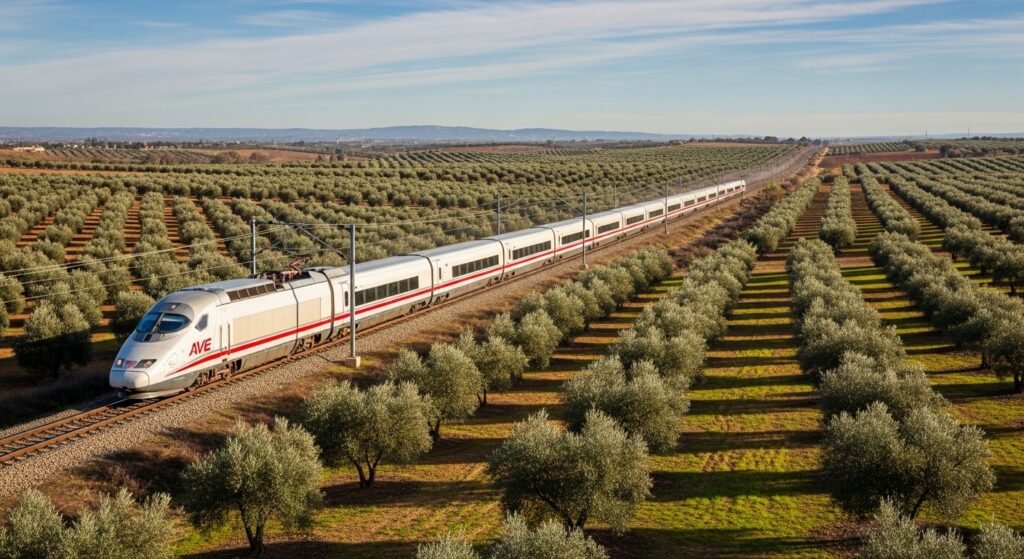
The AVE train service in Spain became the first railway system to establish that trains could travel faster than plane flights. You can travel from your starting point to the Seville city center after two and a half hours of taking the train from the southernmost point back to the southernmost point.
Berlin to Vienna (The Nightjet Sleeper)
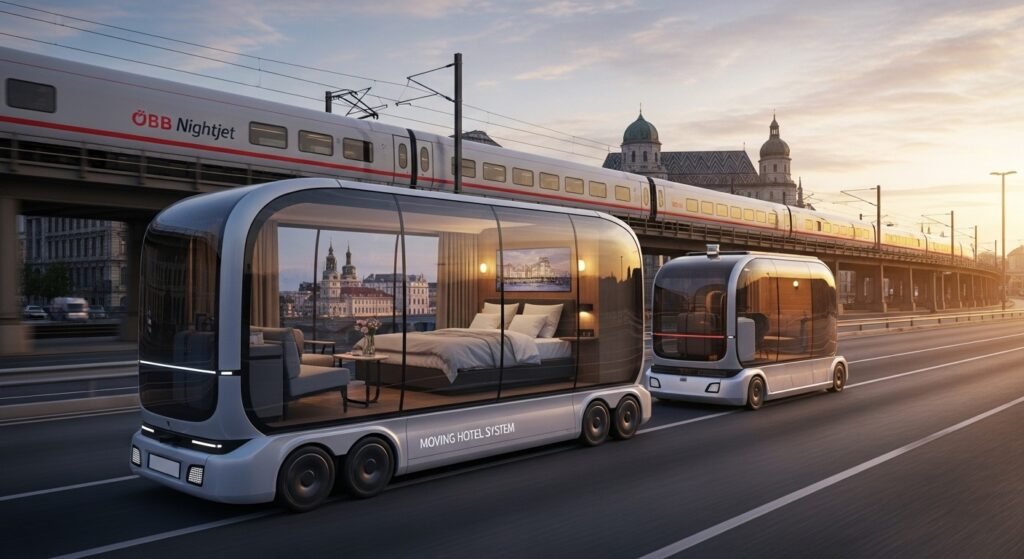
You can travel from Berlin to Vienna on the sleeper train instead of spending an entire day at the airport and the moving hotel system provides transportation for guests who want to stay in a hotel room throughout their journey to their destination.
Zurich to Hamburg (The North-South Connection)
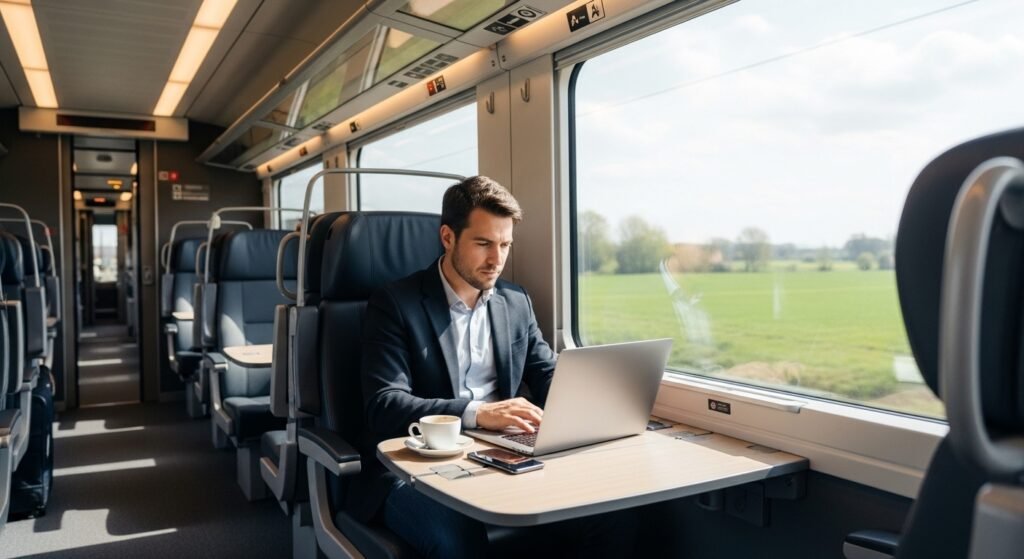
The main route crosses through Germany’s central area. Business travelers can use the train to work for an entire day because they will benefit from the combination of two features beyond the airplane service, which provides endless legroom with high-speed Wi-Fi access, and the airplane service restriction, which prevents users from using their devices during takeoff and landing.
Brussels to London (The Business Favorite)
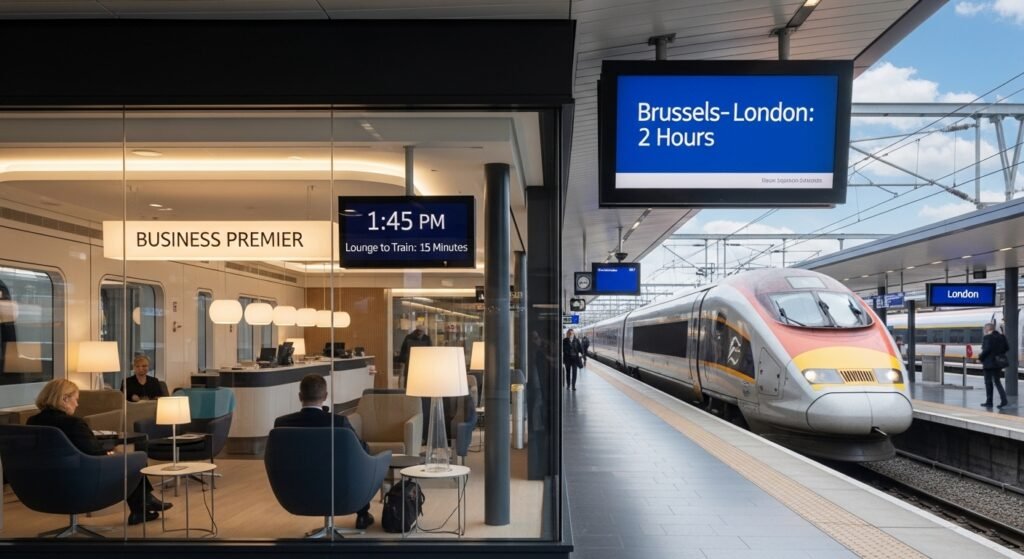
The train service provides a direct connection between Brussels and London which requires only two hours of travel. The system achieves maximum speed through its Business Premier lounge, which requires less time to use than an airport terminal.
Prague to Berlin (The Elbe Valley Route)
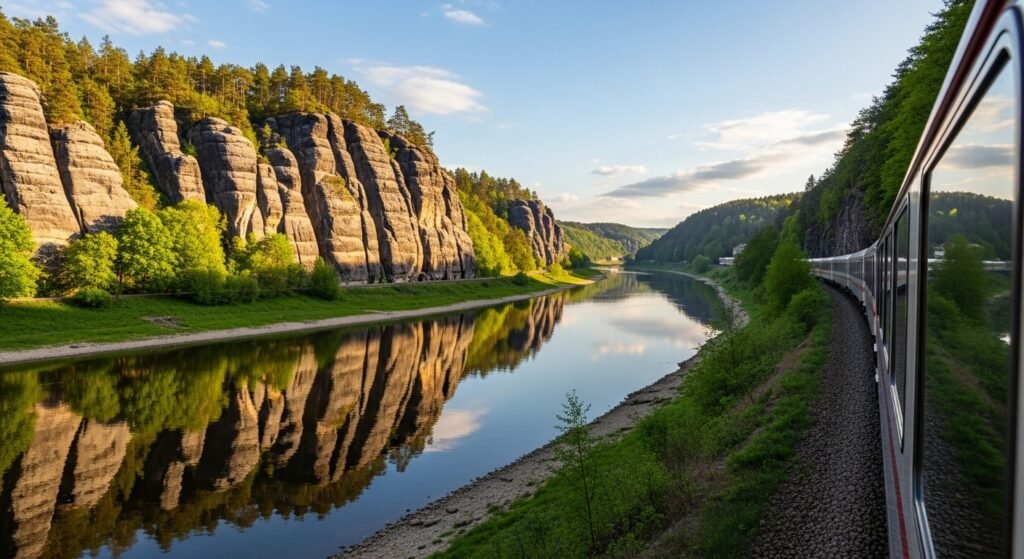
The train travels along the Elbe River for approximately four hours until it reaches its destination and the security lines at Brandenburg Airport create chaos, but the experience in this space provides far more relaxation. The sandstone mountains reveal their beauty through the sight in “Saxon Switzerland”.
Paris to Milan (The Art Pass)
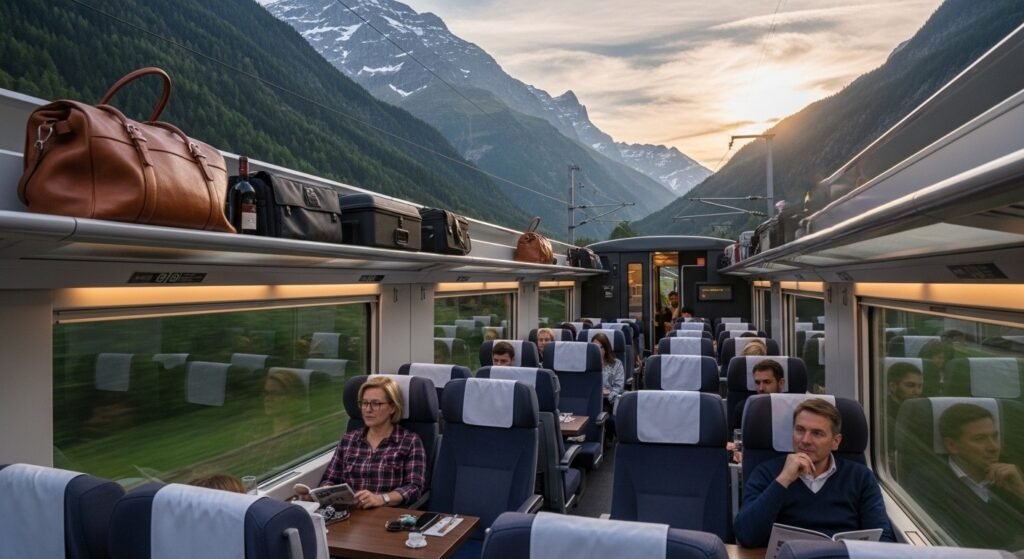
The French and Italian Alps serve as scenic passageways between Paris and Milan throughout a travel period of seven hours. The fashion capitals of the world establish baggage restrictions, which enable passengers to return to their home country with all their Italian leather products and French wine.