 Isabella Miller
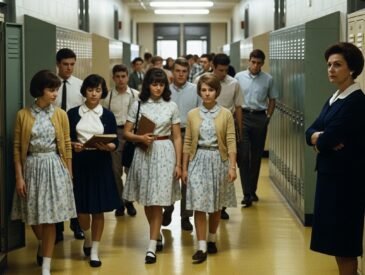
 In 2026 the generational divide now extends beyond music and fashion into a fundamental disagreement about how people should respond to ongoing changes in society. The Baby Boomers maintain their established method which combines institutional trust with their need for secure environments while Generation Z operates in their contemporary digital space which renders traditional methods ineffective.
The “Walk-In” Job Hunt

Boomers often suggest that people should deliver their resumes directly to managers through face-to-face meetings. Gen Z understands that security will prevent entry into restricted areas because 99% of job openings can be accessed through LinkedIn and AI filters which handle 99% of hiring processes.
Home Ownership vs. Subscription Living

The Boomer logic of “buying young” worked when houses cost three times an annual salary. Young adults from Generation Z live in an environment where they must spend ten times their income which leads them to choose a “rent-everything” method that focuses on short-term mobility instead of selecting a 30-year mortgage.
Loyalty to the Company

Previous generations worked at one company for forty years to secure their pension benefits. Gen Z people chose to practice “job hopping” because they learned that the best way to get a salary boost during inflation is to change jobs every two years.
The Four-Year Degree Requirement

Boomers view a university degree as the only path to success. Generation Z people now choose trade schools and micro-certifications and self-study coding instead of getting a general degree which costs $100,000 because they recognize that specialized skills bring better financial returns.
Retirement as a Finish Line

Gen Z believes working until age 65 to begin living your life is a bet that can end in failure. The people use their time to travel and take “mini-retirements” because they believe environmental and economic shifts will prevent them from having their normal retirement period.
Formal vs. Authentic Communication

Boomers need professional “armor” which consists of suits and formal emails. The Generation Z people prefer to use emojis and casual workplace language for building human connections while establishing their authenticity through radical behavior.
Privacy in the Digital Age
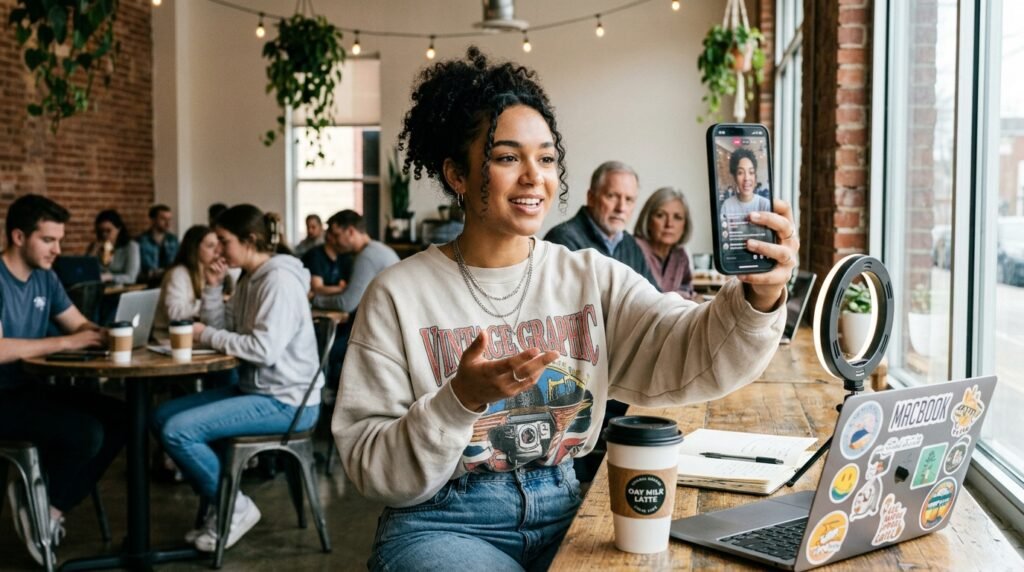
Boomers avoid sharing anything online while Gen Z people who grew up as “digital natives” have become accustomed to permanent online presence. They use their personal data as currency to establish their online personal brands on social media which leads to new career opportunities that did not exist thirty years ago.
The Concept of “Hard Work”

Boomers believe that productivity equals the time spent working at the office. The Generation Z people focus on “output” because they can complete their work in half the usual time through their use of automation and AI technology thus they need additional time for personal health restoration.
Investing in the Unknown

Boomers believe that gold and blue-chip stocks represent secure investments. Generation Z people want to invest in high-risk “alternative assets” which include crypto and fractional art ownership because they anticipate rapid market growth when traditional savings accounts provide minimal interest.
The Purpose of a Job

For older generations a job existed to provide them with a salary. Generation Z insists their job should comply with their personal ethical standards. When companies demonstrate their lack of regard for environmental and social employee values workers will leave through either quitting or “quiet quitting.”
Mental Health Visibility

The Boomers generation learned to “tough it out” while safeguarding their difficulties from others. The Generation Z people have made it acceptable to talk about therapy and burnout thus they see mental health maintenance as essential to living a normal life.