 Sophia Davis
 The concept of living in an airport stems from specific gaps in international transit laws and local vagrancy ordinances. Some people can survive these conditions for several months or even multiple years despite their non-permanent existence. The mechanism of these loopholes shows how transient travelers become permanent residents.
The Transit Zone Sanctuary
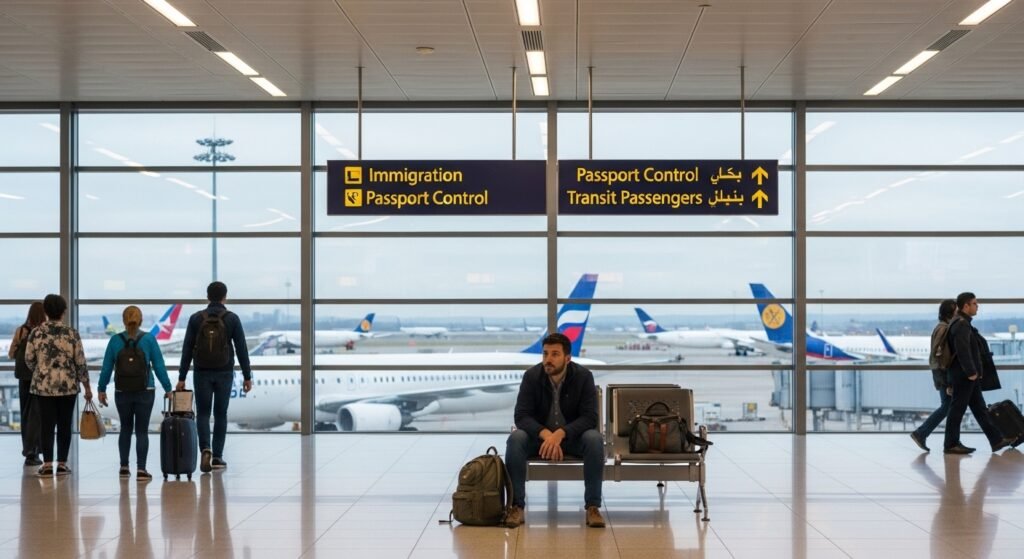
International transit areas exist in a legal gray zone where you have technically not entered a country. Security personnel lack the authority to remove you from the area according to police regulations until they receive a deportation order. The system permits individuals with uncertain citizenship status or incomplete documentation to remain in the country without time constraints.
Multiple Terminal Rotation
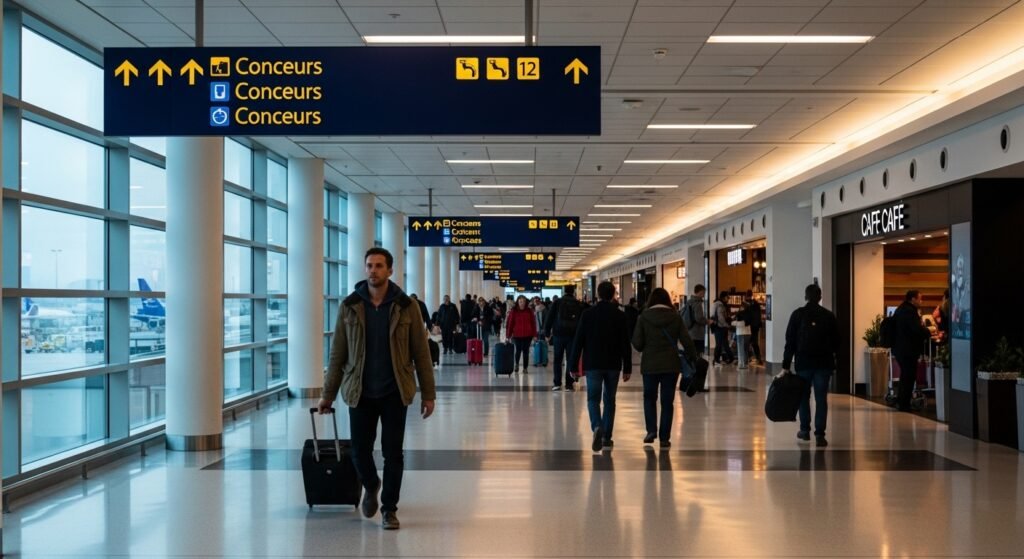
International airports operate multiple terminals which connect through airside shuttles and pedestrian walkways. A person can remain undetected by security and cleaning workers through his zone changes which occur every few days. The continuous movement of the person prevents authorities from detecting his habitual residence in the area.
24-Hour Operation Necessity
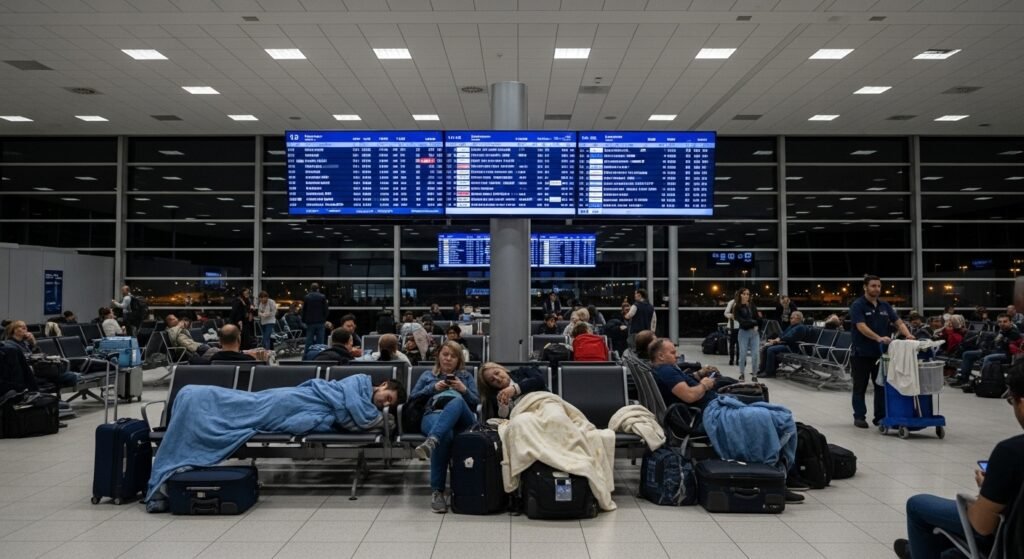
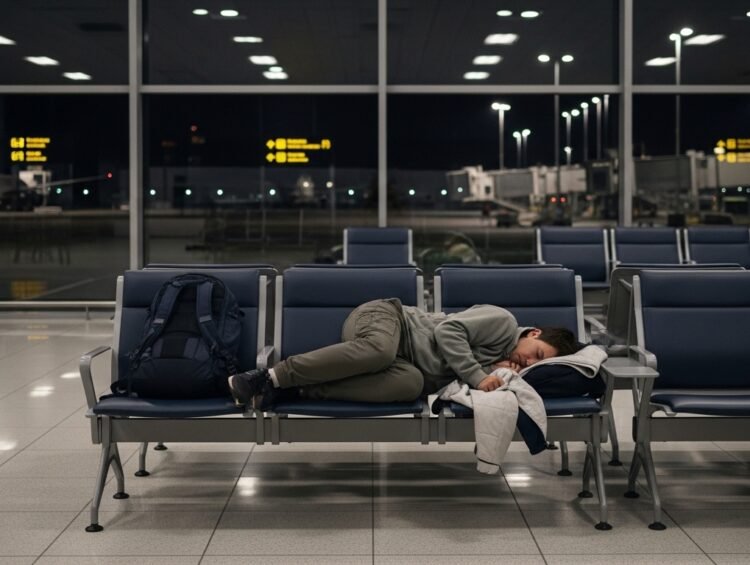
The majority of major airports maintain continuous operation which prevents them from designating any specific time as a guest departure deadline. The airport environment does not cause a situation where travelers would sleep in chairs because they look like typical passengers who are waiting for their flight. The constant stream of exhausted travelers creates the ideal situation for anyone trying to remain unnoticed in public spaces.
Access to Basic Utilities
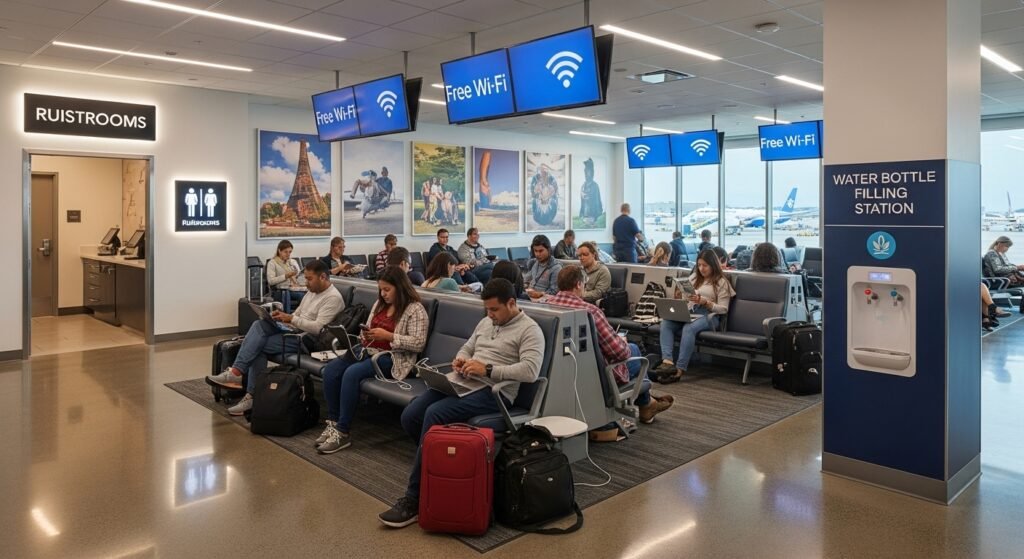
Airports allow free usage of restrooms and provide high-speed internet access and electricity outlets for device charging. Some terminals even offer quiet “rest zones” or prayer rooms that are ideal for sleeping without interruption. The built-in amenities provide all basic living requirements for residents at zero expense.
The Sanitary Disguise
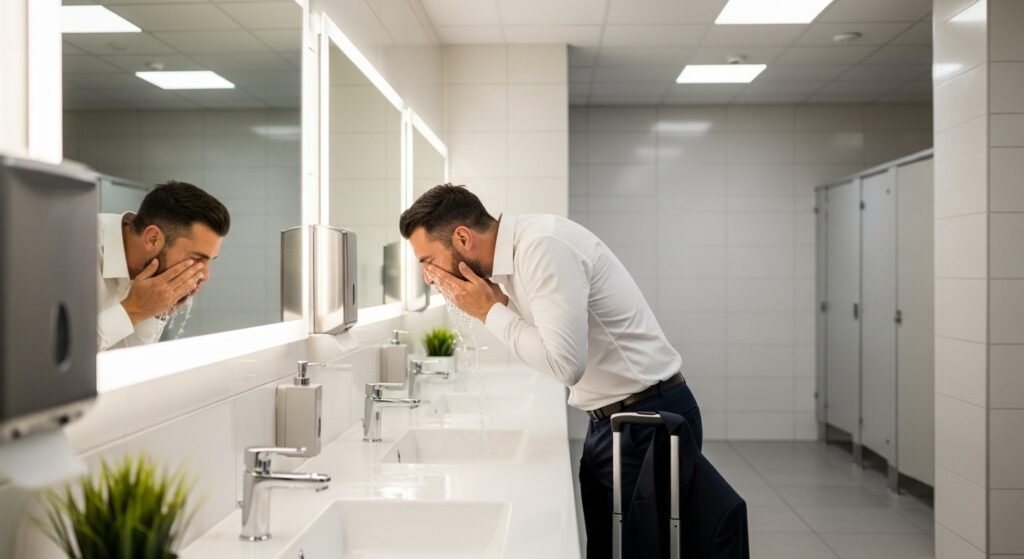
To stay in an airport environment, a person must maintain proper hygiene standards which prevent him from being mistaken for an entire vagrant. A person can maintain the appearance of a business traveler through gym facilities, premium lounge access, and sinks found in quiet restrooms. The quickest method to receive questioning occurs when someone appears “out of place.”
Lounges and Memberships
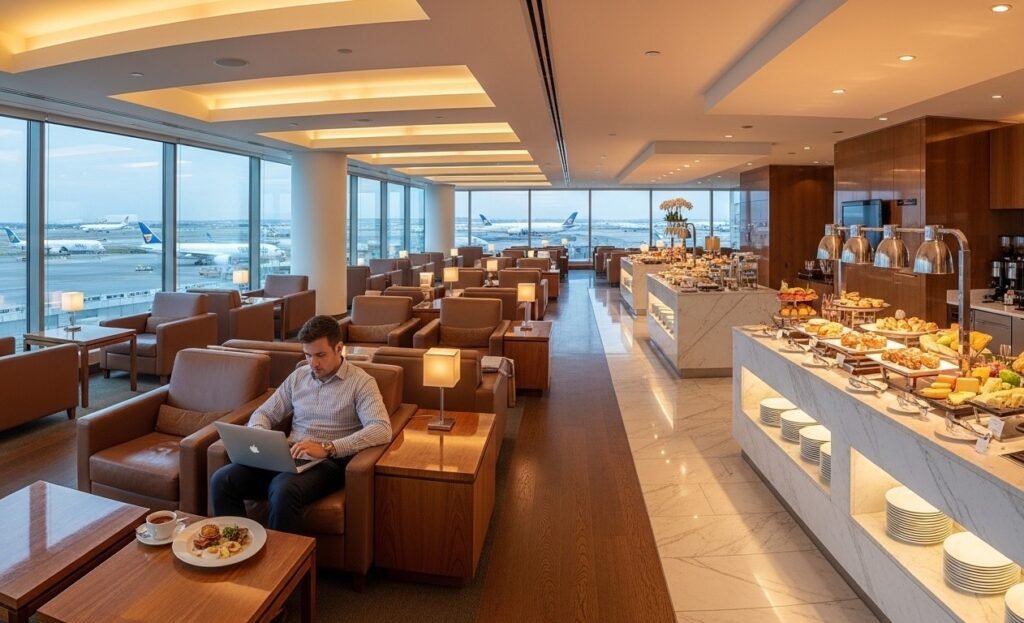
Private lounges that serve complimentary food and bathing facilities become accessible through frequent flyer programs and credit card membership. The spaces provide visitors with an environment that offers both privacy and comfort, which keeps them away from the congested public gate areas. A resident can obtain both daily meals and security for their residence through a small annual payment.
Undocumented Refugee Status
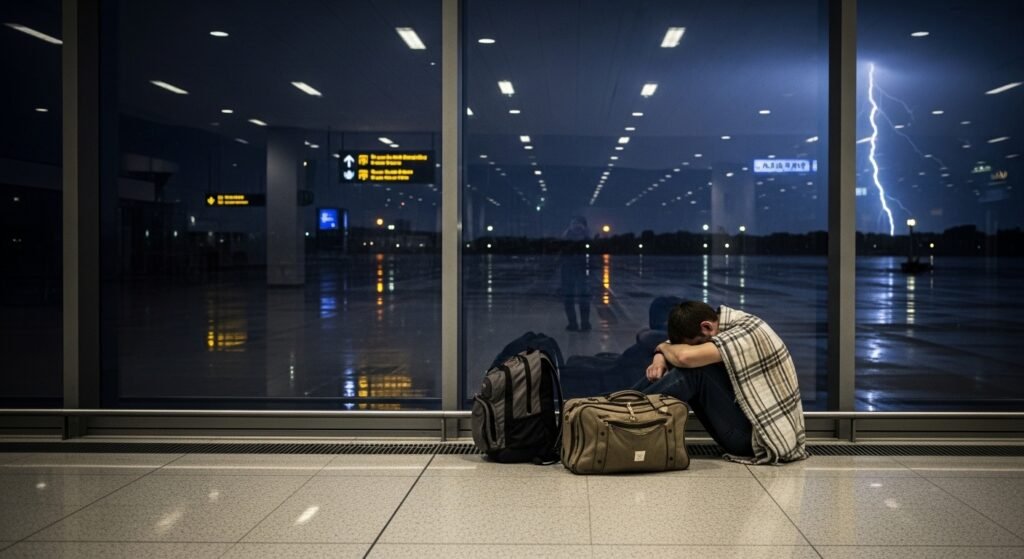
In extreme cases, people without passports cannot be legally forced onto a plane or into the host country. The airport operates as a permanent “no-man’s land” because the home nation refuses to accept the return of its citizens. The airport must provide basic shelter because of the legal requirement that exists.
Quiet Gate Camping
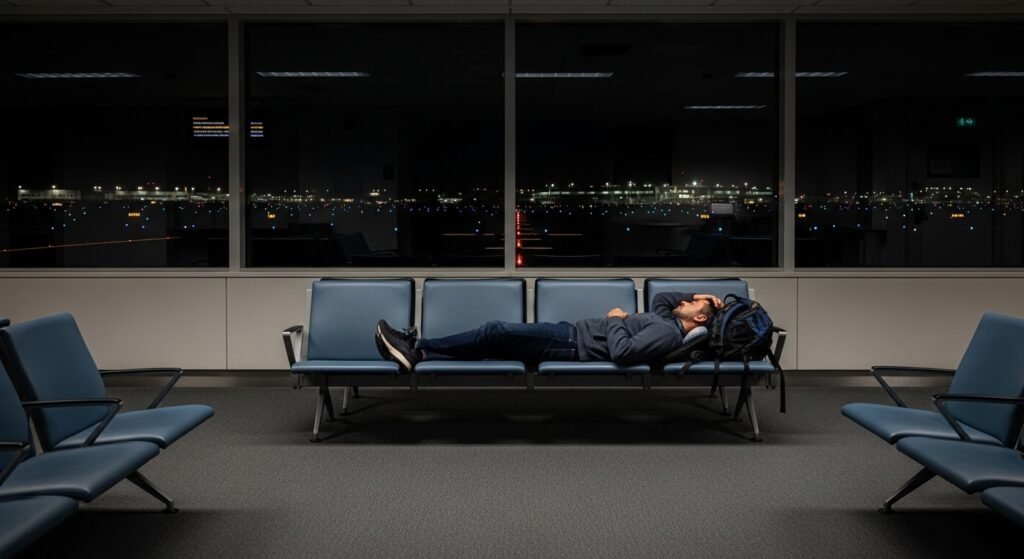
Successful residents identify gates that are only used for specific seasonal flights or during daytime hours. Sleeping at a dead gate at night minimizes the risk of being disturbed by boarding passengers or airline staff. The terminal has isolated areas which function as temporary “bedrooms” for use during non-peak times.
Work-Around for ID Checks
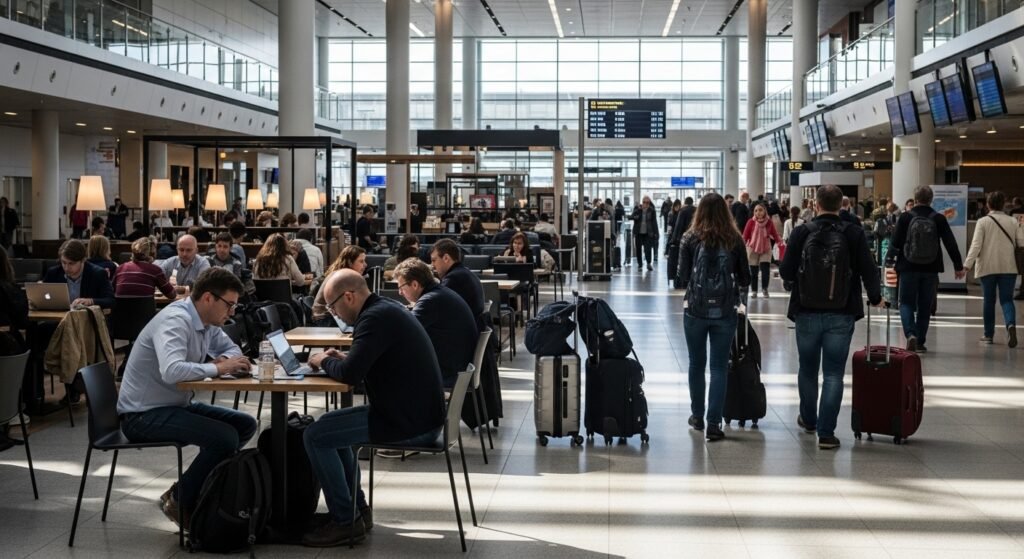
Security personnel examine identification documents at both airside gate entries and the boarding area. Document checks become unnecessary for a person who remains inside the “landside” section of the public area. The majority of airports provide dining areas and seating spaces that exist outside security processing where people can stay without interruption.
The Burden of Proof
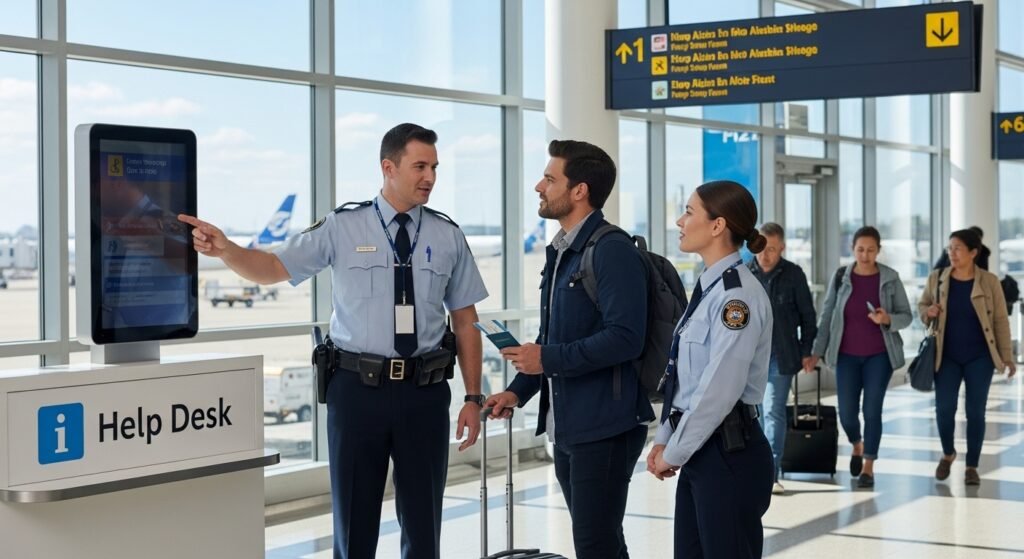
The airport has difficulty proving permanent residency status for someone who claims to be a stranded traveler. The airport management team anticipates the time-consuming legal process which leads to eviction. The bureaucratic system establishes a time period which can extend for several months.