 Isabella Miller
 The most dependable witness in forensic science investigations is the natural world according to scientists who study this field. The silent growth patterns of trees and plants in forested crime scenes work like invisible cameras by recording evidence through their growth rings and root systems. Through the study of forensic botany investigators can uncover long hidden mysteries because the forest maintains permanent memory of all human activities.
The Case of the Pine Needle
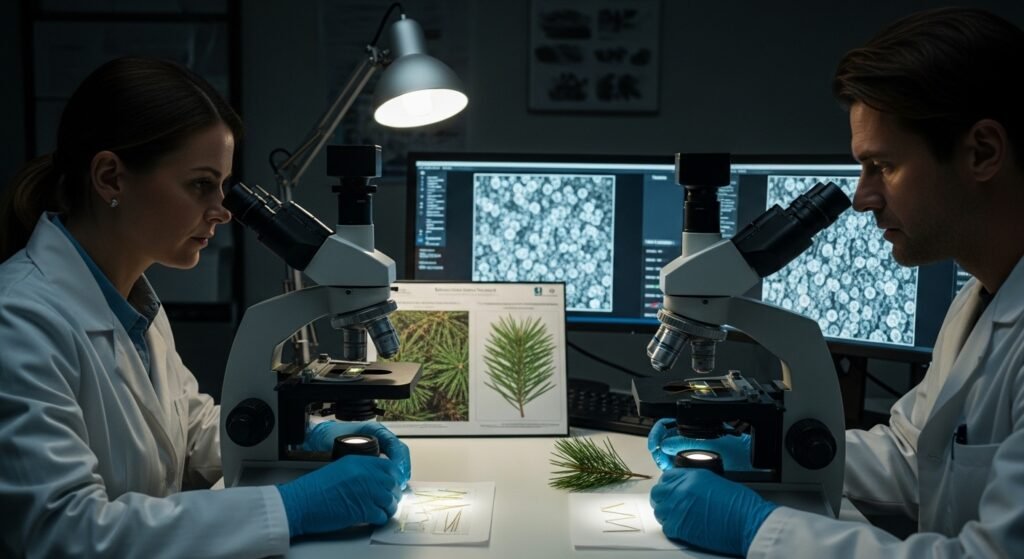
The investigation of a 1960s abduction case used rare pine needles which were discovered inside a suspect’s vehicle to confirm they came from a particular tree grove. The botanists established that the tree species existed only within a limited region which linked the suspect to the crime scene and led to his conviction.
Tree Rings as Timekeepers

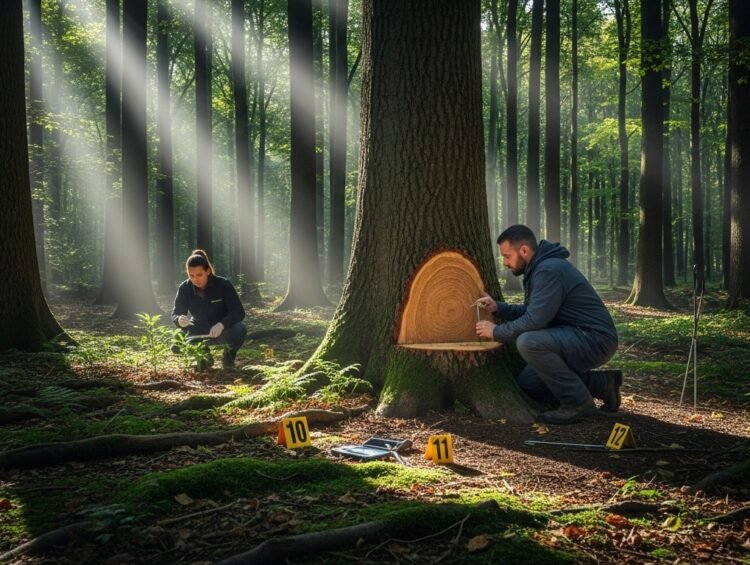
Trees produce one annual growth ring which varies in width according to climatic conditions. Dendrochronologists study tree rings from specimens which suffered criminal damage to determine the exact year and seasonal time frame of events that occurred 40 years earlier.
Root Growth Over Evidence
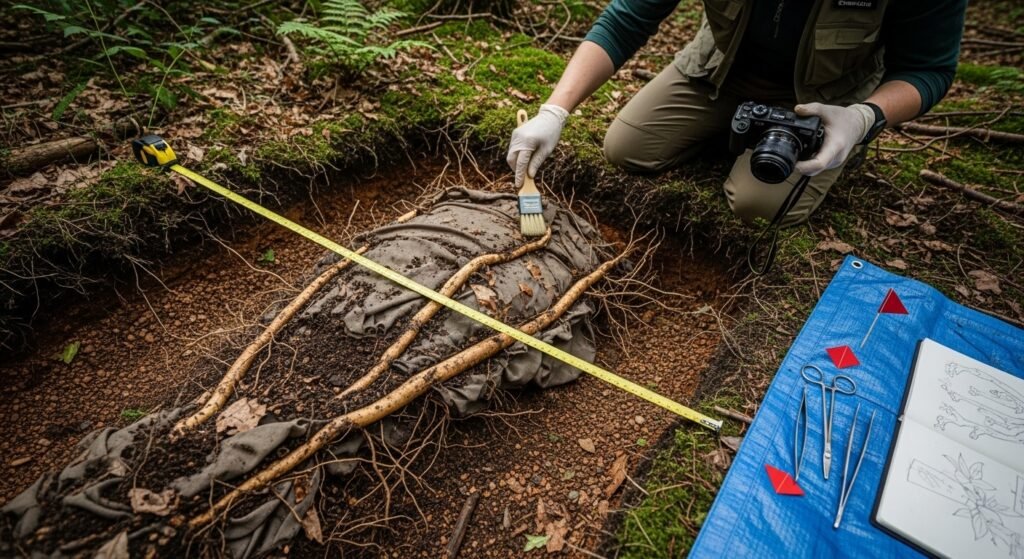
The process of body burial usually leads to disruption of nearby plant root systems. Forensic botanists use their techniques to calculate the age and length of new roots which develop through both clothing and human remains. The experts proved that a body had been buried two years before DNA evidence of the murder case led to a cold case conviction in 1996.
The “Nitrogen Surge” Effect
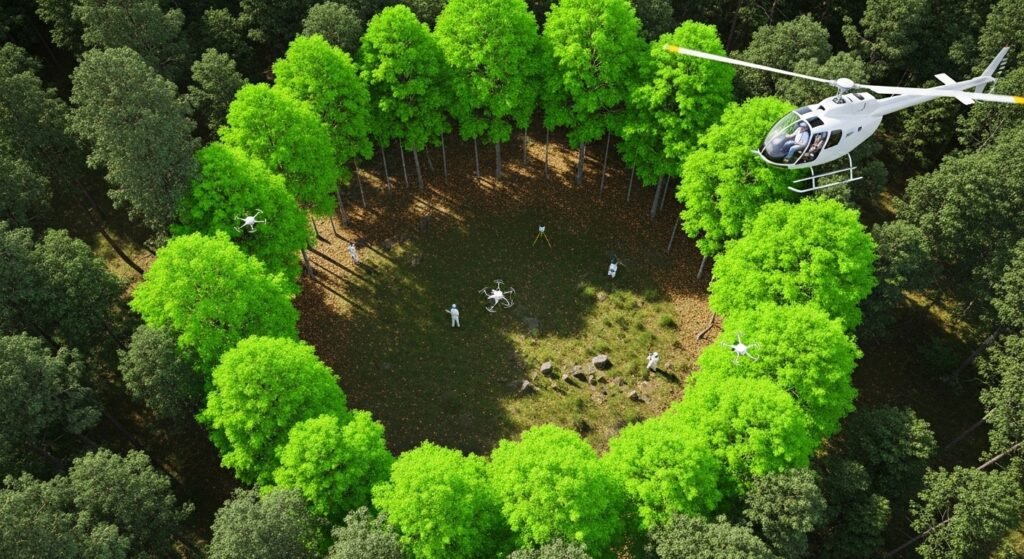
The process of body decomposition leads to plant growth because nearby plants experience a “necrobiome” spike which increases nitrogen levels in the soil. The trees that grow near the decomposition site develop faster and their color changes make the area visible as a “hot spot” which investigators can observe from aircraft many years later.
The 40-Year Post Mystery
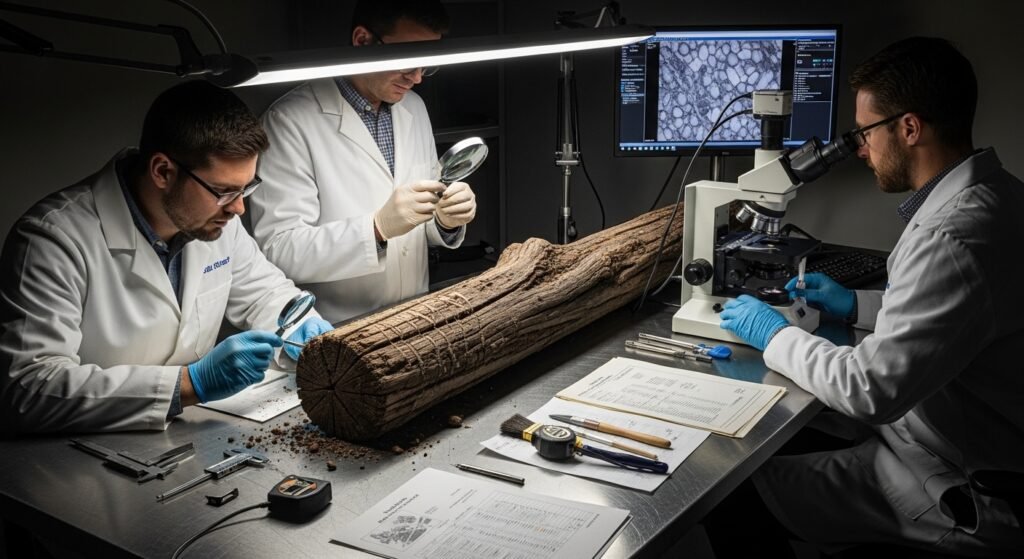
Research showed that black locust wood posts maintained their original state after remaining underground for four decades. Wooden evidence from the mid-1980s still contains DNA and tool marks which remain in their original condition since the day they were buried.
DNA from a Single Leaf
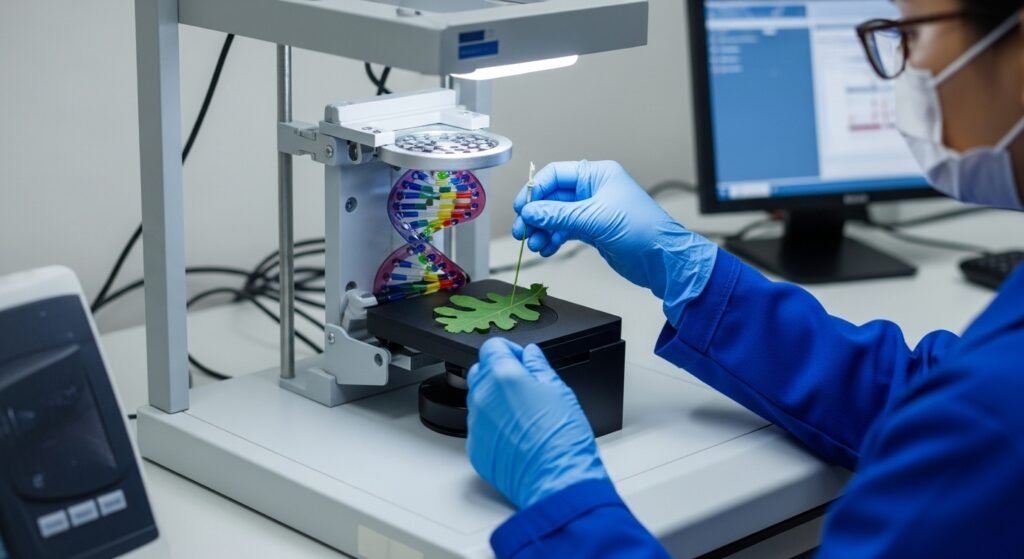
Every tree species possesses distinct DNA markers which makes their genetic identification similar to human DNA. In California investigators matched the leaves discovered inside a suspect’s truck to a particular oak tree located at a remote burial site to prove that the truck had been parked under that exact tree.
Pollen: The Invisible Tracker

Pollen grains maintain their existence because they do not break down and each plant species possesses a distinctive pollen grain shape. A coat which is 40 years old still contains “fossilized” pollen that links a victim to a specific forest area although the forest has been cleared for building purposes.
Bending and Healing Scars
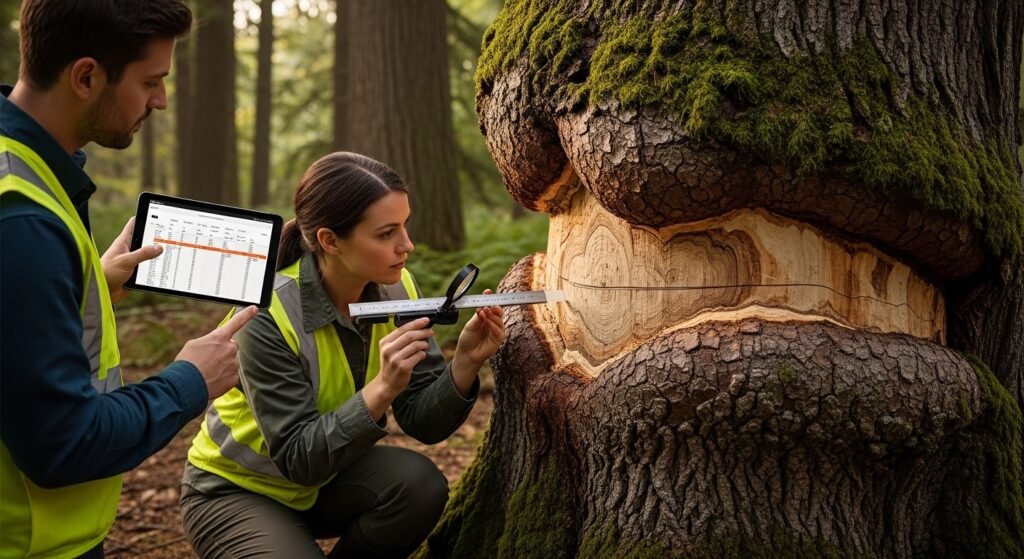
A tree develops a scar when its trunk or limb gets damaged from a vehicle collision with a tree or during a fight when a branch breaks. The scientists used bark dating to determine the exact time of trauma which helped them connect the events to the timeline of a missing person investigation.
Algae in the Lungs
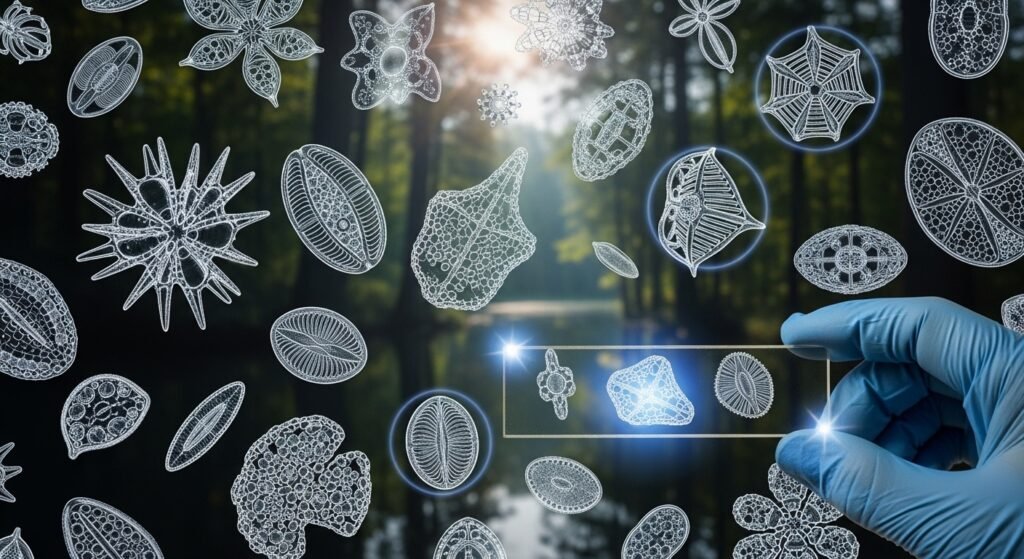
Diatoms which are microscopic algae serve as indicators for researchers to determine whether someone drowned in a particular forest lake or their body was moved there afterwards.
The “Stunted Growth” Clue
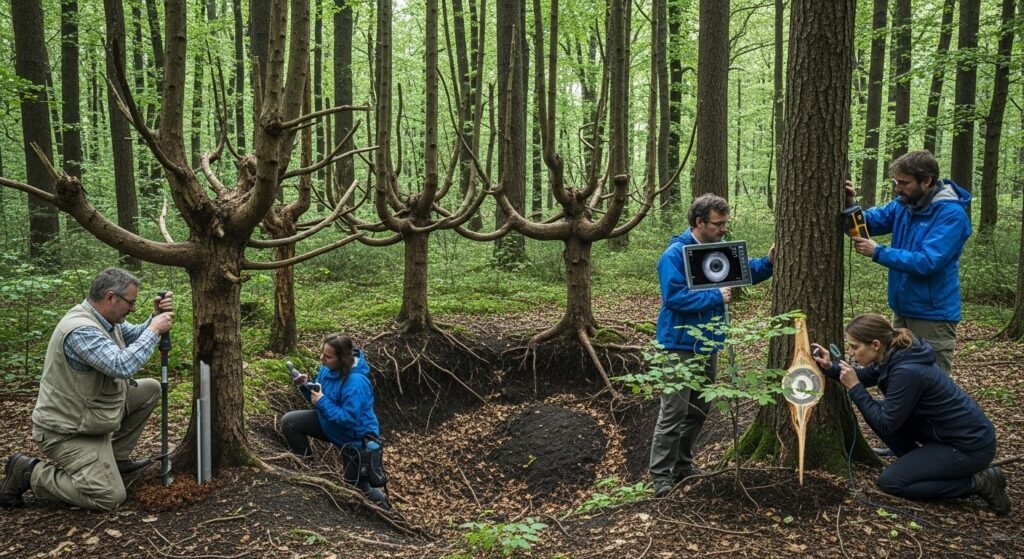
Soil compression occurs when people construct buildings or bury heavy objects which results in nearby trees experiencing growth limitations. The patterns of “unhappy” trees show botanists where to find sites which have remained undiscovered for almost 50 years.