 Sophia Davis
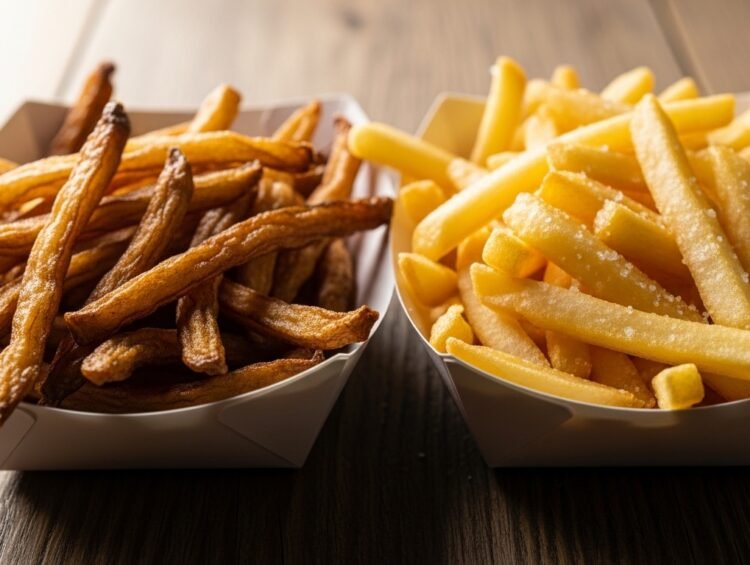
 The internet has made fast food fry stories about remaining fresh for multiple years into an enduring legend which creates concerns about the existence of concealed chemical substances. The displays create an astonishing effect but their actual reason for not decomposing results from fundamental principles of physics and food science instead of some concealed recipe for “franken-food.”
The “Mummification” Effect
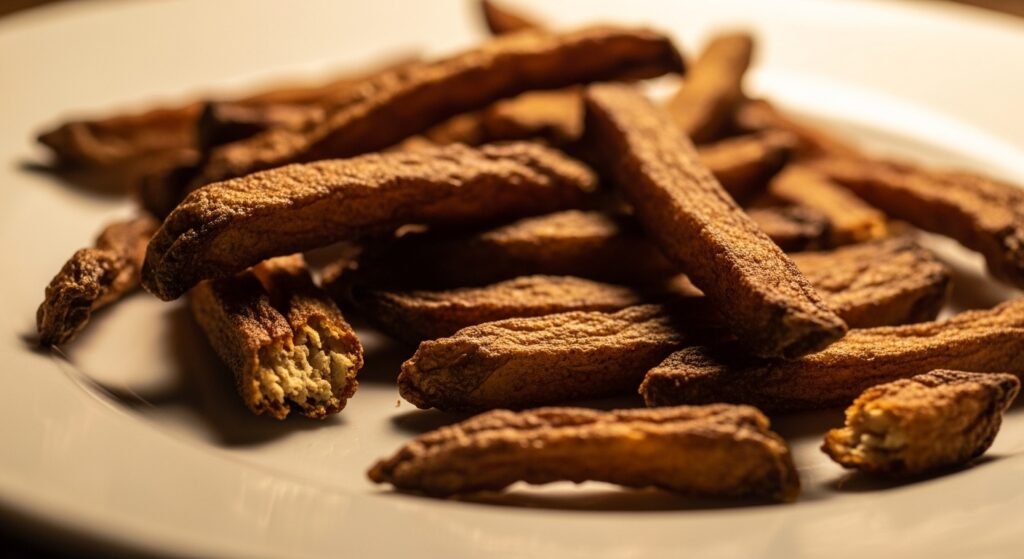
Fast food fries stay fresh because their drying process prevents bacteria from developing which mirrors the preservation method used for mummies in desert regions. The presence of moisture in the environment serves as a necessary condition for mold and rot to come into existence.
Low Moisture Levels
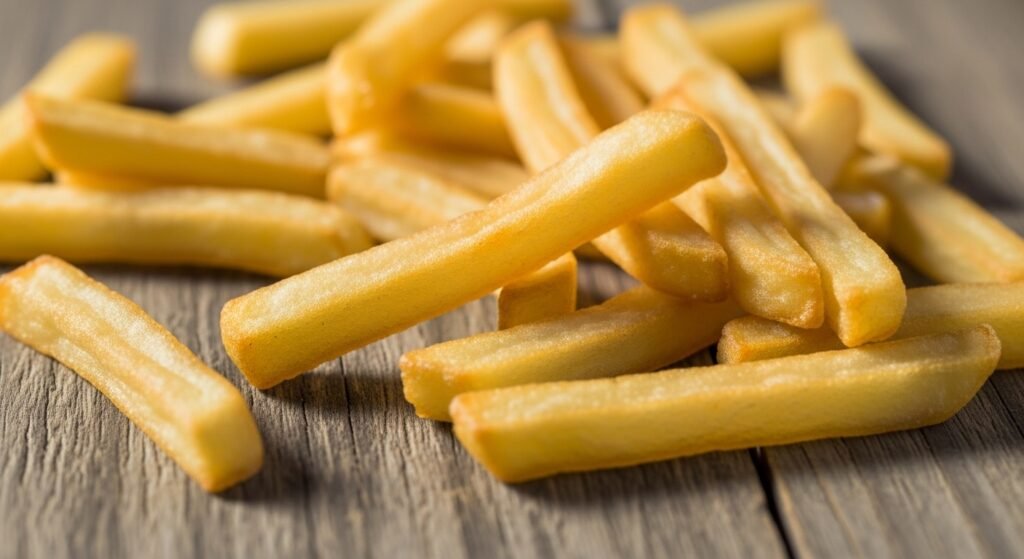
A deep-fried potato loses almost all of its natural water content when cooked at high frying temperatures. A fry becomes too dry at its counter time because its current condition prevents it from sustaining any form of life. The rot-causing microorganisms require water for their existence so they cannot thrive without it.
High Salt Concentration
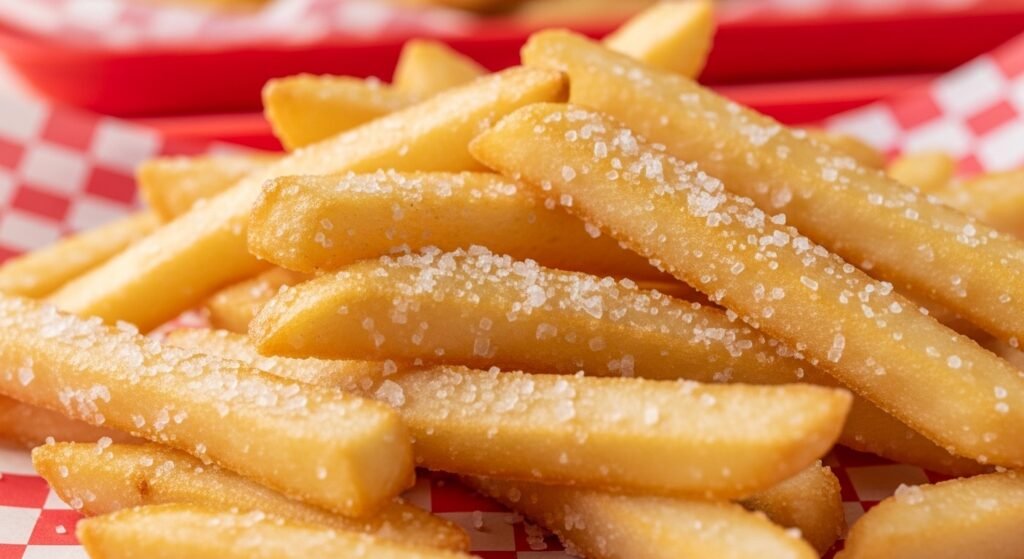
Salt serves as one of the earliest known methods for preserving food. Fast food fries obtain a protective effect from their heavy salt coating which prevents moisture from entering and the coating creates a “dead zone” that prevents mold spores from growing on the fry’s surface.
The 24-Year-Old Happy Meal
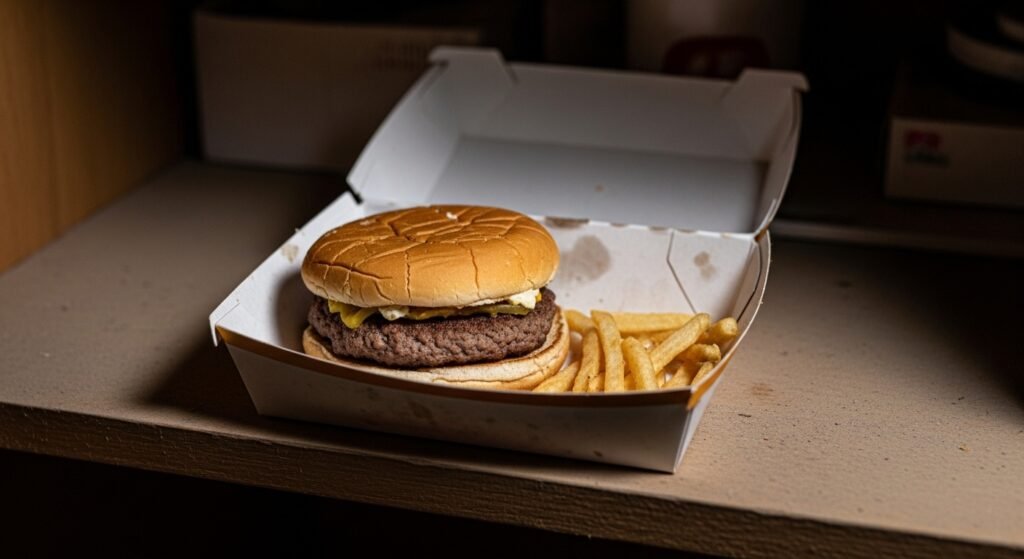
A USA woman successfully preserved a burger with fries inside a closet box for more than 20 years and the food retained its original appearance but became harder and smaller when she opened the container. The object had not decomposed but instead turned into a “fossilized” state.
High Fat Content
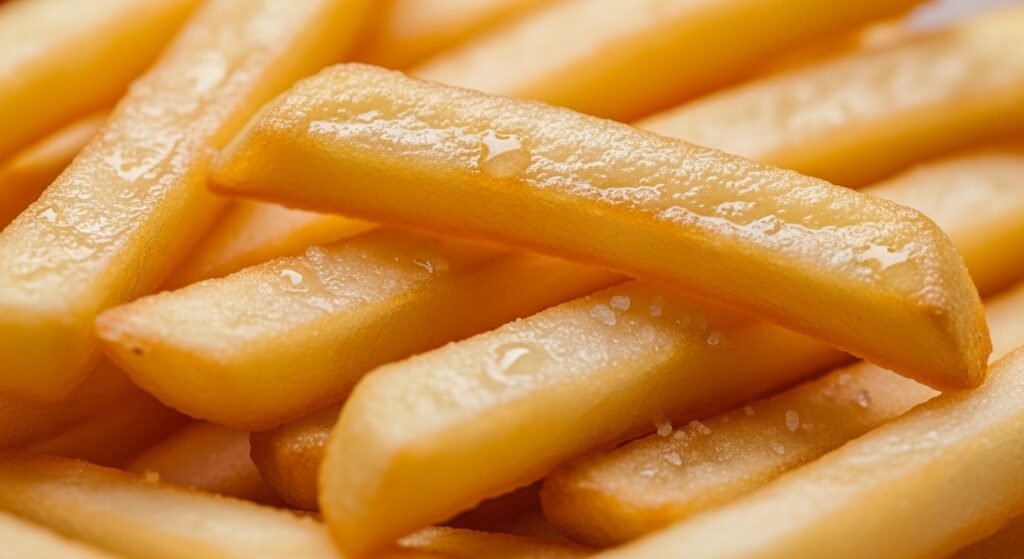
The frying process requires oils which make up all frying materials used for food preparation. Fat produces a protective coating which protects the potato from outside humidity elements. The oily layer functions as a seal that prevents moisture entry while stopping outside bacteria from developing.
Destroyed Enzymes
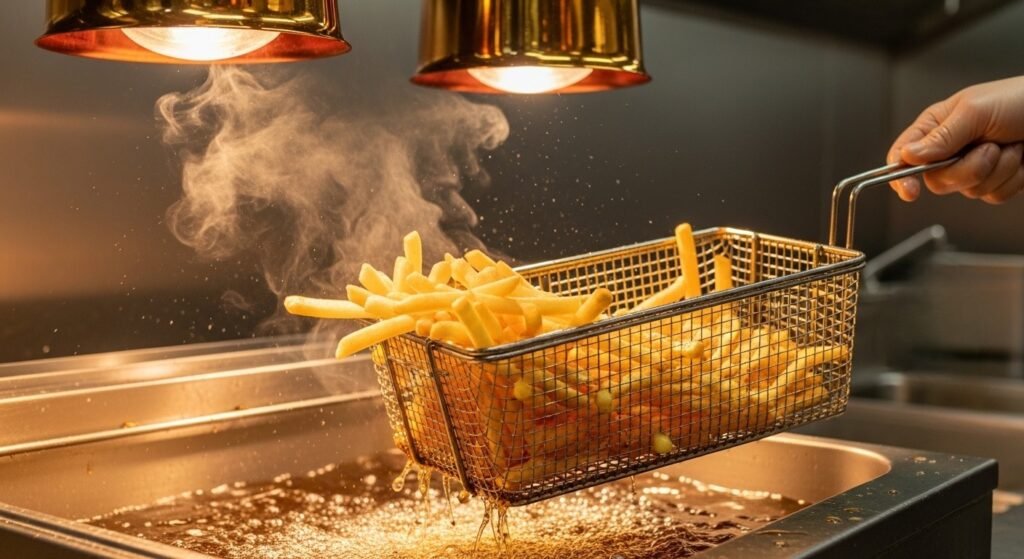
The frying process completely destroys all natural potato enzymes that cause browning and breakdown. The process “kills” all biological functions which transform raw potatoes into soft and blackened state.
The Iceland “Webcam” Burger
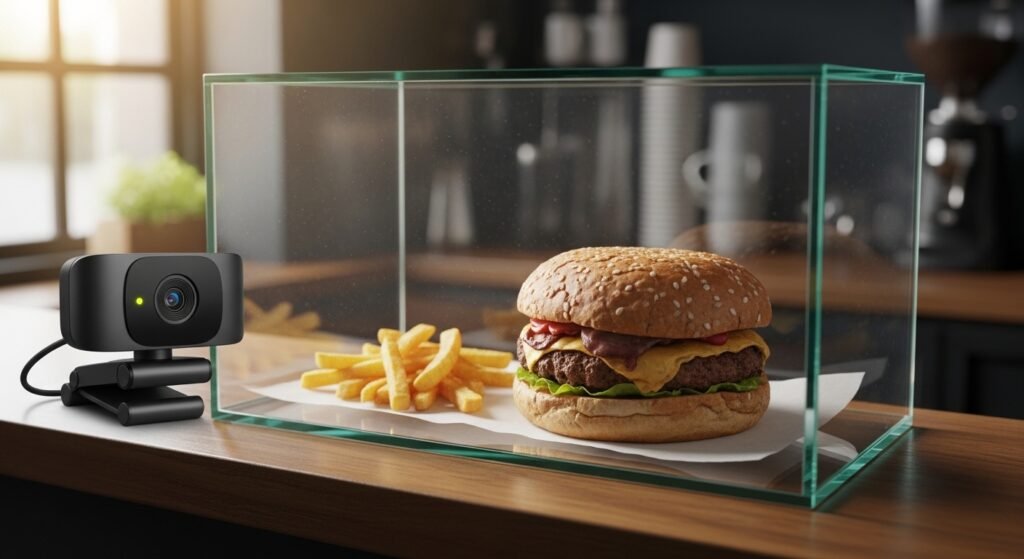
In 2009, the last McDonald’s in Iceland shut down and a customer took his last meal with him. The meal currently exists in a hostel space which broadcasts live webcam footage. The fries maintain their original appearance after 15 years because the dry Icelandic air preserved them.
Lack of Nutrients for Mold
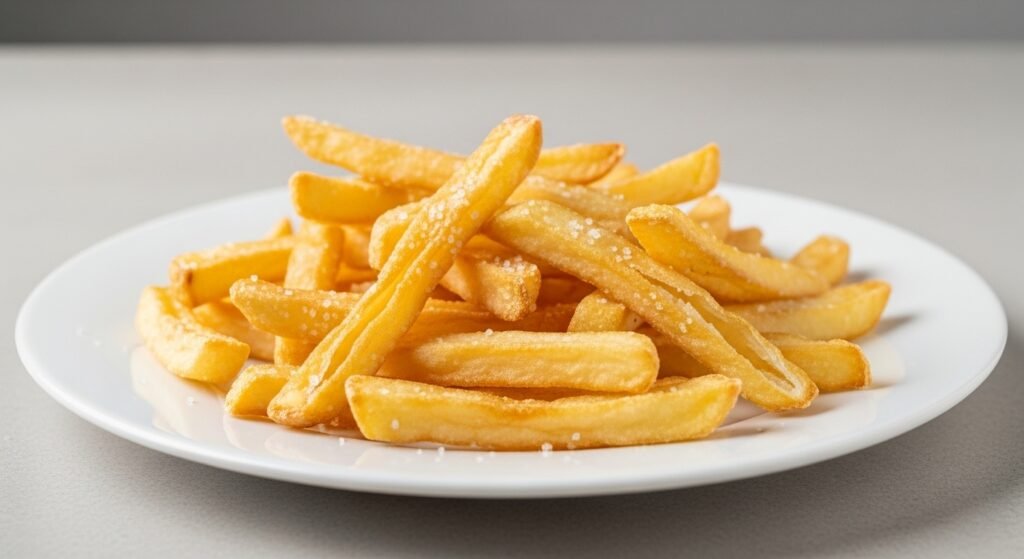
Mold requires both water and a friendly environment for its growth process. Fry surfaces create a “hostile” environment because their high heat combined with salt and oil creates an unwelcoming setting. Most mold spores that land on it die before they can start the decomposition process.
Consistent Temperature
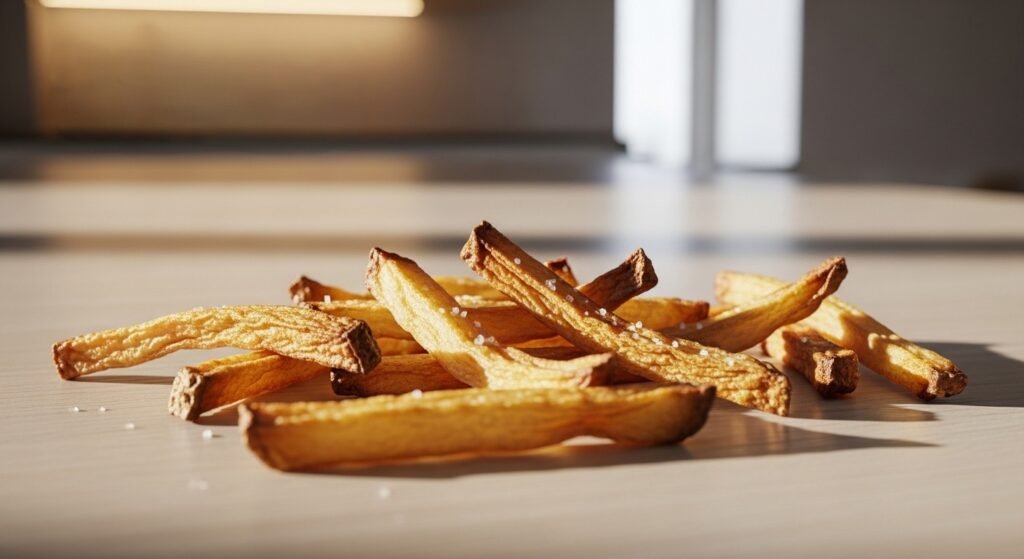
Most of these “never-rotting” experiments happen in climate-controlled homes. The combination of stable temperatures and low humidity conditions indoors enables fast drying which allows fries to reach their “safe” drying stage before any potential rot develops.
It’s Still “Spoiled”
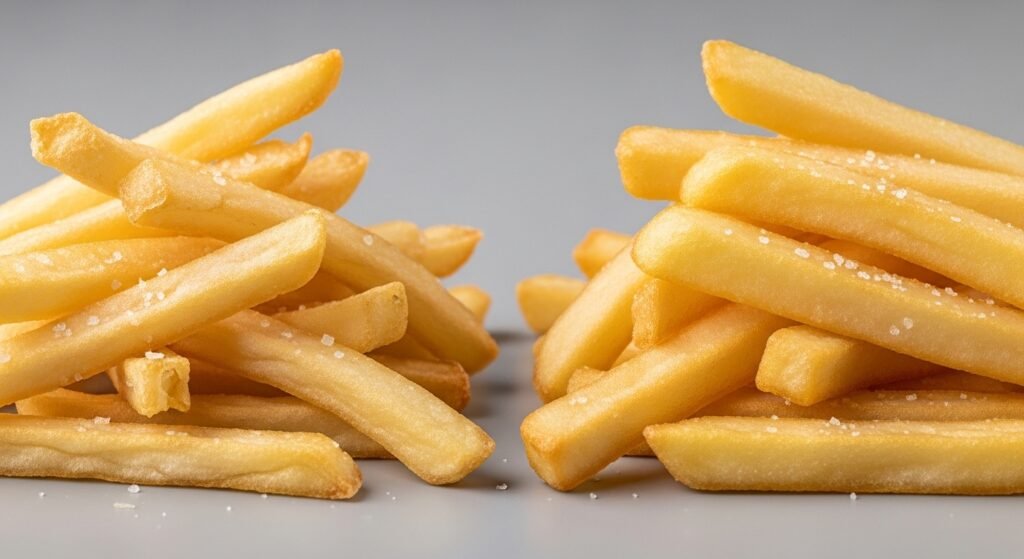
The fry appears “fresh” but its actual status tells a different story. Chemical changes which include “oxidation” transformation lead to oil rancidity. The item resembles a fry but its actual flavor resembles bitter salty cardboard because its chemical composition has spoiled despite the absence of mold.