 Sophia Davis
 Honey shows the highest rate of food fraud because it has high market value and requires extensive time for making. Commercial brands use cheap syrups to weaken their products while they create fake items through chemical processing. Learning how to recognize these fakes helps you to select proper natural healthy food.
The Water Test
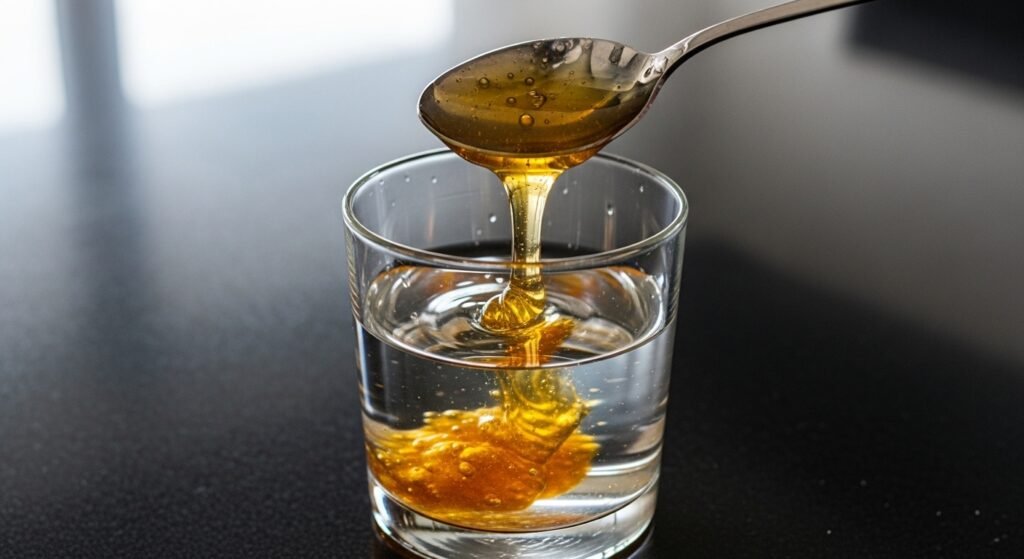
You need to drop a spoonful of honey into a glass of water without stirring it first. Real honey has its dense nature which causes it to sink down into the glass as a solid lump. The sugars in fake honey begin to dissolve right away which creates a clouding effect in the water.
The Thumb Test
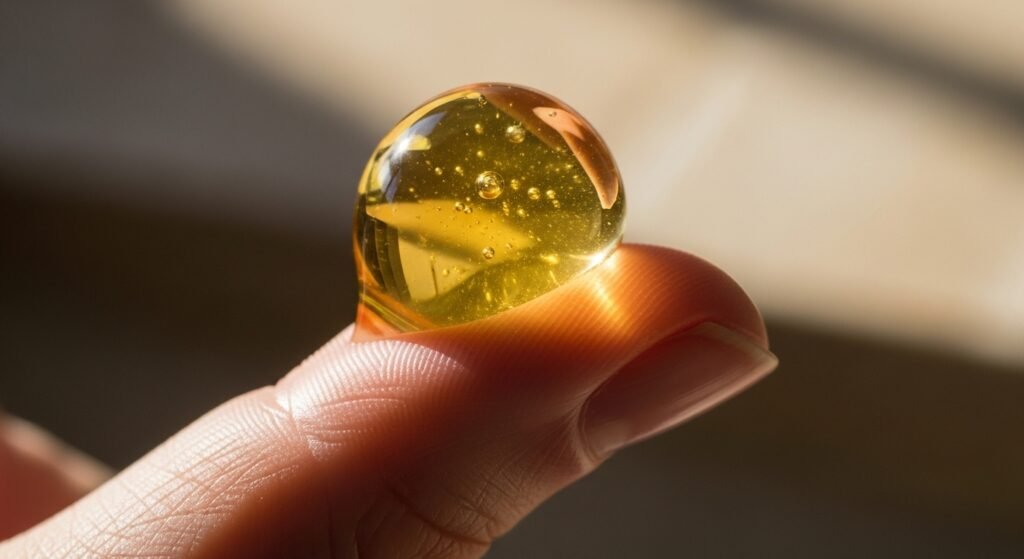
You need to place a small drop of honey on your thumbnail to see how it reacts, pure honey forms a thick bead which stays in one spot without moving. The liquid will probably spill over the edges of your nail because it contains water.
The Flame Test
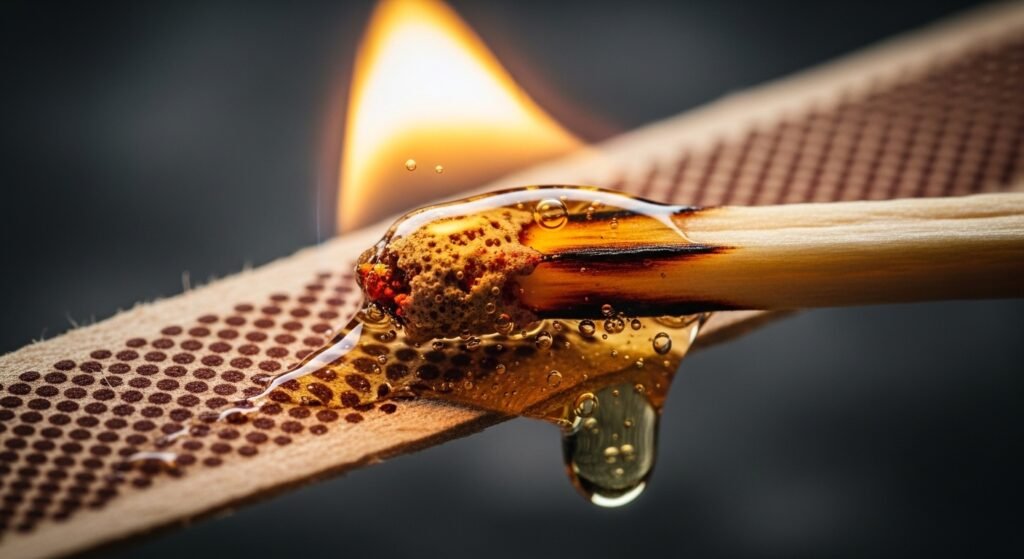
You need to dip a dry matchstick into the honey before you try to strike it against the box, pure honey produces flames which allow a match to light up while it stays covered with honey. The moisture content in fake honey prevents the match from creating sparks because it makes the match wet.
The Crystallization Clue
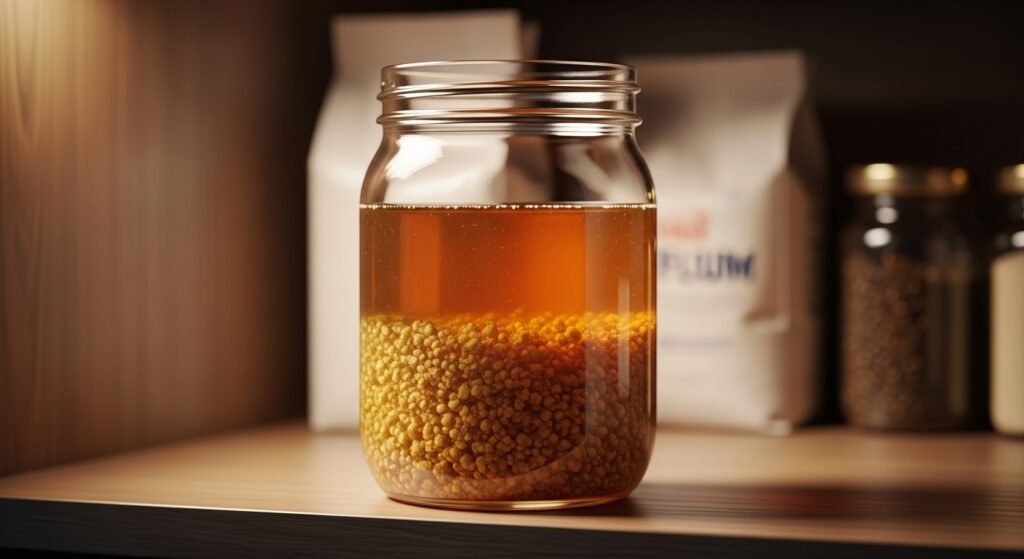
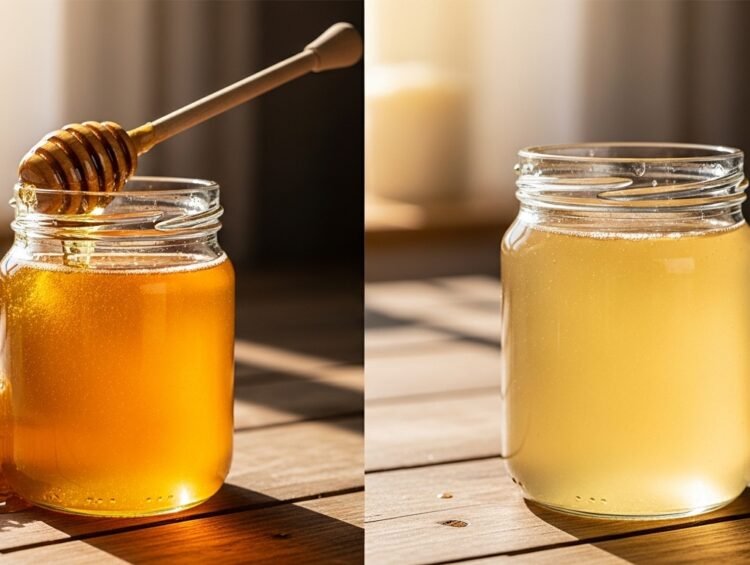
You should check your honey texture after it has stayed in the pantry for three months. Actual honey will develop solid crystals because of its natural glucose content. Your honey will probably be processed syrup if it maintains its liquid state with clear appearance.
The Bread Test
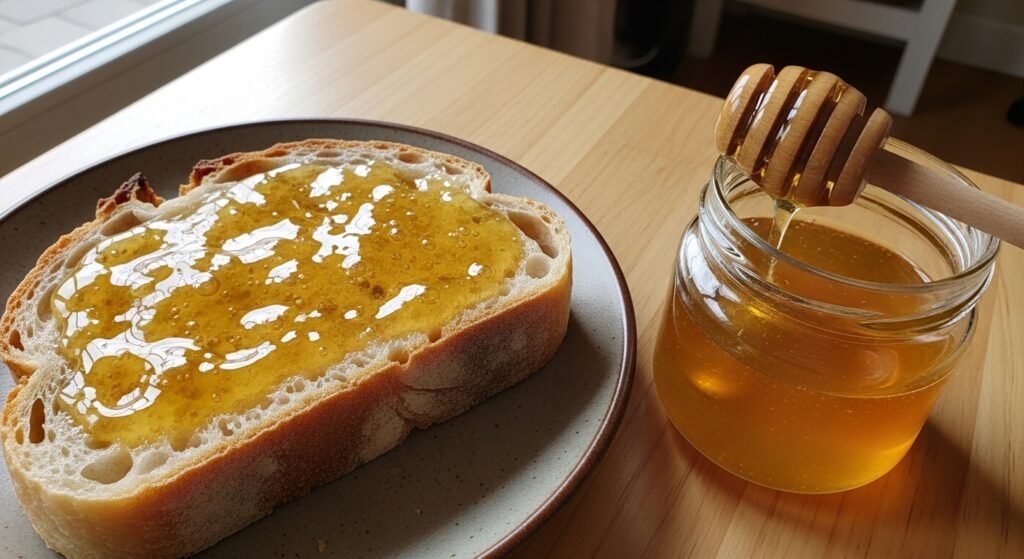
You need to apply a heavy layer of honey onto a fresh slice of bread and wait for several minutes. Real honey creates a hard crunchy texture on the surface of the bread. The bread will become soft and soggy because fake honey contains water.
The Vinegar Mix
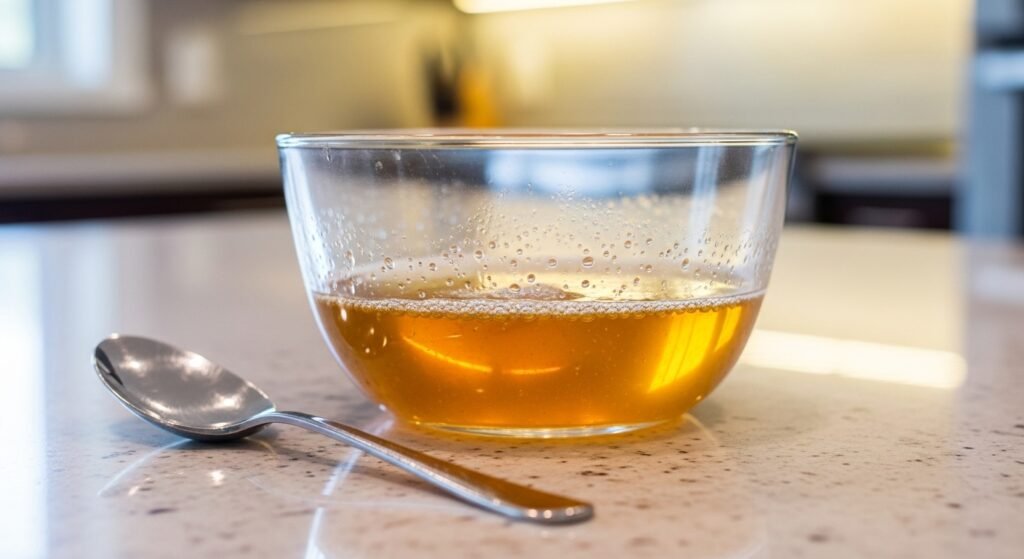
Combine one tablespoon of honey with a few drops of white vinegar and some water and the mixture will produce foam and bubbles when it contains chemical substances, pure honey will stay still because it doesn’t react with the vinegar’s acidic properties.
The Label Inspection
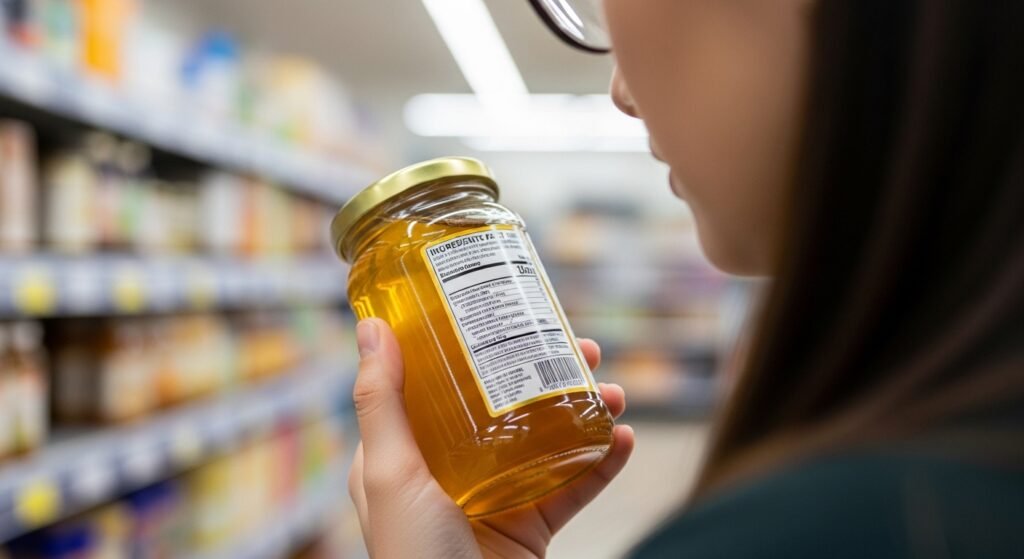
You need to check the ingredient list for high fructose corn syrup or glucose terms. The jar content extends its volume through these additions which enable brands to reduce their expenses. The back of the packaging should show only one ingredient for pure honey.
The Heat Reaction
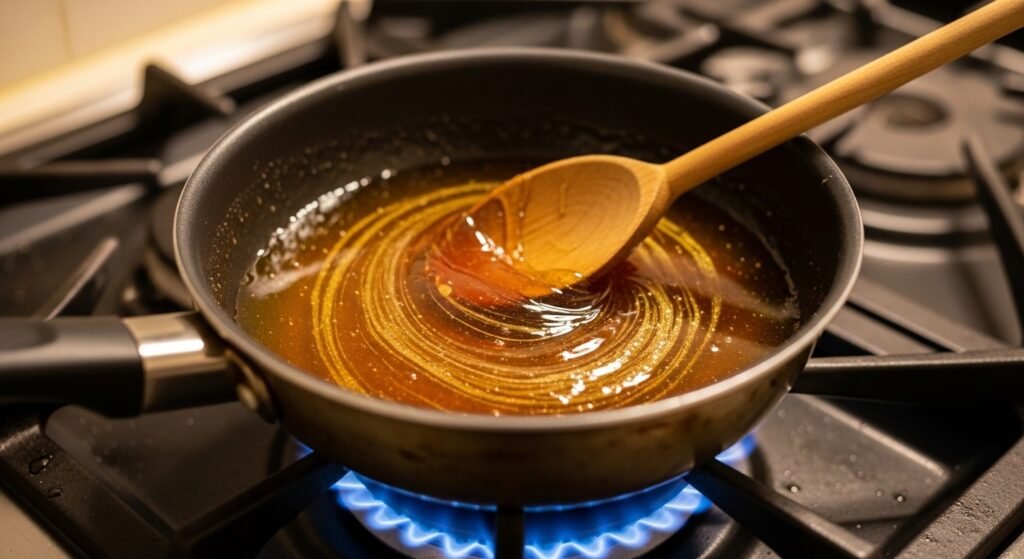
You should add some honey into a pan before you heat it on a low flame, real honey will turn into caramel at high temperatures while it darkens to a deep brown shade without forming foam. Fake honey will create bubbling and frothing because it contains high moisture content and sugar additives.
The Sticky Factor
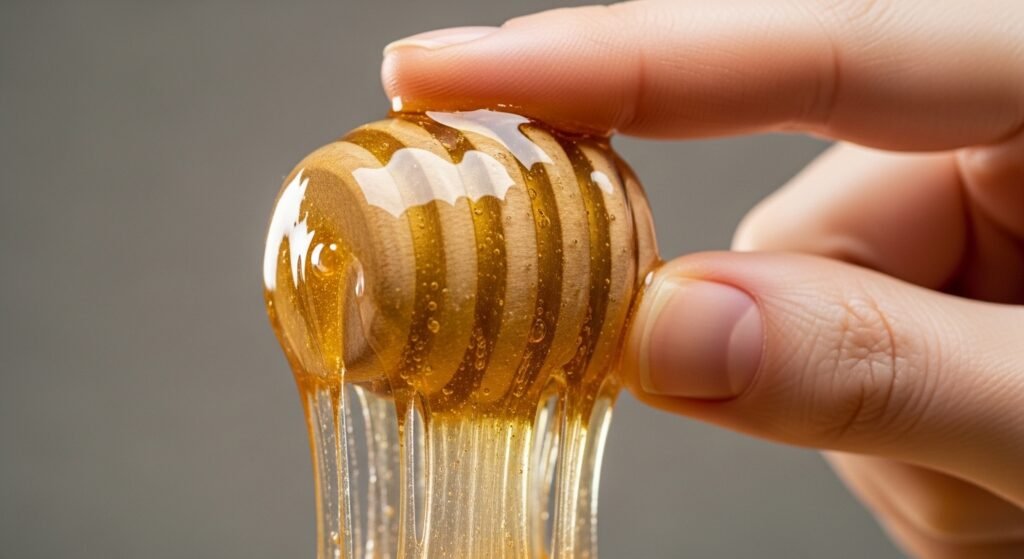
You should use your thumb and index finger to test the honey texture by rubbing it between both fingers. Pure honey has a smooth texture which feels thick but does not stick to surfaces like glue. The product probably contains artificial sweeteners if it starts to feel sticky and rough to the touch.
The Pollen Presence
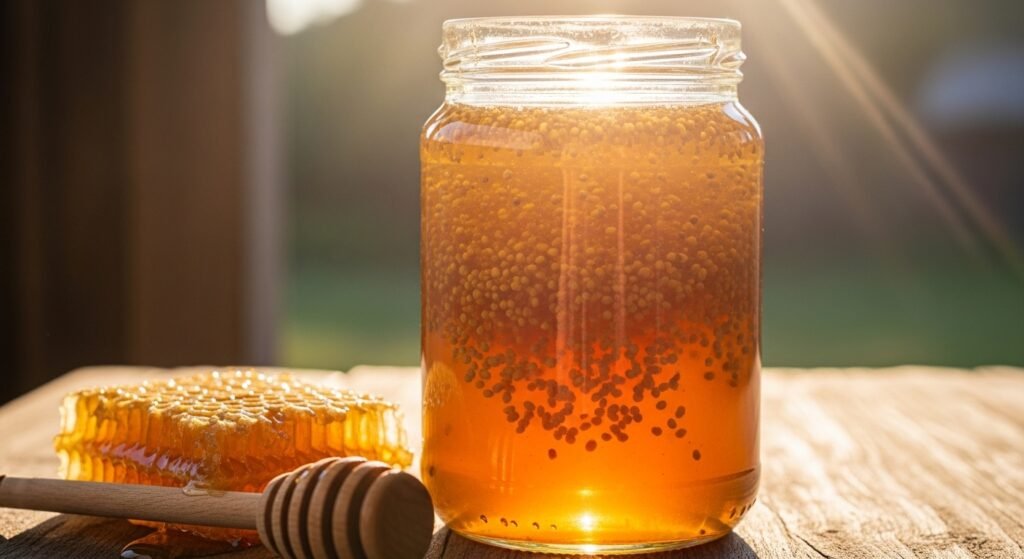
You need to hold the jar under a bright light to see whether it shows any haziness or particles. Ultra-filtered honey removes all the healthy pollen to hide its geographic origin. The natural beneficial particles of real raw honey make it slightly cloudy in appearance.