
 Isabella Miller
 The indoor wellness market presents Digital Sunlight as a fashionable product which helps people who remain indoors. The marketing of advanced light systems and portable eyewear claims to deliver sunlight effects which will enhance your sleep and emotional state. Light therapy exists as established scientific practice while product marketing techniques create medical deception from which businesses gain profits instead of delivering natural human outcomes.
The Lux Distance Deception
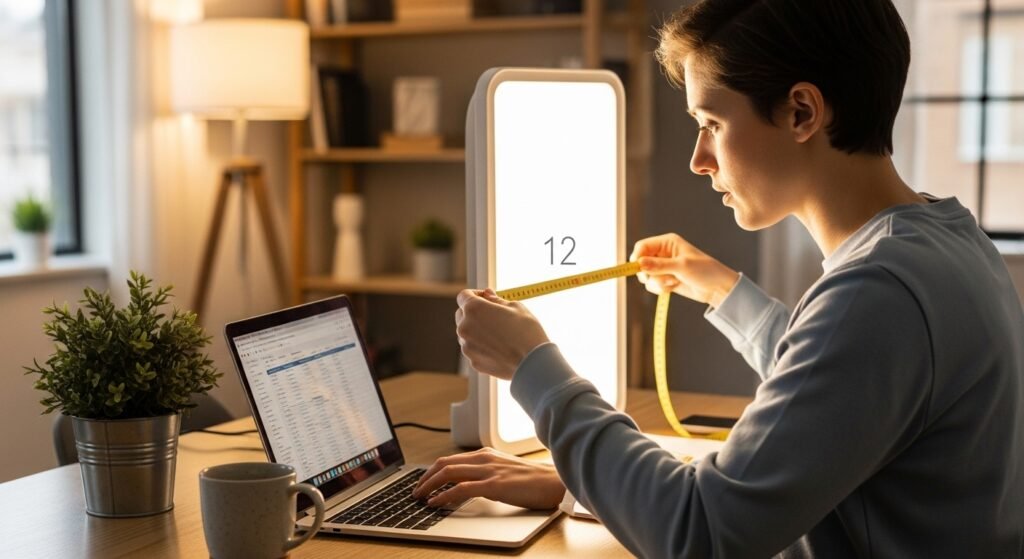
Light therapy requires 10,000 lux of light to achieve successful treatment results. The desk lamps which advertise themselves as Digital Sunlight products actually reach this brightness level only when users sit six inches away from the lamp. The office environment provides less than half of the maximum power output which leads to the device functioning almost at its lowest capacity.
The Full Spectrum Remains Unacknowledged

The sun emits various wavelengths which create a complex light pattern that changes throughout different times of the day. Many inexpensive ‘circadian’ lights produce white light which contains a small amount of blue color. The products lack infrared light and proper UV-B light balance which natural sunlight provides so they fail to produce deep hormonal effects in the same way as actual sunlight.
The “Blue Light” Fear-Mongering

Wellness brands use fear tactics to persuade customers to purchase their high-priced Digital Sunset glasses which protect against blue light. The Night Shift feature of your phone can reduce blue light exposure at night as effectively as $100 glasses. The business model operates by offering an overpriced product to customers who need something which their existing phone can provide without cost.
The Wavelength Targeting System Displays Inconsistencies

The body requires specific light contact with your eye cells to produce real circadian rhythm control. Many wearable “sunlight” glasses use incorrect nanometer range or are not properly aligned. Your brain needs to receive light at specific angles which touch the lower part of your retina to recognize morning time, but artificial brightness from devices fails to create this effect.
Overpromising on “Instant” Energy

The marketing department promotes digital lamp usage for 10 minutes as providing users with an espresso-style energy boost. The body requires multiple days of aligned time throughout the day to properly shift its circadian rhythm. Users who purchase these products for immediate relief end up with a decorative desk lamp which fails to address their tiredness.
The Supplement Cross-Sell

Digital light companies now combine their products with circadian supplements which include synthetic melatonin. The system creates a dependency cycle where you spend money on light which wakes you up and on medication which prevents sleep so your body cannot reach its natural sleep cycle.
The Brand Ignores The Existence Of Social Jetlag
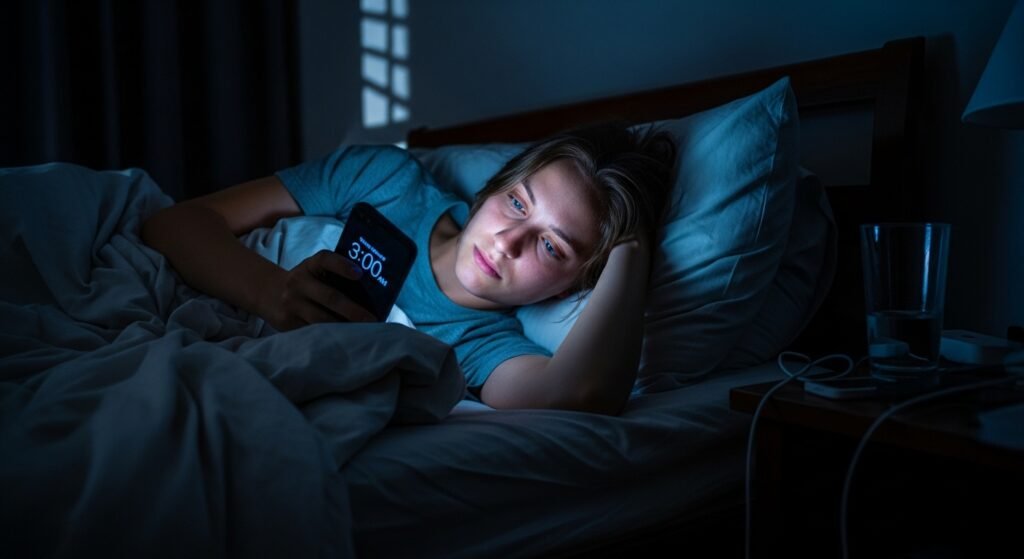
Viewing screens until 2 a.m. prevents any lamp from solving the problem. Brands sell Digital Sunlight as a cure-all, but it cannot override social jetlag—the gap between your biological clock and your work schedule. The organization provides a temporary solution which fails to tackle the actual reasons behind sleep deprivation.
Placebo “Mood Boost” Branding

Bright light expectations create a strong placebo effect which results in people believing they will experience improved health. The company uses unclear wellness descriptions to bypass medical rules which enable them to sell non-tested products instead of proven medical solutions.
Hidden Side Effects

Digital lights which lack quality control operate at high flicker rates which users cannot perceive yet it leads to eye strain and headaches. Users believe they are adjusting to light conditions when their actual problem stems from defective equipment design which natural sunlight does not possess.