 Sophia Davis
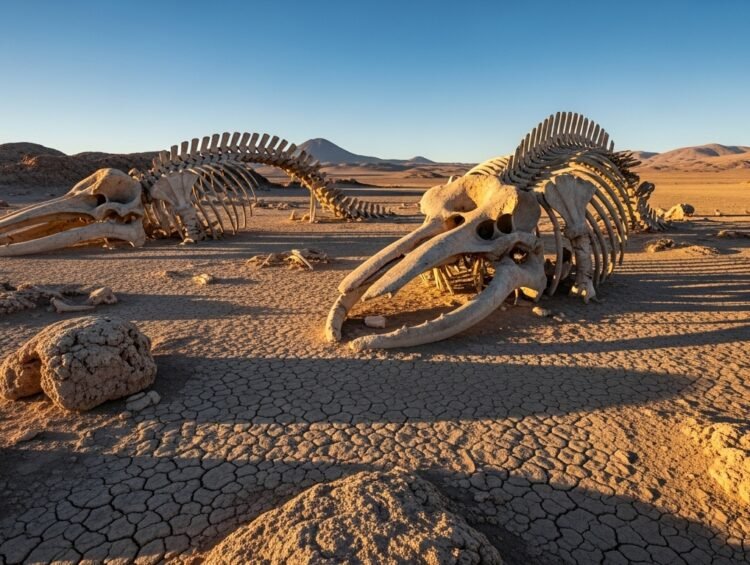
 Scientists located an extensive ancient whale graveyard in the Atacama Desert of Chile which stands as one of the driest locations on Earth and extends more than 300 meters from the nearest ocean. Researchers solved the mystery of Cerro Ballena when they recognized that the desert area had functioned as a prehistoric coastline during its past. The discovery has preserved a complete set of evidence which shows what occurred during the prehistoric time when strange events took place.
Highway Crews Made Discovery
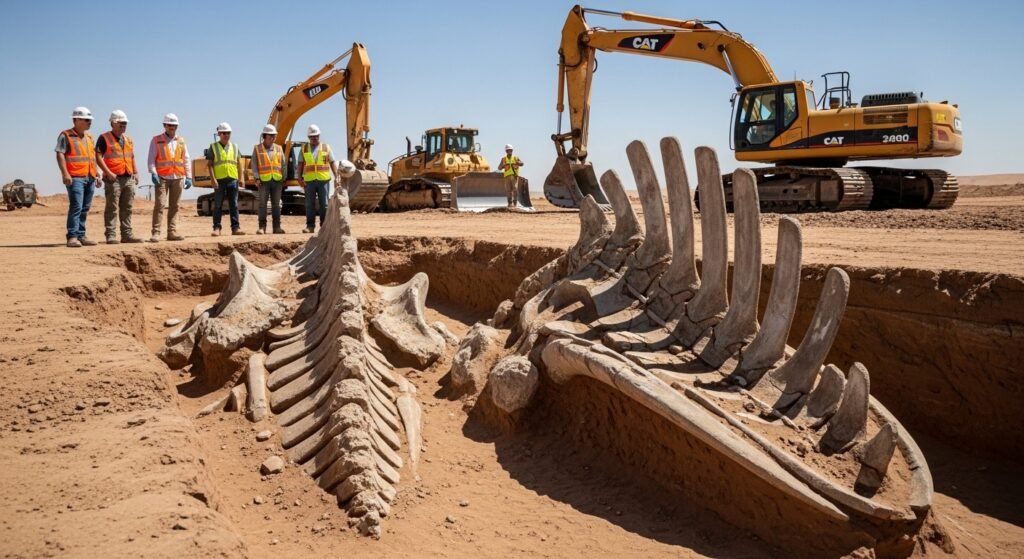
Workers who expanded the Pan-American Highway in 2010 discovered many gigantic fossils which protruded from the sandstone base. Scientists had to complete their documentation work within three weeks because the road construction work needed to progress after the discovery of the site which scientists used 3D scanning technology to document.
Different Types Of Victims
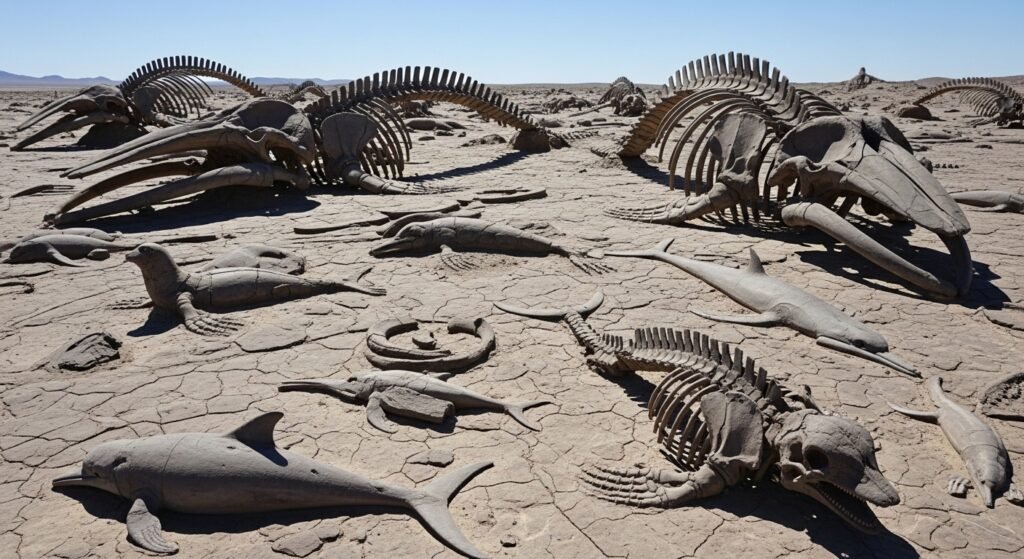
Whales made up only one type of victim found in the graveyard. The researchers discovered more than 40 skeletons which included extinct dolphin relatives known as walrus-whales and seals and at least one aquatic sloth species. The species variety shows that the killer made an impact on all marine animal types that lived in the region.
The “Belly-Up” Clue
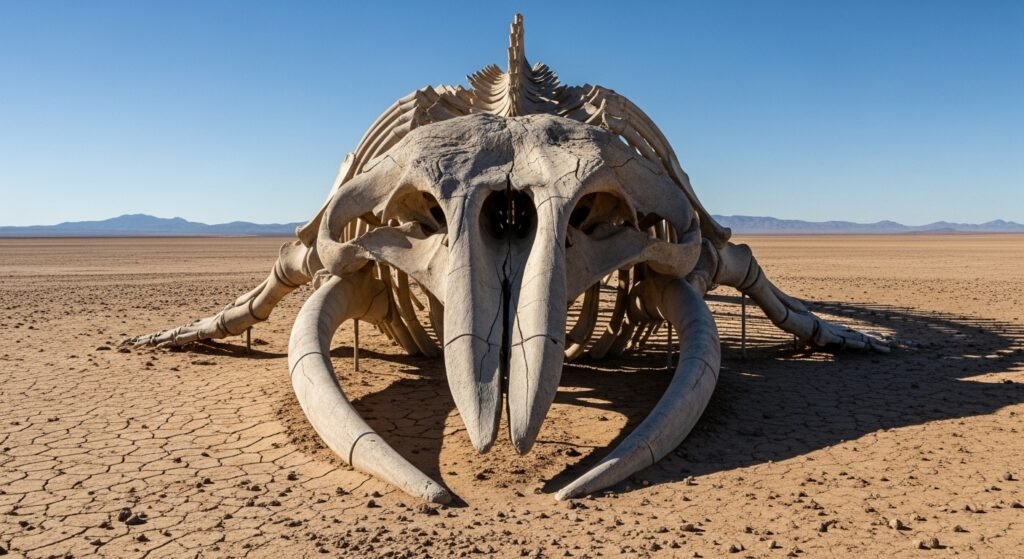
The majority of whales were discovered in their back-lying positions. A dead whale at sea will float on its back because gas buildup occurs when its stomach fills with gases and the clue proved that the whales had died in the open water before they ended up on the beach rather than becoming stranded while they lived.
The Repeating Pattern
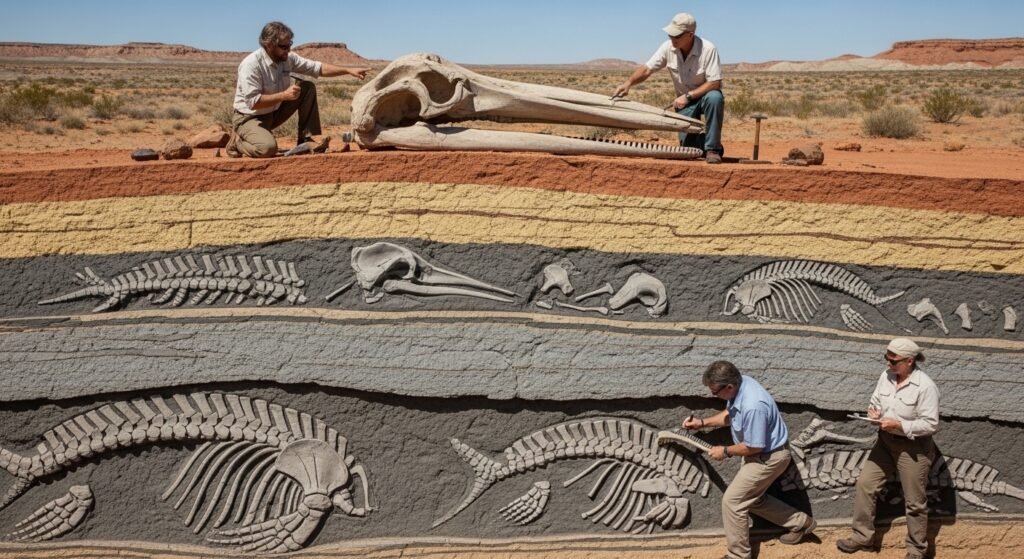
Scientists discovered that the fossils existed in four separate rock layers which they identified as distinct. The mass deaths occurred through four separate events which took place over a period of 10,000 to 16,000 years at the same location because they did not stem from one singular event.
The Tiny Assassin

Toxic algae emerged as the ultimate cause of death after scientists eliminated both tsunami impacts and virus infections as possible reasons. Red tides occur when algae blooms create neurotoxins which kill large marine animals instantaneously when they inhale contaminated water or consume infected fish.
The Role of the Andes
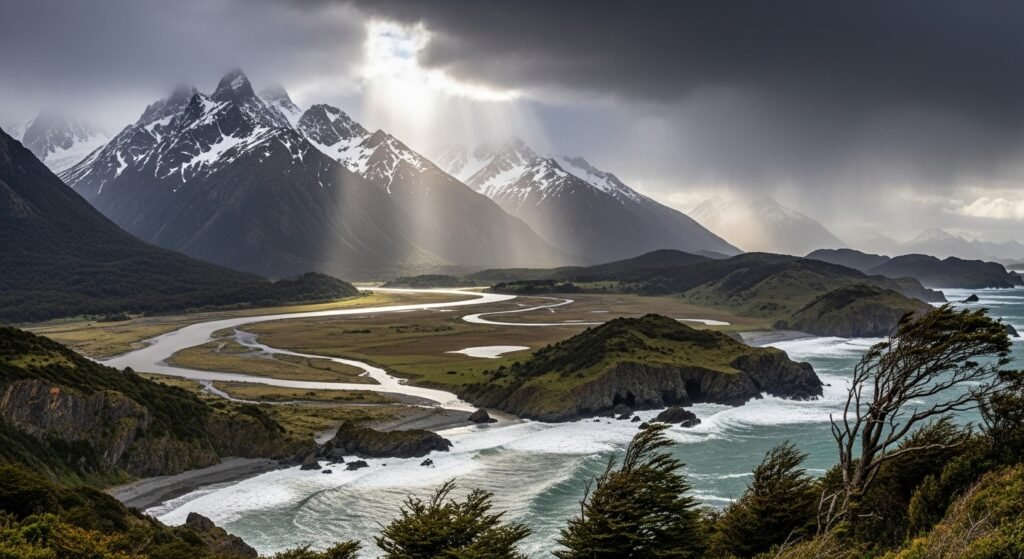
The toxic blooms received their “fuel” when the iron-rich Andes Mountains provided the necessary materials. The Pacific Ocean received iron from rainwater which acted as a fertilizer that permitted algae to multiply uncontrollably, resulting in lethal algae blooms which formed a cycle of destruction that lasted through multiple millennia.
Rising of the Land
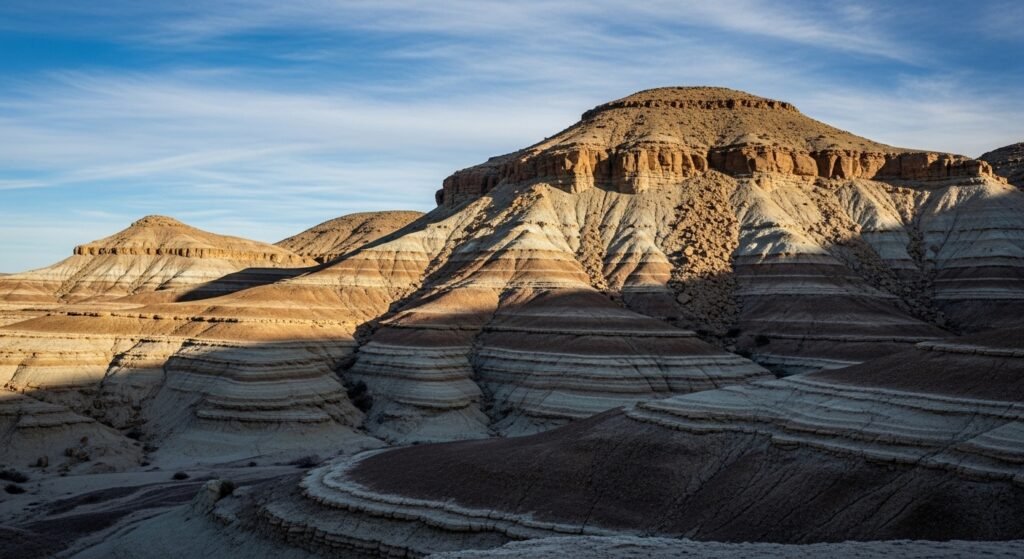
The prehistoric beach where whales died has now transformed into a desert hill location. The ocean floor graveyard transformed into dry land because plate tectonics raised the shoreline over millions of years, after which earth movements pushed the coastal land upwards.
Comparison to Modern Events
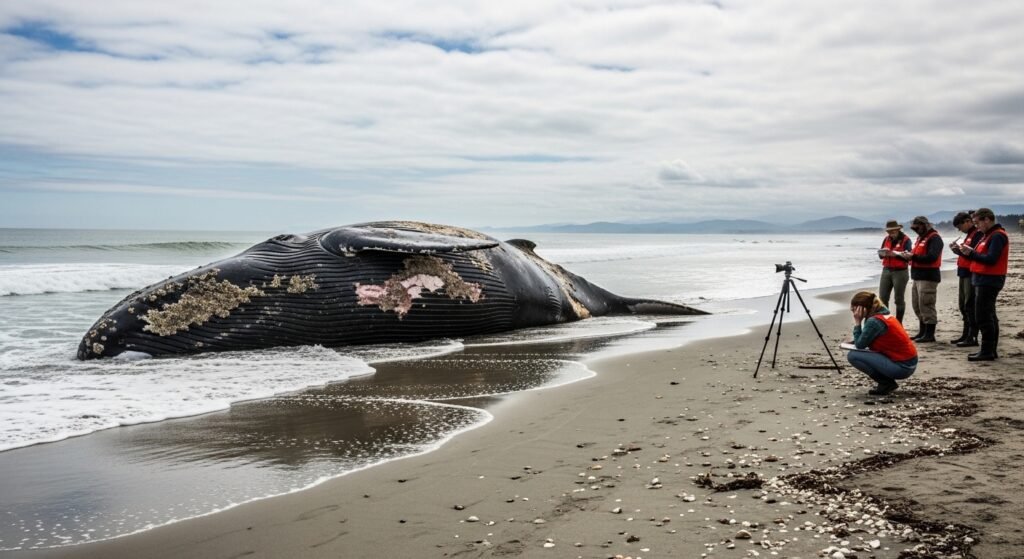
The researchers used a real event from the late 1980s near Cape Cod as evidence because 14 humpback whales washed up dead without showing any signs of physical harm. The autopsy results showed that the whales had consumed toxic mackerel which contained algal bloom toxins that matched the Whale Hill evidence.
The Lack of Scavengers
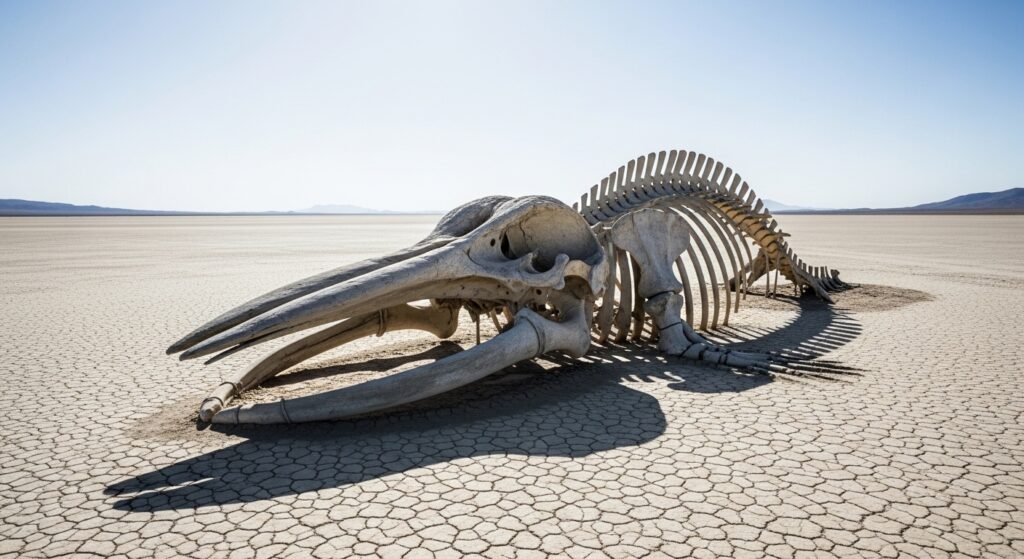
Land animals should have scattered the bones yet the mystery persisted. Scientists believe that the Atacama region experienced such extreme dryness during ancient times that all large land scavengers became extinct, which preserved all skeletons for the next million years.
A Digital Legacy
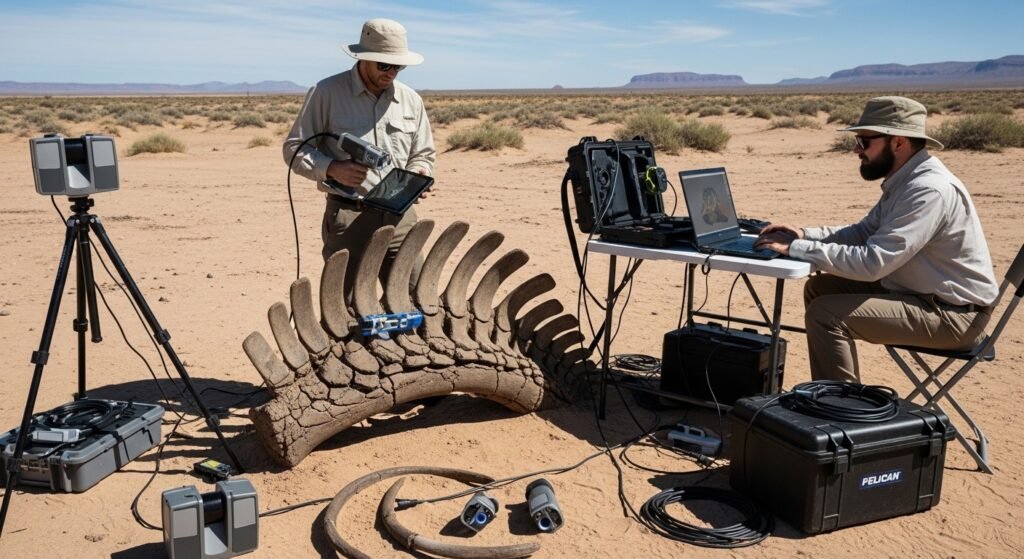
The Smithsonian staff created a digital twin of the site because the highway required completion before the project could proceed and you can now take a 3D tour of the original dig site online, seeing exactly where each skeleton lay before it was moved to a museum.