 Isabella Miller
 Scientists are currently using “experimental archaeology” to recreate food that hasn’t been tasted in millennia. Scientists are using DNA extraction from ancient pottery and charred remains to recreate high-priced historical snack items. The projects reveal our ancestors’ living patterns and their food consumption and trading practices which turn a basic bread bite and beer sip into a $4,000 historical journey.
The 4,500-Year-Old Sourdough
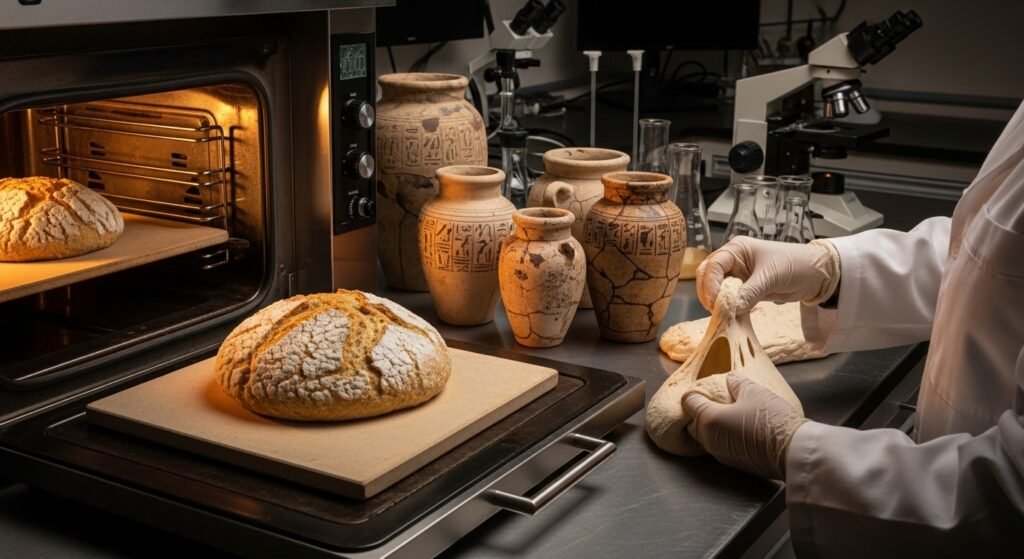
The researcher from 2019 extracted dormant yeast from ancient Egyptian ceramic jars to use the sleeping microbes as an ingredient for baking sourdough bread which showed that ancient yeast can still produce modern bread.
The “Bog Butter” Mystery
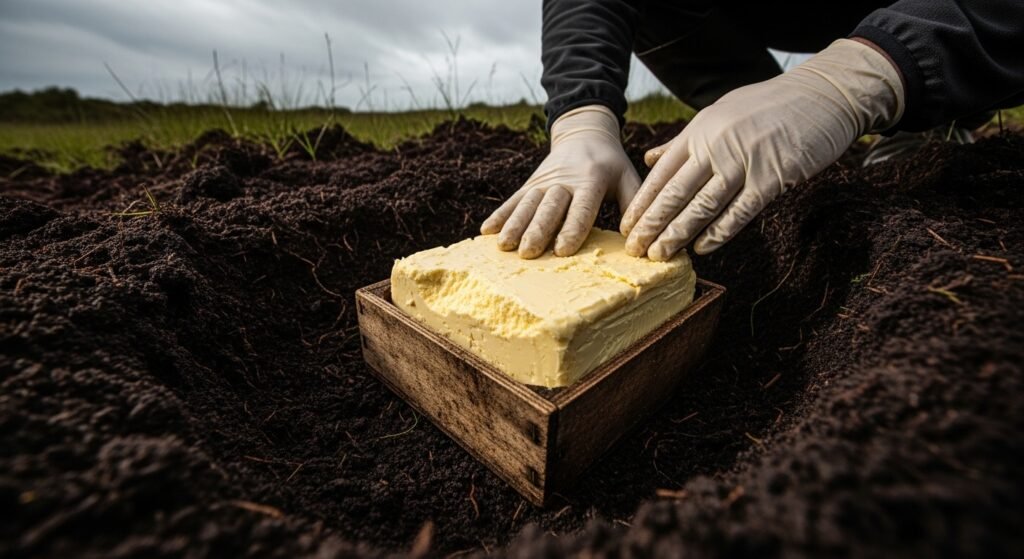
Archaeologists frequently find wooden crates of butter buried in Irish peat bogs, some over 3,000 years old and the scientists recreated the ancient Celtic survival snack which ancient people used for their dietary needs by analyzing its chemical structure that resembles white wax.
King Midas’s Funerary Feast
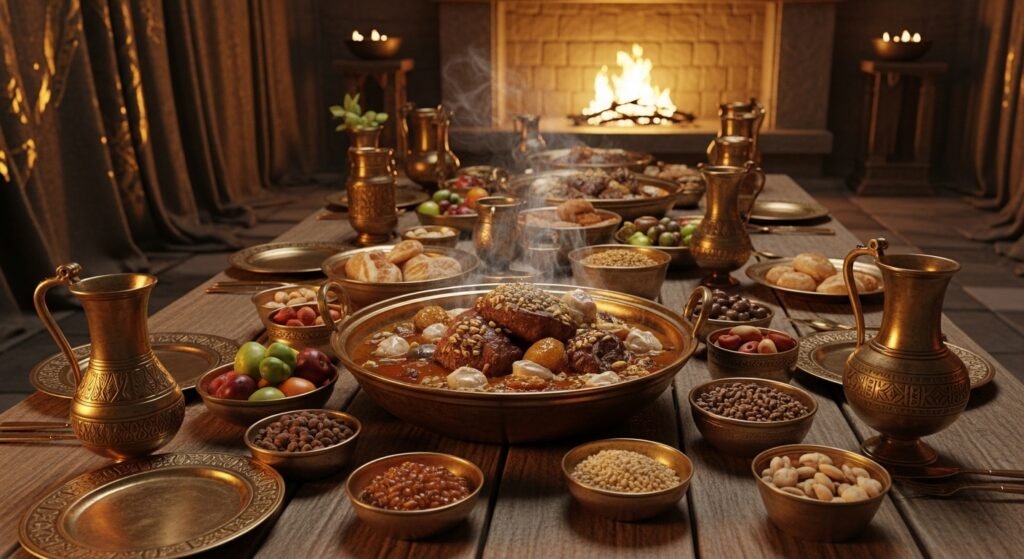
Scientists identified the “spiced stew” through residue analysis of bronze vessels from a Turkish tomb dating back 2,700 years. The team found goat meat and honey and pulses which modern chefs used to recreate the royal feast served during ancient funerals.
The Roman “Garum” Sauce
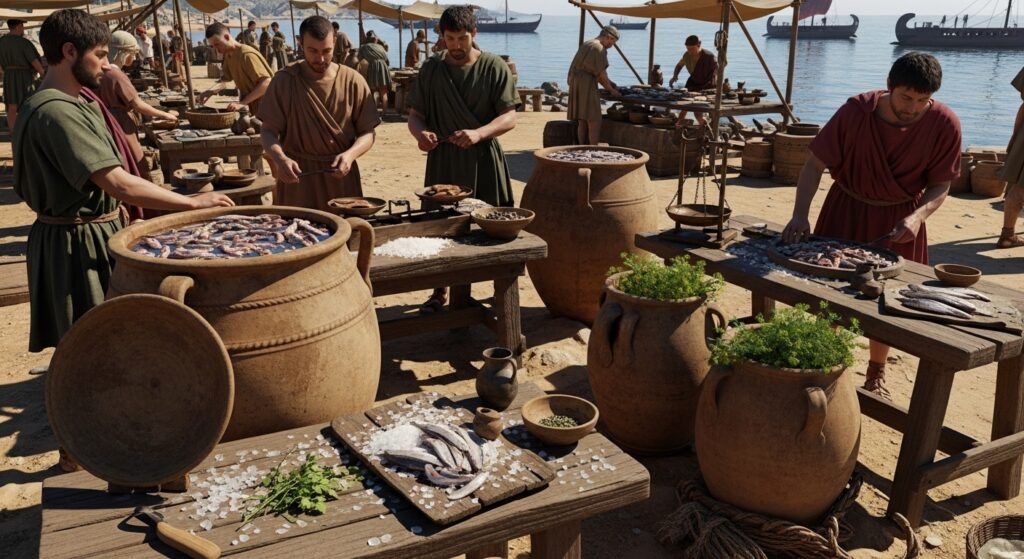
The Roman people had an obsession with Garum which was a costly fermented fish sauce. The scientific team analyzed Pompeii shop remains to calculate the fish guts and herbs ratio which they used to recreate the ancient world’s “ketchup” condiment.
The World’s Oldest Beer

Stanford researchers discovered beer residue from 13,000 years ago in Israel during their 2018 study. The scientists used bio-archaeology methods to create a thick drink which ancient people likely consumed during ceremonial events.
Neolithic Nut Clusters
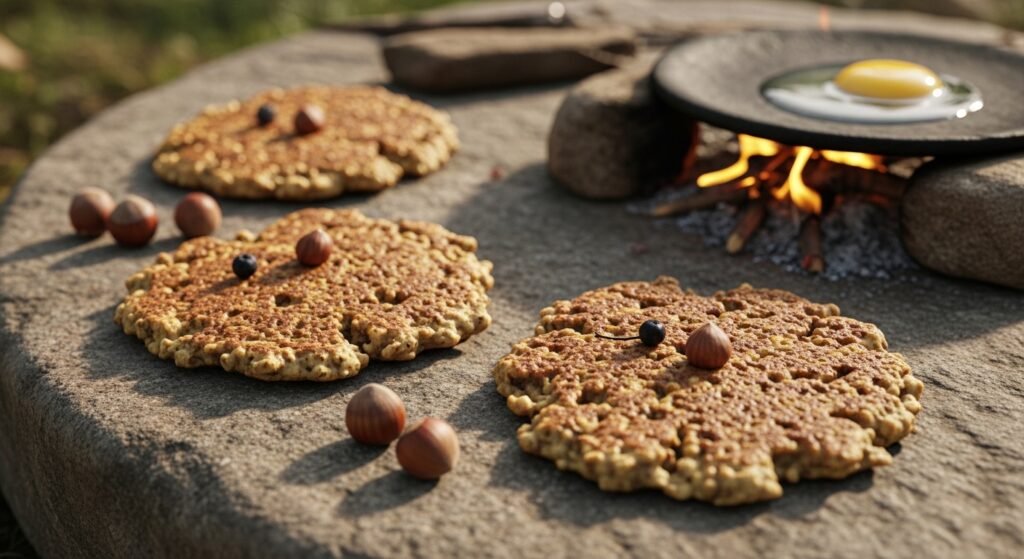
Archaeologists in Denmark found charred pancakes made of crushed hazelnuts and egg whites. The scientists created the 6,000-year-old snack which showed that ancient humans made sweet treats with high energy content before they developed organized farming systems.
The $4,000 Price Tag
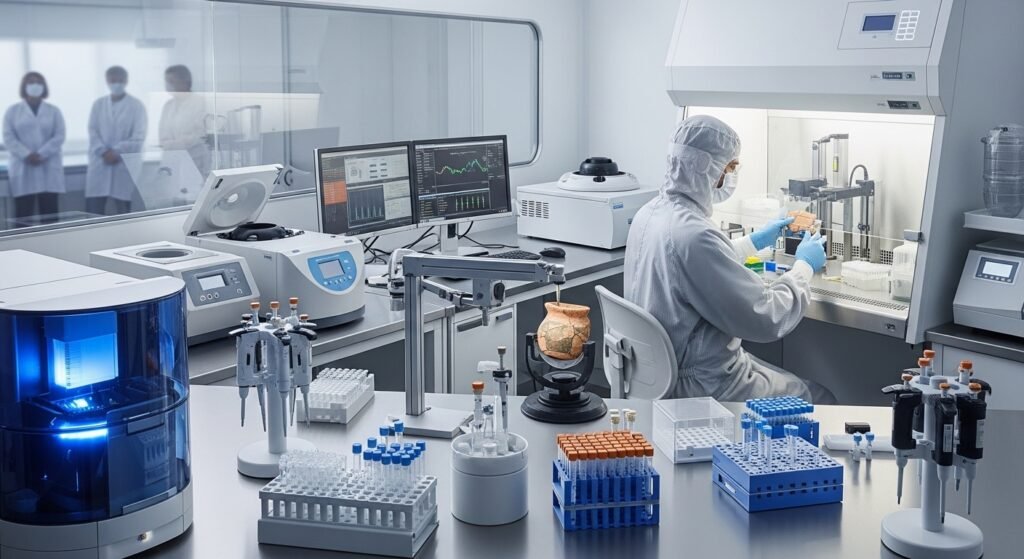
Labor costs in the laboratory make the total expenses of these revived snacks exceptionally high. The process to extract uncontaminated DNA from a tiny ceramic shard requires clean rooms and genomic sequencing which results in a single loaf of ancient bread costing more than a designer watch.
Resurrecting Extinct Dates
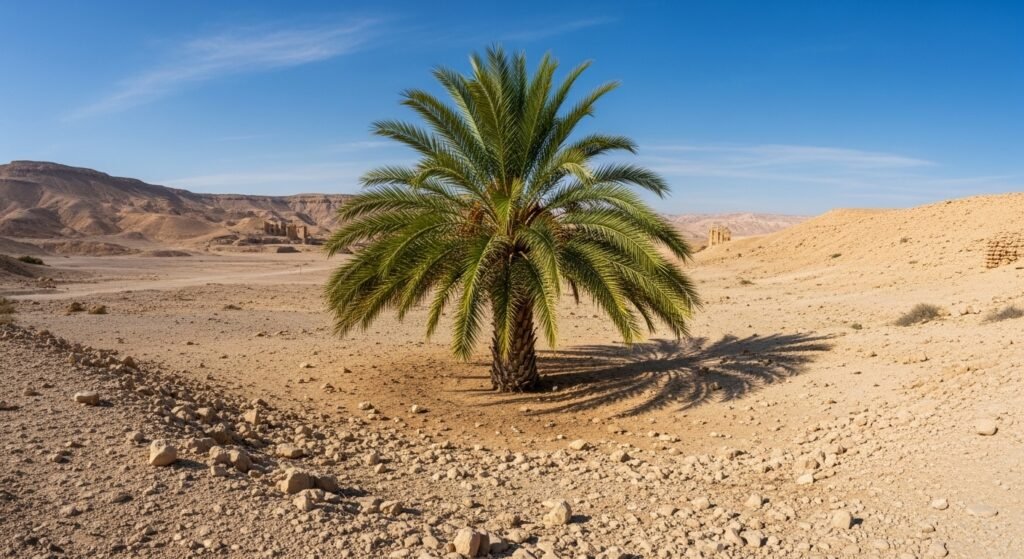
Scientists sprouted 2,000-year-old seeds found at Masada and the Judean Date Palm which had disappeared from existence for hundreds of years now exists again. The biblical fruit has grown to be larger and sweeter than the modern date variety according to current descriptions.
Sea-Aged Wine
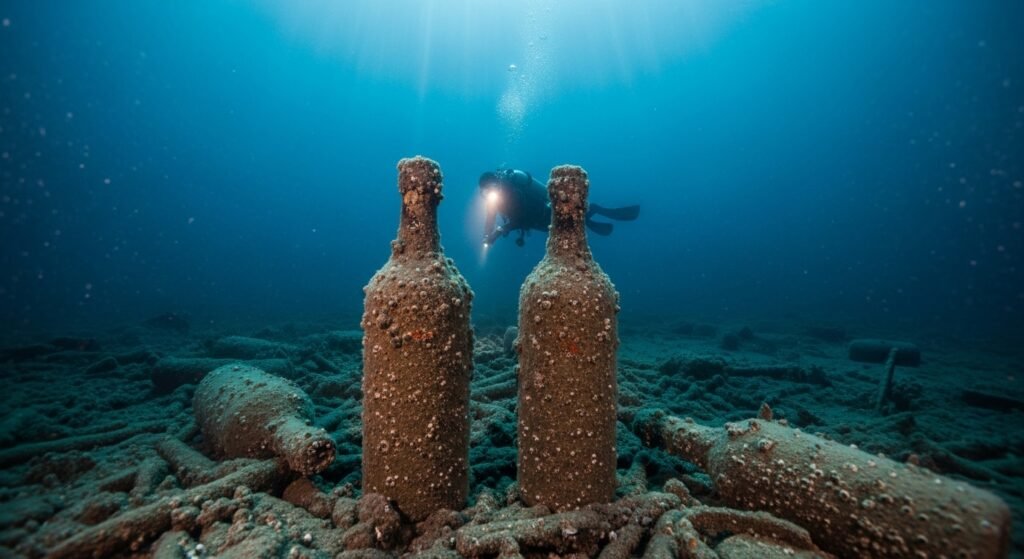
The team discovered complete champagne and wine bottles in the remains of a shipwreck which had been submerged for 170 years. Scientists conducted research on the wine products to determine how deep-sea aging processes affected their flavor development in order to assist current winemakers.
The “Golden” Spice Trade
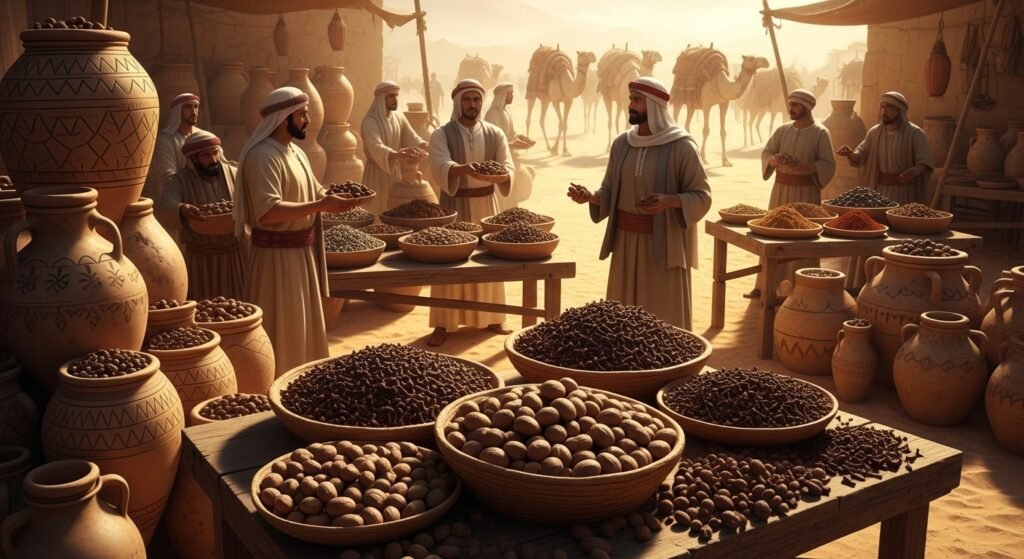
The research team showed through their analysis of 3,500-year-old jars from Syria that nutmeg and cloves were part of an established worldwide spice trade. The discovery of ancient snacks shows that humans traveled long distances just to satisfy their craving for more taste.