 Sophia Davis
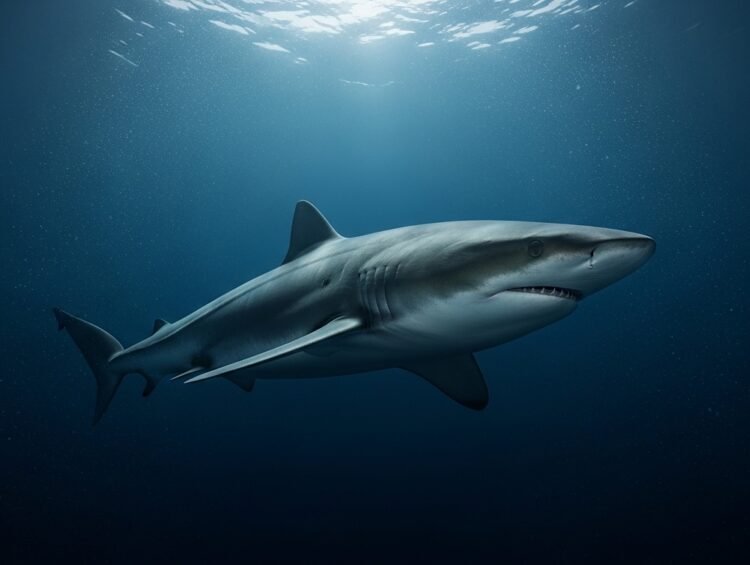
 The Greenland shark is one of nature’s most amazing creatures because it has lived in North Atlantic waters which are frozen for more than 200 years. These sharks live beyond the lifespan of entire human societies because they can live for more than 400 years which is more than most land animals who die after several decades. The shark’s life expectancy extends beyond normal limits because it maintains an exceptional “slow-motion” existence which enables its survival in places where most other organisms would die.
A Living Time Capsule
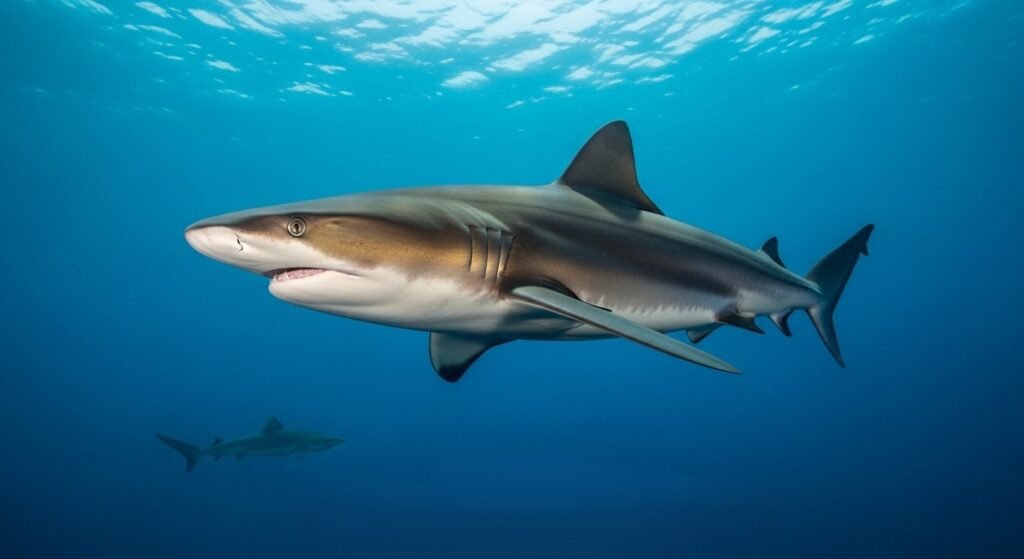
A shark swimming today could have been born in the early 1600s and this shark lived through all major events from the Mayflower to the American Civil War and both World Wars which makes it a direct observer of human history across multiple centuries.
The Ultimate Slow Motion
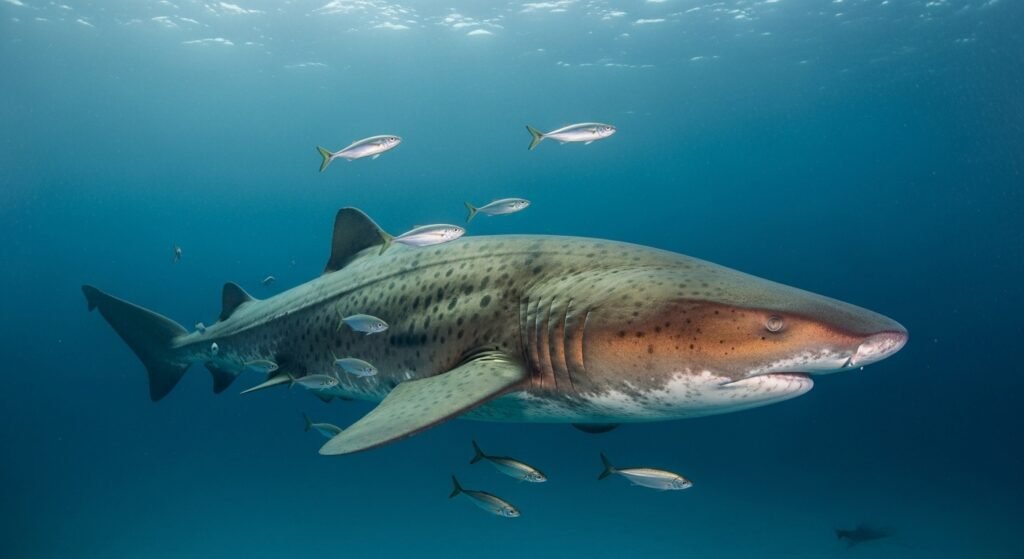
These sharks move at an incredibly slow pace which results in their speed staying below one mile per hour. Their slow movement speed helps them conserve massive quantities of energy which enables them to live for multiple hundred years.
Freezer-Burned Biology
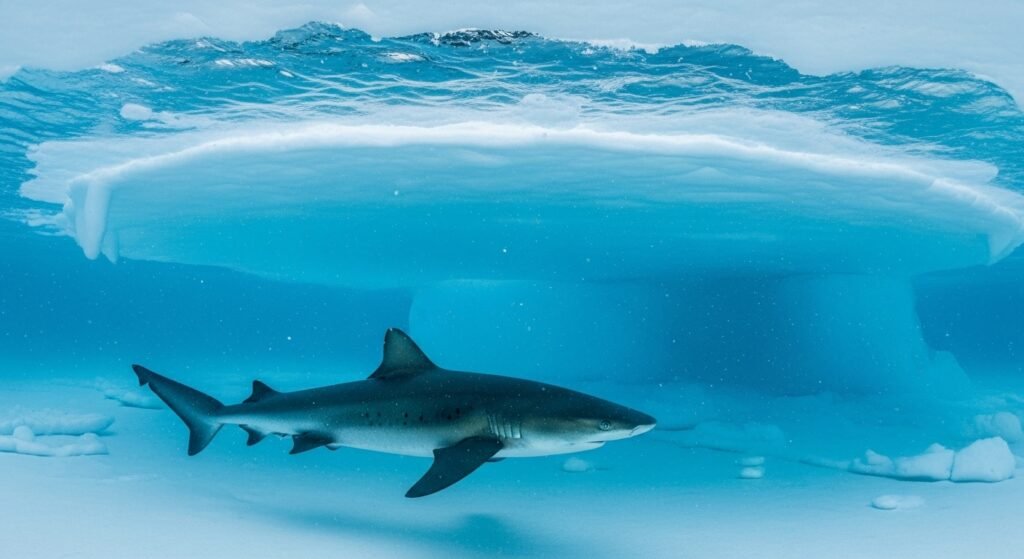
Living in water near 0°C acts like a natural preservative. The shark’s cold-blooded metabolism operates at such low speed that its cells and tissues age at a fraction of the normal rate because of cold temperatures which function like a freezer.
Heartbeat of a Century
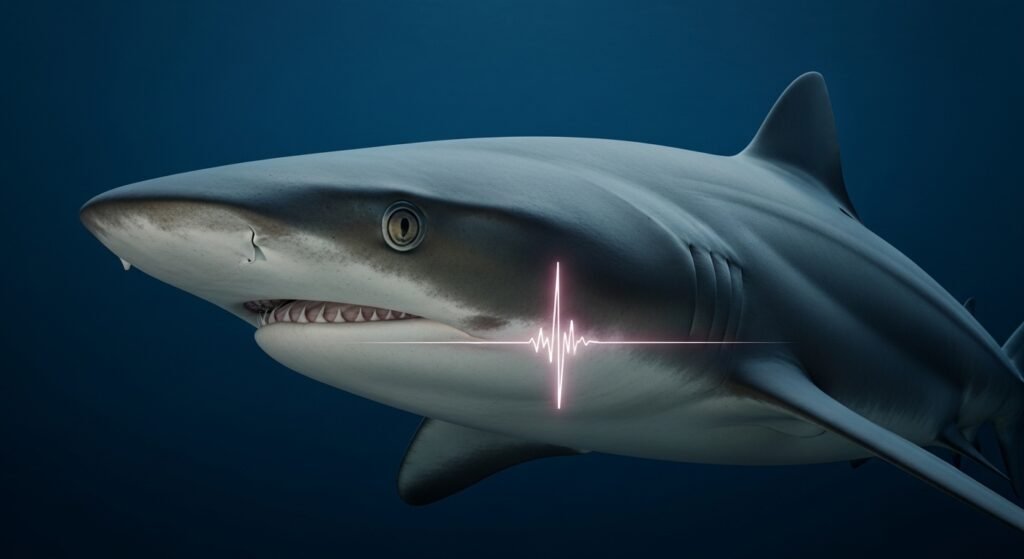
The Greenland shark has a remarkably slow heart rate which causes its heart to beat once every 12 seconds. The shark uses minimal energy because its heart rate shows only 60 to 100 beats per minute which humans do.
Eye Parasites as Companions
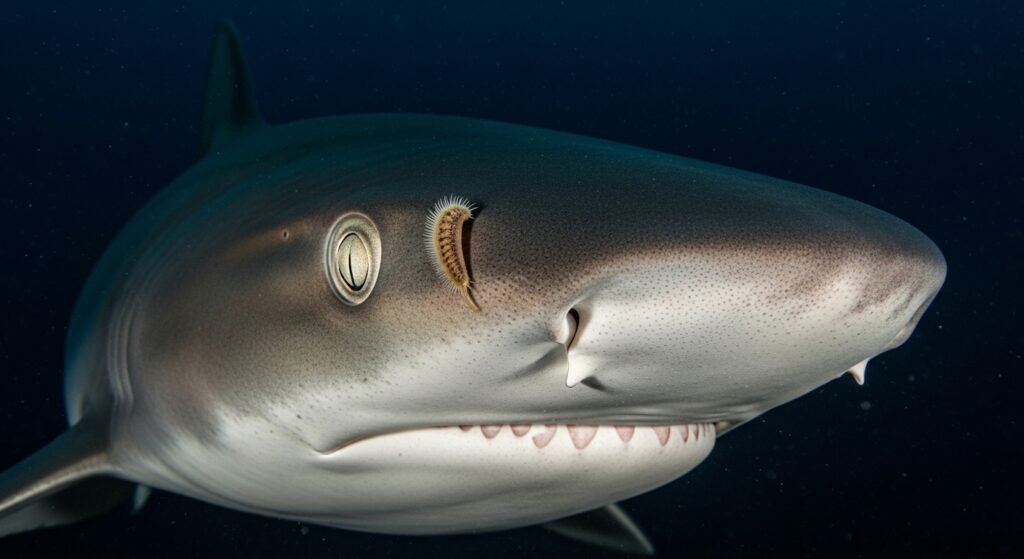
Many of these sharks have tiny parasites attached to their eyes. The shark can see less because of this condition but it does not affect its ability to hunt in the dark deep sea where it depends on its strong sense of smell to locate food.
Anti-Freeze in the Blood
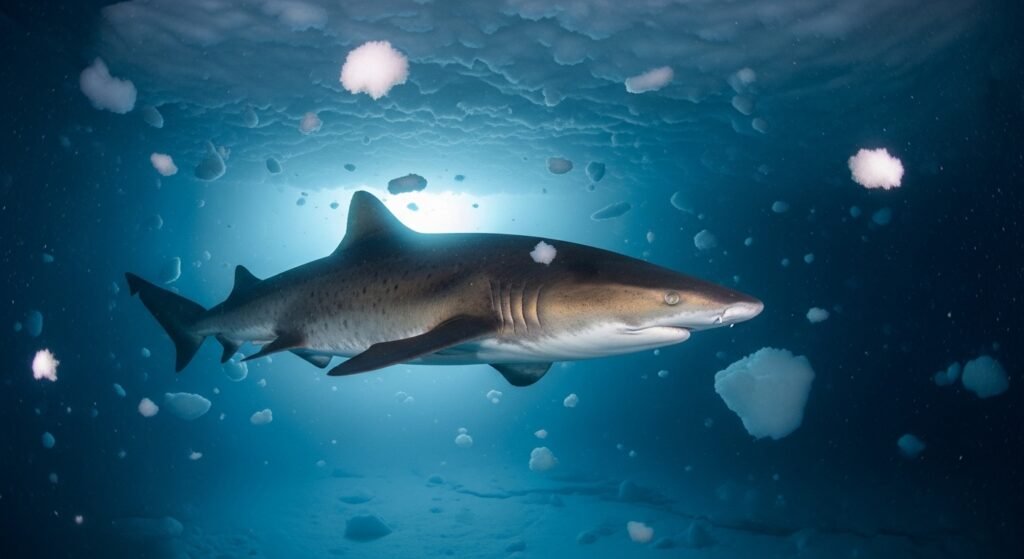
Their bodies contain high levels of special chemicals that prevent blood from freezing in temperatures below zero. These fluids function as the “antifreeze” substance which keeps vehicle engines operational from winter conditions.
Measuring Age Through the Eyes
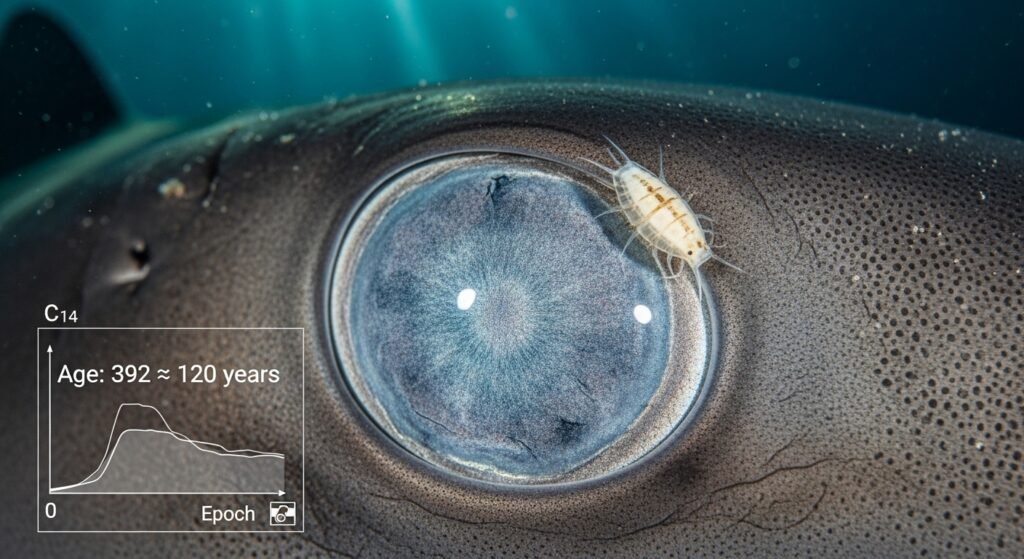
Scientists don’t count rings like a tree to age these sharks. The scientists determined the age of the shark through carbon dating which they conducted on the proteins found in the shark’s eyes that developed during the shark’s infancy hundreds of years ago.
Incredible Depth Resilience
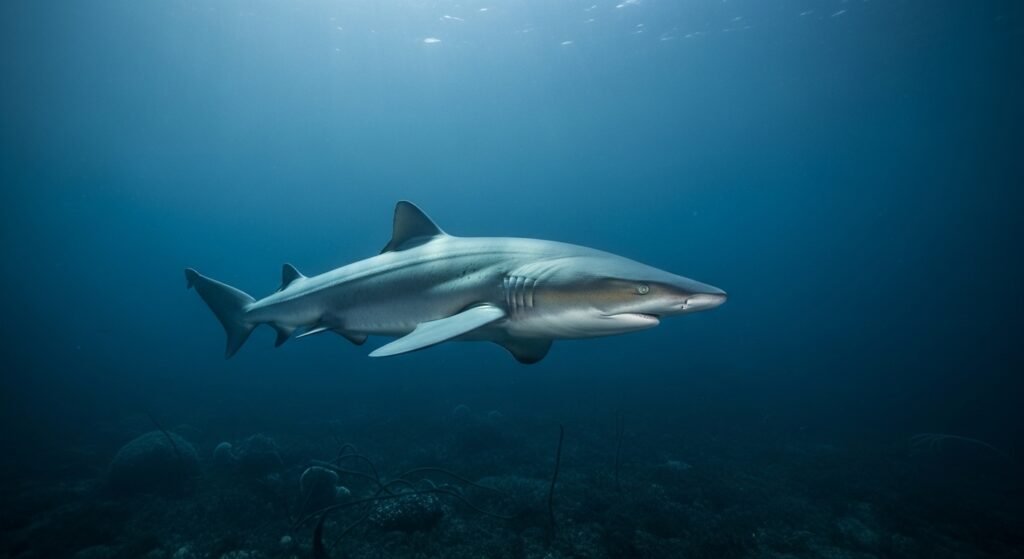
These sharks can dive to more than 7000 feet underwater. The Greenland shark can withstand extreme underwater pressure because its body has a soft cartilaginous skeleton which enables it to manage deep ocean weight.
Toxic Flesh Protection
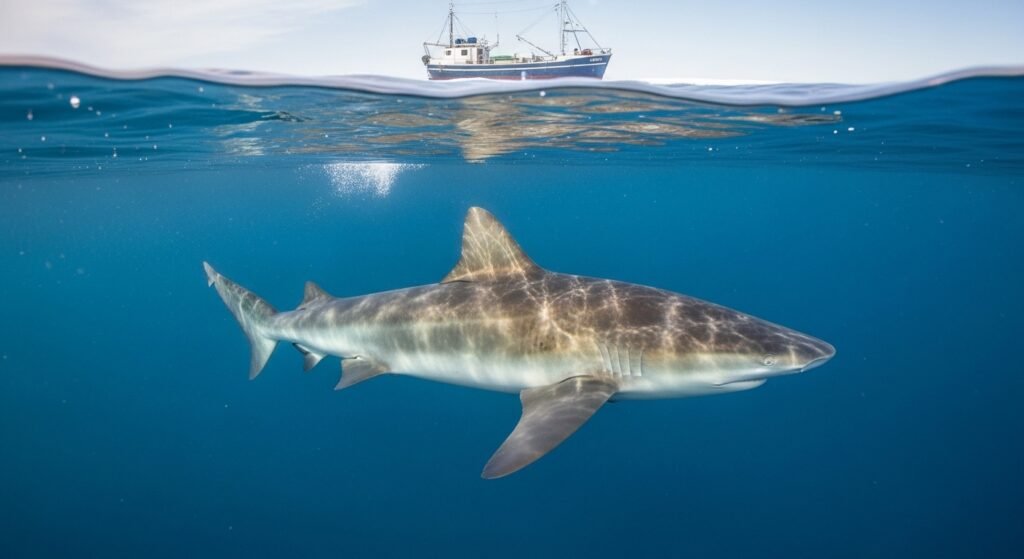
Their meat contains natural toxins that make it unsafe for human consumption and dog feeding because of its high urea content. The meat requires several months to become safe for human consumption which prevents people from hunting them excessively because their body requires time to create protective “armor.”
The Threat of Modern Change
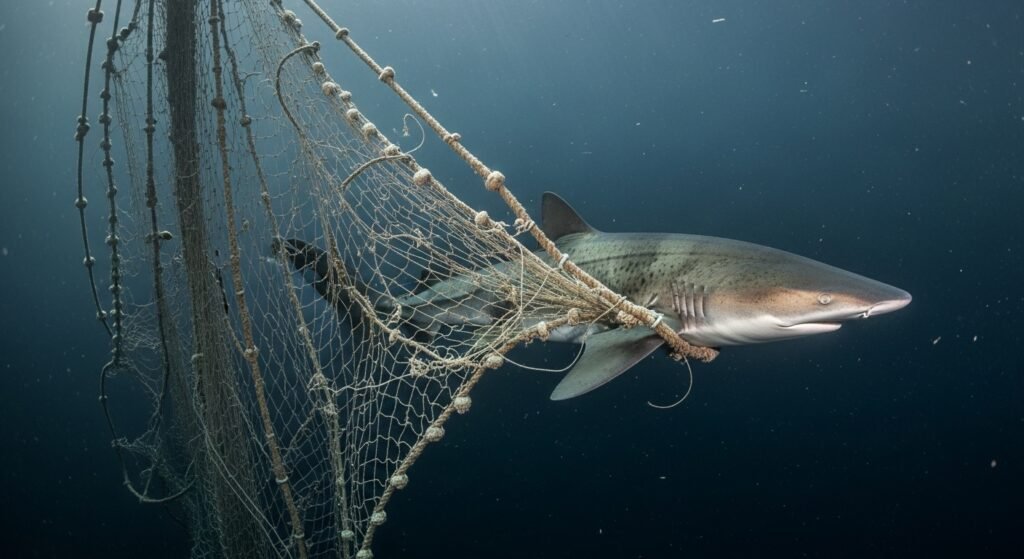
They have a lifespan of 400 years but they cannot survive because of modern fishing nets and rising ocean temperatures. The slow growth rate of the population causes it to take an extended period to repopulate after any population decline.