 Isabella Miller
 The Kingdom of Bhutan stands as the world’s first carbon-negative nation because its CO2 absorption exceeds its CO2 emissions. The government preserves its carbon-negative achievement by implementing a High Value Low Volume tourism system that mandates tourists to pay a 200-dollar Sustainable Development Fee for every day of their stay. The kingdom employs this method to enable tourist entry while protecting its historical sites and natural spaces from excessive visitor numbers.
The $200 Sustainable Development Fee
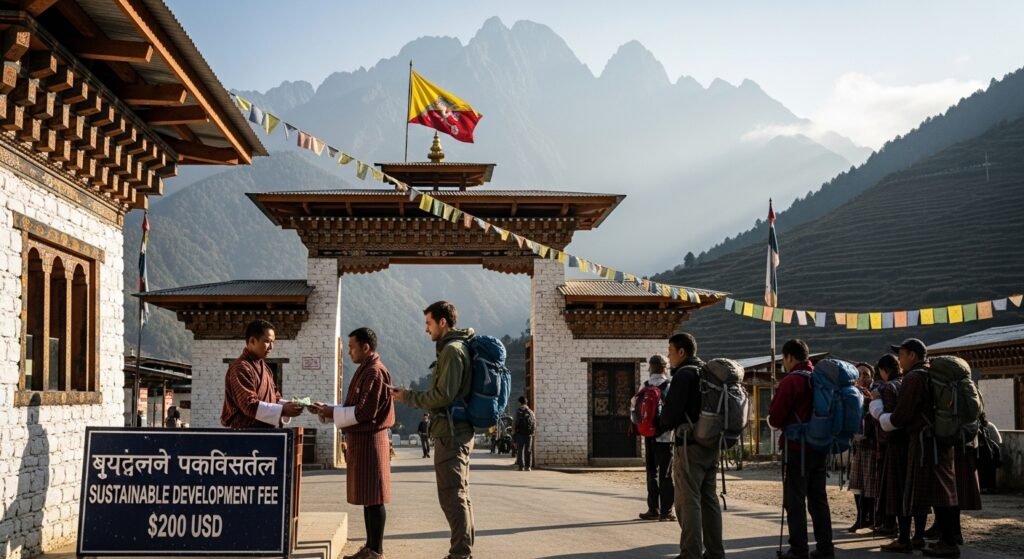
Adults who visit must pay a daily rate of 200 dollars which will stay at 100 dollars during designated time periods. The national fund uses this money to provide free healthcare and education services and to conduct environmental conservation efforts throughout the country.
The 60% Forest Mandate
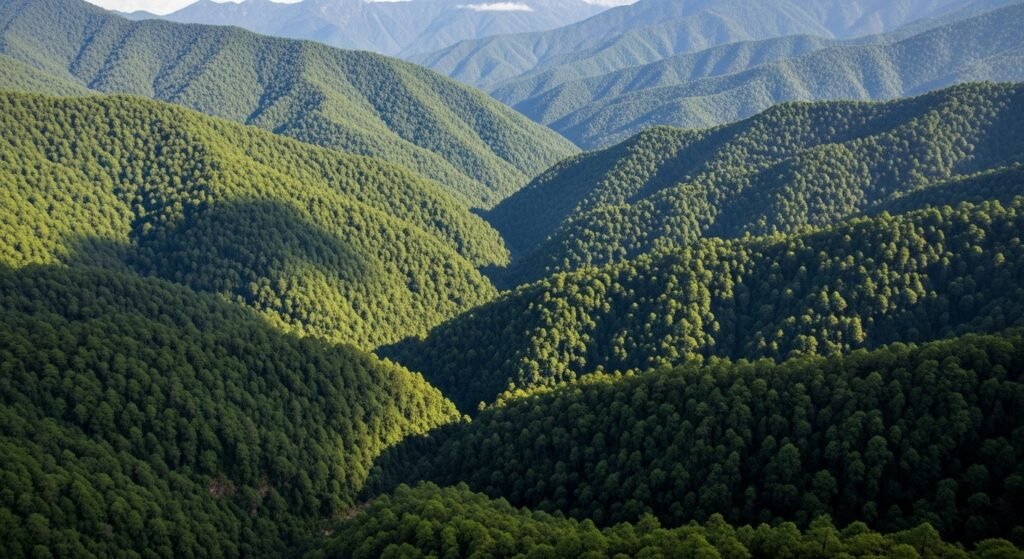
The constitution of Bhutan mandates that at least 60% of the country must remain forested territory throughout all future periods. The country has tree coverage that exceeds 70% of its territory which functions as a vast carbon sink that purifies the atmospheric carbon dioxide.
Free Healthcare and Education
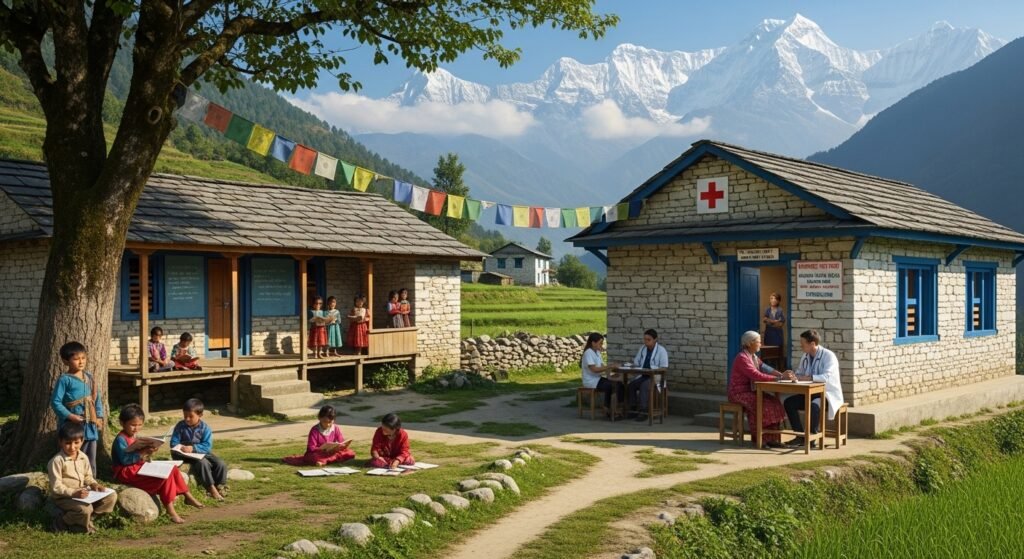
The 200-dollar daily fee functions as a tax that serves as a financial commitment to society. The educational facilities located in remote Himalayan areas receive funding from tourist spending which enables Bhutan to achieve significant poverty reduction and literacy improvement.
The “Plastic-Free” Vision
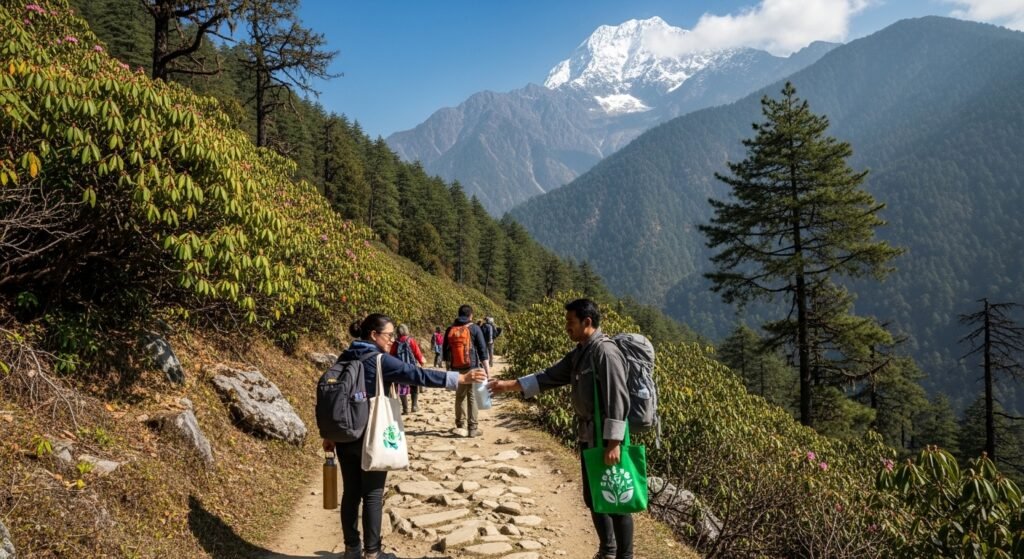
Plastic bag bans were first established in Bhutan which became one of the earliest countries to implement this prohibition. The government established zero-waste programs to keep the Trans-Bhutan Trail clean, while tourists are required to use reusable bottles.
The Tiger Corridor Success

The Royal Bengal Tiger receives protection through Bhutan’s use of tourism revenue. The tiger population increased by 27% since 2015 because they established biological corridors which connect different national parks.
Renewable Hydropower Energy
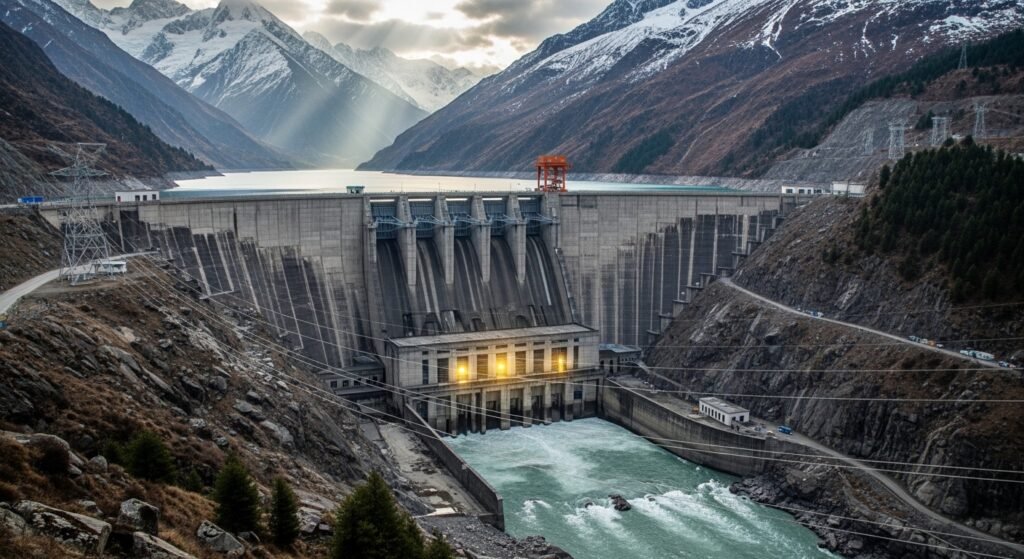
The country of Bhutan generates almost all its electric power through its glacial rivers which contain fast-moving water. The company generates excessive clean energy which it sells to India, thus stopping millions of tons of carbon dioxide from being released into the atmosphere.
The Trans-Bhutan Trail Revival
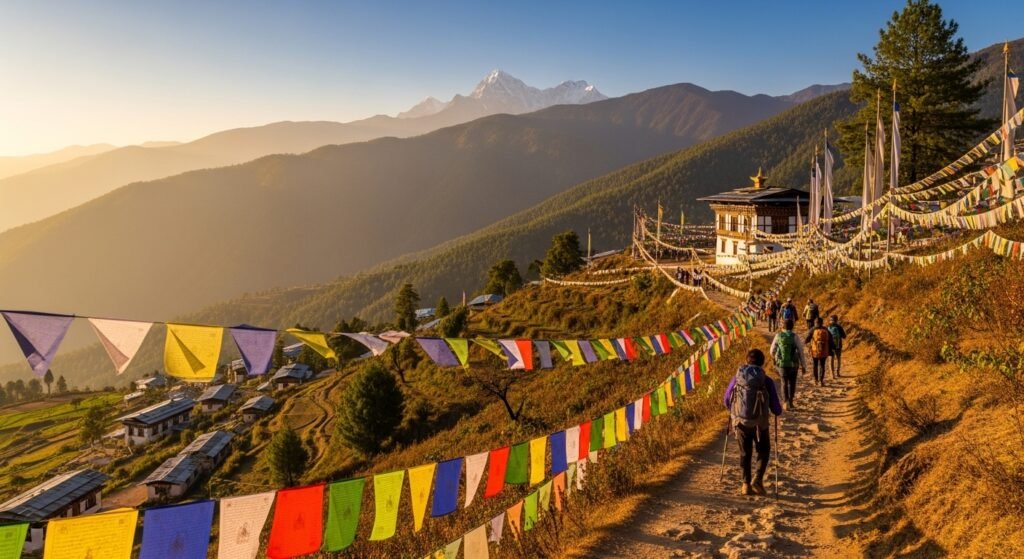
The SDF funding helped restore the 250-mile ancient pilgrimage trail throughout the year 2022. The path enables tourists to traverse the entire country which benefits local guesthouses instead of supporting international hotel chains.
Electric Vehicle Subsidies
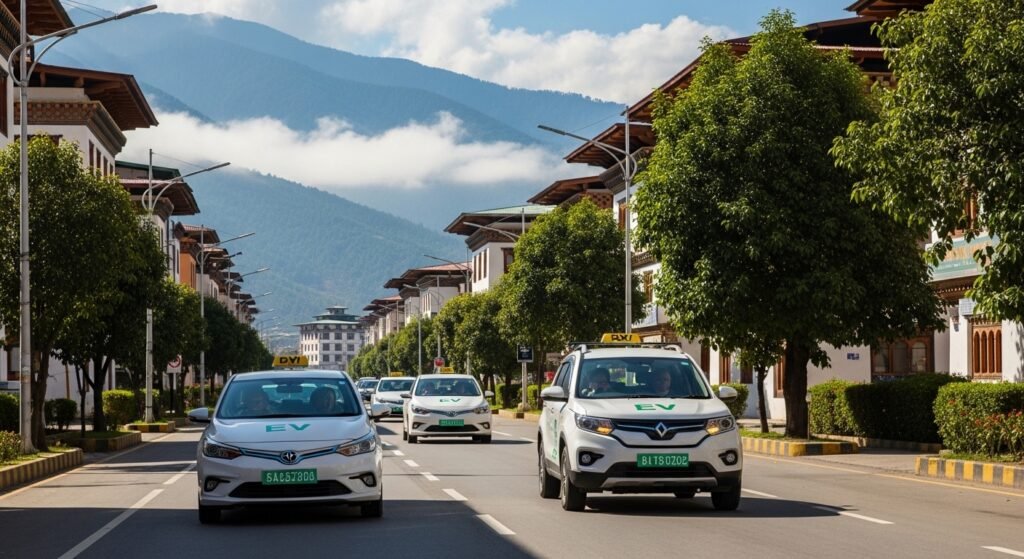
The government uses carbon-negative points to provide electric taxi subsidies for citizens. The city of Thimphu now has an increasing number of electric vehicles which help maintain clean mountain air and peaceful sound conditions.
Gross National Happiness Over GDP
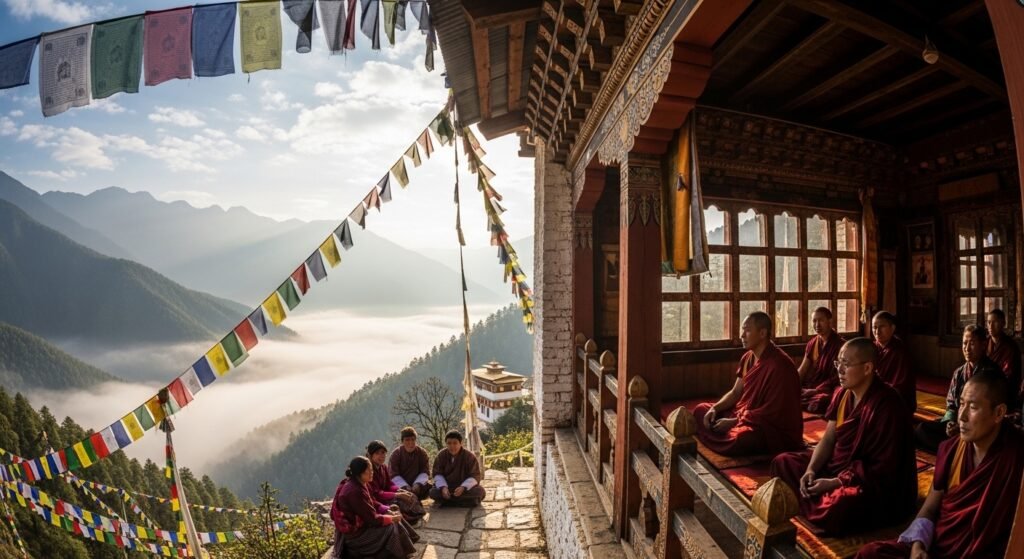
Bhutan assesses its progress through the happiness levels of its citizens rather than through monetary wealth and the 200-dollar fee permits the nation to maintain financial stability while ensuring that its spiritual and cultural traditions remain undisturbed.