 Sophia Davis
 A fresh look at nature’s balance appears in the journal One Earth, showing key ecosystems might break down faster than thought. Scientists say today’s promises on warming gases aren’t nearly strong enough to stop critical system failures. When these limits are passed, small changes can spark huge reactions, eventually locking Earth into extreme heat for centuries. That shift could lift global temperatures nearly 9 degrees from early human times, no matter the fix tried later. These details highlight how the review unfolded through clear observations.
Multiple Systems Are at High Risk
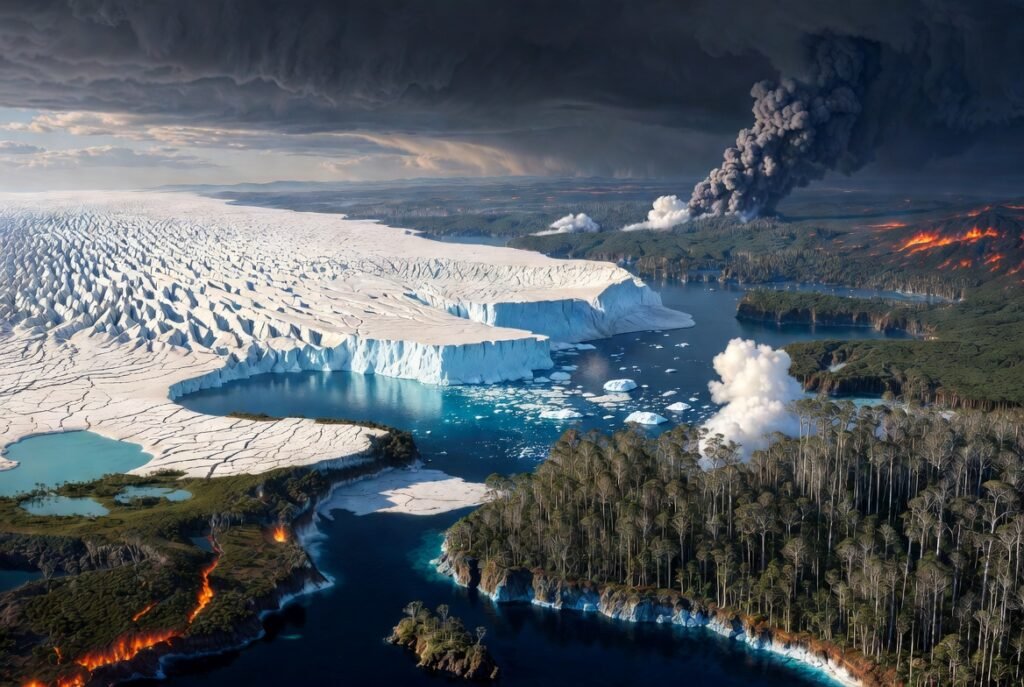
The Greenland ice sheet, the West Antarctic ice sheet, permafrost in the boreal regions, and the Amazon rainforest are all showing signs that they might be on the verge of falling apart sooner than what we thought before.
Tipping Points Can Trigger a Domino Effect
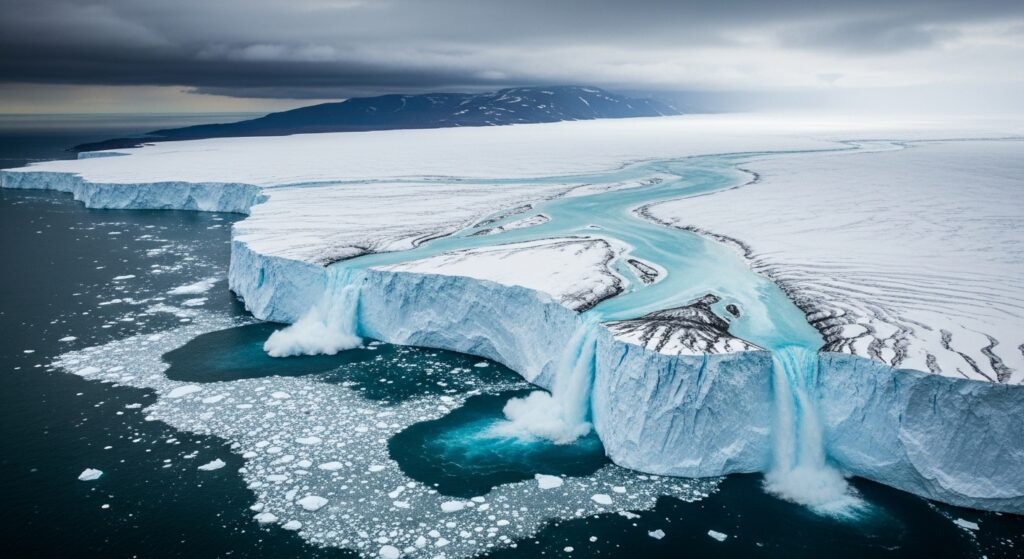
When a big barrier gets crossed, it can create a lot of pressure that might overwhelm the nearby ecosystems. This pressure can lead to more heat and eventually cause ecological collapse.
“Hothouse Earth” Scenario Looms
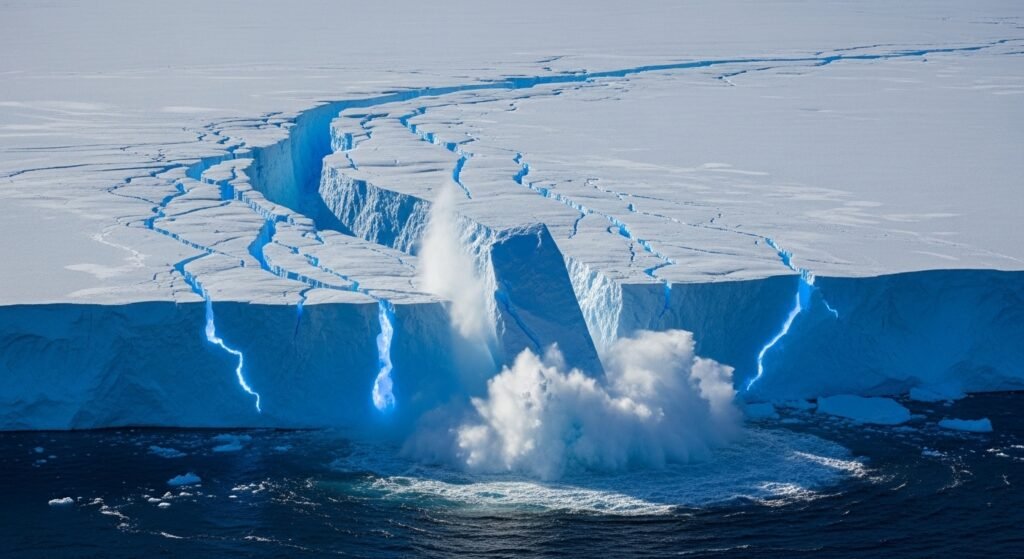
Crossing multiple thresholds might lock Earth into a path of rising warmth lasting millions of years, leaving vast regions harder for people to live within.
Current Pledges Are Insufficient
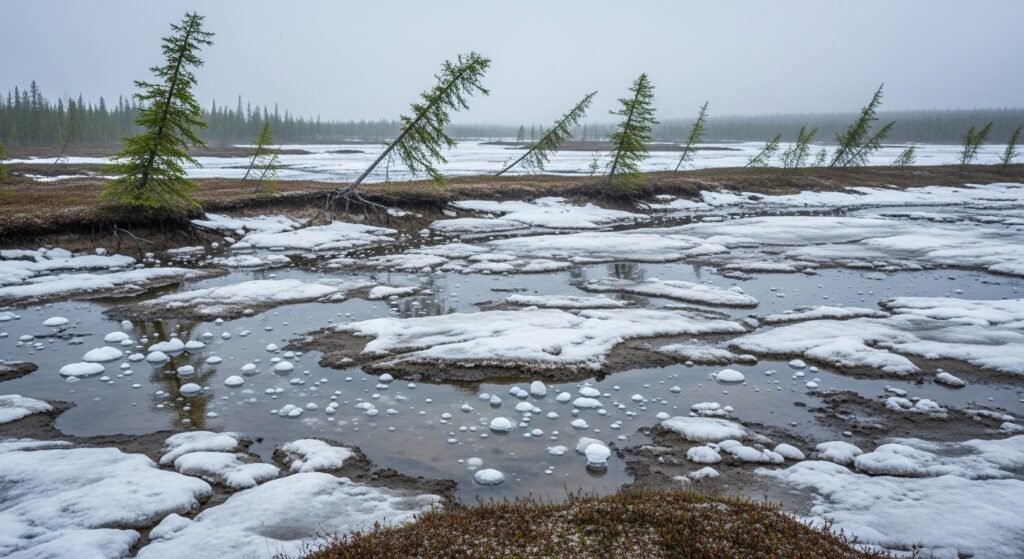
Right now, what countries have promised on climate isn’t stopping serious dangers from growing. Our planet keeps moving faster toward levels that could bring harm.
Uncertainty Remains, but the Danger Is Clear
Even without clear dates or complete outcomes, those studying the issue say risks justify urgent, more robust responses now.
Policymakers and the Public Are Largely Unaware
Scientists who studied Earth’s systems say some tipping points might already be near. Yet many leaders and regular people remain unaware of just how urgent the situation has become.
Vulnerable Populations Will Suffer First and Worst
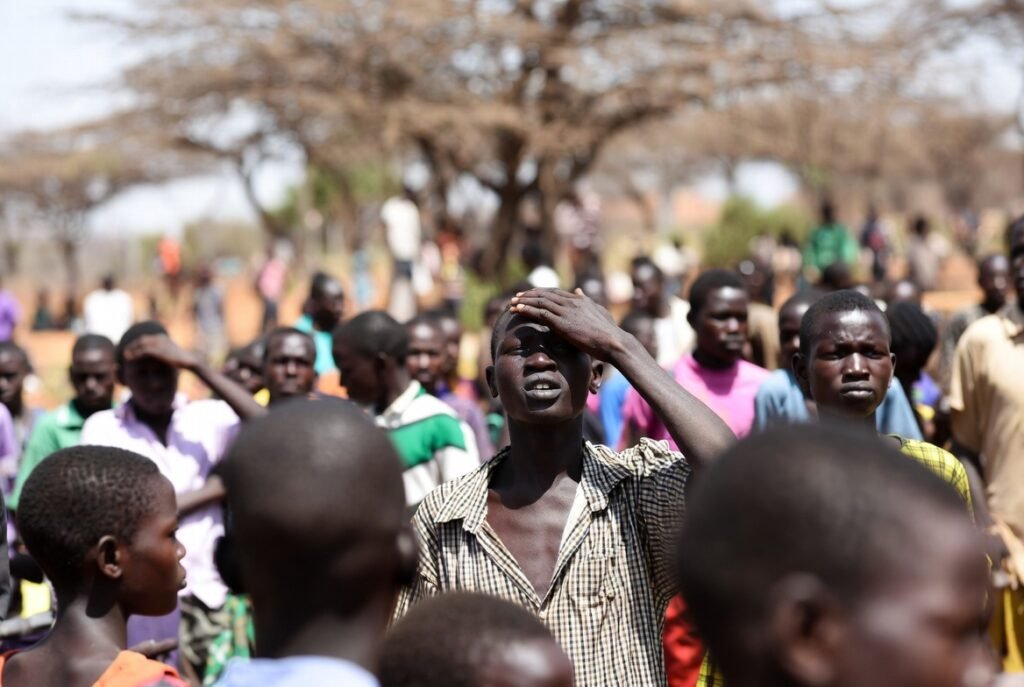
Those who’ve emitted the least – often the poorest or emerging countries – are hit hardest first. Heatwaves strike before sea levels climb, crops wither under stress, and forests fade without fanfare.
Power to Act Lies with a Small Elite
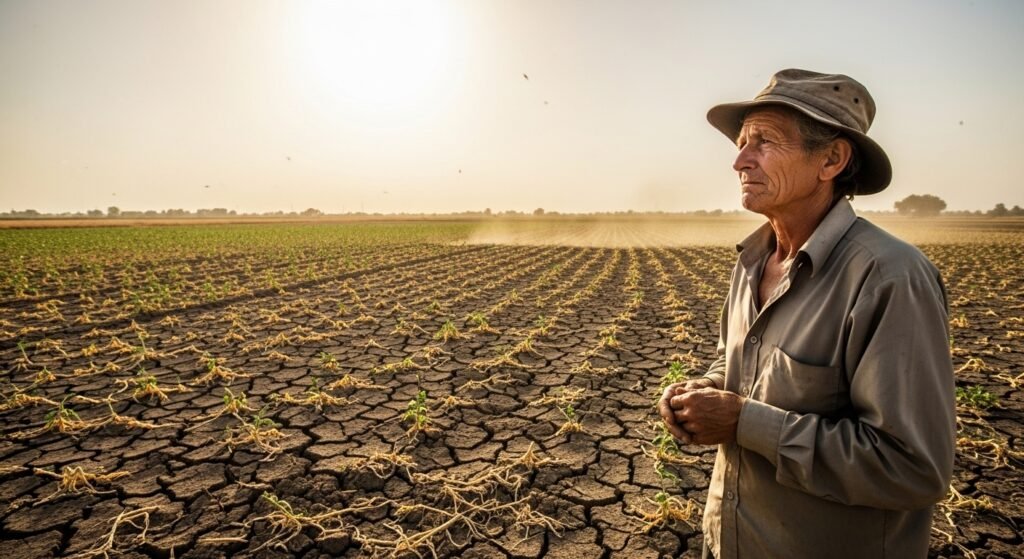
Some say the richest people and biggest companies shape how energy moves and economies grow – more than they should – so deep shifts slow down fast, no matter how hard leaders try.
Corporate and Financial Pressure Blocks Progress

When leaders push pollution limits too hard, investors might freeze up. That freeze could trigger credit warnings and shake markets, especially if big energy players push back.
Massive Social Movements May Be the Only Path Forward
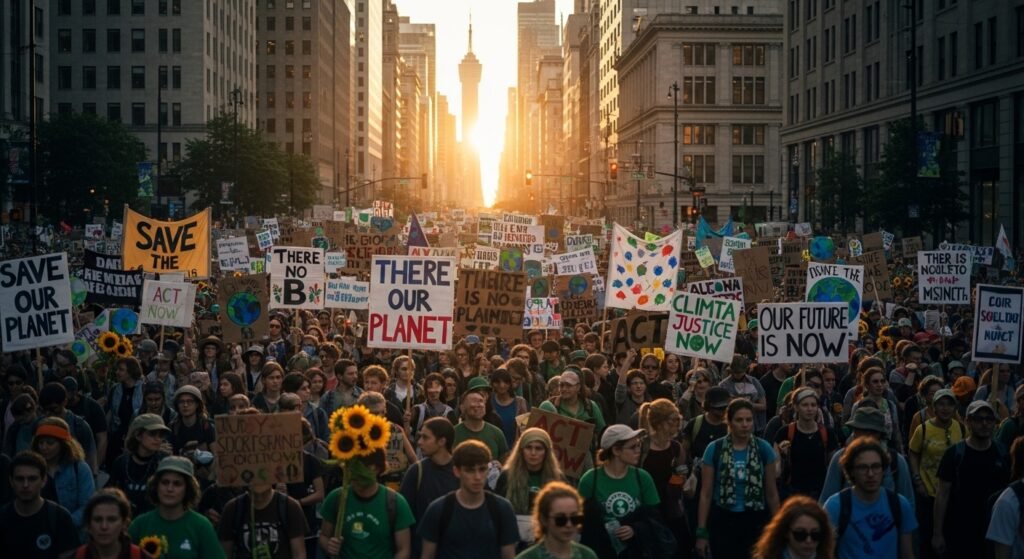
David Camfield points out something key: real shifts usually come from large-scale action by everyday citizens, not scattered efforts. What makes a difference is when many join together, creating momentum hard to ignore.