 Sophia Davis
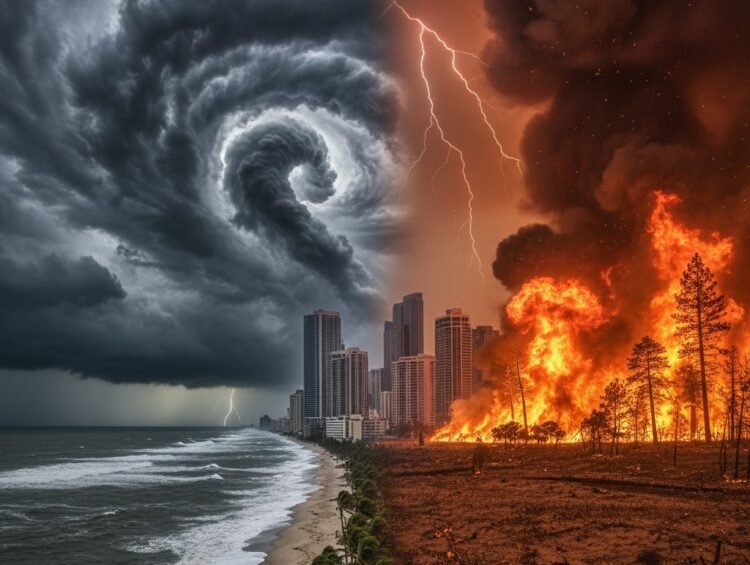
 In the entire country, environmental changes are occurring at a rate that is beyond the expectations of many communities. It is changing landscapes, economies, and life itself- rising seas, longer wildfire seasons, and others. Researchers are still monitoring the trends that reveal the way in which climate, weather, and ecosystems are changing the United States at present.
Better Gulfs and East Coast Hurricanes
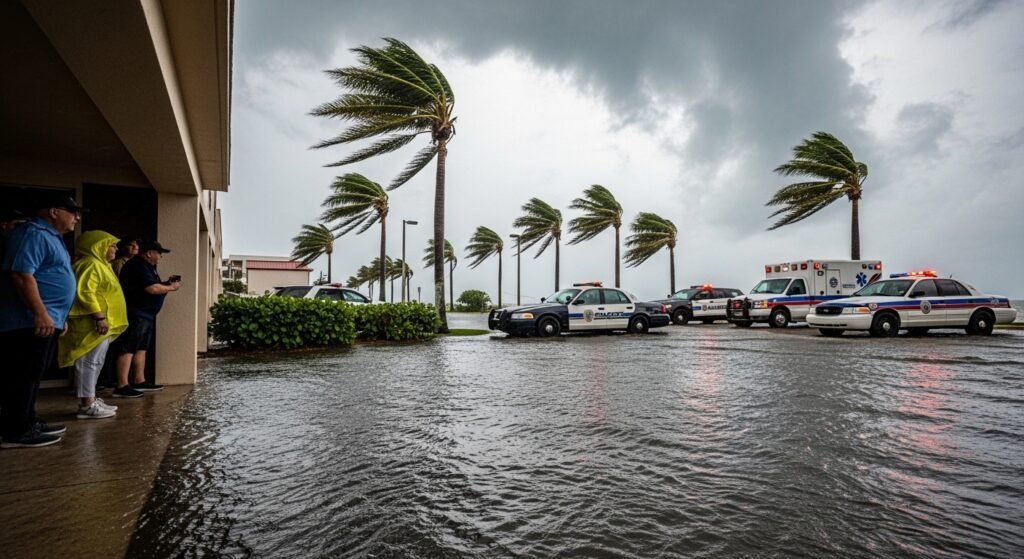
The Gulf of Mexico and the Atlantic have warmer ocean waters that are contributing to more intense hurricanes. Some states such as Florida and North Carolina are recording greater storms, intense rain and storm surges which heighten flood destructions and put pressure on infrastructures.
Wildfire Spreading in the West
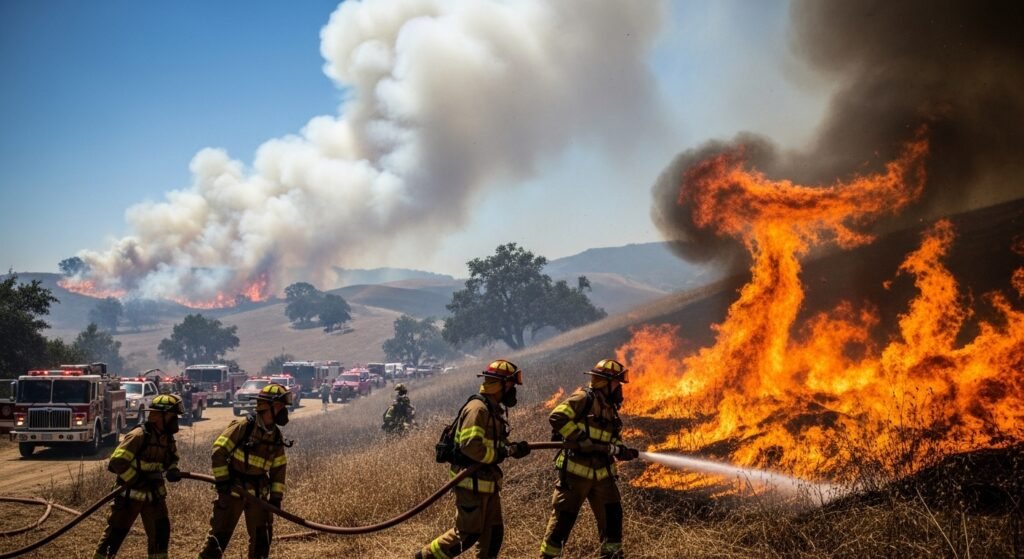
Increased droughts and temperatures are stretching the wildfire seasons in states like California and Oregon. Each year, fires are burning bigger territories, endangering communities, forests, and the quality of the air and are extending emergency response networks.
Sea Level Rising and Cities at Risk
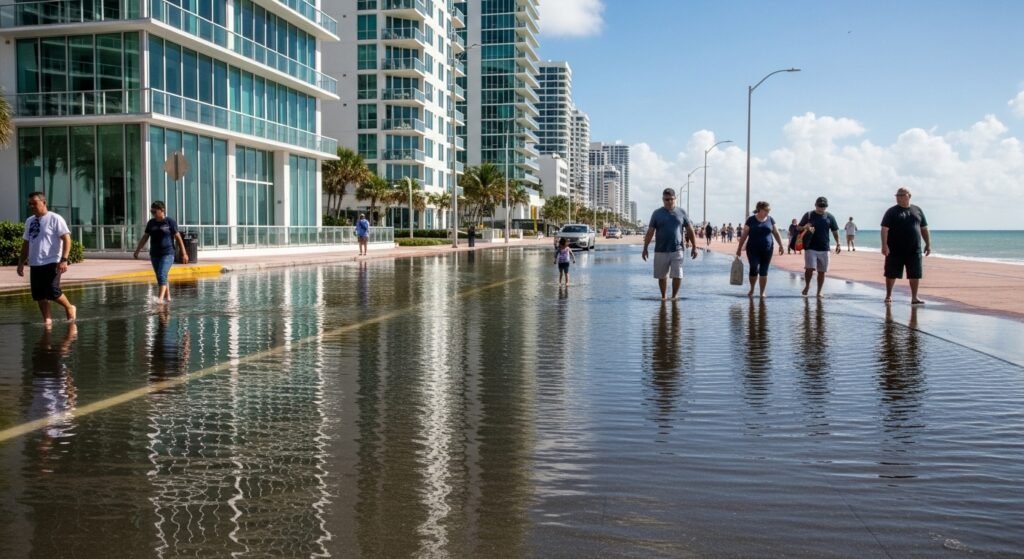
The sea level is slowly rising along the coasts and especially along Miami and New York City. Increased tides, increased floods are shaking communities, destroying homes, compelling cities to invest a lot of capital in resilience infrastructure and coastal defenses.
Higher extremes in heat waves are becoming widespread
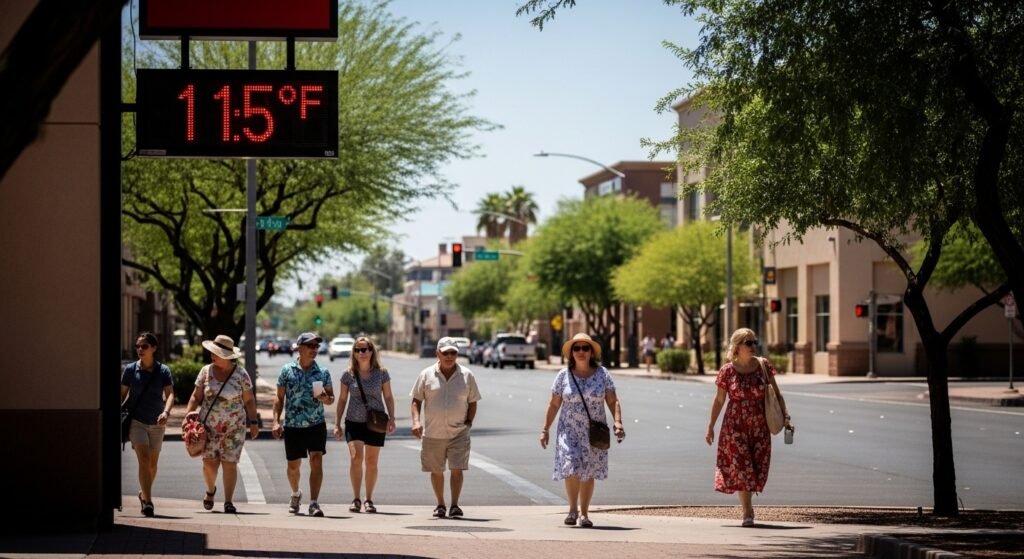
The largest cities such as Phoenix and Las Vegas are registering increasing numbers of extremely heat days on a summer basis. Extensive heat waves pose serious health issues, strain the power system and create extra strain on existing water supply in already arid areas.
Turning Agricultural acreage in the Midwest
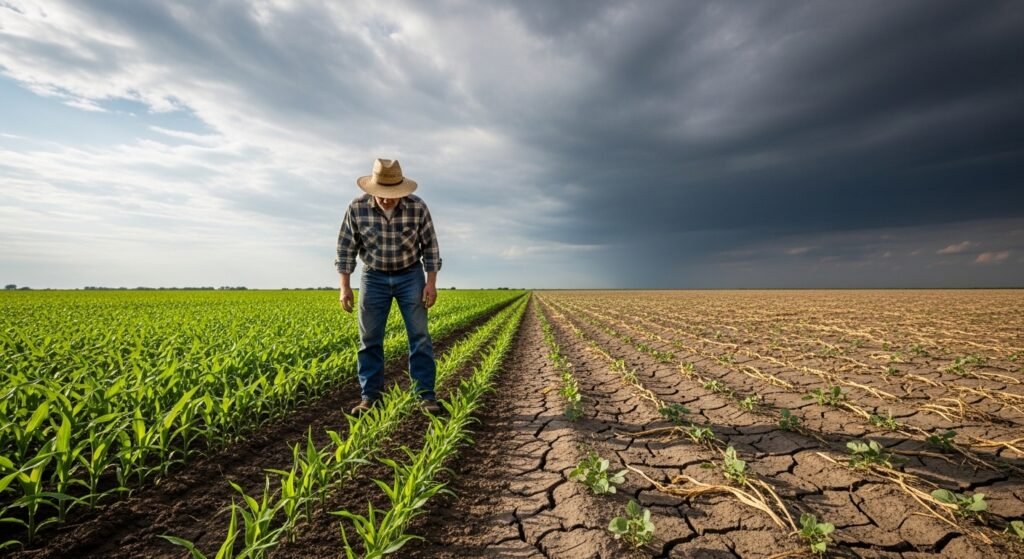
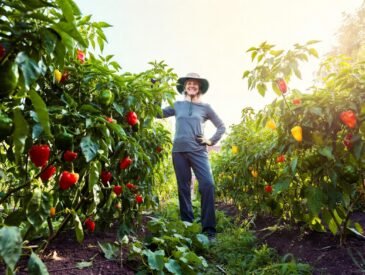
In Iowa and Illinois, the farmers are changing their rainfall patterns and adjusting their growing seasons to warmer weather. Certain crops are shifting northwards whilst unpredictable weather patterns are frustrating the plant and harvesting time in conventional farming areas.
Nature Drought Crippling Water Resources
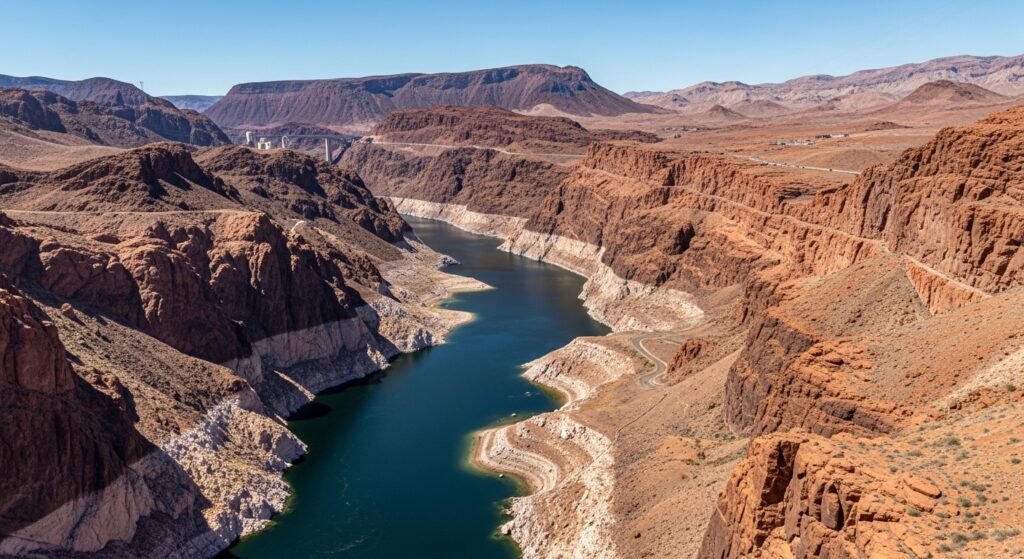
The Colorado River which is the major water source to millions of people has been experiencing a reduction in water levels over the last few years. Sustaining reservoirs to supply cities and agriculture are dwindling, and conservation efforts and challenging policy-setting have been a focus in a range of western states.
Thawing snow in the mountainous areas
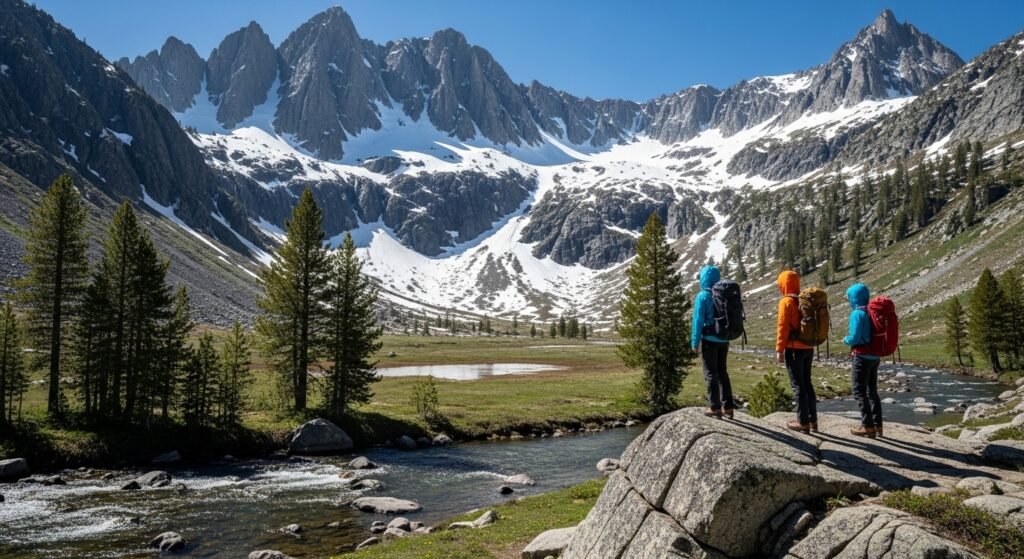
Snowpack melts earlier in the year in Sierra Nevada and the Rocky Mountains. Earlier melting of the snowpack influences the timing of river flows, water storage and ecosystems downstream since the snowpack is a natural reservoir of water.
Increased Rainfall and River Flooding
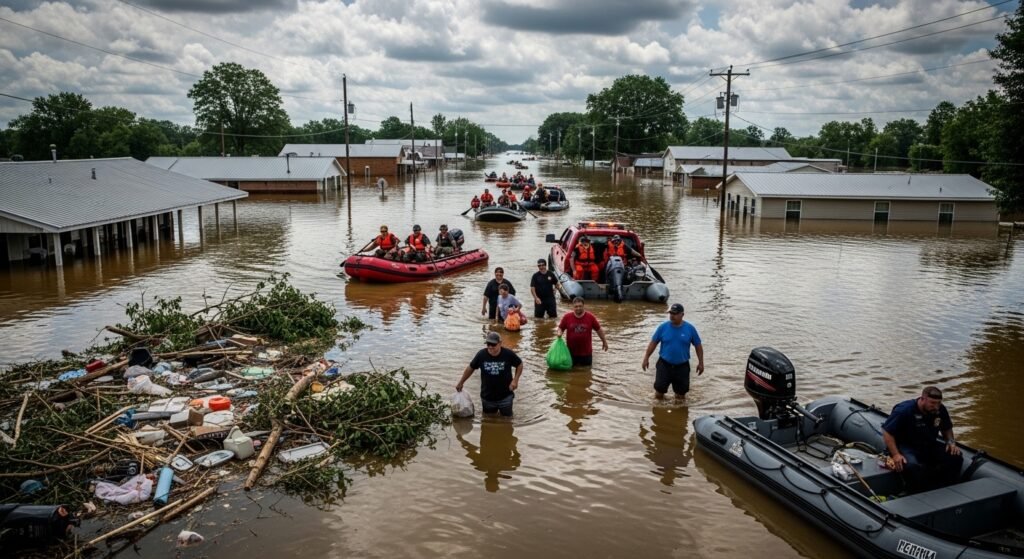
The areas near the Mississippi River basin are witnessing a stronger occurrence of rainfall. The sudden heavy rains enhance the likelihood of flash flooding, destroy infrastructure and disrupt transportation systems both in the countryside and the large city centers.
Shifting Shoreline Coastal Erosion
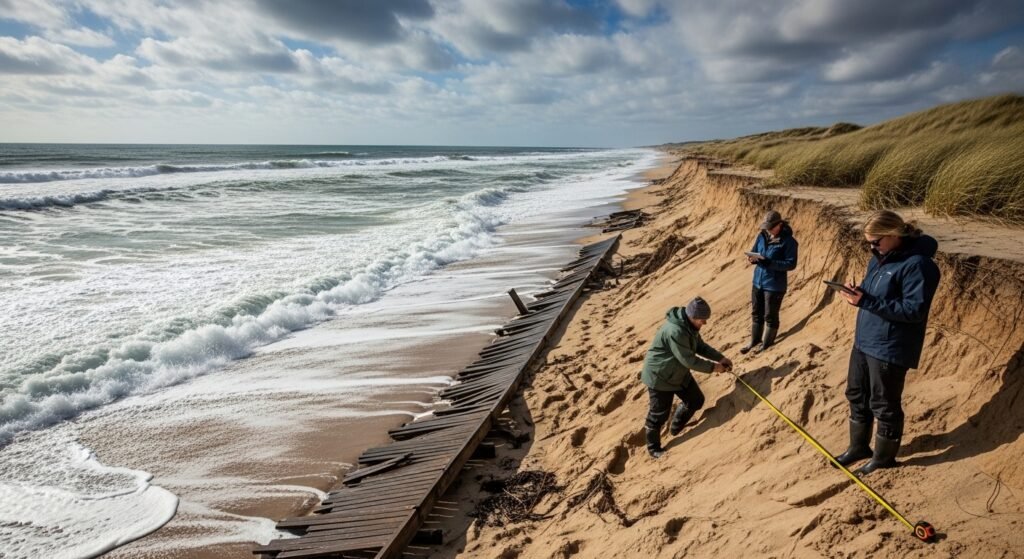
Rising seas and intensified storms are washing away beaches and barrier islands along the Atlantic Coast. This redefines the local tourism economies, endangers animal habitats and necessitates costly shoreline rehabilitation.
Shifting Wildlife Habitats
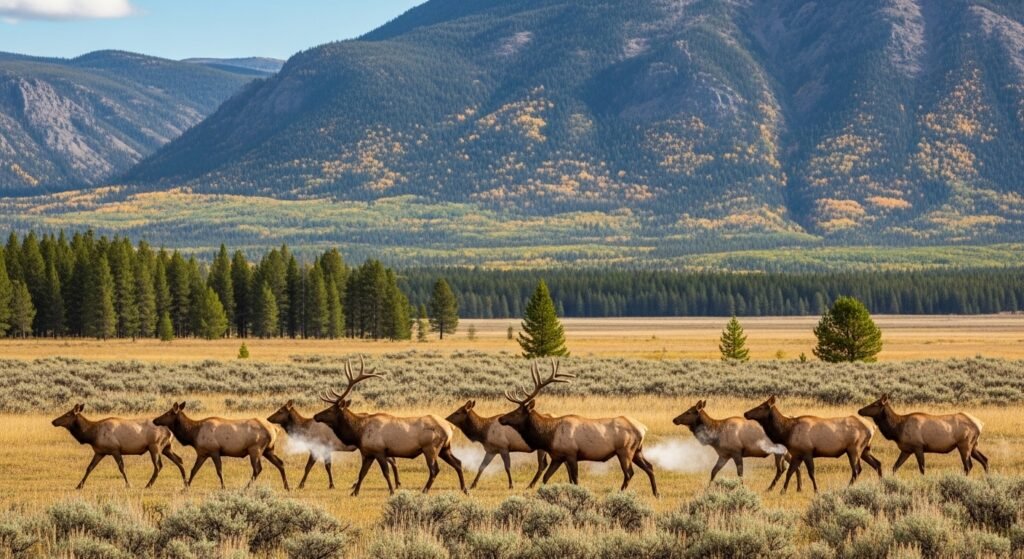
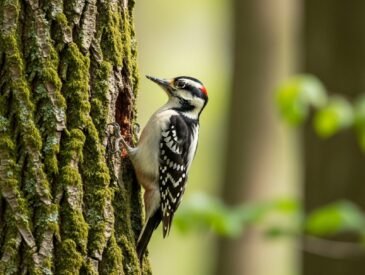
Migration patterns of wildlife are shifting in areas such as Yellowstone national park with the increase in temperatures. There are those species that are able to migrate towards the north or uphill, and others which are unable to adjust to new environment pressures.