 Sophia Davis
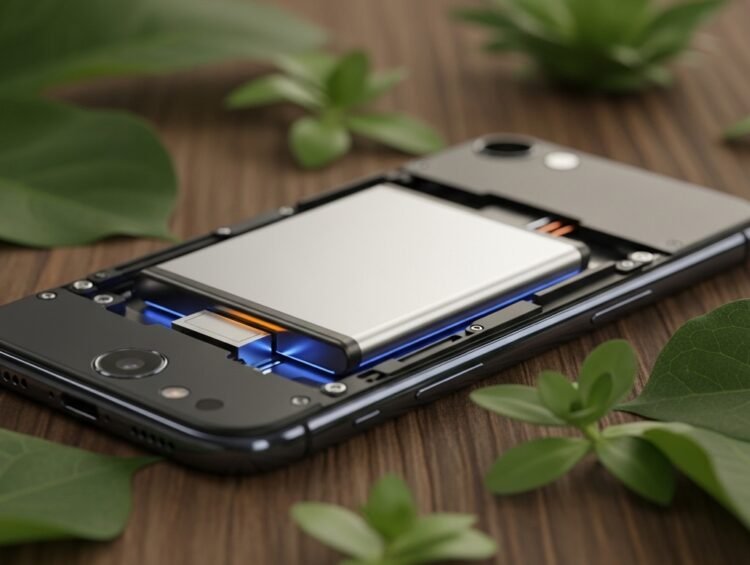
 The next wave of smartphone batteries may look very different from the lithium-ion cells we use today. A new concept known as liquid metal batteries replaces solid battery parts with liquid alloys that can operate at room temperature. While the technology is being developed mainly to improve device performance, it could also have major implications for the natural environment both positive and negative.
A Potential Reduction in Electronic Waste
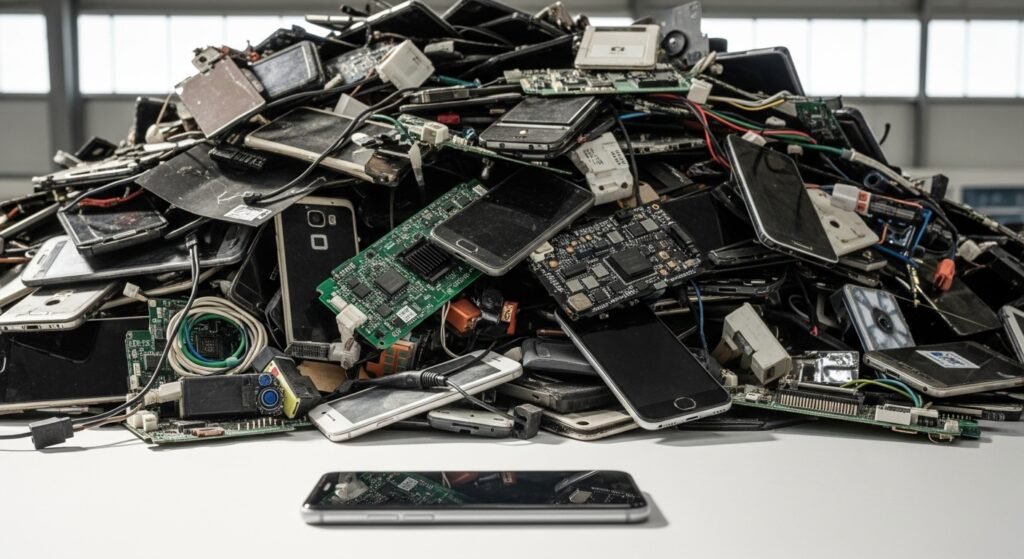
One of the biggest environmental problems in the tech world is electronic waste. Liquid metal electrodes can self-heal after repeated charging cycles. If phones can keep strong battery health for close to a decade, fewer devices may be discarded. That would reduce mining, manufacturing demand, and the growing piles of e-waste that end up in landfills.
Fewer Battery Replacements Means Fewer Raw Materials
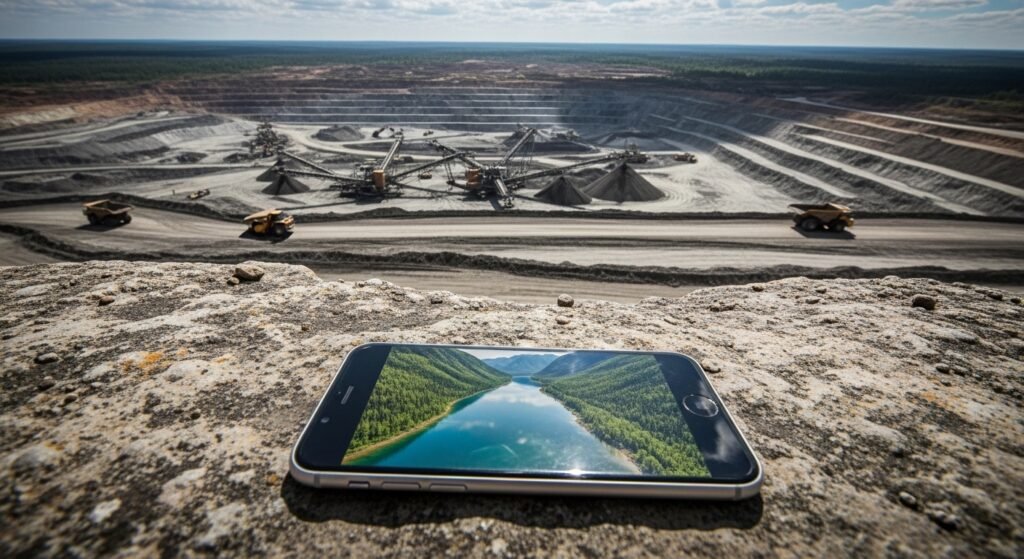
The conventional batteries are quite dependent on materials such as lithium, cobalt and nickel. Extraction of such resources may destroy ecologies, contaminate water bodies and interfere with the lives of animals. In case the liquid metal batteries have a longer life, the manufacturers would have fewer replacements, hence reducing the strain on mining that affects forests.
New Alloys That Work at Natural Temperatures
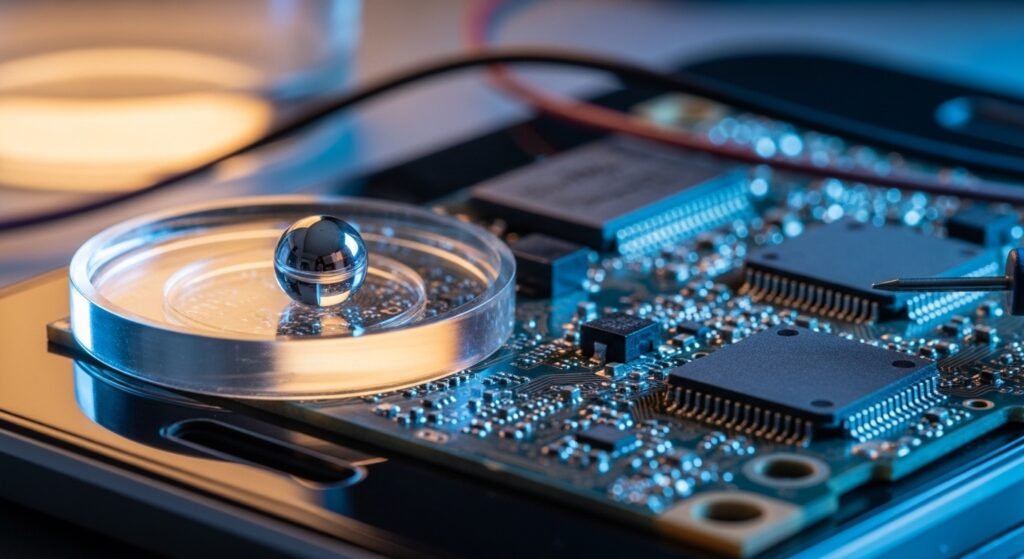
The prototype liquid metal batteries used in the past necessitated very high temperatures to be in the liquid state. Recent findings by researchers at the University of Texas indicate that sodium-potassium alloys may remain liquid at about 20degC which is near normal temperature of the environment.
Faster Charging Could Reduce Energy Waste
In liquid metal batteries, ions can travel more quickly than in solid batteries. That is to say that phones would possibly charge faster.
Improved Safety for Homes and the Environment

The Lithium-ion batteries are known to catch fire when under extreme conditions because of a condition that is referred to as thermal runaway. Such accidents may emit poisonous vapours and chemicals. Liquid metal designs can also be spared of some of these risks since they eliminate some flammable substances. Agreater safety of batteries would potentially result in fewer accidents to the environment due to device fires and battery failures.
Flexible Batteries May Extend Device Lifespans
Flexible electronics, including foldable phones, tend to have a problem with the rigid battery formations. Liquid parts are able to bend and move without breaking and this could assist manufacturers to come up with devices that are durable. Extended device life will lower the manufacturing requirements and reduce the extraction of resources that may destroy natural ecosystems.
Resilience in Harsh Outdoor Conditions

The conventional phone batteries deteriorate very fast in freezing conditions or heavy heat. Liquid metal alloys can be used over a broader range of temperatures enabling equipment to be used in extreme conditions. This would be useful to researchers, environmental scientists and conservation team that uses mobile technology when they are working in the field.
The Environmental Cost of New Metals
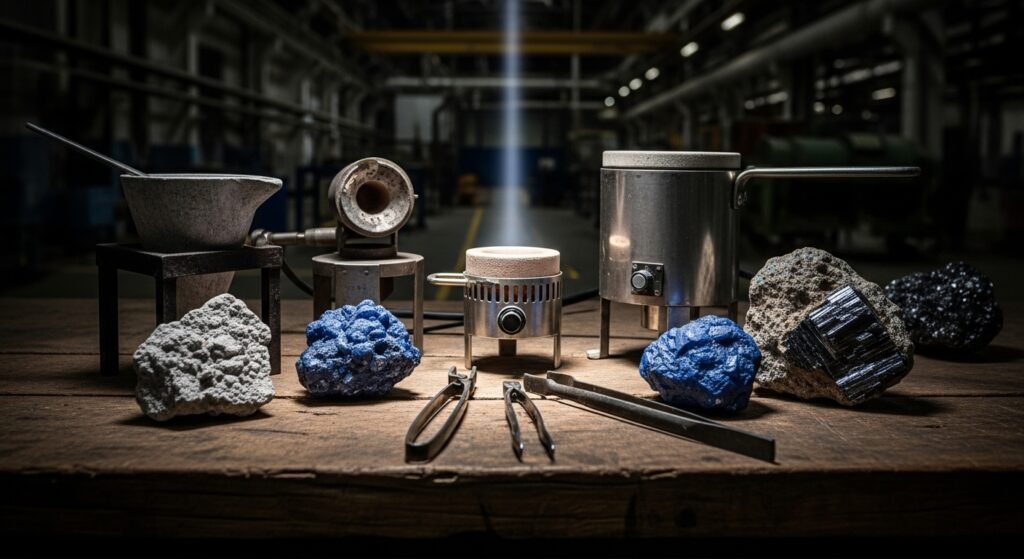
Liquid metal batteries do not possess a 100 percent impact resistance with the upsides. Other designs incorporate other metals like gallium that may prove costly and resourceful to manufacture. In case the demand increases rapidly, mining and refining them may introduce new strains on the environment unless sustainable mining methods are invented.
Long-Term Energy Storage Benefits
Liquid metal batteries also dissipate very low amounts of energy when not in service. A phone that was left away months later still had a majority of its charge. The increased efficiency of energy storage would also imply that less electricity is wasted and fewer charging cycles, which indirectly decreases power consumption.
A Step Toward Greener Consumer Technology
While liquid metal batteries are still in development, they highlight an important shift in the tech industry, designing products that last longer and waste less. If the technology reaches mainstream smartphones, it could help reduce electronic waste and make everyday devices more compatible with the planet’s needs.